Period 12 · 1954–1980
Civil Rights and Social Transformation
From the Brown decision in 1954 through the 1970s, the civil rights movement overturned legal segregation, and Black Americans’ example inspired movements by women, Chicanos, Native Americans, gay Americans, and environmentalists. Lyndon Johnson’s Great Society expanded the federal government’s reach, while the Vietnam War and Watergate shattered public trust.
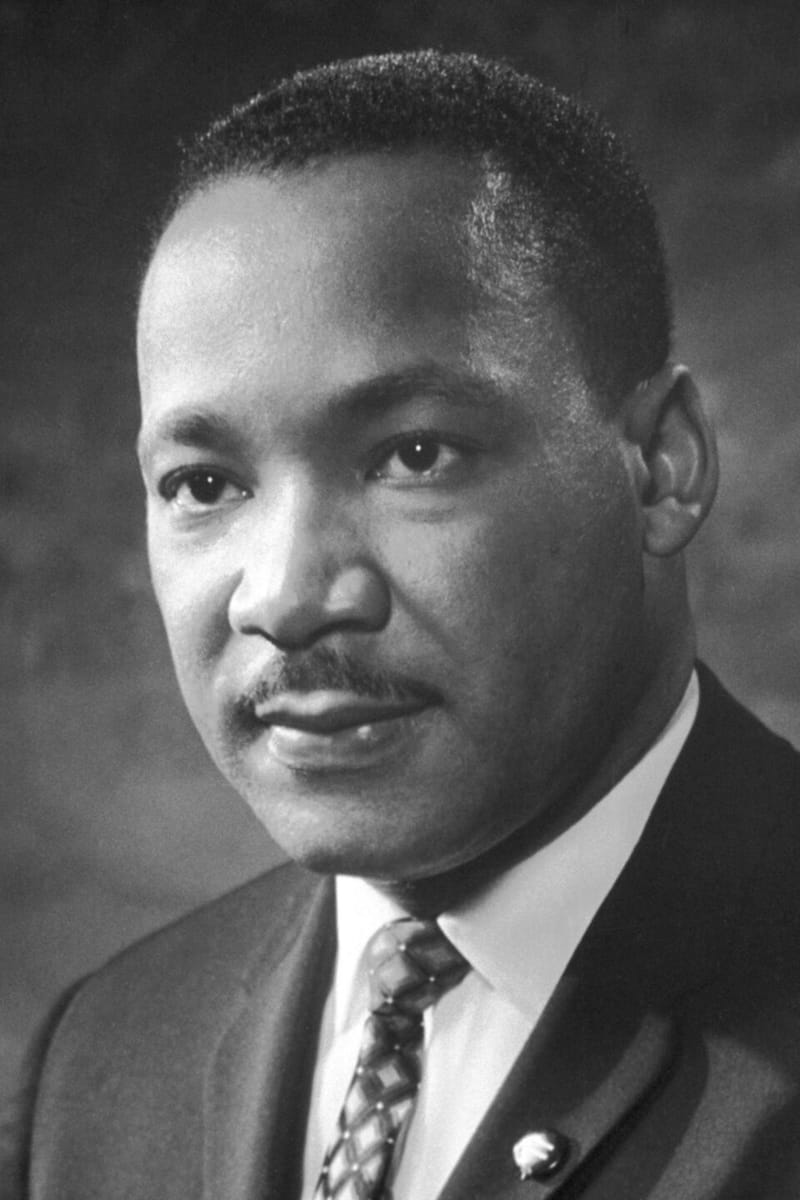
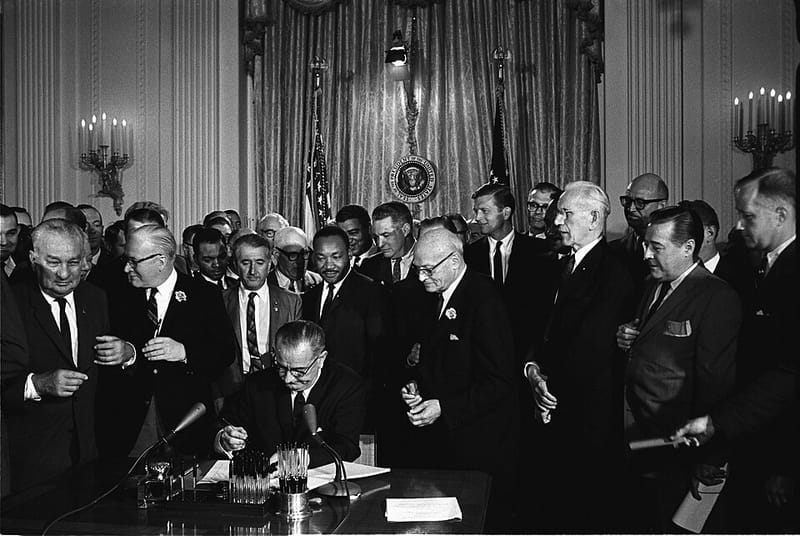
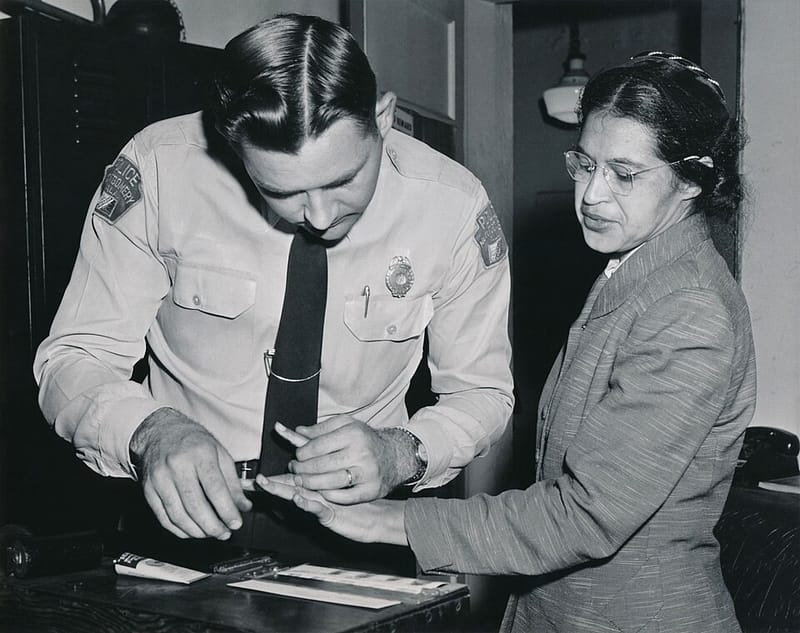
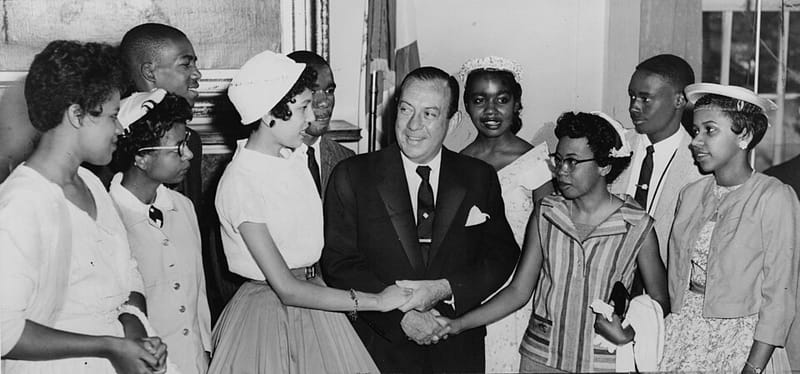
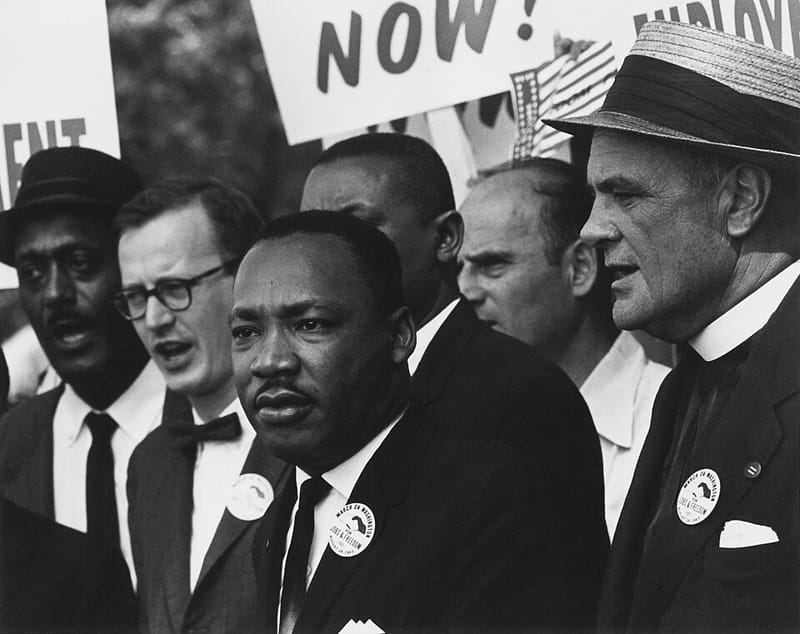
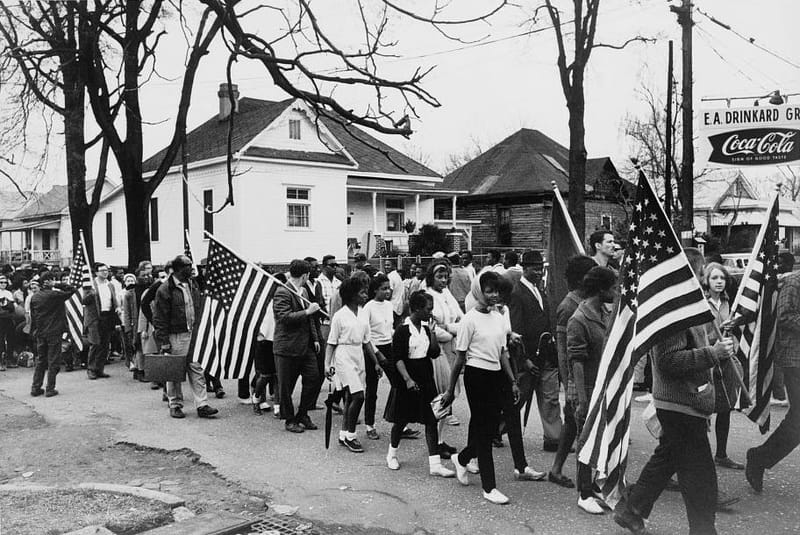
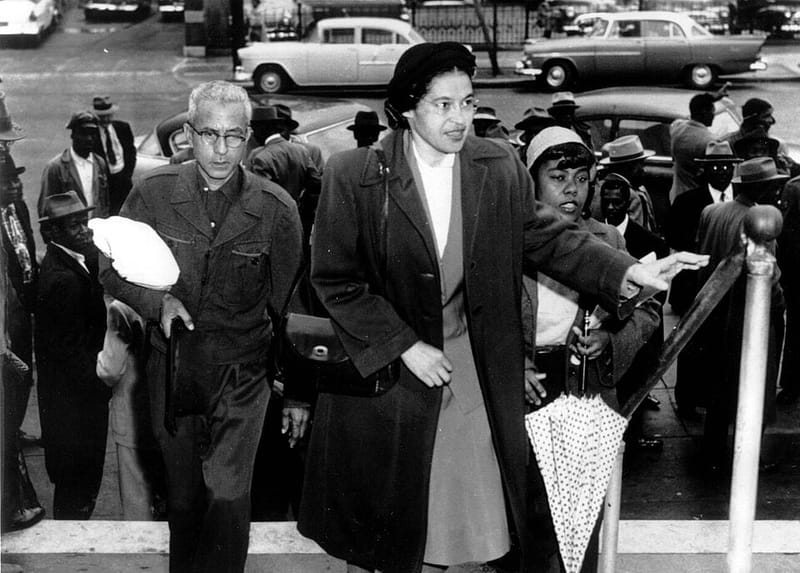
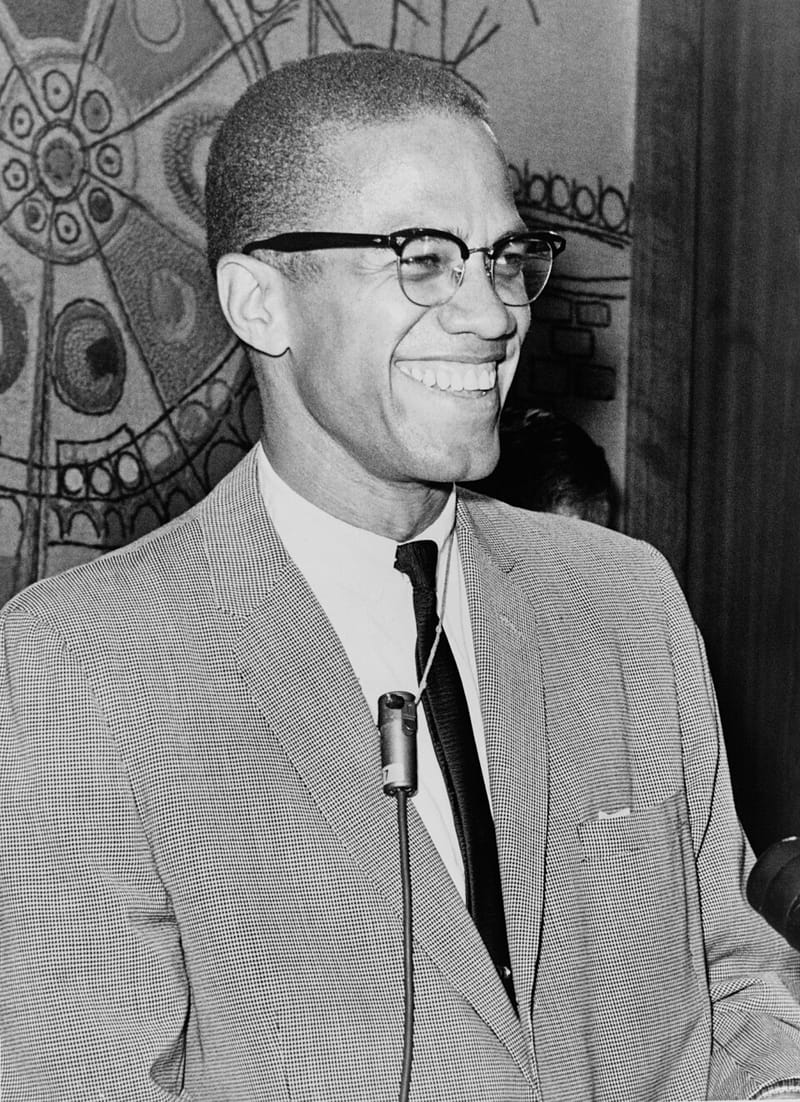
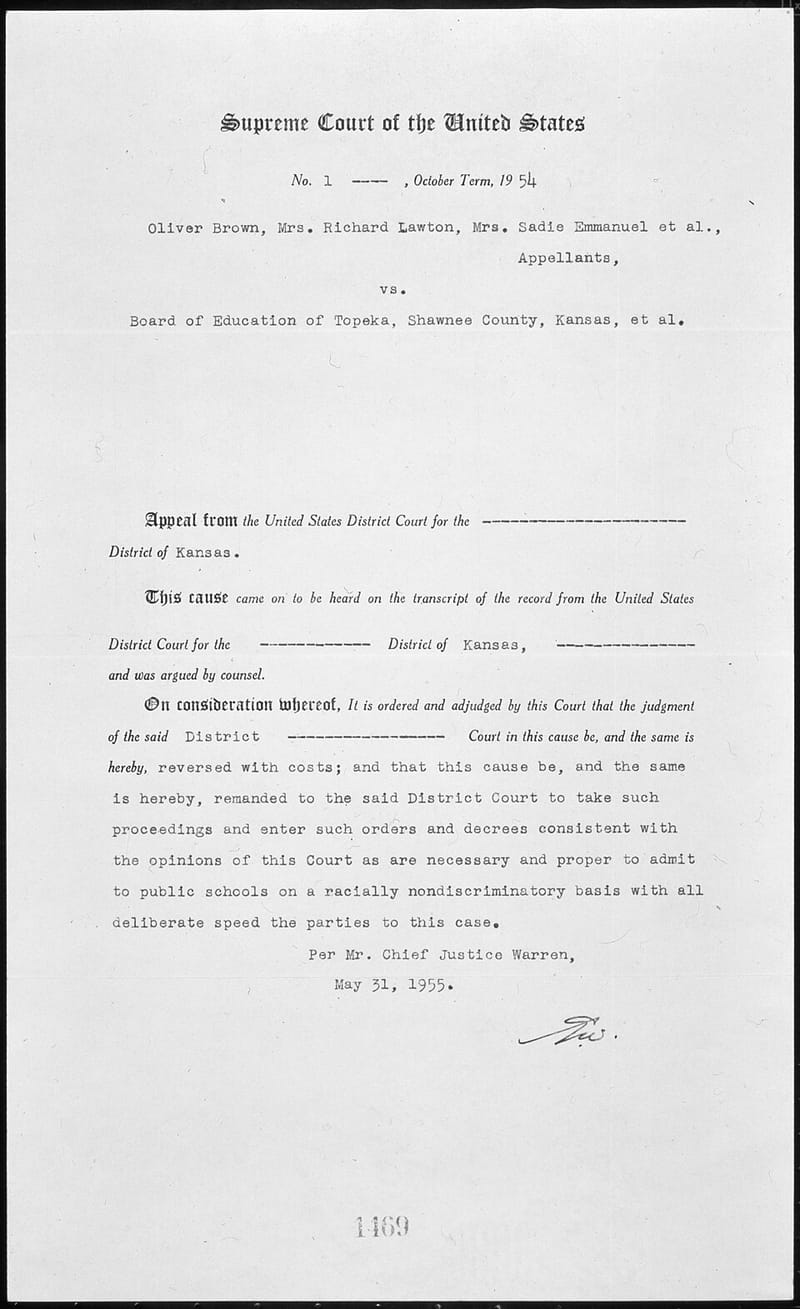
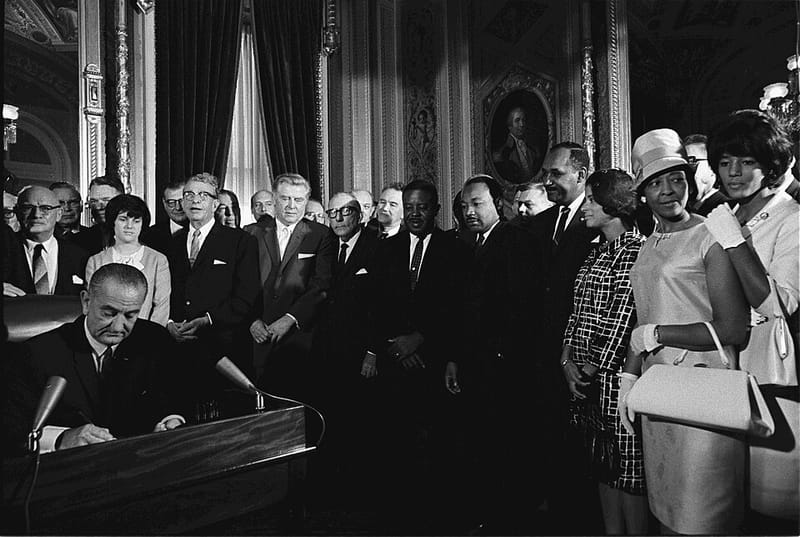
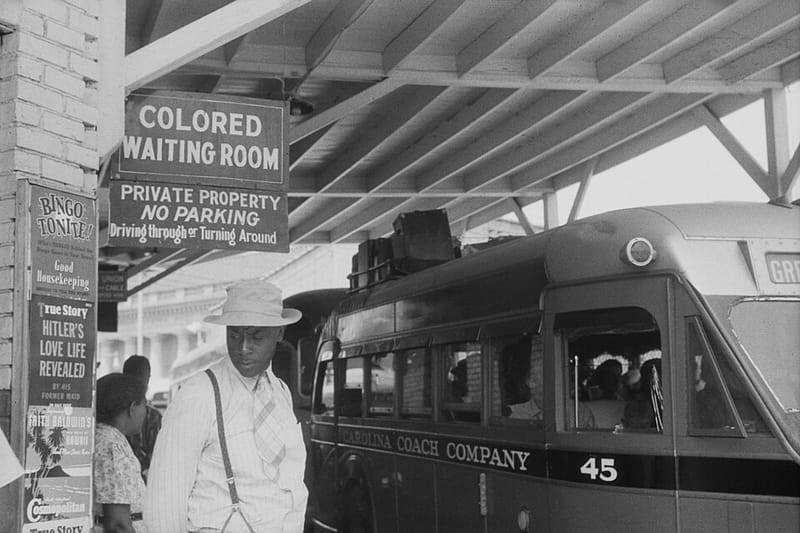
The Supreme Court’s ruling in Brown v. Board of Education (1954) and the Montgomery bus boycott (1955–1956) launched the modern civil rights movement. Martin Luther King Jr., Rosa Parks, student sit-ins, Freedom Riders, and local organizers confronted Jim Crow from Little Rock to Birmingham and Selma. After the March on Washington, Congress passed the Civil Rights Act of 1964 and the Voting Rights Act of 1965. Malcolm X and the Black Power movement offered a more militant vision.
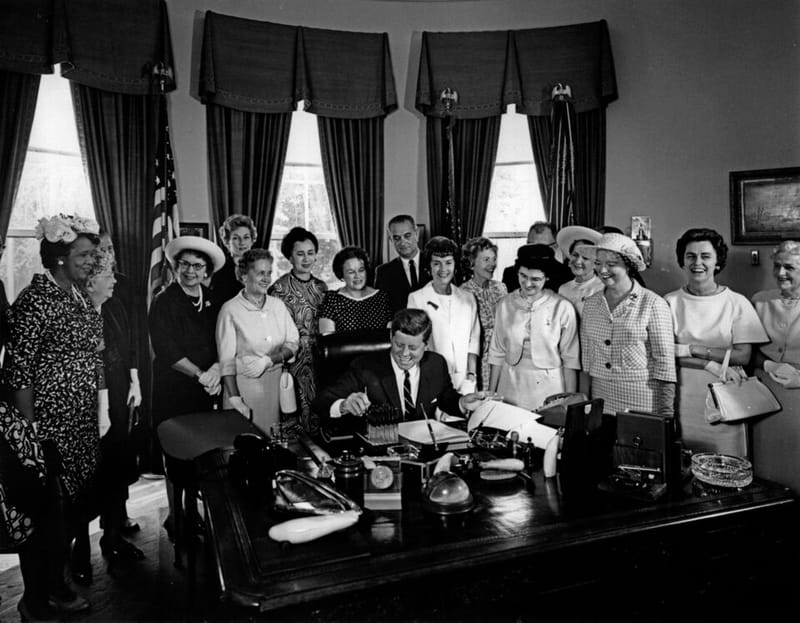
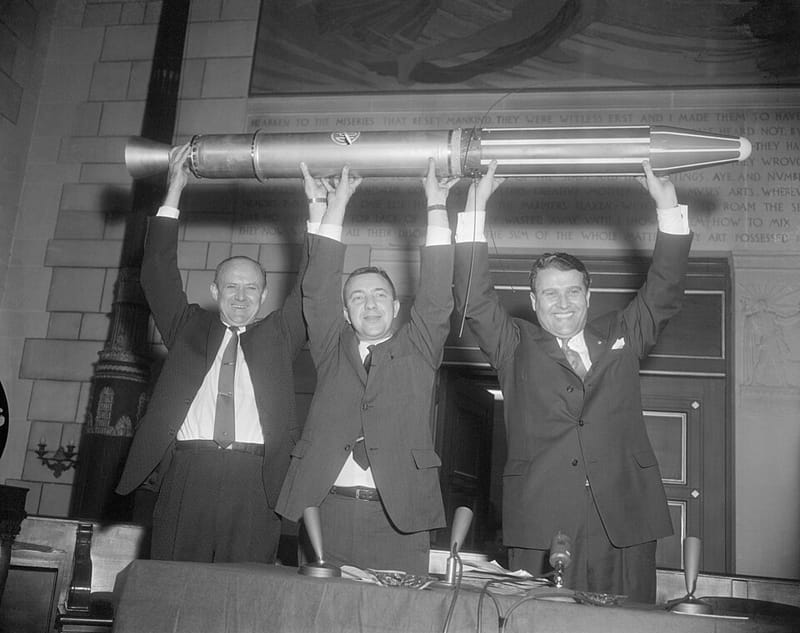
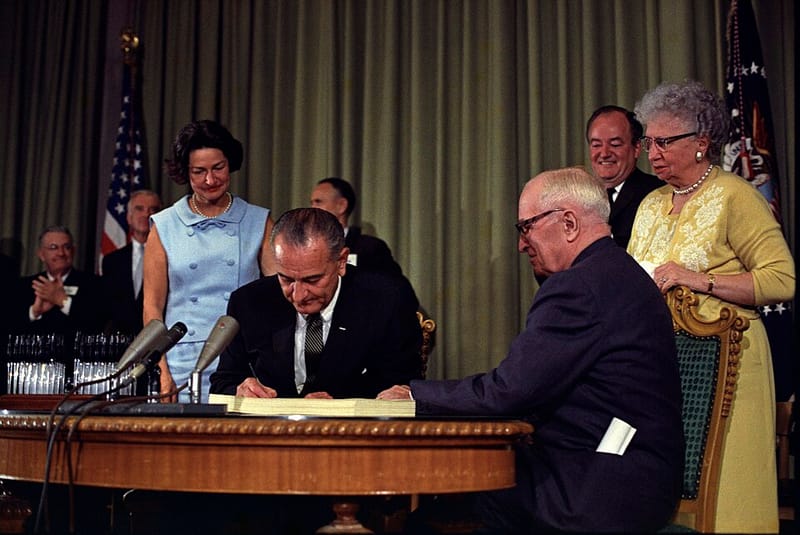
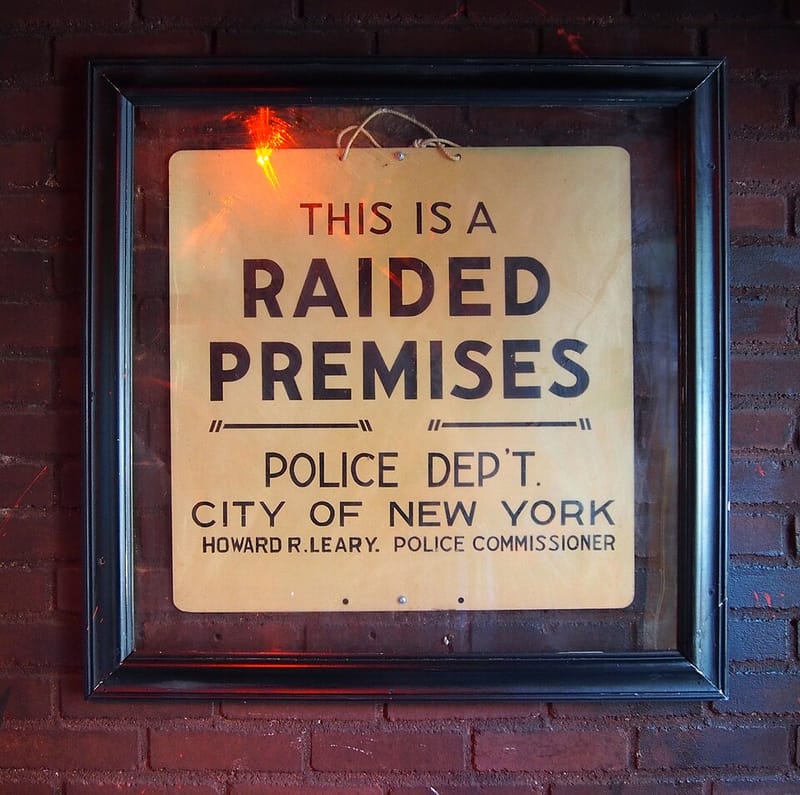
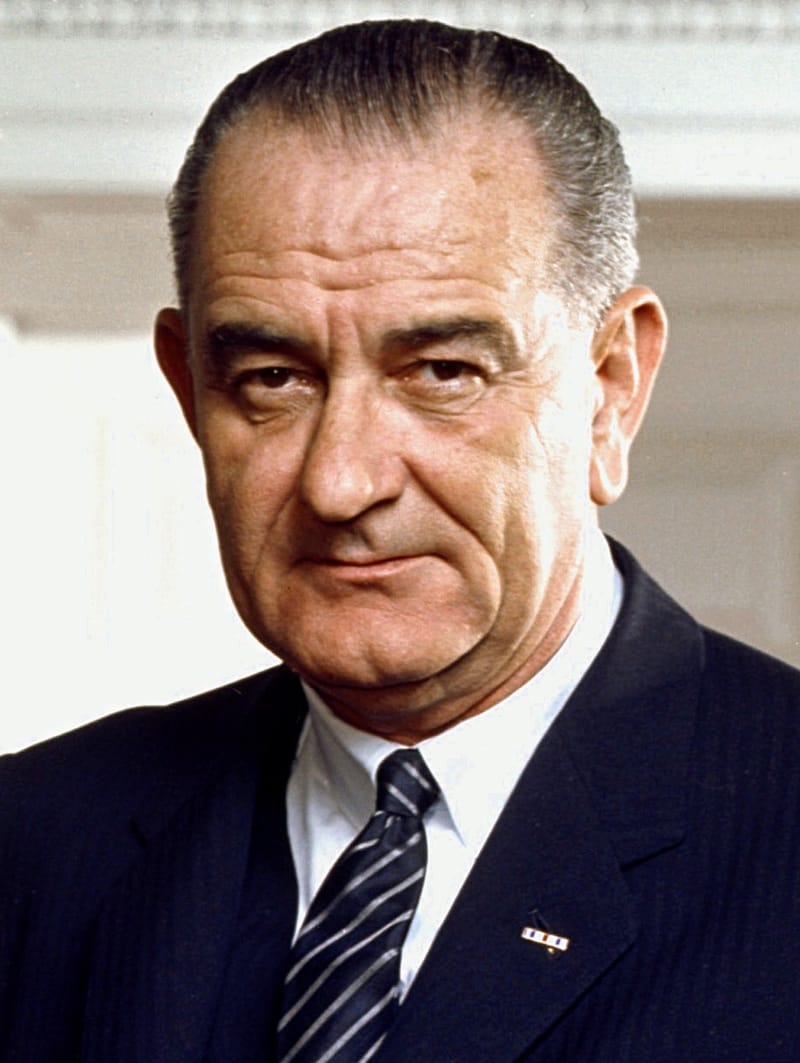
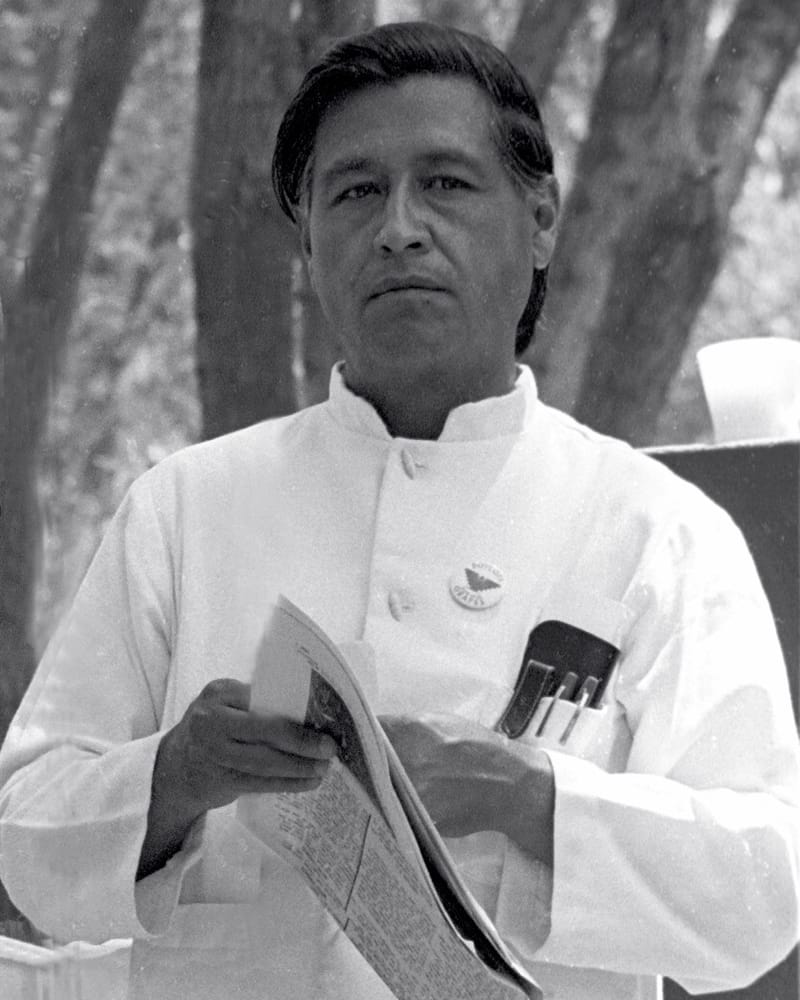
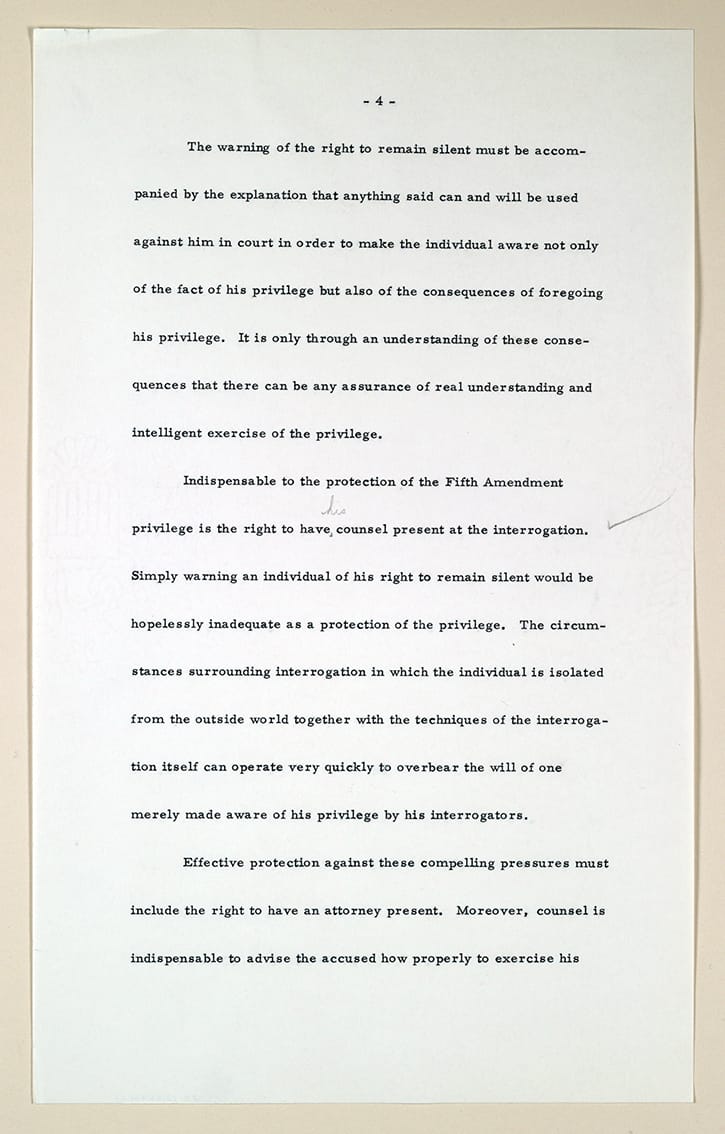
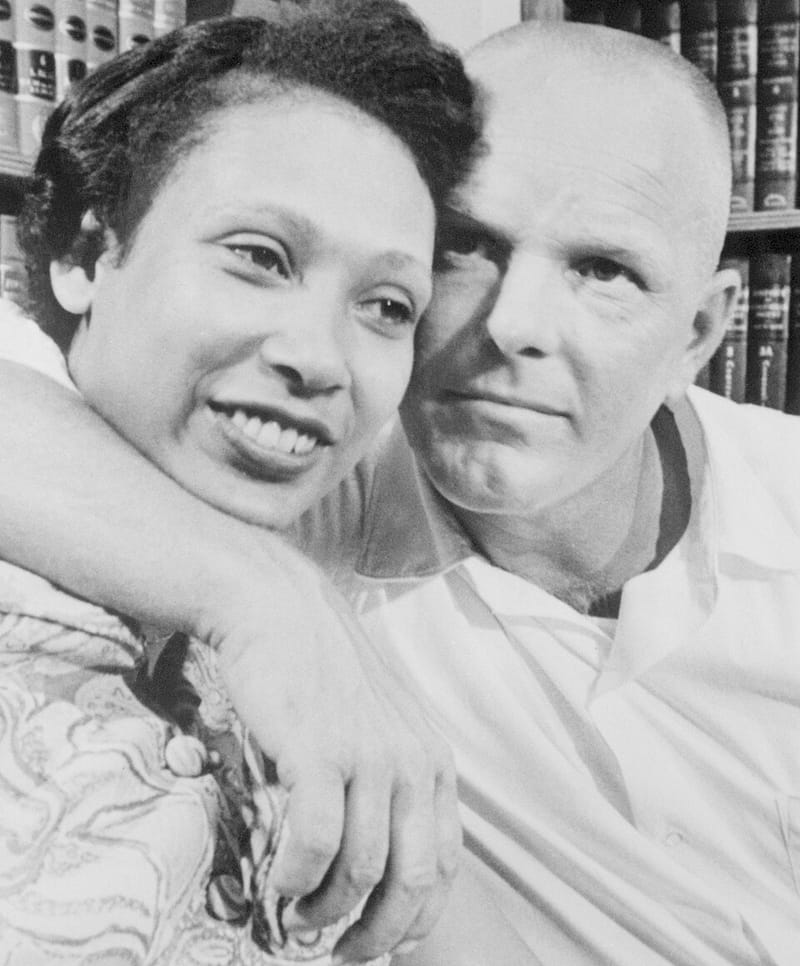
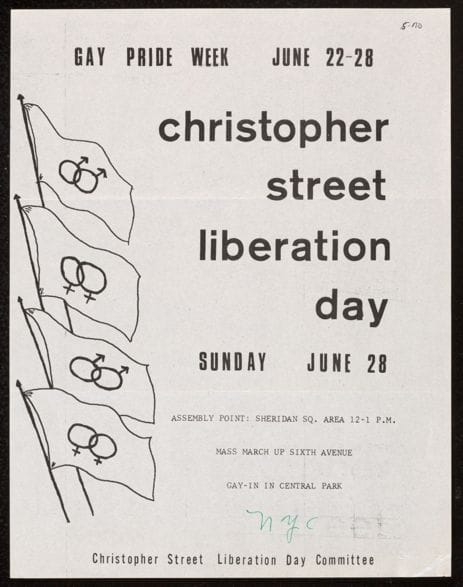
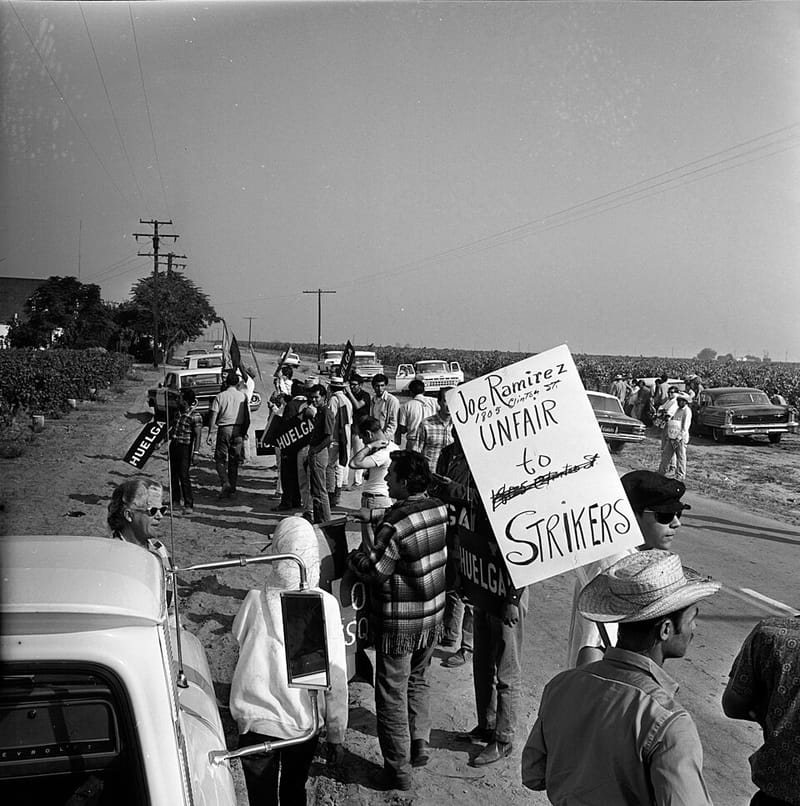
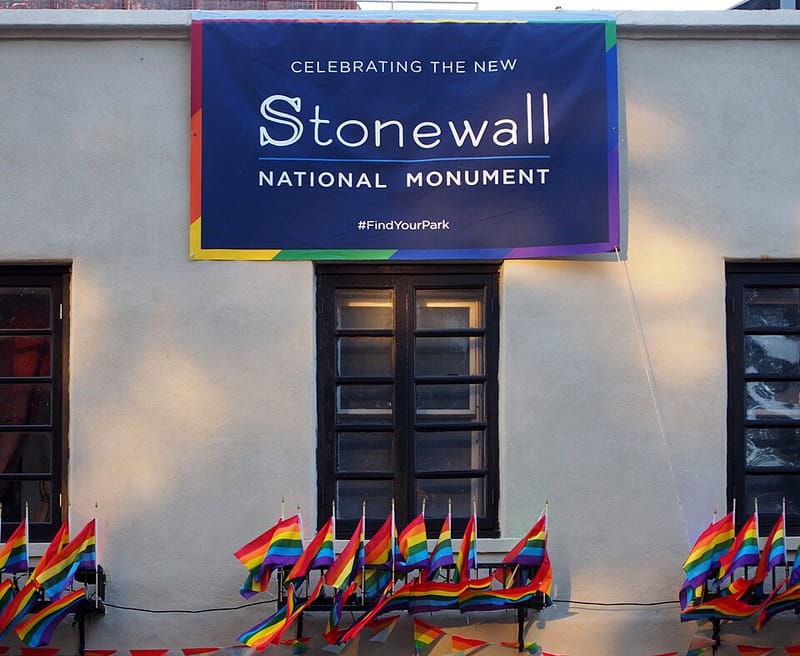
President Lyndon B. Johnson’s Great Society created Medicare, Medicaid, and the War on Poverty, and opened immigration to the world. The Warren Court expanded rights in cases such as Miranda v. Arizona and Loving v. Virginia. Other movements followed: second-wave feminism, the farm workers led by Cesar Chavez, Red Power and the occupation of Alcatraz, the Stonewall uprising and gay liberation, and the environmental movement. In 1969 Apollo 11 landed on the Moon.
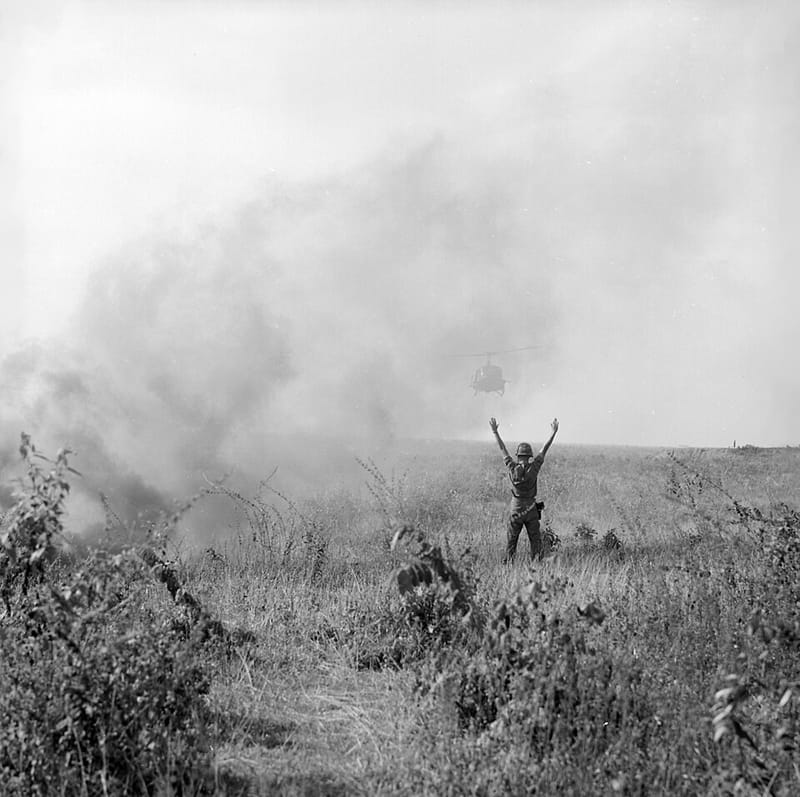
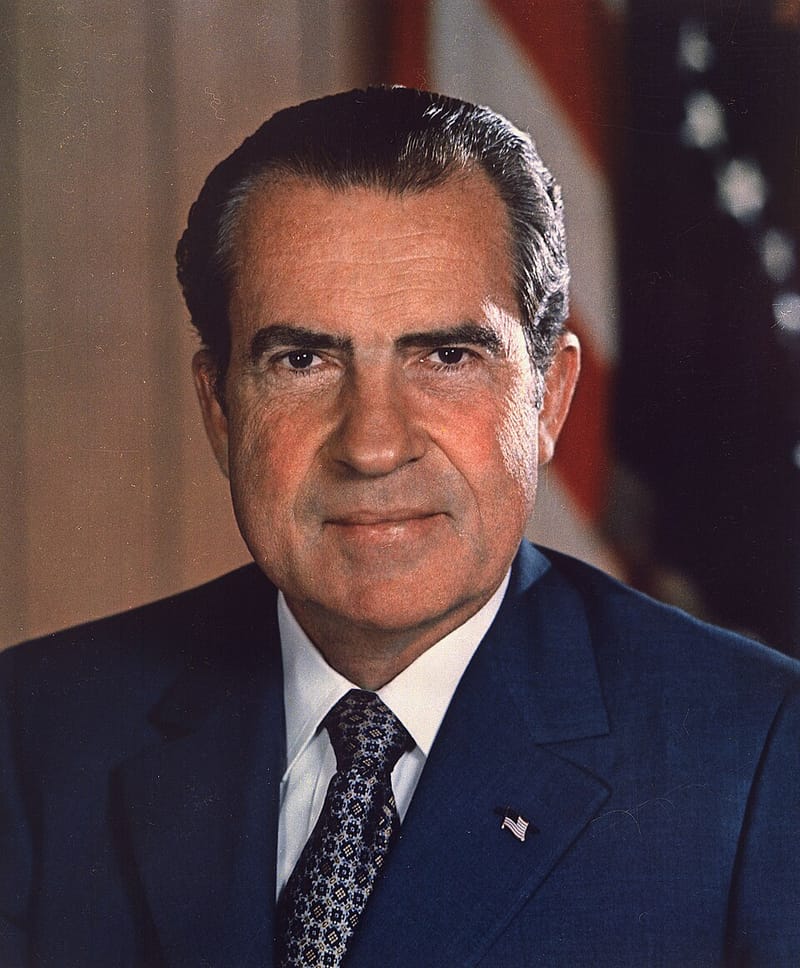
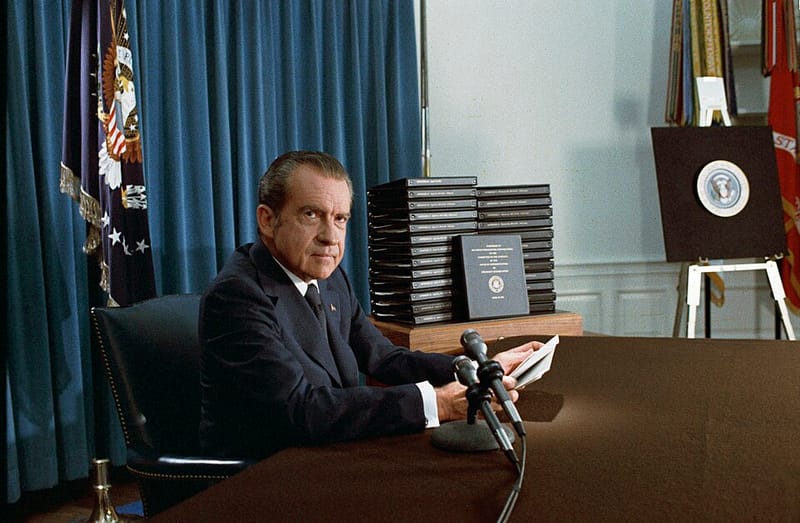
Meanwhile the Vietnam War divided the nation, riots shook cities, and assassinations took King and Robert Kennedy in 1968. The Watergate scandal and United States v. Nixon forced Richard Nixon from office in 1974, and the defeat of the Equal Rights Amendment and the rise of the religious right signaled a conservative turn. Roe v. Wade (1973) opened a long national struggle over abortion.
Highlights


Events and wars



People
Documents and court cases
Movements, institutions, and ideas



Places



Sources for this overview
- The American Yawp, “The Affluent Society” — The American Yawp (eds. Joseph Locke and Ben Wright; Stanford University Press)
- The American Yawp, “The Sixties” — The American Yawp (eds. Joseph Locke and Ben Wright; Stanford University Press)
- The American Yawp, “The Unraveling” — The American Yawp (eds. Joseph Locke and Ben Wright; Stanford University Press)
- Lyndon B. Johnson: Life in Brief — Miller Center, University of Virginia
Atlas by Alexander. More on Telegram.