MovementCivil Rights and Social Transformation
The Environmental Movement
From Silent Spring to Earth Day and the EPA
1962 – c. 1973
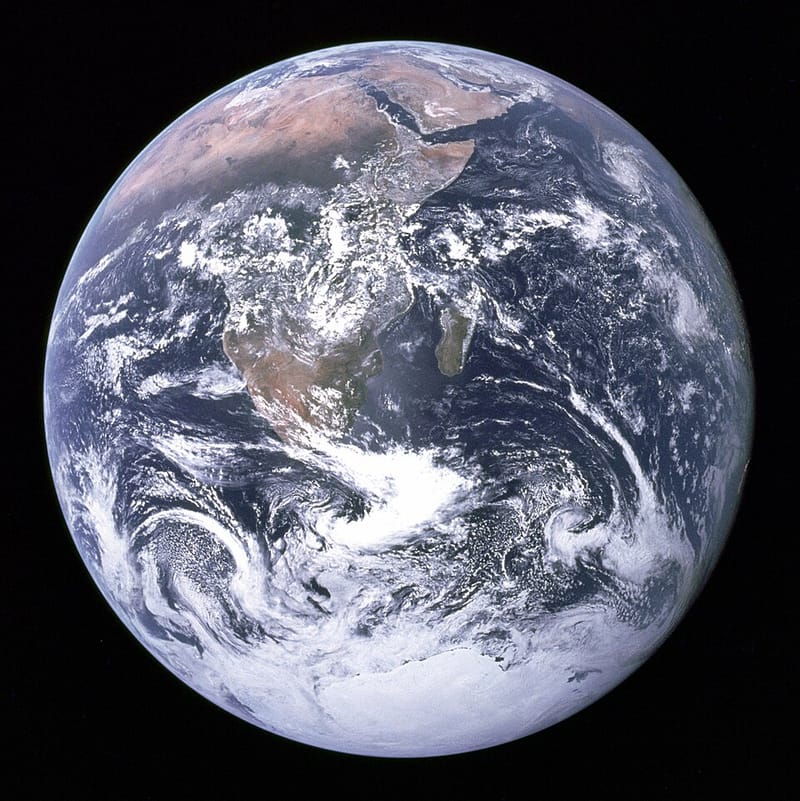
In the 1960s, growing alarm about pollution, pesticides, and the destruction of open space produced a mass environmental movement. Rachel Carson’s Silent Spring (1962) warned of the dangers of pesticides to wildlife and people. The first Earth Day, April 22, 1970, was, in the words of the American Yawp, the largest demonstration in history. A burst of lawmaking followed: the National Environmental Policy Act, the creation of the Environmental Protection Agency in 1970, and new laws to protect air, water, and endangered species.
Key facts
- Date
- 1962 – c. 1973
- Dating note
- From Rachel Carson’s Silent Spring (1962) through the wave of environmental laws of the early 1970s.
- Silent Spring
- Rachel Carson, 1962
- Earth Day
- April 22, 1970
- NEPA
- National Environmental Policy Act, signed 1970; required environmental impact statements
- EPA
- Created 1970; first administrator William Ruckelshaus confirmed December 2, 1970
- Other laws
- Clean Air Act amendments (1970), and laws protecting water and endangered species
Why it matters
The environmental movement made protecting nature and public health a permanent responsibility of the federal government.
Goals
Environmentalists sought clean air and water, controls on pesticides and toxic chemicals, protection of wilderness and wildlife, and government accountability for the environmental effects of its projects.
Strategies
The movement grew from Americans’ postwar enjoyment of the outdoors and from science-based warnings like Carson’s. Dramatic events — such as the Cuyahoga River near Cleveland bursting into flames — drew attention. Activists organized mass demonstrations such as Earth Day and lobbied for legislation at every level of government.
Opposition
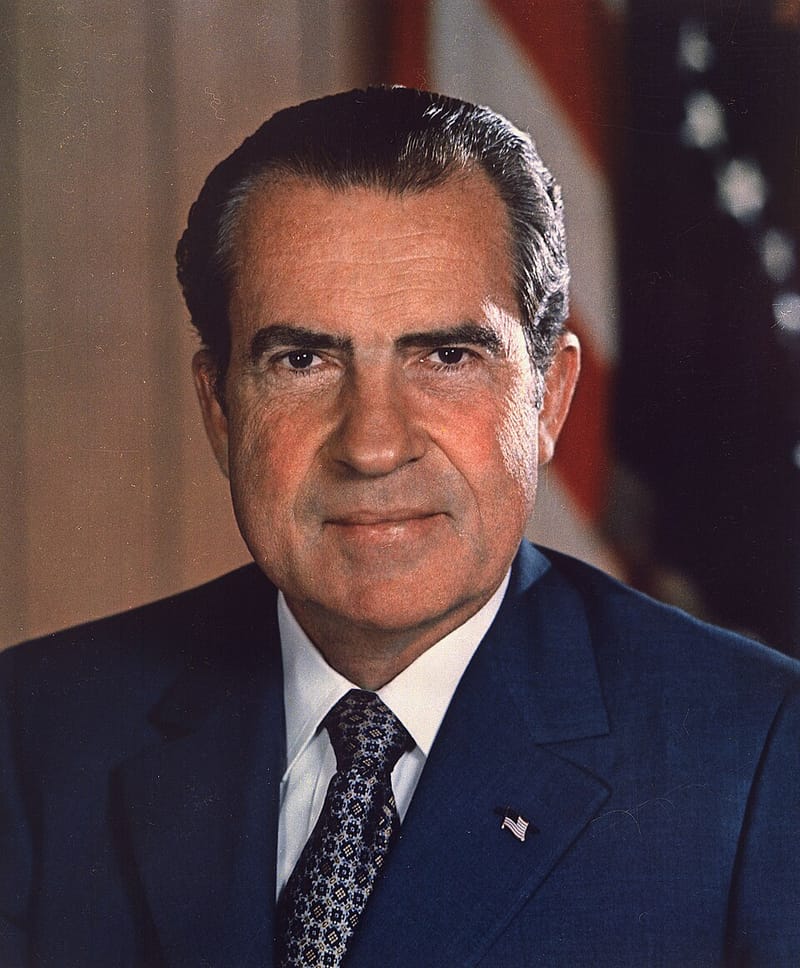
Chemical companies attacked Silent Spring, suggesting it was the product of an emotional woman rather than a scientist. Industries resisted the cost of regulation; President Nixon, while creating the EPA, impounded billions of dollars Congress had authorized for the Clean Air Act and subjected environmental rules to cost-benefit analysis.
Achievements
President Nixon signed the National Environmental Policy Act in 1970, requiring environmental impact statements for federal projects, and created the Environmental Protection Agency. Amendments to the Clean Air Act required reductions in automobile emissions. Laws protecting water, endangered species, and natural areas followed.
Unresolved questions
Debates over the economic costs of regulation, already visible in the Nixon years, have kept environmental policy contested.
Study this entry
Check your understanding
Try answering in your own words, then open the answer.
1.What did the movement want?Show answerHide
Environmentalists sought clean air and water, controls on pesticides and toxic chemicals, protection of wilderness and wildlife, and government accountability for the environmental effects of its projects.From “Goals” above.
2.How did it pursue its goals?Show answerHide
The movement grew from Americans’ postwar enjoyment of the outdoors and from science-based warnings like Carson’s. Dramatic events — such as the Cuyahoga River near Cleveland bursting into flames — drew attention.From “Strategies” above.
3.Who opposed it, and how?Show answerHide
Chemical companies attacked Silent Spring, suggesting it was the product of an emotional woman rather than a scientist.From “Opposition” above.
4.What did it achieve?Show answerHide
President Nixon signed the National Environmental Policy Act in 1970, requiring environmental impact statements for federal projects, and created the Environmental Protection Agency. Amendments to the Clean Air Act required reductions in automobile emissions.From “Achievements” above.
Turn this entry into 11 flashcards (key facts, dates, and why it matters) and review them in Learn.
Related History
How this connects to the rest of the atlas.
Events
People

Sources
- 1.The American Yawp, “The Sixties”
The American Yawp (eds. Joseph Locke and Ben Wright; Stanford University Press) · Scholarly · cited for civil rights, Great Society, Vietnam, social movements
- 2.The Origins of EPA
U.S. Environmental Protection Agency · Institutional · cited for EPA founding, environmental awakening
- 3.Richard Nixon: Domestic Affairs
Miller Center, University of Virginia · Scholarly · cited for environmental policy, Watergate, resignation
Image credits
- The Blue Marble, NASA/Apollo 17 crew; taken by either Harrison Schmitt or Ron Evans, 7 December 1972. Via Wikimedia Commons · Public domain · Source
Written for American History Atlas from the sources above. See how entries are researched.
Atlas by Alexander. More on Telegram.