WarWorld War II and the Early Cold War
The Cold War
The global rivalry between the United States and the Soviet Union, 1947–1991
1947 – December 25, 1991Worldwide: Europe, East Asia, Southeast Asia, Latin America, Africa, the Middle East, and the arms and space races
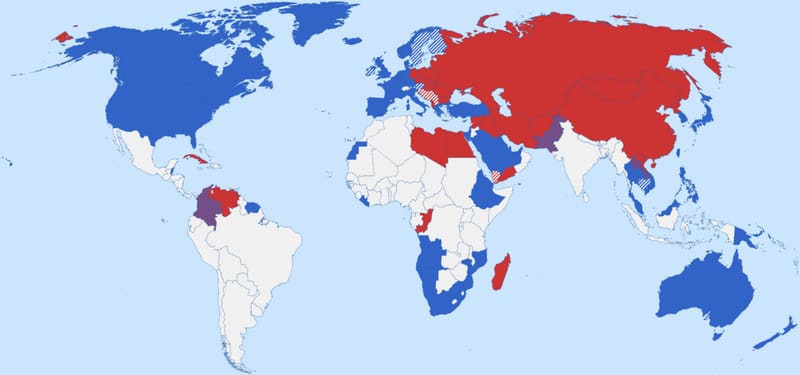
The Cold War was a decades-long struggle for power and influence between the United States and its allies and the Soviet Union and its communist allies. It began as the World War II alliance broke down in the late 1940s and ended with the collapse of the Soviet Union in 1991. The superpowers never fought each other directly, but they waged a nuclear arms race, competed in space, divided Europe, and backed opposing sides in wars from Korea to Vietnam. At home, the Cold War fueled a vast military buildup and a Red Scare that targeted suspected communists.
Key facts
- Date
- 1947 – December 25, 1991
- Location
- Worldwide: Europe, East Asia, Southeast Asia, Latin America, Africa, the Middle East, and the arms and space races
- Dating note
- Commonly dated from the Truman Doctrine and containment policy of 1947 to the dissolution of the Soviet Union in December 1991.
- Strategy
- Containment of Soviet expansion, formulated by George F. Kennan (1947)
- Alliances
- NATO (1949) vs. the Warsaw Pact (1955)
- Closest call
- The Cuban Missile Crisis, October 1962
- End
- The Soviet Union dissolved; Gorbachev resigned December 25, 1991
Why it matters
For more than four decades the Cold War defined American foreign policy, politics, and culture, and the threat of nuclear war hung over the world.
Who fought
The United States led a Western alliance of democracies and capitalist economies, formalized in the North Atlantic Treaty Organization (NATO) in 1949. The Soviet Union dominated the communist states of Eastern Europe, joined in the Warsaw Pact in 1955. Communist China, after 1949, was at times a Soviet ally and at times a rival. As European empires collapsed, the superpowers also competed for influence across Asia, the Middle East, and Africa.
Political background
The Allies of World War II failed to agree on a postwar settlement at Yalta and Potsdam in 1945. The Soviet Union treated the Eastern European countries its armies had occupied as its sphere of influence. Mutual suspicion ran deep: the United States had intervened against the Bolsheviks in the Russian Civil War and refused to recognize the Soviet Union until 1933. The United States’ atomic monopoly ended when the Soviets tested their own bomb in August 1949.
Major phases
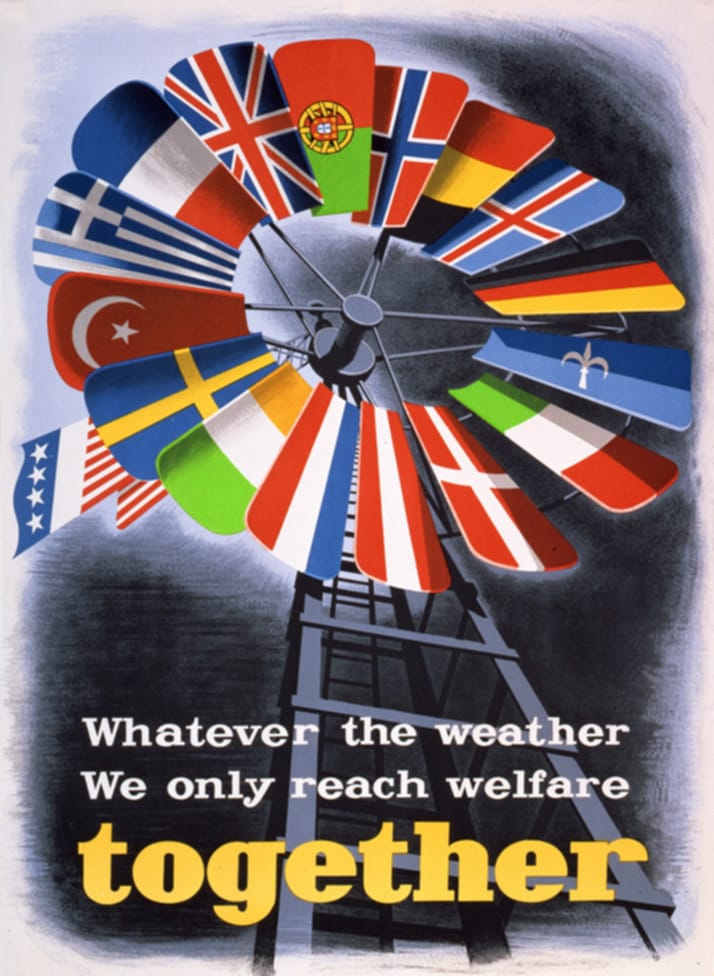
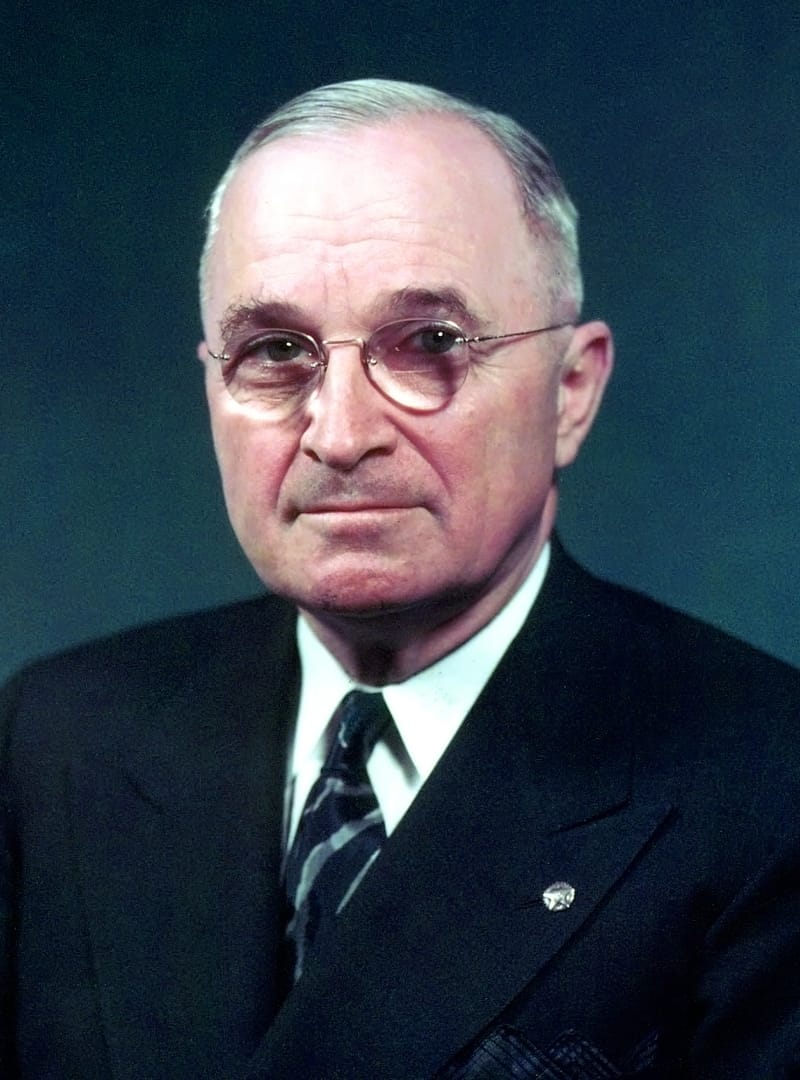
Containment in Europe (1946–1949). In 1947 diplomat George F. Kennan, writing anonymously as “X,” argued for the long-term containment of Soviet power, and President Harry S. Truman pledged in March 1947 to support “free peoples” resisting subjugation, sending aid to Greece and Turkey. The Marshall Plan rebuilt Western Europe. When the Soviets blockaded West Berlin in June 1948, the United States and Britain supplied the city by air until the blockade ended in May 1949. NATO was founded the same year.
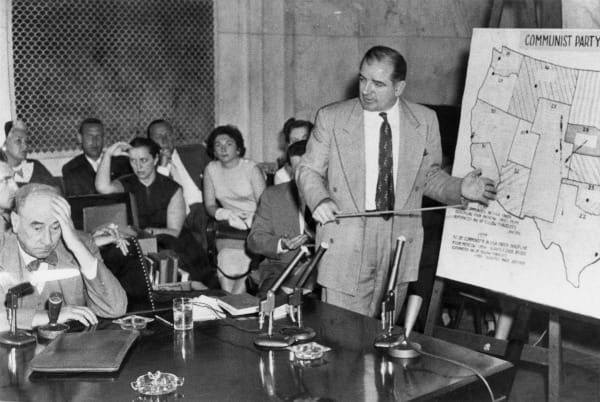
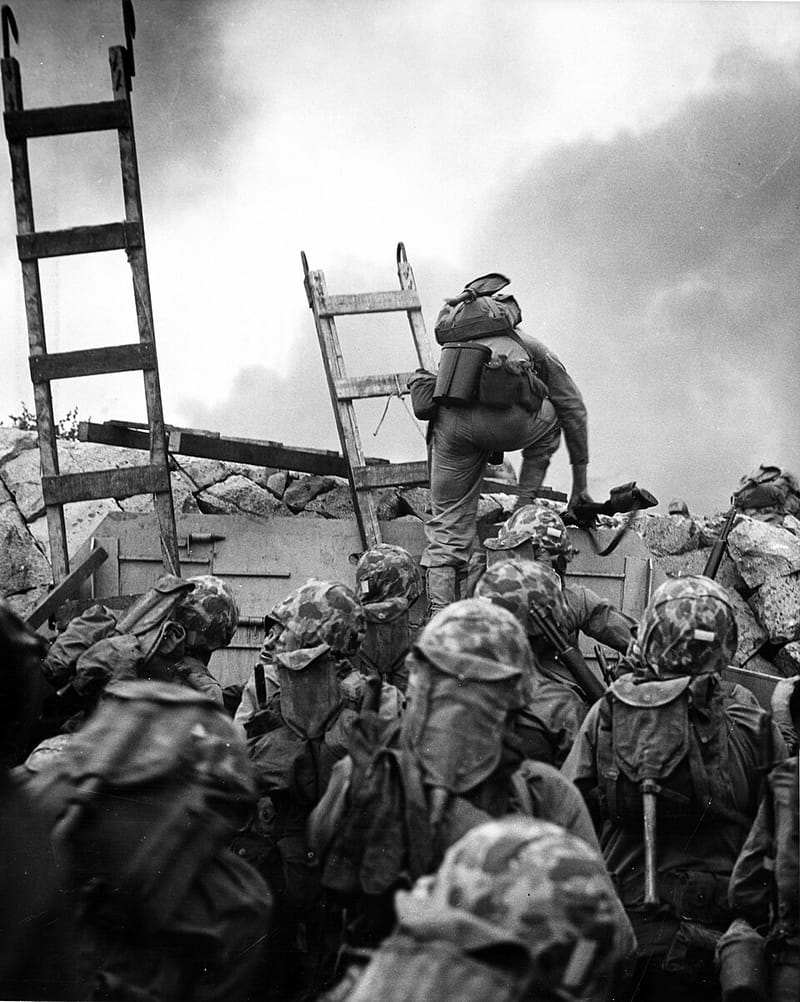
Militarization and Korea (1949–1953). China’s communist revolution and the Soviet bomb in 1949 alarmed Washington. NSC-68 (1950) called for a massive military buildup. When North Korea invaded South Korea in June 1950, the United States led a UN force in the Korean War. At home, fear of subversion fed McCarthyism.
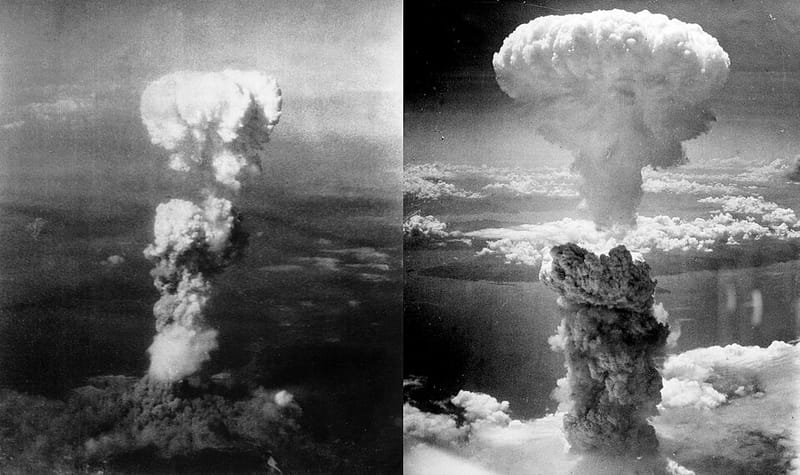
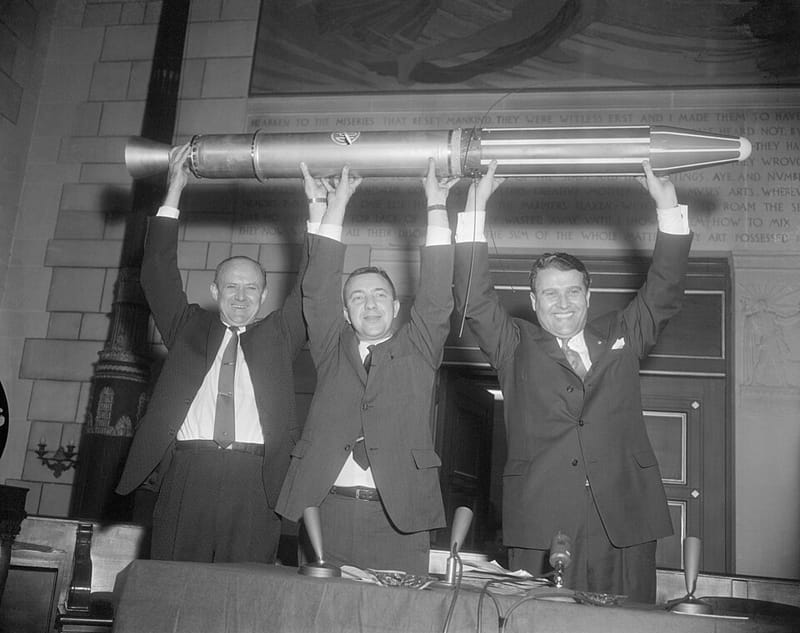
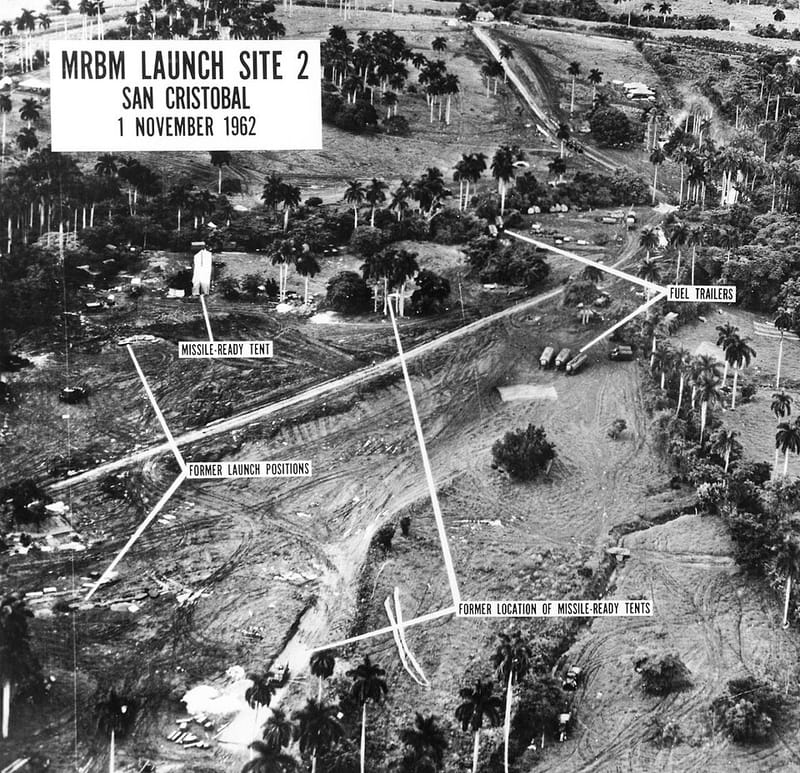
Arms race and brinkmanship (1952–1962). The United States tested the first hydrogen bomb in 1952; the Soviets followed in 1953. The Soviet launch of Sputnik in 1957 set off a space race. In October 1962, the discovery of Soviet nuclear missiles in Cuba brought the superpowers closer to nuclear war than ever before, until Soviet leader Nikita Khrushchev announced on October 28 that the missiles would be dismantled and removed.
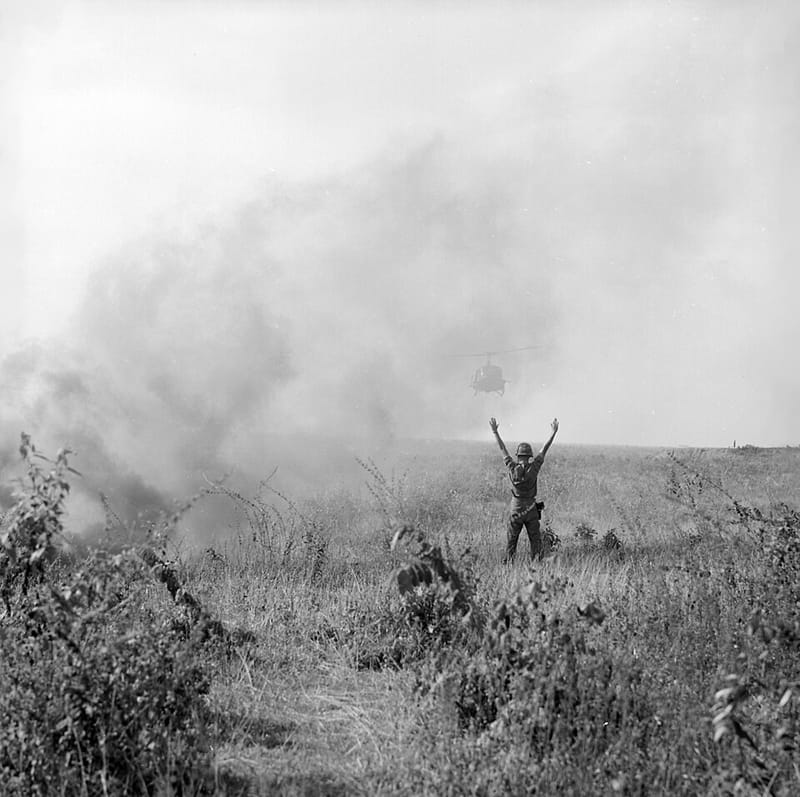
Later phases (1963–1991). The rivalry continued through the Vietnam War and decades of arms competition and negotiation, until Soviet leader Mikhail Gorbachev’s reforms opened the way to the end of the Cold War.
Turning points
- The Truman Doctrine and Marshall Plan (1947–1948): committed the United States to containing communism.
- 1949: the Soviet atomic bomb, the communist victory in China, and the founding of NATO.
- The Korean War (1950–1953): globalized the Cold War and launched a permanent military buildup.
- The Cuban Missile Crisis (1962): the moment the superpowers came closest to nuclear conflict.
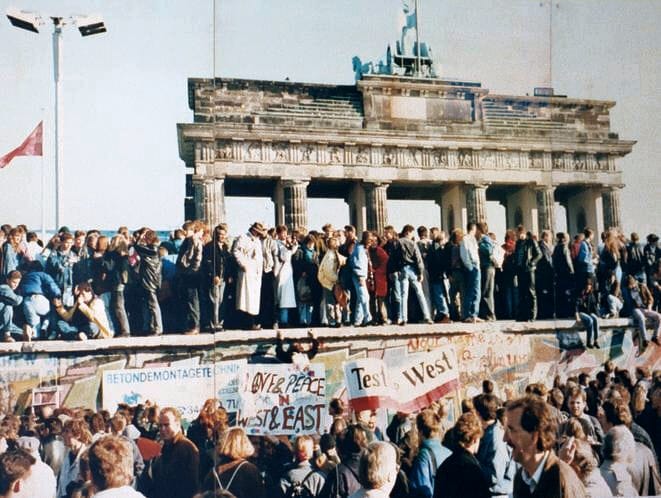
- 1989–1991: the fall of the Berlin Wall and the collapse of the Soviet Union.
Outcome
Communist rule collapsed across Eastern Europe in 1989, Gorbachev accepted German reunification, and after a failed hard-line coup in August 1991 the Soviet Union dissolved. On December 25, 1991, Gorbachev resigned and the Soviet flag was lowered over the Kremlin for the last time.
Consequences for American society
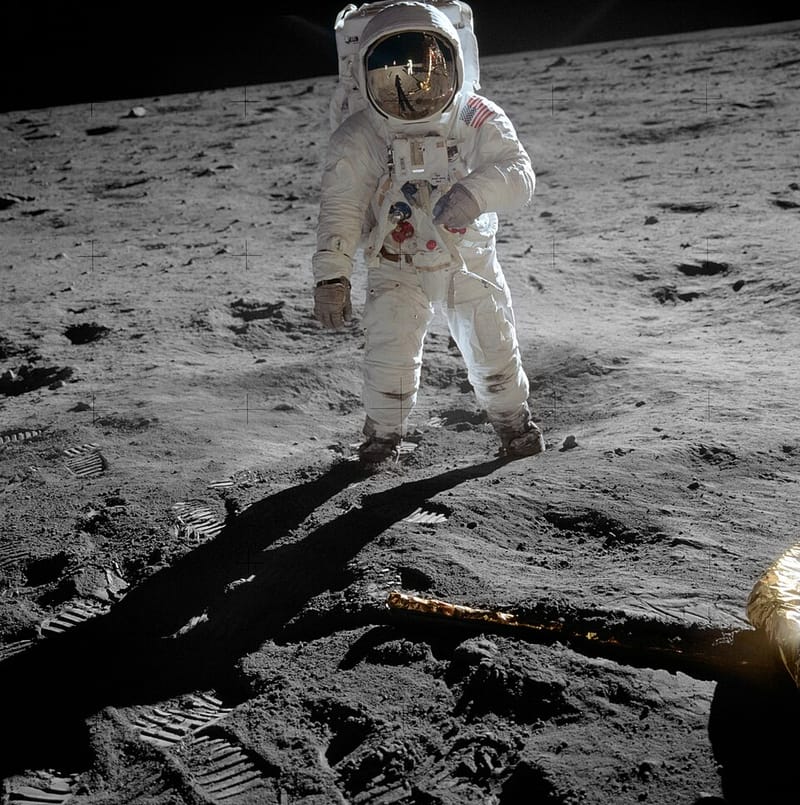
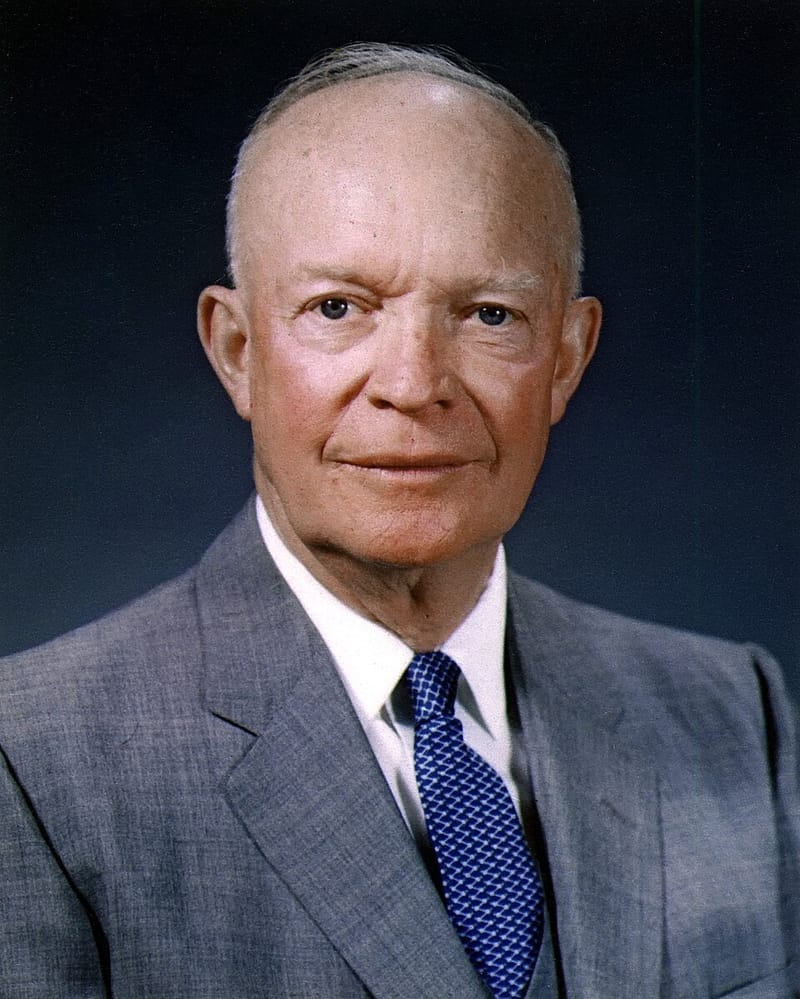
The Cold War reshaped American life. It produced a permanent national security state, a large standing military, and what President Eisenhower in 1961 called the “military-industrial complex.” The space race led to the creation of NASA in 1958. Anticommunism fueled loyalty investigations and was used to attack liberals and civil rights activists. Abroad, NSC-68 called for covert political and psychological warfare as well as military strength, and the United States took on responsibility for maintaining order in regions left by retreating European empires.
Study this entry
Check your understanding
Try answering in your own words, then open the answer.
1.Why did the war begin?Show answerHide
The Allies of World War II failed to agree on a postwar settlement at Yalta and Potsdam in 1945. The Soviet Union treated the Eastern European countries its armies had occupied as its sphere of influence.From “Political background” above.
2.What were the turning points?Show answerHide
- The Truman Doctrine and Marshall Plan (1947–1948): committed the United States to containing communism. - 1949: the Soviet atomic bomb, the communist victory in China, and the founding of NATO. - The Korean War (1950–1953): globalized the Cold War and launched a permanent military buildup. - The Cuban Missile Crisis (1962): the moment the superpowers came closest to nuclear conflict. - 1989–1991: the fall of the Berlin Wall and the collapse of the Soviet Union.From “Turning points” above.
3.How did it end?Show answerHide
Communist rule collapsed across Eastern Europe in 1989, Gorbachev accepted German reunification, and after a failed hard-line coup in August 1991 the Soviet Union dissolved. On December 25, 1991, Gorbachev resigned and the Soviet flag was lowered over the Kremlin for the last time.From “Outcome” above.
4.How did it change American society?Show answerHide
The Cold War reshaped American life. It produced a permanent national security state, a large standing military, and what President Eisenhower in 1961 called the “military-industrial complex.”From “Consequences for American society” above.
Turn this entry into 11 flashcards (key facts, dates, and why it matters) and review them in Learn.
Related History
How this connects to the rest of the atlas.
Events
Wars
People
Institutions
.png)
Sources
- 1.The American Yawp, “The Cold War”
The American Yawp (eds. Joseph Locke and Ben Wright; Stanford University Press) · Scholarly · cited for containment, Marshall Plan, Berlin, NATO, NSC-68, Korea, McCarthyism, arms race
- 2.Kennan and Containment, 1947
U.S. Department of State, Office of the Historian · Institutional · cited for containment
- 3.The Truman Doctrine, 1947
U.S. Department of State, Office of the Historian · Institutional · cited for Truman Doctrine
- 4.Marshall Plan, 1948
U.S. Department of State, Office of the Historian · Institutional · cited for Marshall Plan
- 5.The Berlin Airlift, 1948–1949
U.S. Department of State, Office of the Historian · Institutional · cited for Berlin blockade and airlift
- 6.North Atlantic Treaty Organization (NATO), 1949
U.S. Department of State, Office of the Historian · Institutional · cited for NATO
- 7.NSC-68, 1950
U.S. Department of State, Office of the Historian · Institutional · cited for NSC-68
- 8.The Cuban Missile Crisis, October 1962
U.S. Department of State, Office of the Historian · Institutional · cited for Cuban Missile Crisis
- 9.The Collapse of the Soviet Union
U.S. Department of State, Office of the Historian · Institutional · cited for end of the Soviet Union, 1991
- 10.Harry S. Truman: Life in Brief
Miller Center, University of Virginia (Alonzo L. Hamby) · Scholarly · cited for life and presidency
- 11.The Great Depression and U.S. Foreign Policy
U.S. Department of State, Office of the Historian · Institutional · cited for global dimension, gold standard
Image credits
- Cold War Map (1974), BulhyXwiki, 2023-04-19. Via Wikimedia Commons · CC BY-SA 4.0 · Source
Written for American History Atlas from the sources above. See how entries are researched.
Atlas by Alexander. More on Telegram.