InstitutionWorld War II and the Early Cold War
United Nations
The international organization founded in 1945 to keep the peace
October 24, 1945Charter completed in San Francisco, 1945
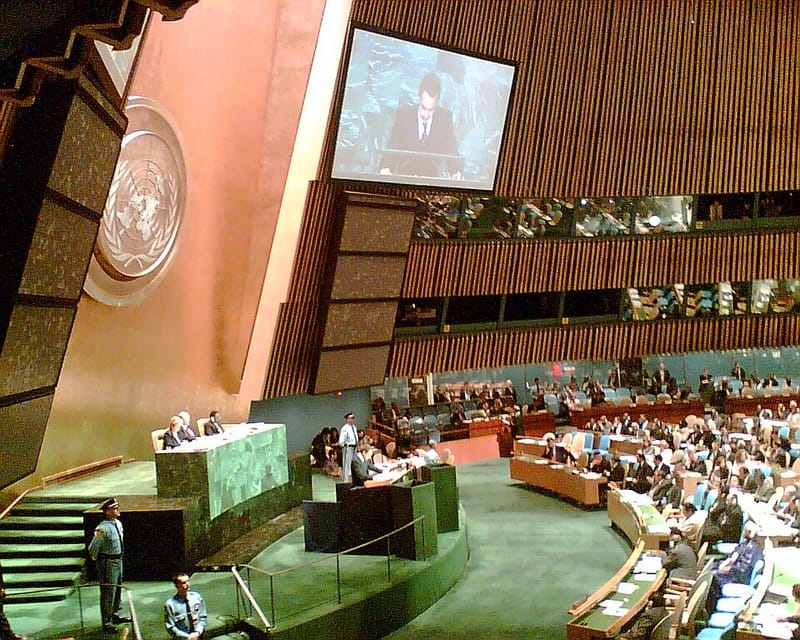
The United Nations was founded in 1945 by the victorious Allies of World War II to prevent future wars through collective security and international cooperation. Unlike the League of Nations after World War I, it had strong American backing: the Senate approved the UN Charter 89 to 2. The United States is one of five permanent members of the Security Council, each holding a veto. The UN has been a central — and often contested — arena of American foreign policy ever since.
Key facts
- Date
- October 24, 1945
- Established
- October 24, 1945
- Location
- Charter completed in San Francisco, 1945
- Founded
- October 24, 1945, after 29 nations ratified the Charter
- Charter conference
- San Francisco, April–June 1945, 50 nations
- U.S. Senate vote
- 89–2, July 28, 1945
- Security Council
- Five permanent members with vetoes — the U.S., Britain, the Soviet Union, China, and France — plus elected members
- Human rights
- Universal Declaration of Human Rights adopted December 10, 1948
Why it matters
The United Nations embodied the American commitment, after two world wars, to lead a rules-based international order rather than retreat from the world.
Origins
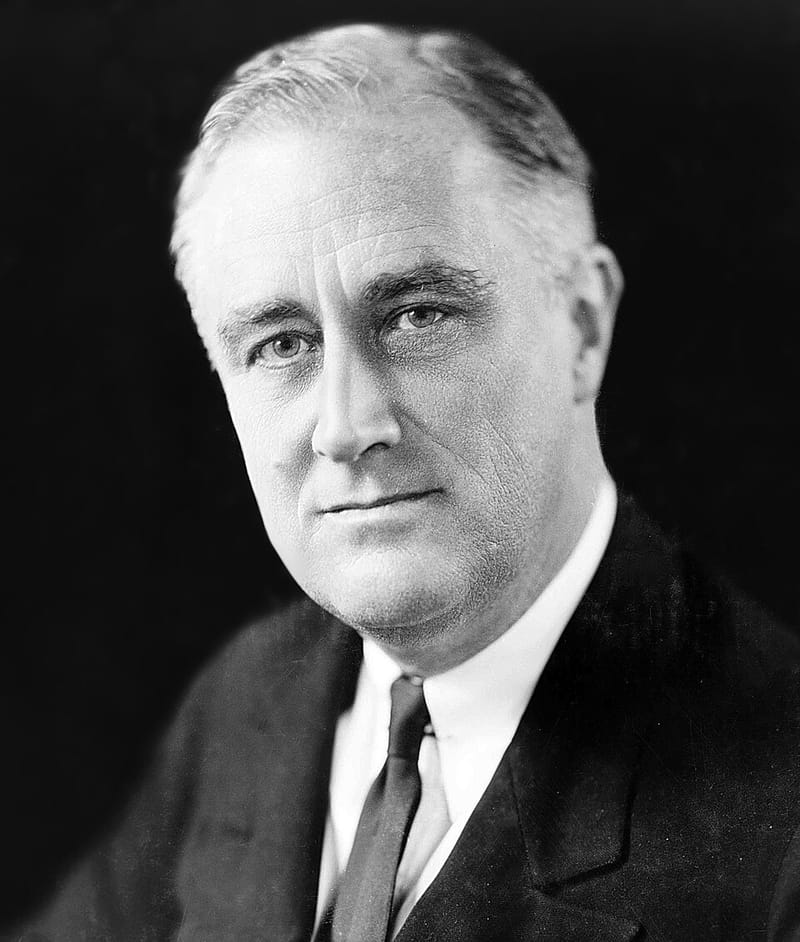
On January 1, 1942, 26 nations at war with the Axis signed the Declaration of the United Nations in Washington, endorsing the Atlantic Charter and pledging not to make a separate peace. Planning continued at Allied conferences: at Tehran in 1943, Roosevelt proposed an organization in which the United States, Britain, the Soviet Union, and China would enforce peace as “four policemen.” At Dumbarton Oaks in Washington in 1944, the four powers drafted a charter, and at Yalta in 1945 Roosevelt and Stalin settled the Security Council voting rules.
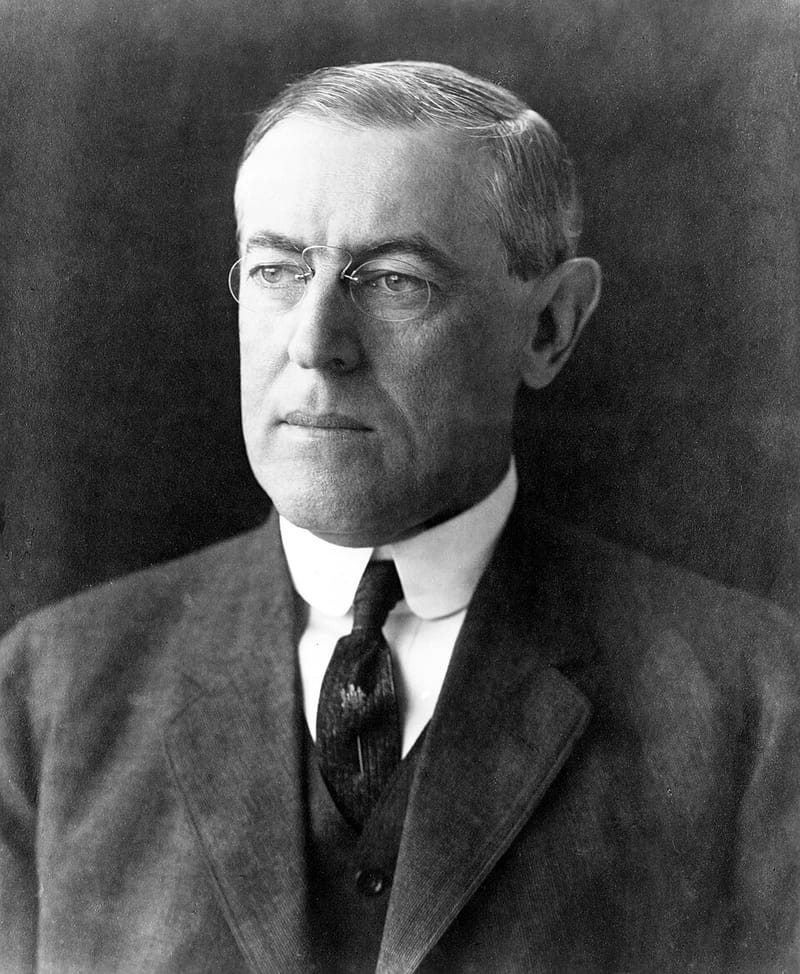
Determined to avoid Woodrow Wilson’s failure with the League of Nations, the Roosevelt administration cultivated bipartisan support; in 1943 the Republican Party endorsed participation, and both houses of Congress overwhelmingly agreed.
Powers and limits
The Charter created a General Assembly of all member states; a Security Council with five permanent members, each holding a veto, and elected non-permanent members; an Economic and Social Council; an International Court of Justice; a Trusteeship Council to oversee certain colonial territories; and a Secretariat headed by a Secretary-General. The organization was built on the principle of collective security.
How it changed over time
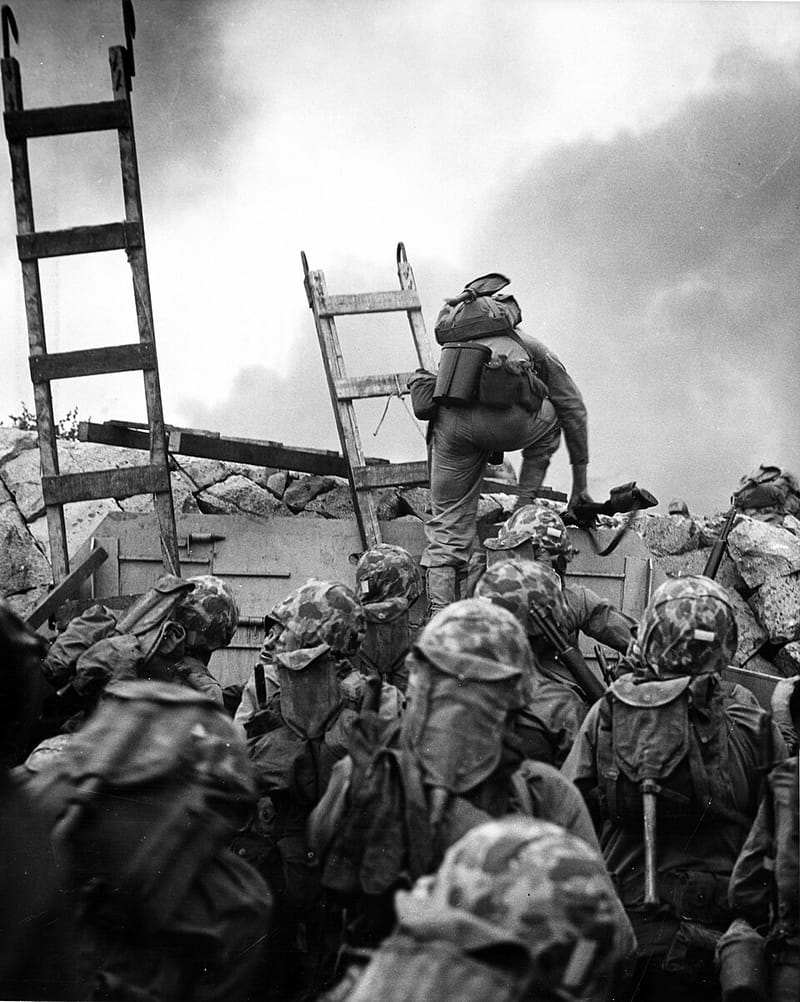
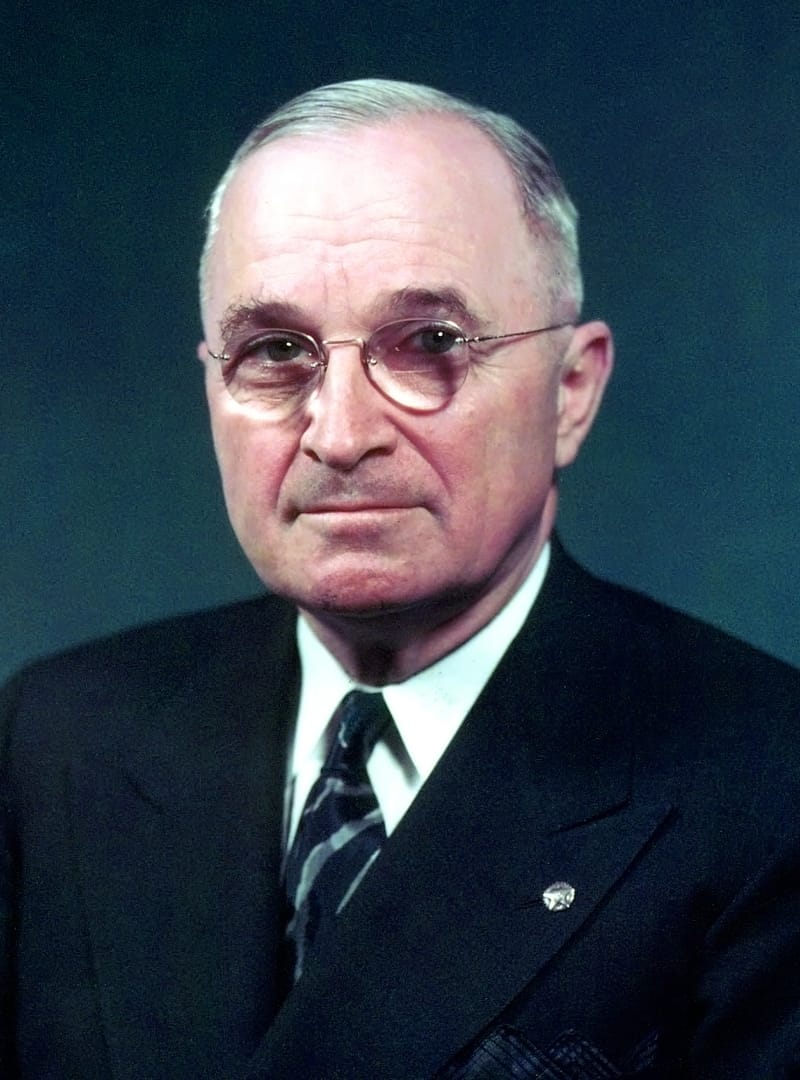
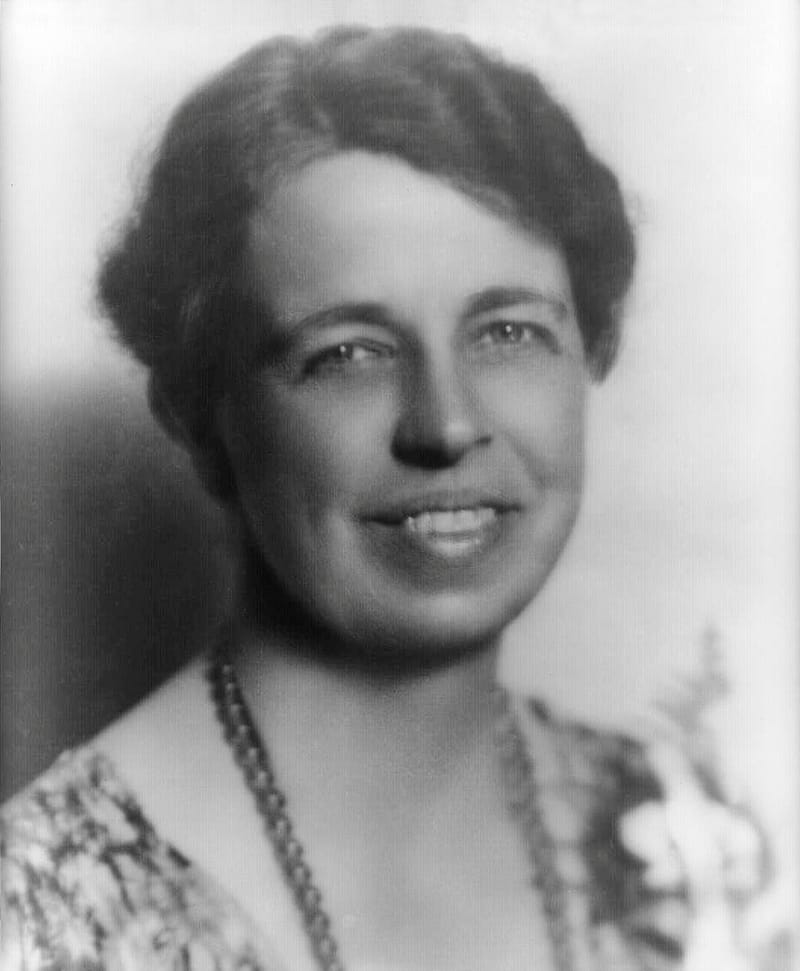
Representatives of 50 nations completed the Charter in San Francisco in the spring of 1945, and the UN came into existence on October 24. Eleanor Roosevelt, appointed to the U.S. delegation by President Truman, chaired the Human Rights Commission that drafted the Universal Declaration of Human Rights, adopted in 1948. In 1950 the UN called on member states to give South Korea military assistance against the North Korean invasion, and a U.S.-led UN force fought the Korean War. The Soviet Union’s permanent seat and veto made the UN an arena of Cold War rivalry.
Study this entry
Check your understanding
Try answering in your own words, then open the answer.
1.Where did it come from?Show answerHide
On January 1, 1942, 26 nations at war with the Axis signed the Declaration of the United Nations in Washington, endorsing the Atlantic Charter and pledging not to make a separate peace.From “Origins” above.
2.What can it do, and what limits it?Show answerHide
The Charter created a General Assembly of all member states; a Security Council with five permanent members, each holding a veto, and elected non-permanent members; an Economic and Social Council; an International Court of Justice; a Trusteeship Council to oversee certain colonial territories; and a Secretariat headed by a Secretary-General.From “Powers and limits” above.
3.How has it changed over time?Show answerHide
Representatives of 50 nations completed the Charter in San Francisco in the spring of 1945, and the UN came into existence on October 24. Eleanor Roosevelt, appointed to the U.S. delegation by President Truman, chaired the Human Rights Commission that drafted the Universal Declaration of Human Rights, adopted in 1948.From “How it changed over time” above.
Turn this entry into 11 flashcards (key facts, dates, and why it matters) and review them in Learn.
Related History
How this connects to the rest of the atlas.
Wars

People

Sources
- 1.The Formation of the United Nations, 1945
U.S. Department of State, Office of the Historian · Institutional · cited for UN founding, Charter, Senate vote
- 2.Eleanor Roosevelt Biography
Franklin D. Roosevelt Presidential Library and Museum (National Archives) · Institutional · cited for life, first lady, My Day, United Nations, chronology
- 3.The American Yawp, “The Cold War”
The American Yawp (eds. Joseph Locke and Ben Wright; Stanford University Press) · Scholarly · cited for containment, Marshall Plan, Berlin, NATO, NSC-68, Korea, McCarthyism, arms race
Image credits
Written for American History Atlas from the sources above. See how entries are researched.
Atlas by Alexander. More on Telegram.