PersonThe Twenties and the Great Depression
Eleanor Roosevelt
First lady, reformer, and champion of human rights
1884–1962
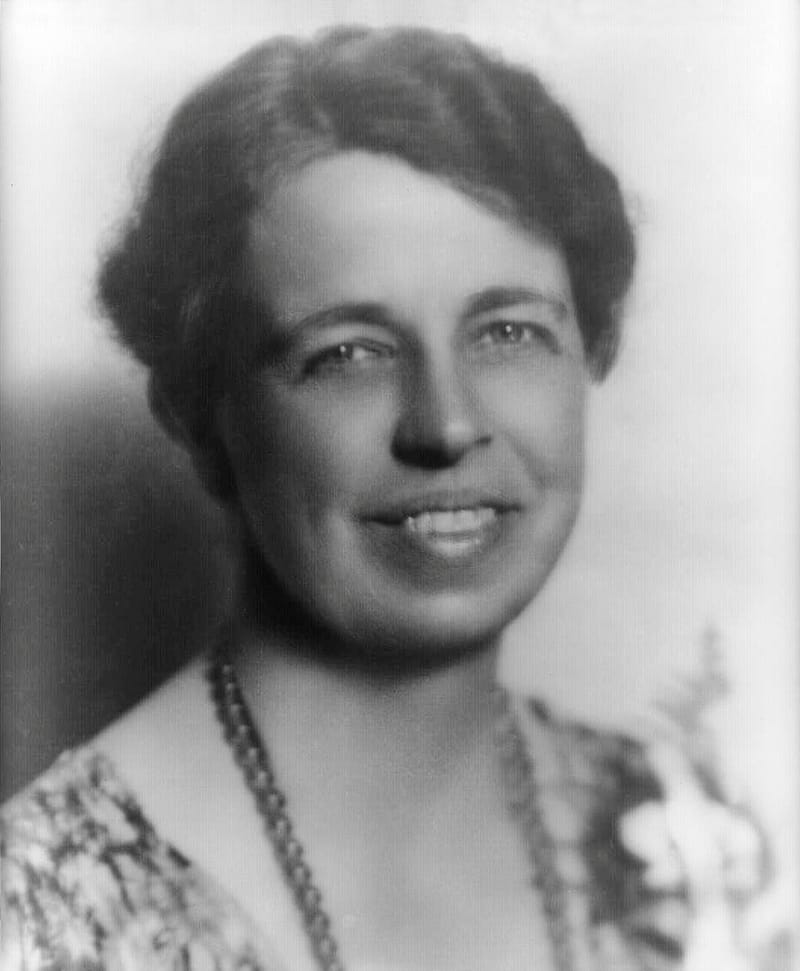
Eleanor Roosevelt transformed the role of First Lady and became, in the words later used of her, the “First Lady of the World.” An orphaned girl from a wealthy family, she grew into a political force in her own right: during Franklin D. Roosevelt’s presidency she traveled the country as his “eyes, ears and legs,” pressed the New Deal to include women and Black Americans, and wrote a daily newspaper column. After his death she represented the United States at the United Nations, where she chaired the Human Rights Commission and helped write the Universal Declaration of Human Rights.
Key facts
- Born
- October 11, 1884, New York City
- Died
- November 7, 1962
- Roles
- First Lady (1933–1945); Delegate to the United Nations; Chair of the UN Human Rights Commission; Chair of the President’s Commission on the Status of Women
- Born
- October 11, 1884, New York City
- Married
- Franklin D. Roosevelt, a fifth cousin once removed, on March 17, 1905
- Column
- “My Day,” 1935–1962
- United Nations
- Chaired the Human Rights Commission; Universal Declaration adopted December 10, 1948
- Died
- November 7, 1962
Why it matters
Eleanor Roosevelt used an unelected position to become one of the most influential reformers of the twentieth century and a founding voice of the international human rights movement.
Early life and context
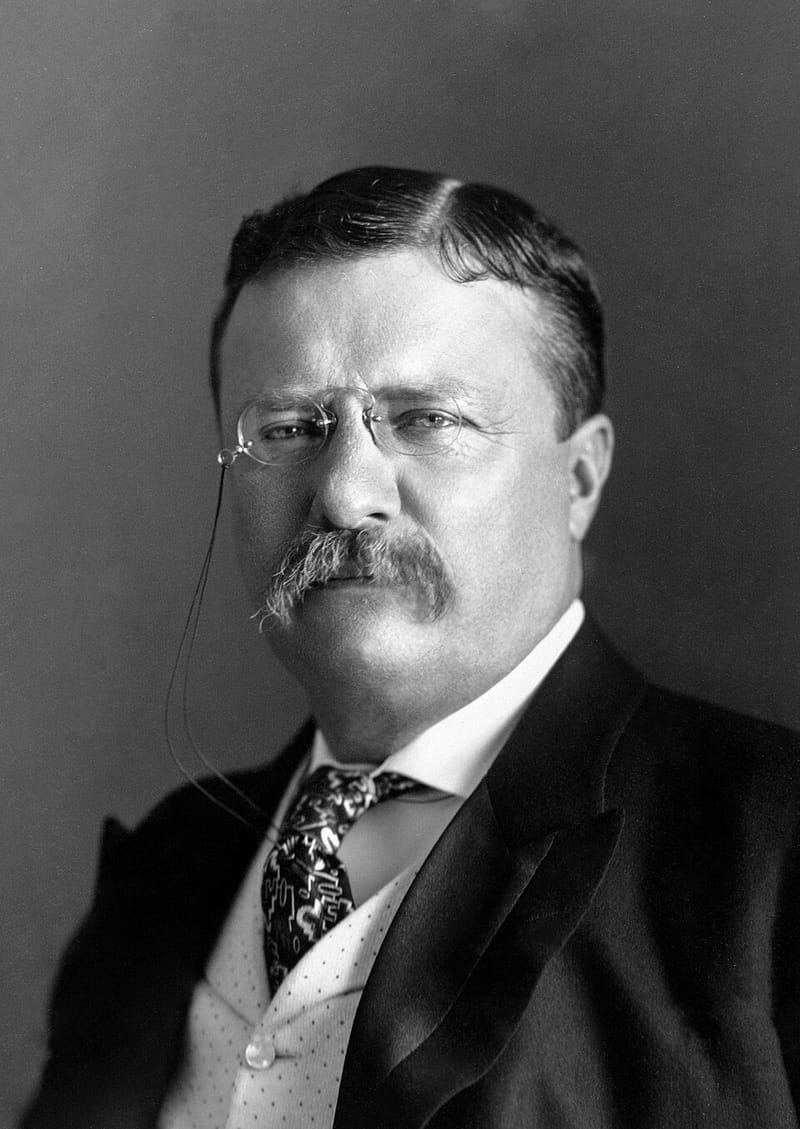
Anna Eleanor Roosevelt was born on October 11, 1884, in New York City, the niece of Theodore Roosevelt. Her privileged childhood was also a sad one: her father struggled with alcoholism, and by the time she was ten her mother, her father, and a brother had died. She was raised by a harsh, critical grandmother who wounded her self-esteem. At fifteen she was sent to Allenswood, a girls’ school near London, where the headmistress, Marie Souvestre, encouraged her independence and opened her mind to social issues. Back in New York she taught immigrant children at the Rivington Street settlement house.
In 1905 she married her distant cousin Franklin Delano Roosevelt; her uncle, President Theodore Roosevelt, gave the bride away. For years she lived under the thumb of her domineering mother-in-law, Sara Roosevelt, and between 1906 and 1916 she bore six children, one of whom died in infancy.
Major actions and achievements
Her public life began in earnest during World War I, when she volunteered with the Red Cross and in Navy hospitals. After Franklin was stricken with polio in 1921, she kept his political career alive while building her own — in the League of Women Voters, the Women’s Trade Union League, and the women’s division of the Democratic Party — and she helped establish Val-Kill Industries, a nonprofit furniture factory, and taught at a girls’ school in New York City. By 1928 she was better known publicly than her husband.
In the White House she told the nation not to expect a symbol of elegance but “plain, ordinary Mrs. Roosevelt” — and became the most politically active First Lady in history. She held the first press conferences by a First Lady, admitting only women reporters; wrote her column “My Day” from 1935 until her death; traveled the country inspecting relief projects and working conditions; and lobbied her husband to appoint women, among them Frances Perkins, the first woman to head the Department of Labor. She championed racial justice, and when the Daughters of the American Revolution barred the singer Marian Anderson from their hall in 1939, she resigned from the organization and helped arrange Anderson’s concert at the Lincoln Memorial for 75,000 people. During World War II she visited England and the South Pacific to lift the morale of American troops.
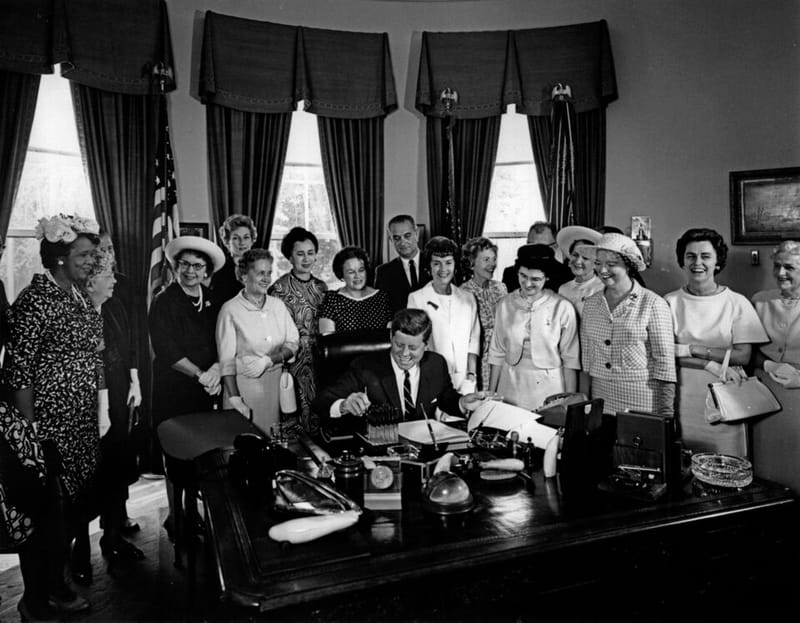
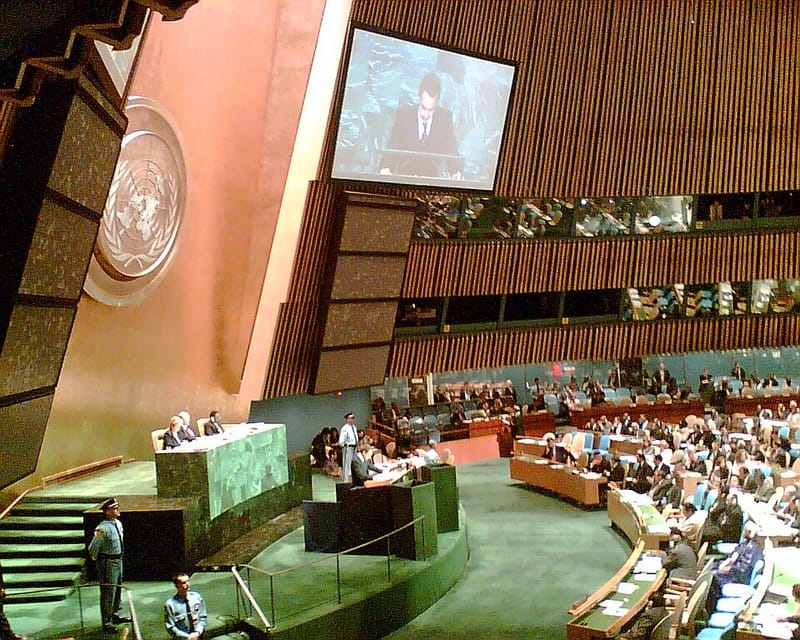
After Franklin’s death in 1945, President Truman appointed her a delegate to the new United Nations. As chair of its Human Rights Commission, she worked tirelessly on the Universal Declaration of Human Rights, adopted on December 10, 1948. President Kennedy later reappointed her to the UN and asked her to chair the President’s Commission on the Status of Women.
Beliefs and ideas
Roosevelt believed government had a duty to the poor, minorities, and the disadvantaged, and that democracy at home and peace abroad depended on human rights for all. Initially wary of women’s suffrage, she became a determined advocate of women’s political participation. She spoke out against McCarthyism in the 1950s and urged faster federal action on housing desegregation and protection for the Freedom Riders.
Controversies, limits, and criticism
Her marriage was strained: in 1918 she discovered that Franklin had had an affair, and while she stayed in the marriage and remained his political partner, she built an increasingly independent life, often at her Val-Kill cottage. Her very public activism was itself new and unsettling for a First Lady; her resignation from the DAR came, as the National Women’s History Museum notes, “with much media fanfare.”
Legacy
Roosevelt died on November 7, 1962, and is buried beside her husband at Hyde Park. The Commission on the Status of Women, which she chaired, released its groundbreaking report on sex discrimination the following year. For decades after her death she ranked at the top of polls of the most respected American women, and in 2023 she was honored on a U.S. quarter that shows the scales of justice, a tribute to her work for human rights.
Study this entry
Check your understanding
Try answering in your own words, then open the answer.
1.What shaped Eleanor Roosevelt early in life?Show answerHide
Anna Eleanor Roosevelt was born on October 11, 1884, in New York City, the niece of Theodore Roosevelt. Her privileged childhood was also a sad one: her father struggled with alcoholism, and by the time she was ten her mother, her father, and a brother had died.From “Early life and context” above.
2.What were Eleanor Roosevelt’s major achievements?Show answerHide
Her public life began in earnest during World War I, when she volunteered with the Red Cross and in Navy hospitals.From “Major actions and achievements” above.
3.What criticism or controversy surrounds Eleanor Roosevelt?Show answerHide
Her marriage was strained: in 1918 she discovered that Franklin had had an affair, and while she stayed in the marriage and remained his political partner, she built an increasingly independent life, often at her Val-Kill cottage.From “Controversies, limits, and criticism” above.
4.How is Eleanor Roosevelt remembered?Show answerHide
Roosevelt died on November 7, 1962, and is buried beside her husband at Hyde Park. The Commission on the Status of Women, which she chaired, released its groundbreaking report on sex discrimination the following year.From “Legacy” above.
Turn this entry into 9 flashcards (key facts, dates, and why it matters) and review them in Learn.
Related History
How this connects to the rest of the atlas.
Events
People
Documents
Movements

Sources
- 1.Eleanor Roosevelt Biography
Franklin D. Roosevelt Presidential Library and Museum (National Archives) · Institutional · cited for life, first lady, My Day, United Nations, chronology
- 2.Eleanor Roosevelt
National Women’s History Museum · Institutional · cited for biography
- 3.The American Yawp, “The Great Depression”
The American Yawp (eds. Joseph Locke and Ben Wright; Stanford University Press) · Scholarly · cited for crash, Depression, New Deal, Dust Bowl
- 4.Eleanor Roosevelt
National Park Service · Institutional · cited for marriage, children, political work, First Lady, UN
Image credits
- Eleanor Roosevelt portrait 1933, Unknown author Unknown author, 1933-07-20. Via Wikimedia Commons · Public domain · Source
Written for American History Atlas from the sources above. See how entries are researched.
Atlas by Alexander. More on Telegram.