Period 10 · 1920–1939
The Twenties and the Great Depression
The 1920s brought cars, radio, movies, jazz, and easy credit — and also Prohibition, immigration restriction, a revived Ku Klux Klan, and racial violence. The boom ended in the crash of 1929 and the Great Depression, the worst economic collapse in American history. Franklin D. Roosevelt’s New Deal answered with an unprecedented expansion of federal power.
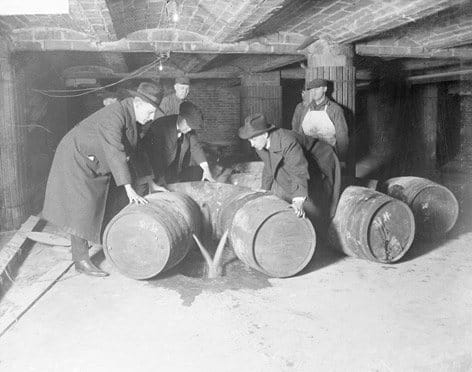
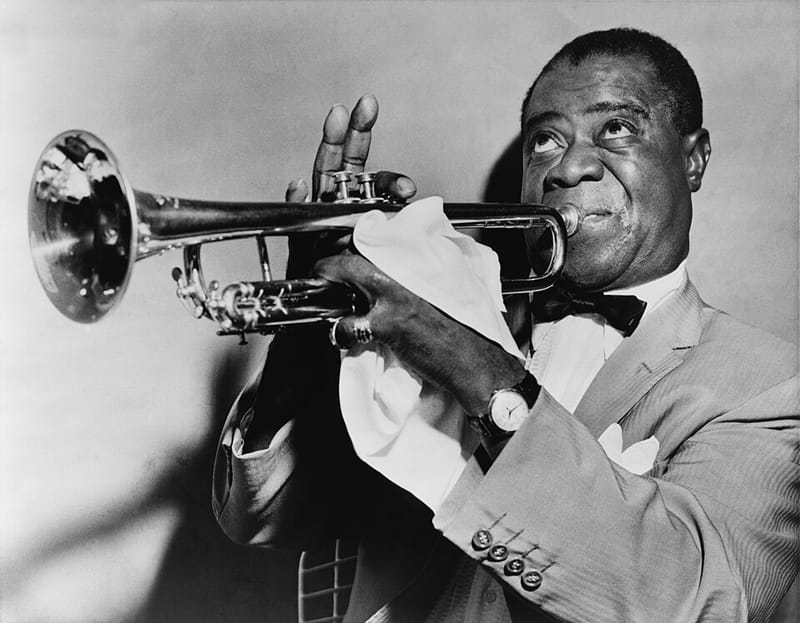
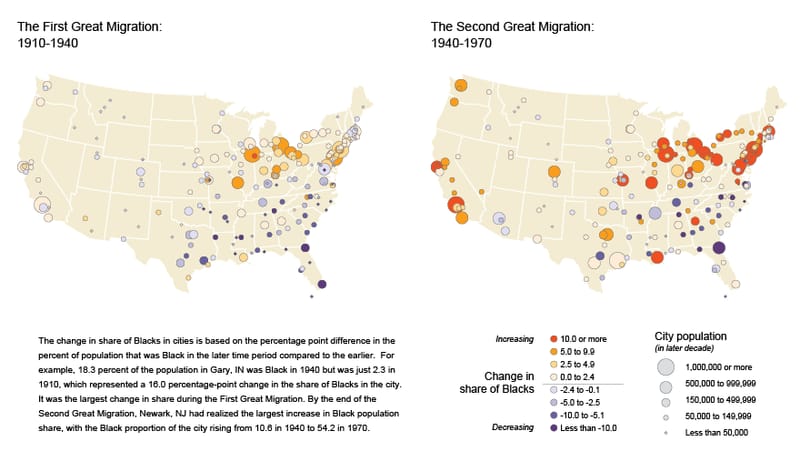
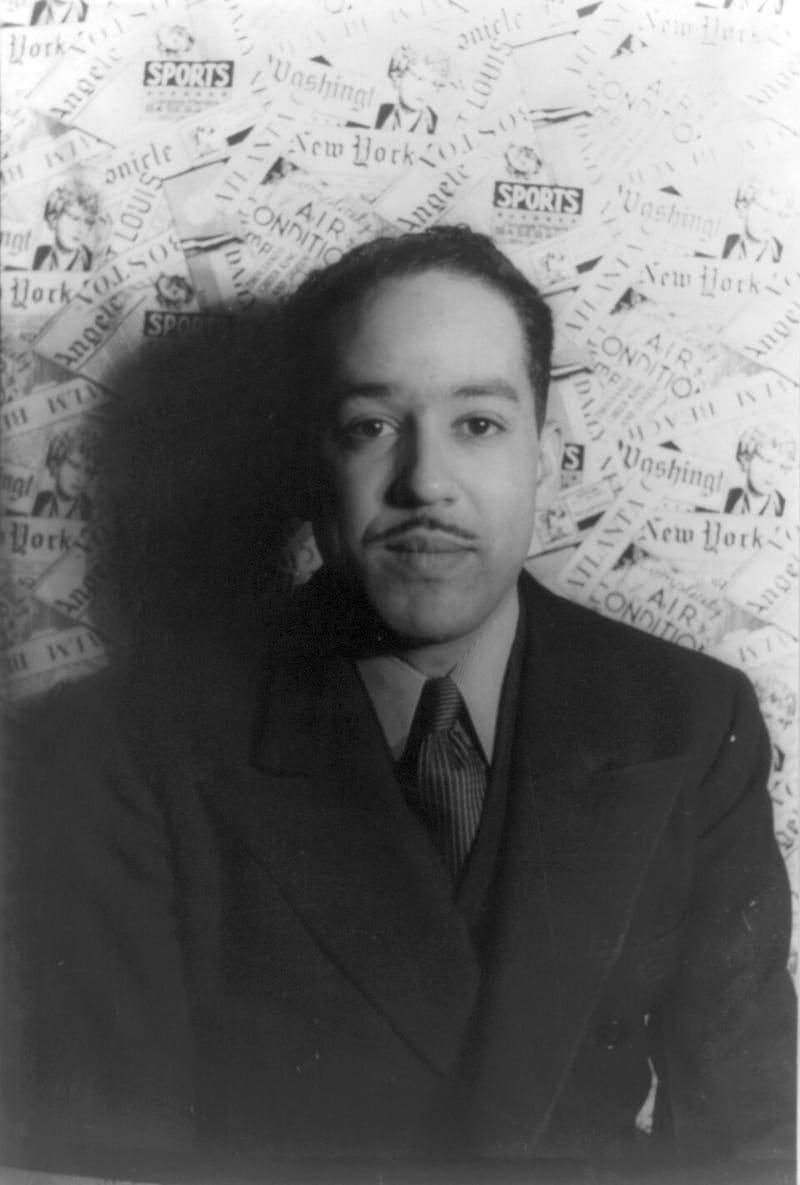
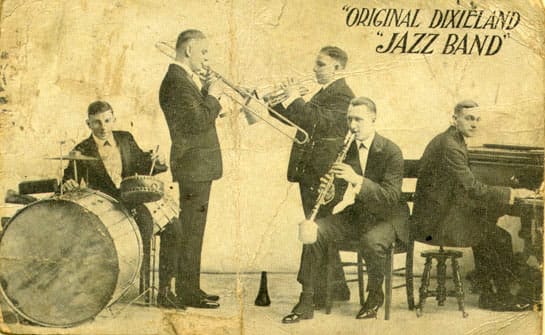
The decade after World War I was called the New Era, the Jazz Age, and the Roaring Twenties. The mass production of automobiles, appliances, films, and radios fueled a new consumer economy; by 1927 more than 60 percent of cars were bought on credit. Young women claimed new freedoms, and Prohibition gave rise to speakeasies and bootlegging. In Harlem, the Harlem Renaissance and the “New Negro” movement produced a flowering of Black literature, art, and music, fed by the Great Migration.
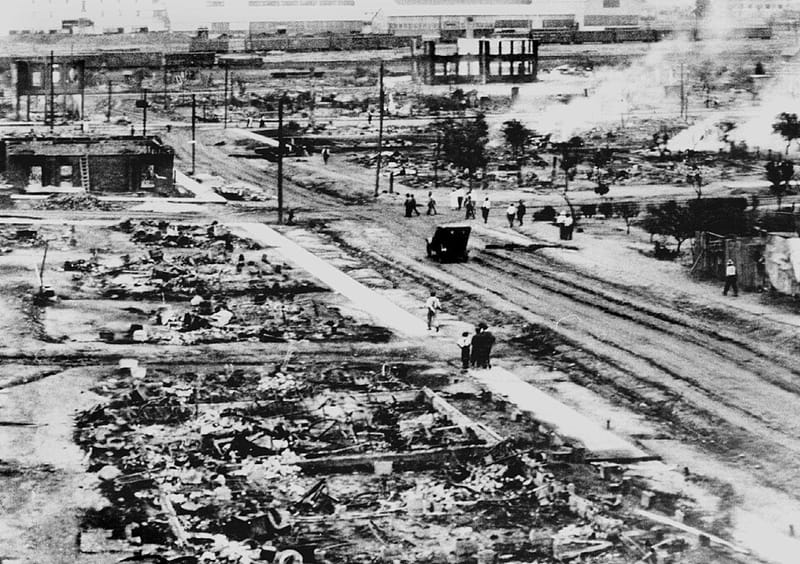
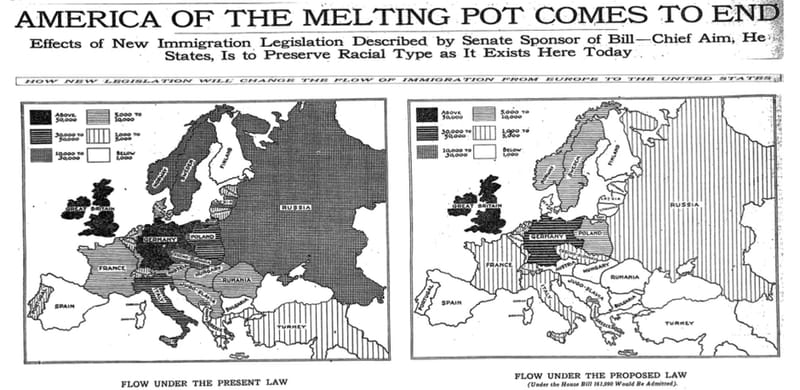
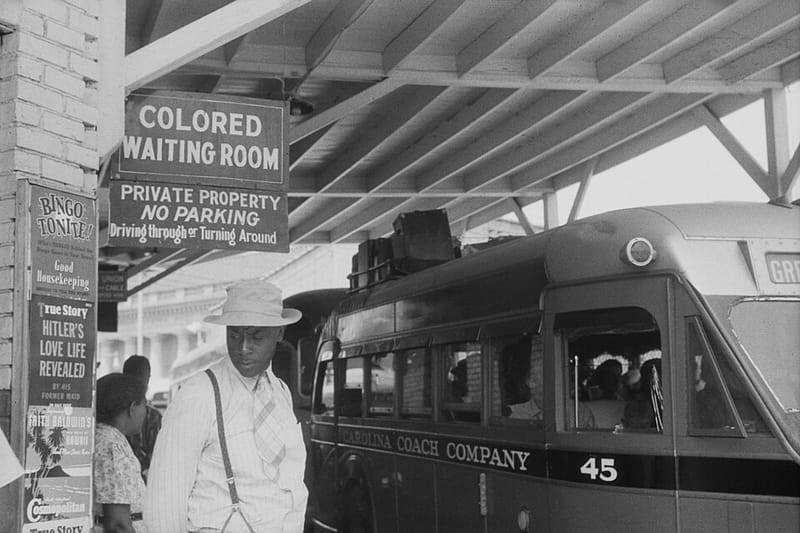
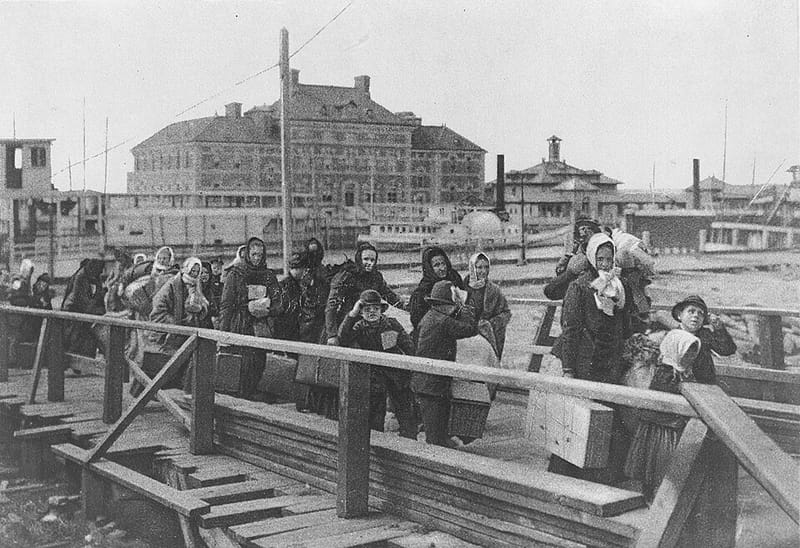
Many Americans recoiled from these changes. A revived Ku Klux Klan claimed between four and five million members at its peak. White mobs destroyed Tulsa’s Black Greenwood District in the Tulsa Race Massacre of 1921. Congress drastically limited immigration from southern and eastern Europe and barred Asians with the Immigration Act of 1924. Fundamentalists and modernists clashed over evolution in the 1925 Scopes trial in Tennessee.
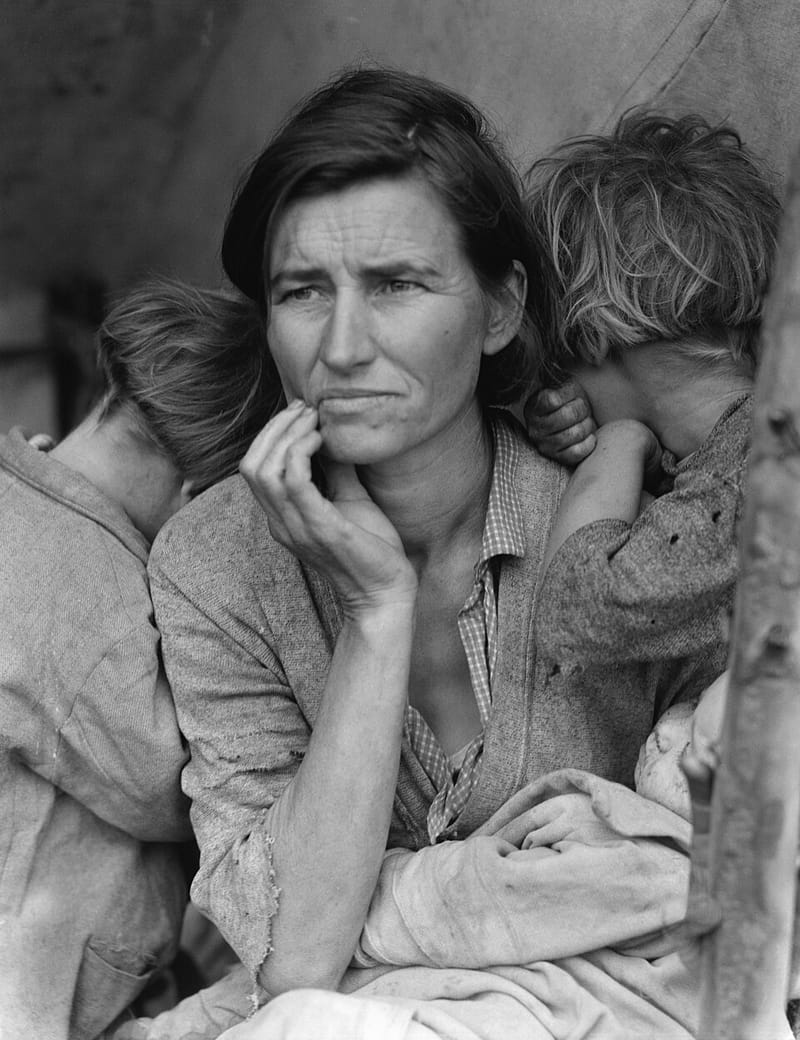
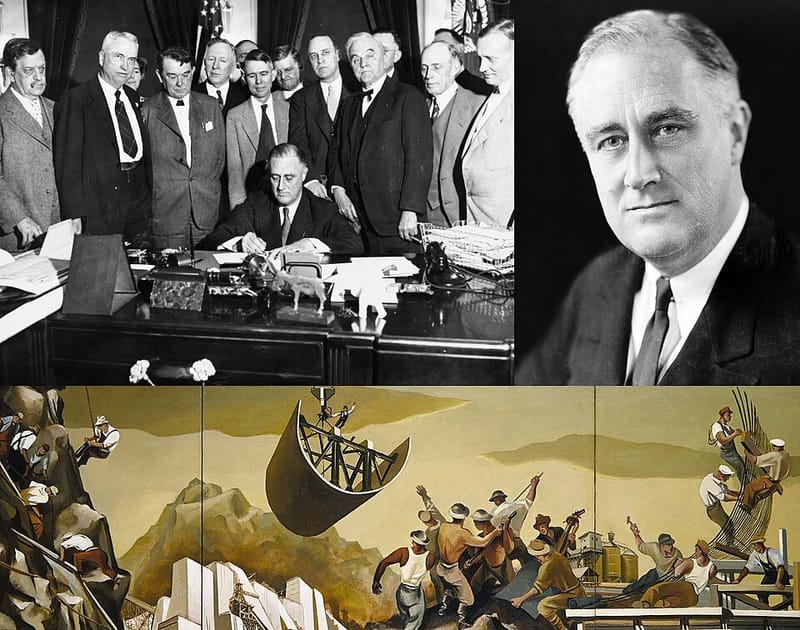
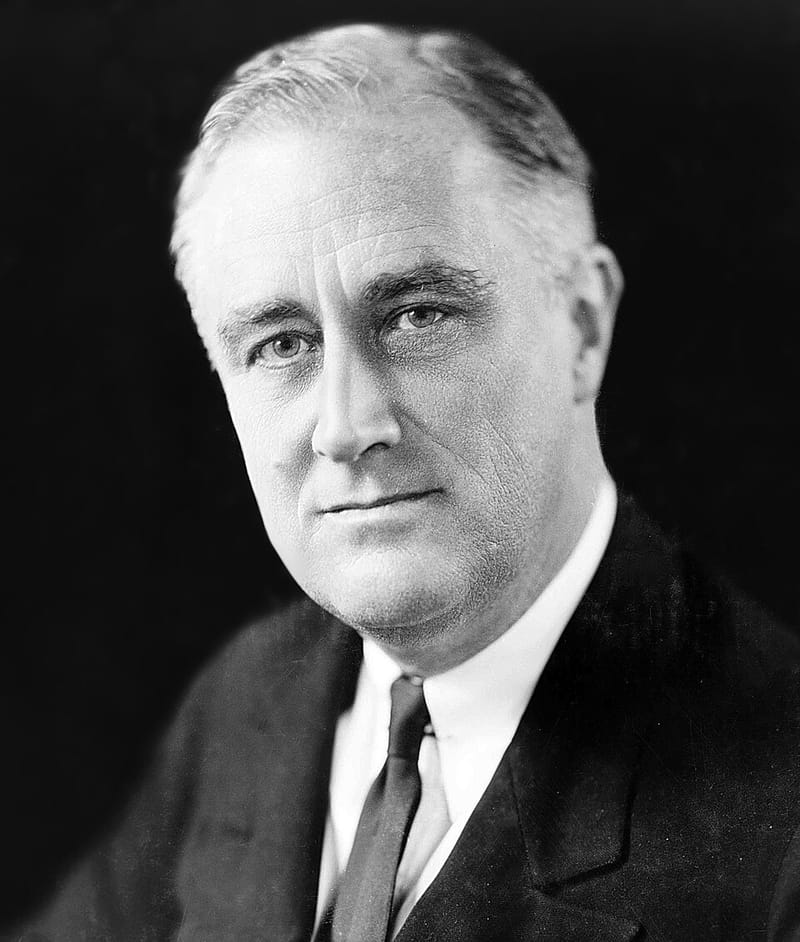
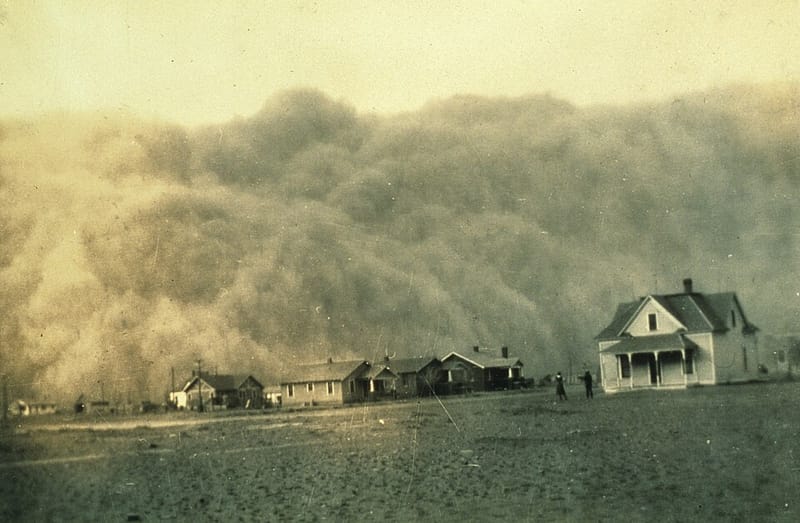
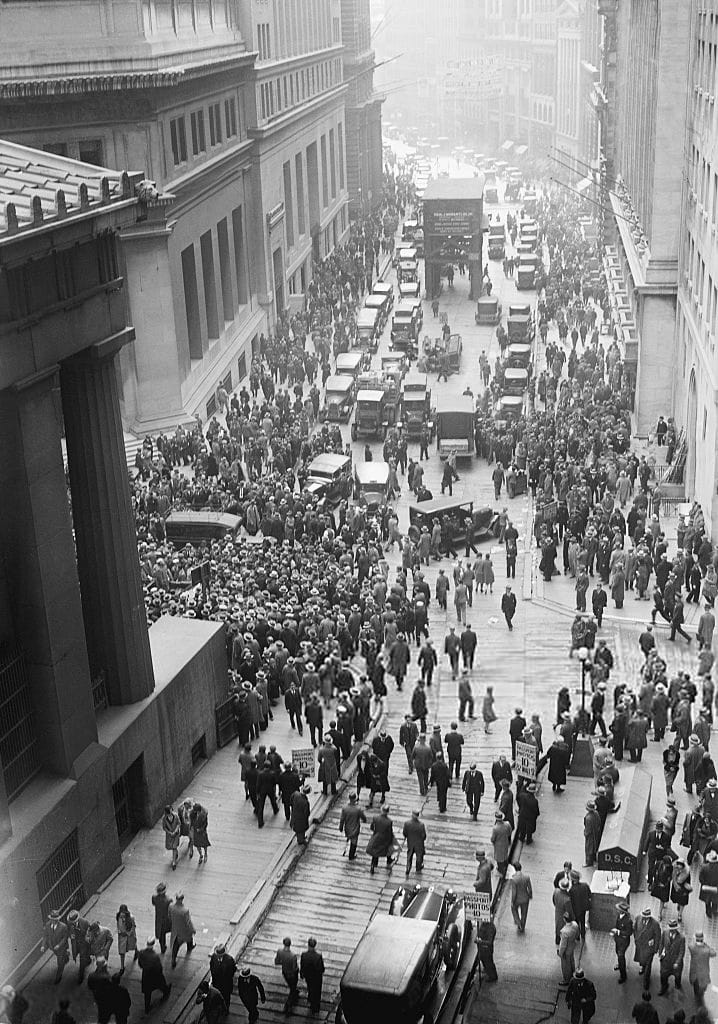
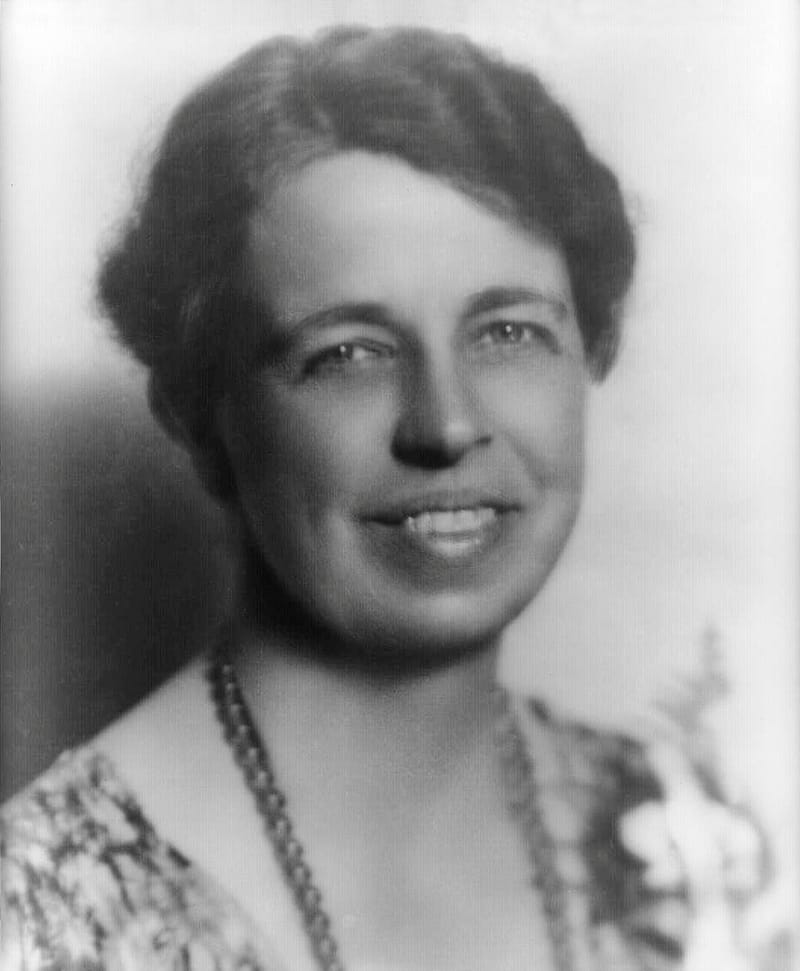
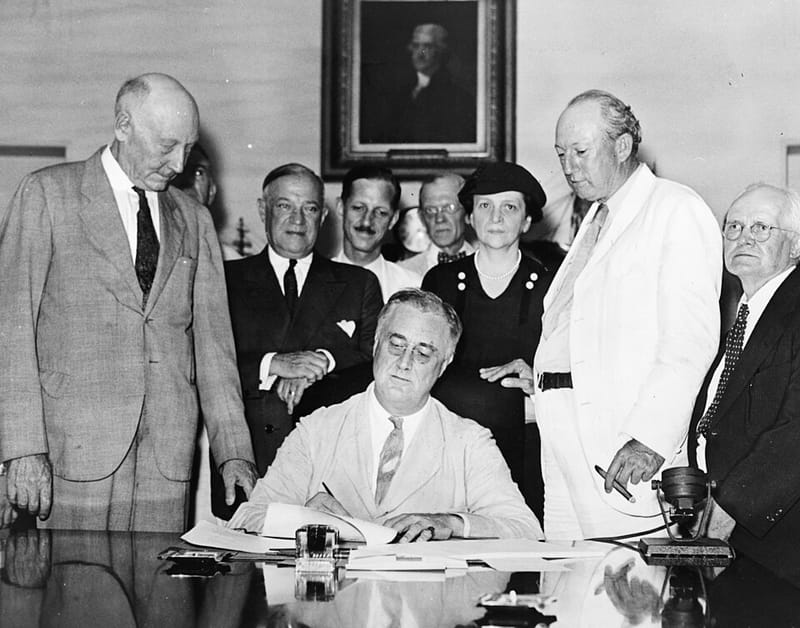
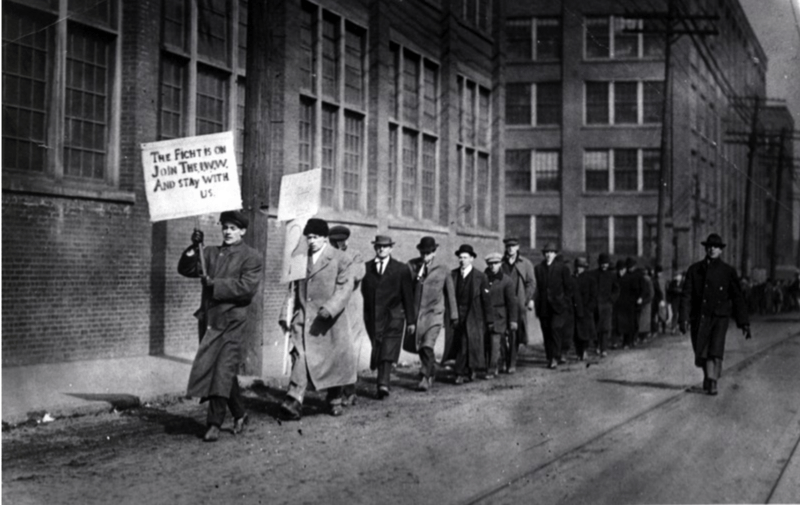
Prosperity was unevenly shared, and farmers struggled throughout the decade. The stock market crash of 1929 and a cascade of bank failures plunged the country into the Great Depression; unemployment reached about 25 percent by 1932, and drought turned the southern Plains into the Dust Bowl. In 1932 voters turned to Franklin D. Roosevelt, whose New Deal stabilized the banks, put millions to work, protected unions, and created Social Security. Eleanor Roosevelt remade the role of first lady. The New Deal did not end the Depression, and its benefits were unequally shared, but it transformed American government. By 1939, war in Europe was pulling the nation’s attention abroad.
Highlights
Events and wars
People

Documents and court cases
Movements, institutions, and ideas
Places


Sources for this overview
- The American Yawp, “The New Era” — The American Yawp (eds. Joseph Locke and Ben Wright; Stanford University Press)
- The American Yawp, “The Great Depression” — The American Yawp (eds. Joseph Locke and Ben Wright; Stanford University Press)
- The Great Depression — Federal Reserve History (Federal Reserve System)
- The Immigration Act of 1924 (The Johnson-Reed Act) — U.S. Department of State, Office of the Historian
- Tulsa Race Massacre (Scott Ellsworth) — Encyclopedia of Oklahoma History and Culture, Oklahoma Historical Society
Atlas by Alexander. More on Telegram.