PlaceIndustrialization and the Gilded Age
Ellis Island
The nation’s busiest immigration station, 1892–1924
1892–1924New York Harbor
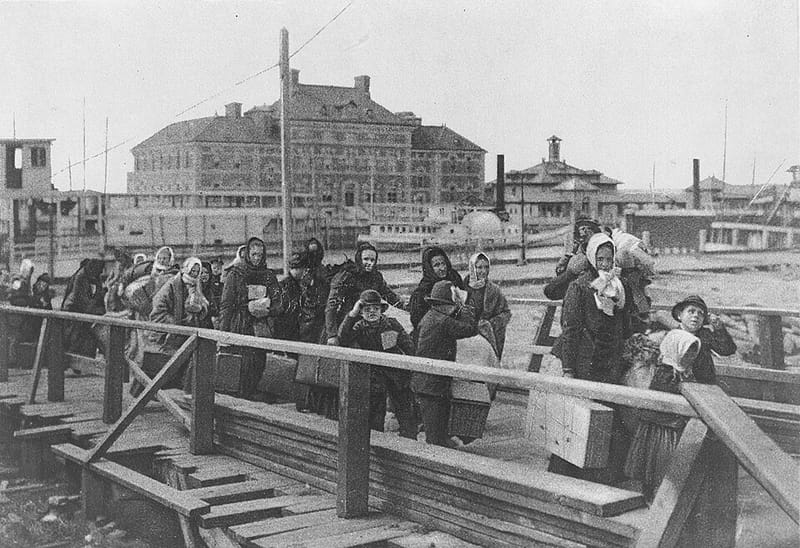
From 1892 to 1924, Ellis Island in New York Harbor was America’s largest and busiest immigration station, where more than 12 million immigrants were processed. Most passed inspection in a few hours and went on to new lives; for some it was an “Island of Tears,” where families were separated and people were turned away. Today it is part of the Statue of Liberty National Monument and home to a museum of immigration.
Key facts
- Date
- 1892–1924
- Location
- New York Harbor
- Years of operation as main station
- 1892–1924
- Immigrants processed
- More than 12 million
- Inspection time
- Typically 3–7 hours
- Today
- Part of Statue of Liberty National Monument
Why it matters
Ellis Island is the gateway through which a large share of today’s Americans trace their ancestry — a symbol of the nation as a land of immigrants, and of the restrictions that ended the era of mass European migration.
About the place
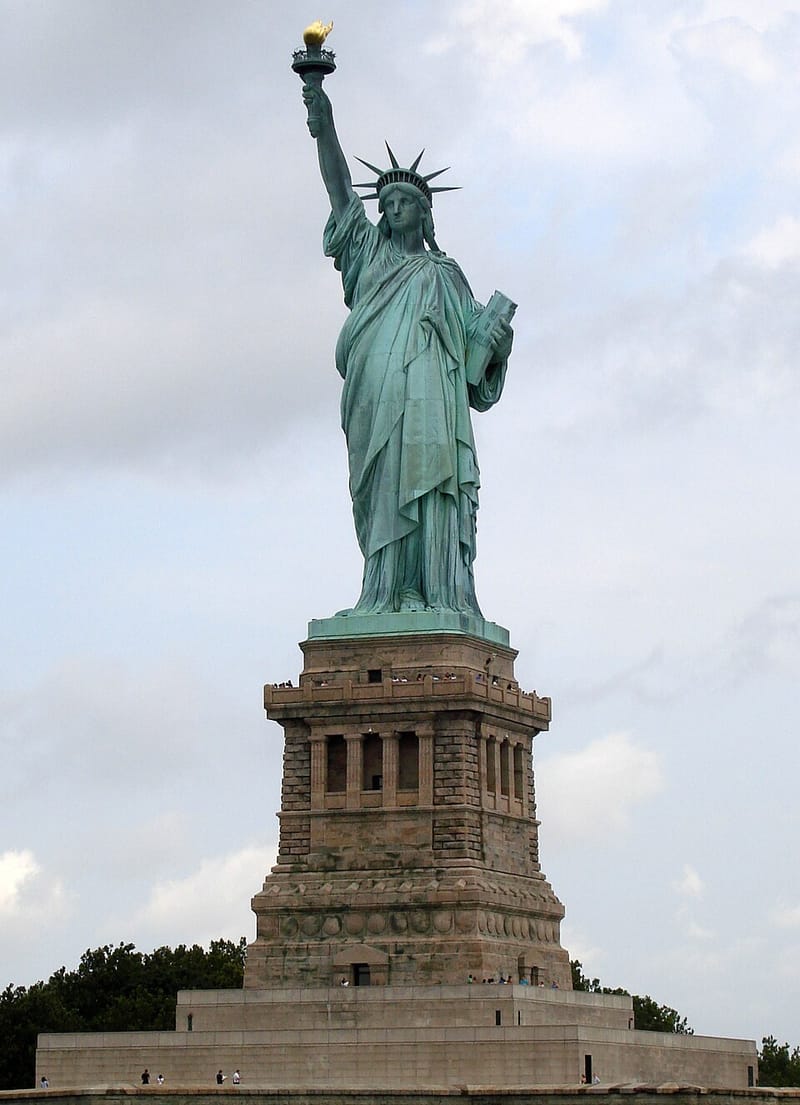
Ellis Island sits in New York Harbor near the Statue of Liberty. Arriving immigrants — especially those traveling in steerage — were ferried to the island for medical and legal inspection. The island is now part of Statue of Liberty National Monument.
History
Ellis Island opened as a federal immigration station in 1892, during an era of mass migration. Between 1870 and 1940 more than 25 million immigrants came to the United States, with arrivals peaking at nearly 900,000 a year in the period 1900–1914. By the turn of the century, newcomers from Southern and Eastern Europe — Italians, Poles, and Eastern European Jews among them — outnumbered the Irish and Germans of earlier decades. For most, the inspection took a few hours; for the vast majority, Ellis Island was an “Island of Hope.” Those who failed medical or legal inspection could be detained or sent back.
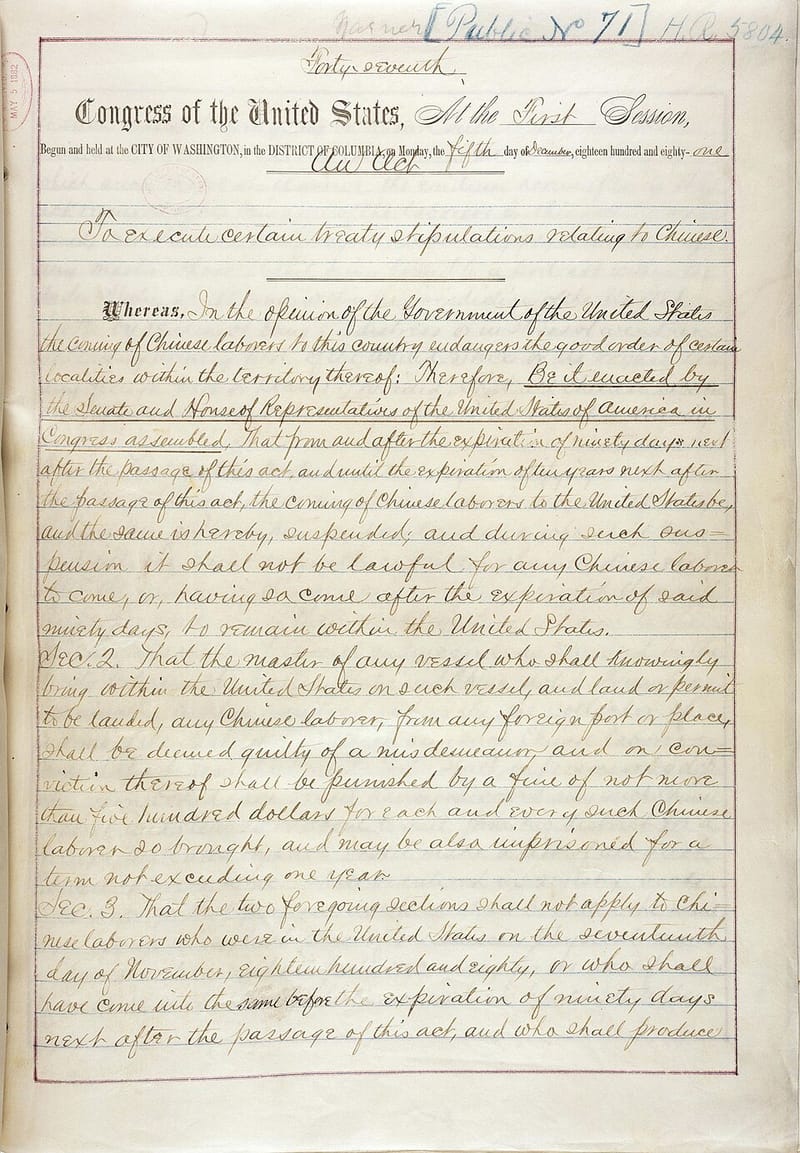
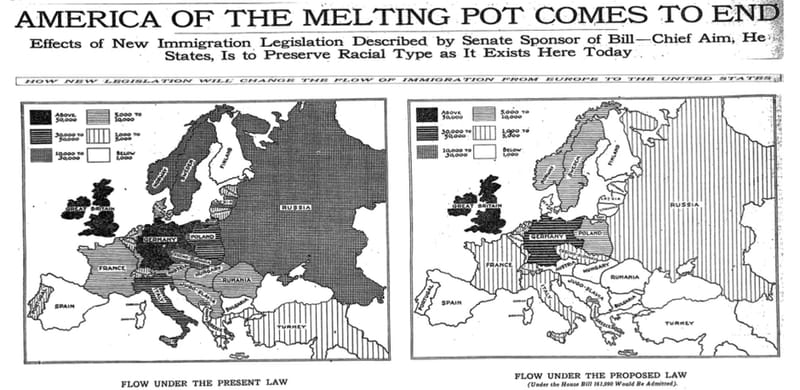
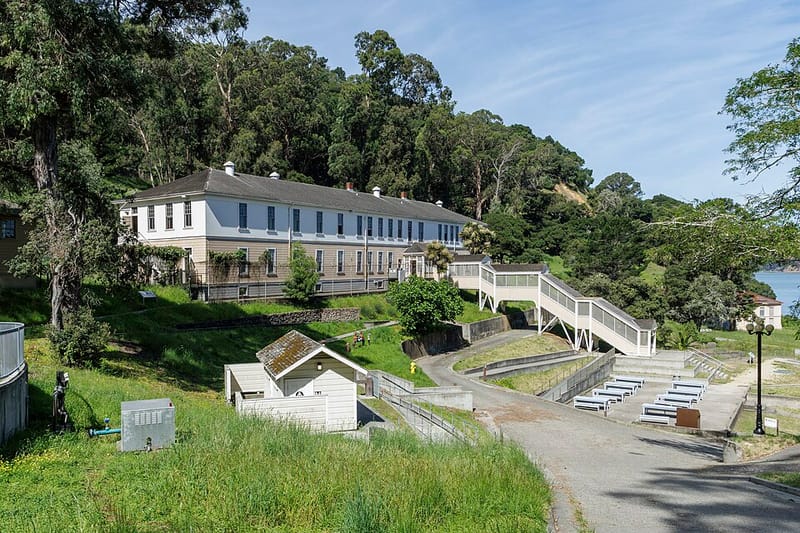
The Immigration Act of 1924 sharply restricted European immigration and moved inspection to consulates abroad, ending Ellis Island’s role as a major entry point. Its counterpart on the West Coast, Angel Island, operated very differently, under laws designed to exclude Asian immigrants.
Study this entry
Check your understanding
Try answering in your own words, then open the answer.
1.What is this place?Show answerHide
Ellis Island sits in New York Harbor near the Statue of Liberty. Arriving immigrants — especially those traveling in steerage — were ferried to the island for medical and legal inspection.From “About the place” above.
2.What happened here?Show answerHide
Ellis Island opened as a federal immigration station in 1892, during an era of mass migration. Between 1870 and 1940 more than 25 million immigrants came to the United States, with arrivals peaking at nearly 900,000 a year in the period 1900–1914.From “History” above.
Turn this entry into 10 flashcards (key facts, dates, and why it matters) and review them in Learn.
Related History
How this connects to the rest of the atlas.
Documents


Sources
- 1.Ellis Island — History & Culture
National Park Service, Statue of Liberty National Monument · Institutional · cited for 1892–1924, 12 million immigrants, inspection
- 2.History of Angel Island Immigration Station
Angel Island Immigration Station Foundation · Institutional · cited for Angel Island, exclusion, detention
- 3.The American Yawp, “Industrial America”
The American Yawp (eds. Joseph Locke and Ben Wright; Stanford University Press) · Scholarly · cited for industrialization and immigration
Image credits
- Ellis island 1902, Unknown author Unknown author, 1902. Via Wikimedia Commons · Public domain · Source
Written for American History Atlas from the sources above. See how entries are researched.
Atlas by Alexander. More on Telegram.