ConceptIndustrialization and the Gilded Age
The Gilded Age
An era of industrial wealth, inequality, and corruption, c. 1870–1900
c. 1870s – c. 1900s
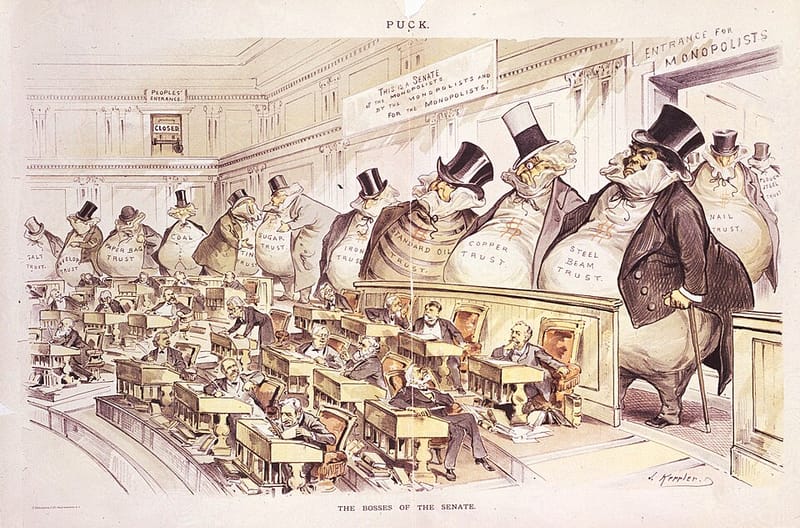
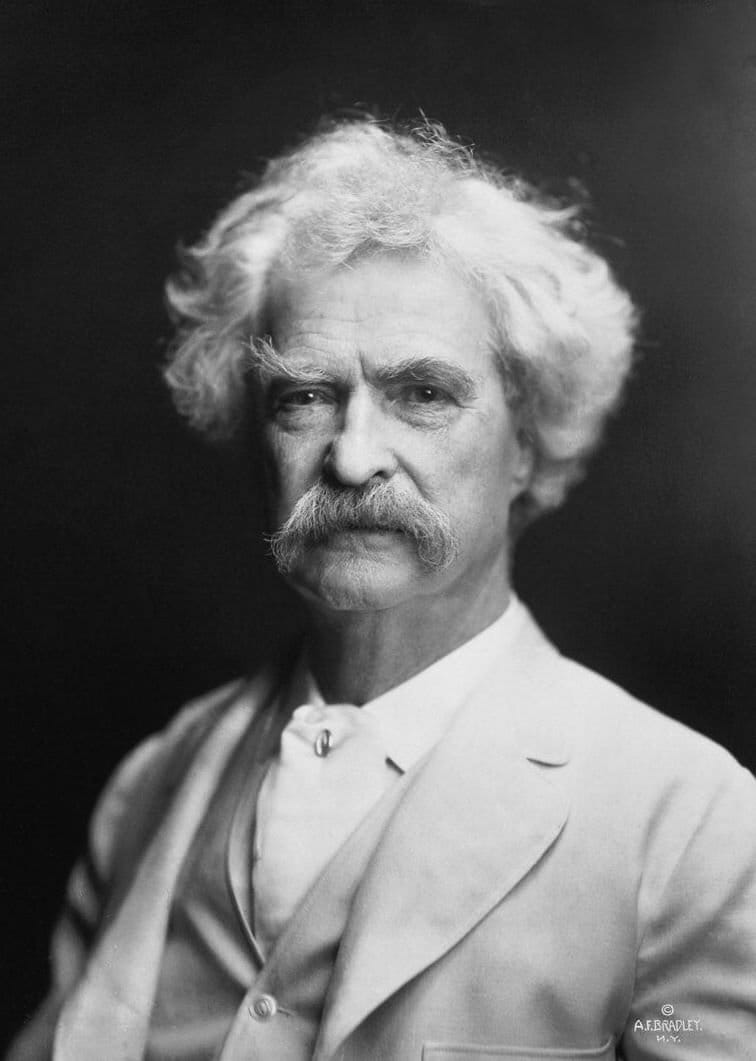
“The Gilded Age” names the decades after Reconstruction, when the United States became the world’s leading industrial economy. The term comes from an 1873 satirical novel by Mark Twain and Charles Dudley Warner, and it describes a glittering surface of wealth and innovation covering deep inequality and corruption. Railroads, steel, oil, and finance created vast fortunes, while millions of workers and immigrants crowded into cities and fought for decent wages and conditions.
Key facts
- Date
- c. 1870s – c. 1900s
- Name
- From The Gilded Age: A Tale of Today (1873) by Mark Twain and Charles Dudley Warner
- Emblematic figures
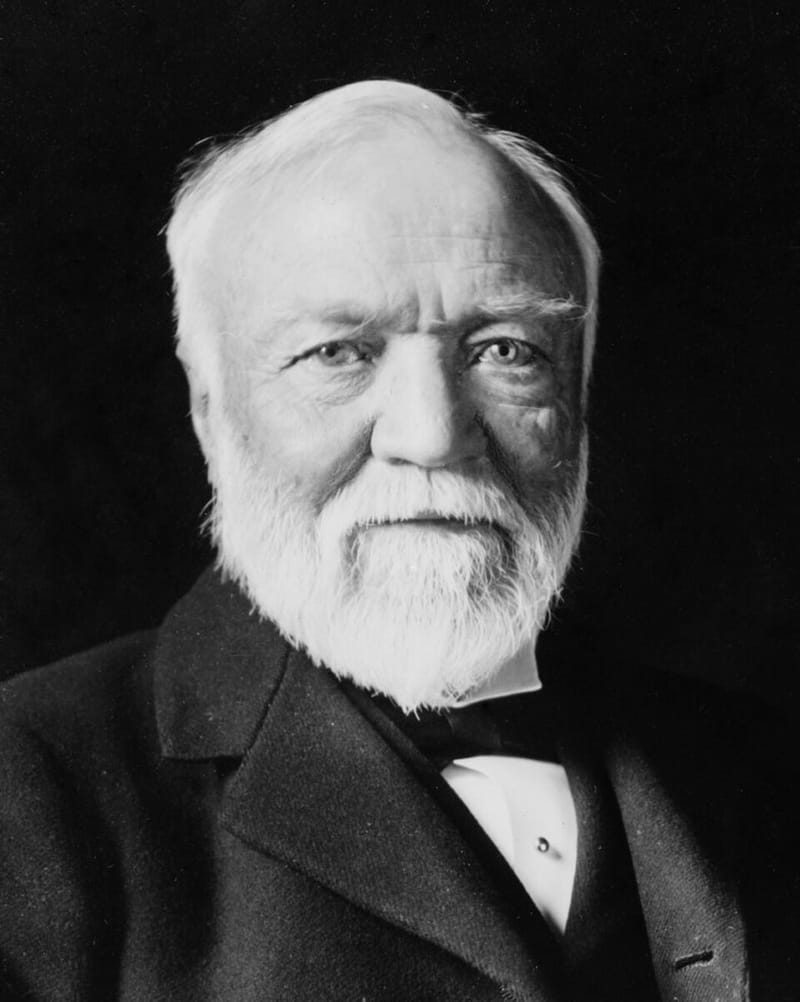
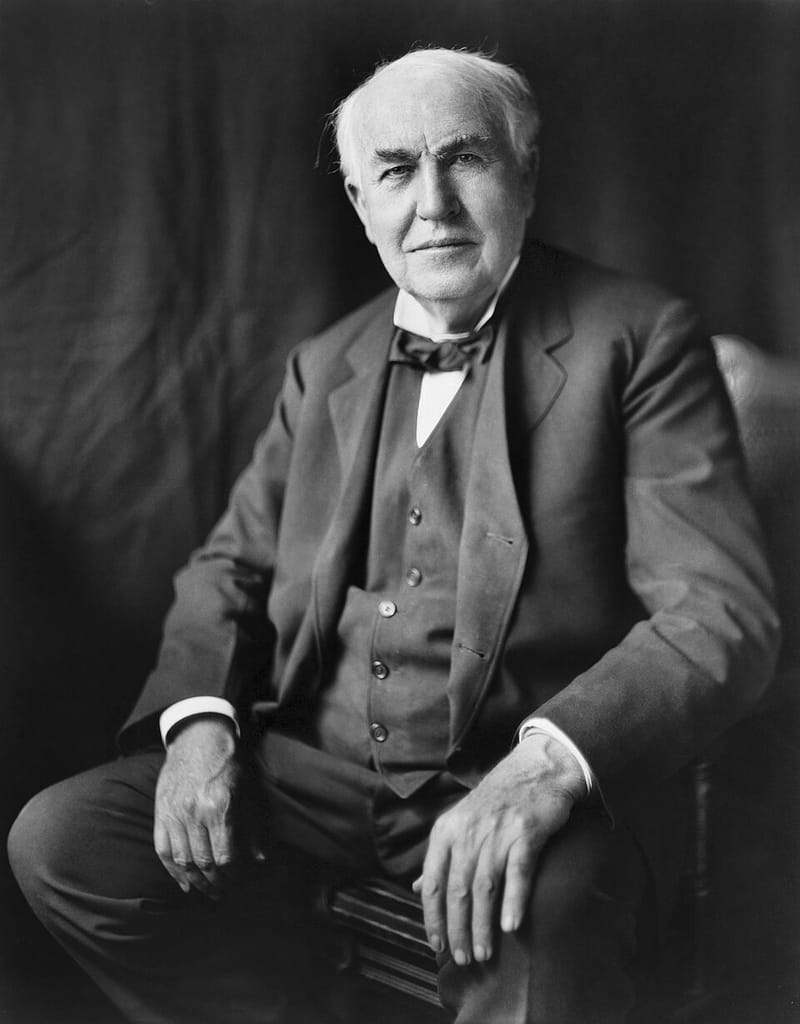
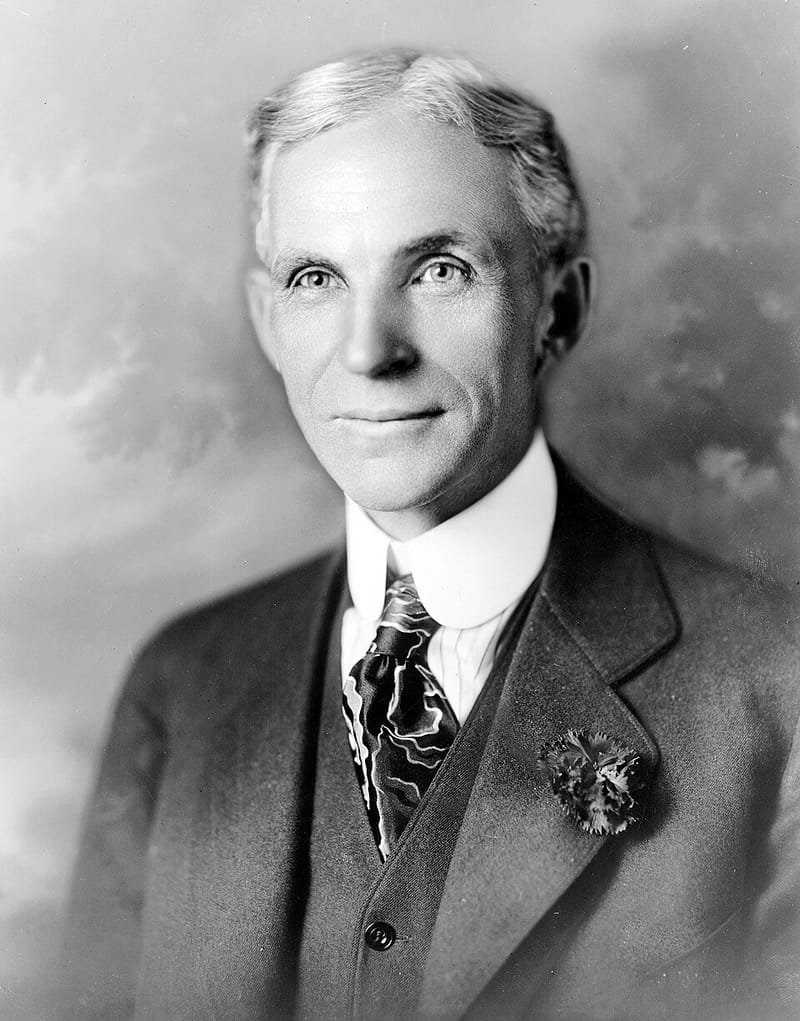
- Andrew Carnegie, John D. Rockefeller, J. P. Morgan, Thomas Edison
- Growth
- By 1900, about 190,000 miles of railroad; Chicago grew from about 30,000 people in 1850 to 300,000 by 1870
- Responses
- Labor unions, Populism, and later Progressivism
Why it matters
The Gilded Age created modern industrial America — and the inequalities and conflicts that reformers in the Populist and Progressive movements set out to address.
Definition
A gilded object is covered with a thin layer of gold over a cheaper material. By calling their era “gilded” rather than golden, Twain and Warner mocked a society whose dazzling wealth and technological marvels masked massive social inequities and deep-seated corruption. Historians have adopted the label for roughly the last three decades of the nineteenth century.
Historical context
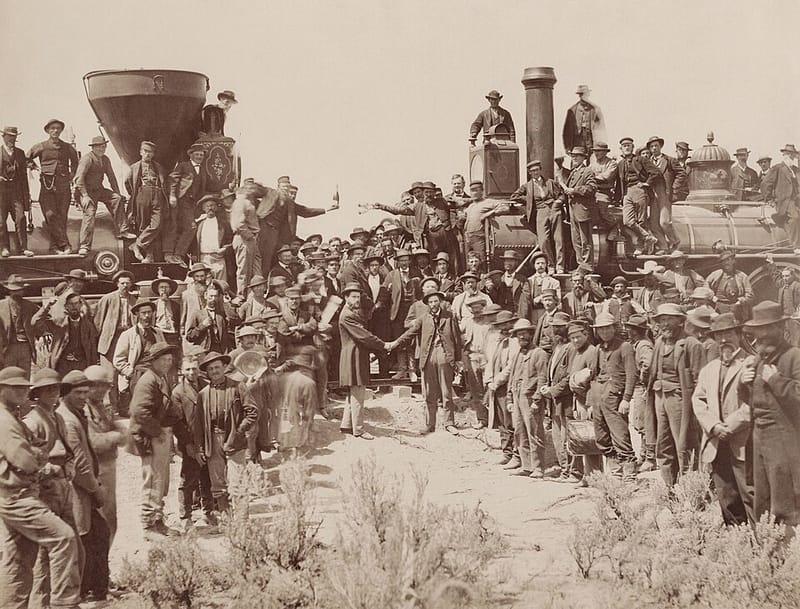
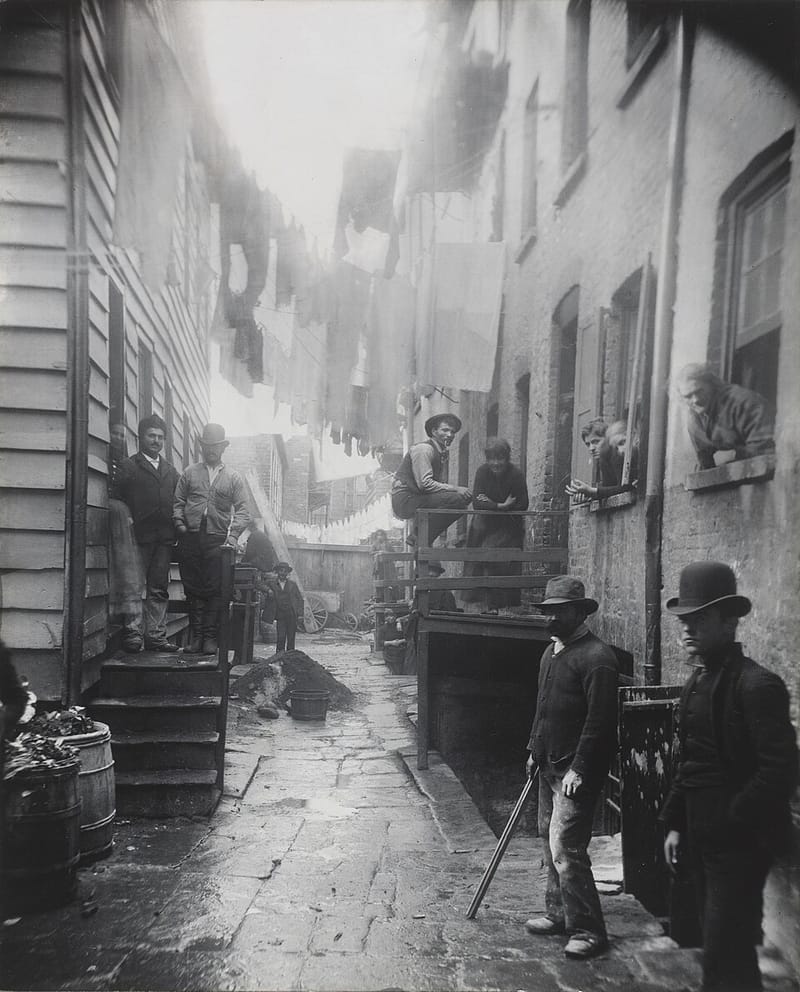
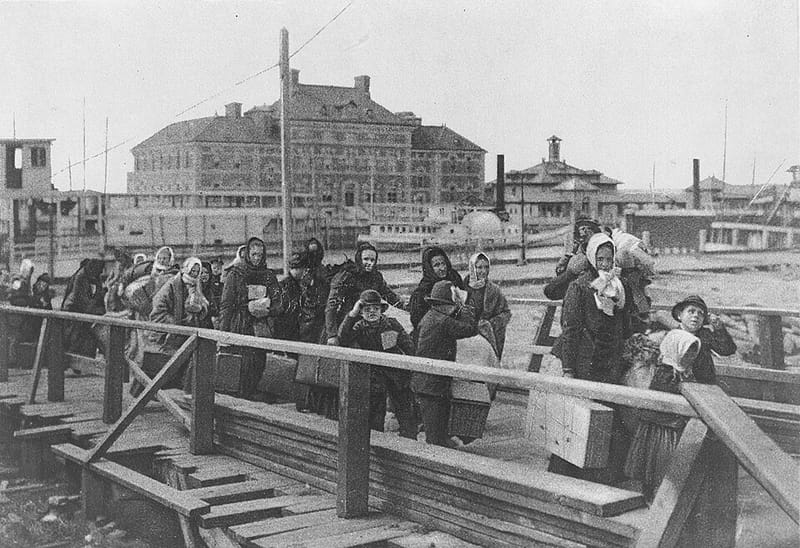
After the Civil War, industrial capitalism transformed the country. The transcontinental railroad and a vast rail network created national markets. Industrialists such as Andrew Carnegie and John D. Rockefeller built giant corporations, and financiers such as J. P. Morgan consolidated them. Inventors like Thomas Edison electrified cities. Millions of immigrants, increasingly from Southern and Eastern Europe, and rural Americans moved into fast-growing industrial cities; in 1900, nearly 80 percent of Chicago’s population were immigrants or their children.
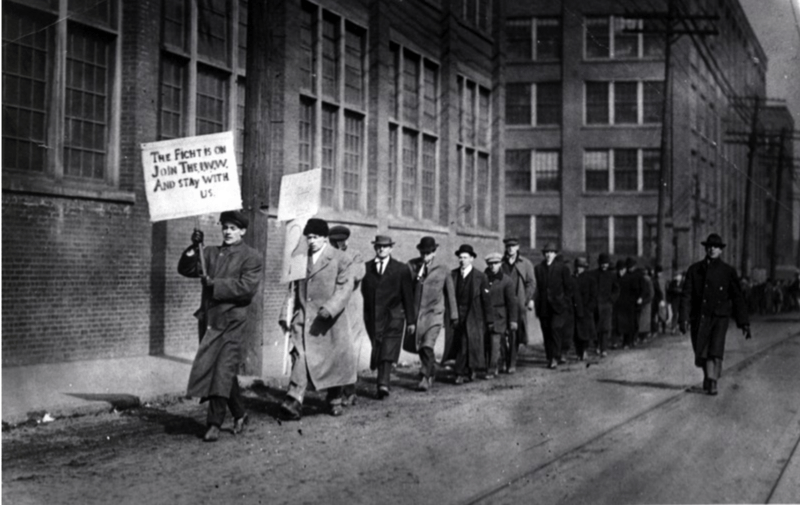
The benefits were unequal. Workers faced long hours, low pay, dangerous conditions, and periodic depressions, and their strikes were often crushed by force. Politics was marked by patronage and corruption, while the federal government largely refused to regulate business — or used its power against strikers. In the South, the end of Reconstruction gave way to sharecropping and Jim Crow; in the West, Native nations were confined to reservations.
Examples
- The fortunes and philanthropy of Carnegie and Rockefeller, and debates over whether they were “robber barons” or entrepreneurs.
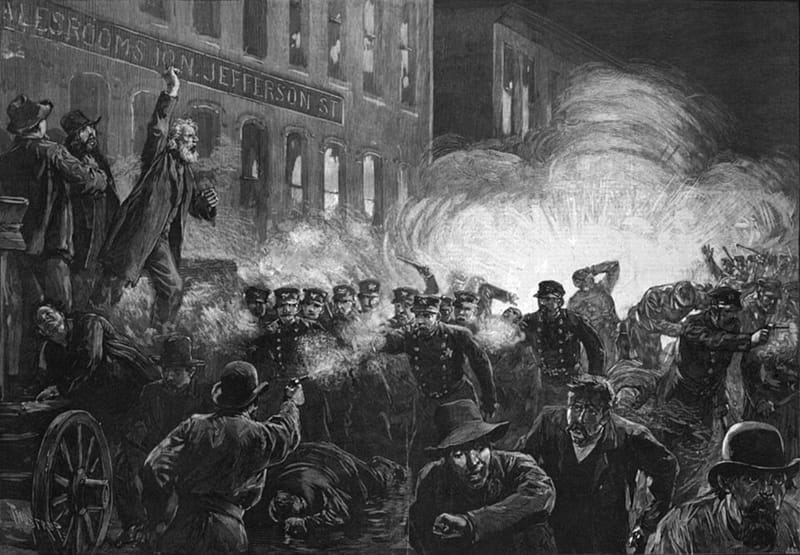
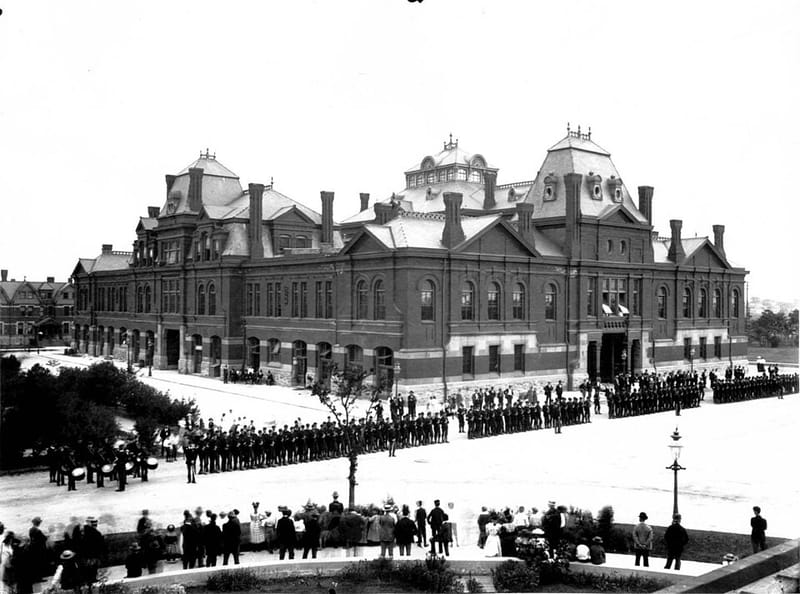
- The Haymarket affair (1886), the Homestead strike (1892), and the Pullman strike (1894).
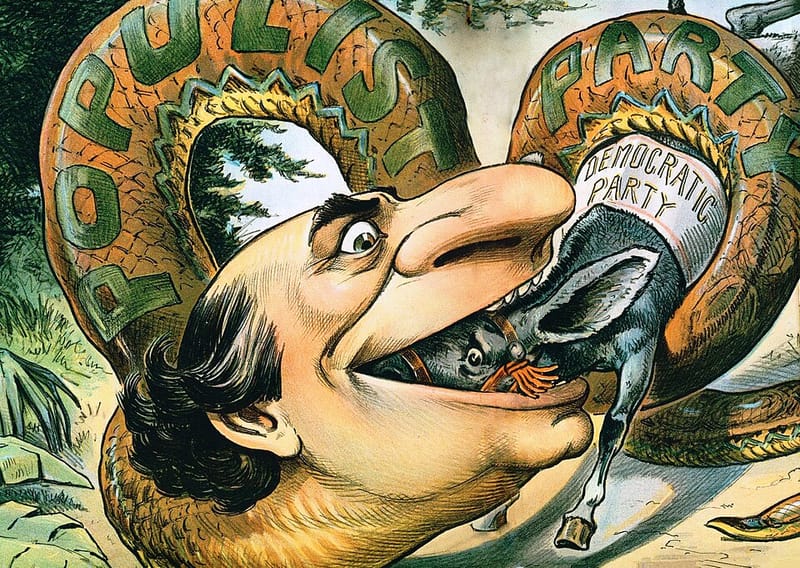
- The rise of the People’s Party and Populism among farmers.
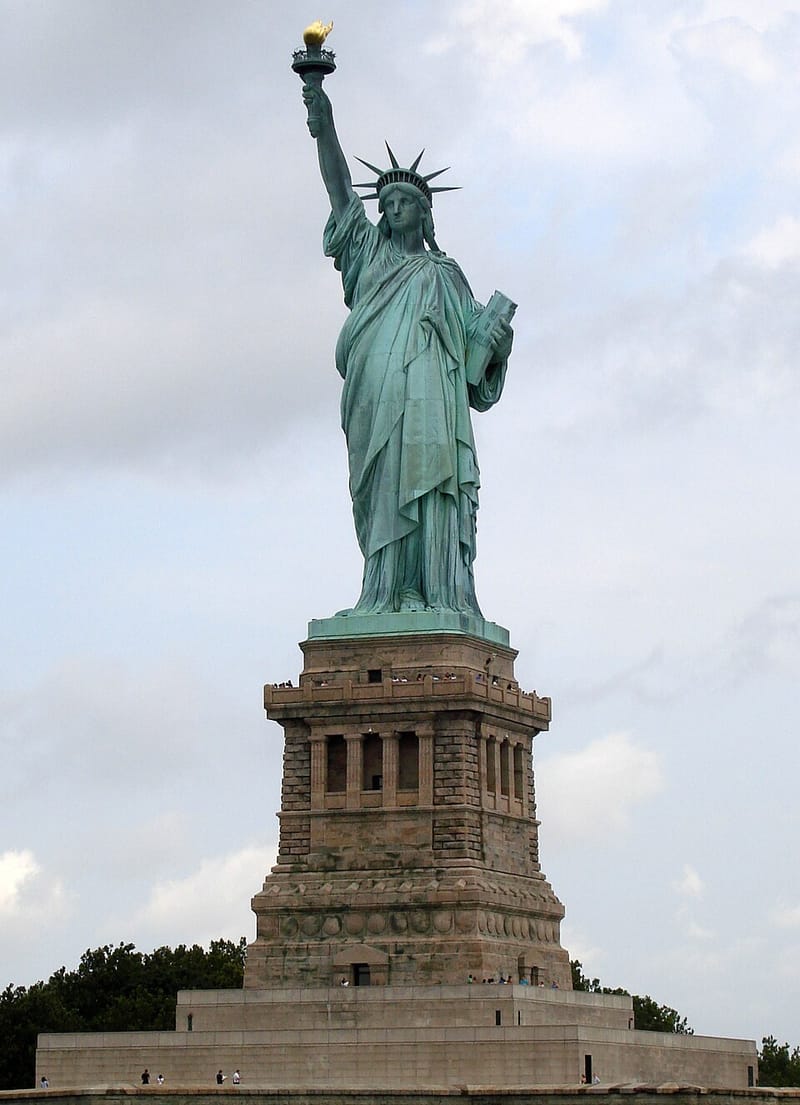
- Mass immigration through Ellis Island — and exclusion at Angel Island.
Study this entry
Check your understanding
Try answering in your own words, then open the answer.
1.What does “the Gilded Age” mean?Show answerHide
A gilded object is covered with a thin layer of gold over a cheaper material. By calling their era “gilded” rather than golden, Twain and Warner mocked a society whose dazzling wealth and technological marvels masked massive social inequities and deep-seated corruption.From “Definition” above.
2.Where did the idea come from?Show answerHide
After the Civil War, industrial capitalism transformed the country. The transcontinental railroad and a vast rail network created national markets.From “Historical context” above.
3.What are some examples?Show answerHide
- The fortunes and philanthropy of Carnegie and Rockefeller, and debates over whether they were “robber barons” or entrepreneurs. - The Haymarket affair (1886), the Homestead strike (1892), and the Pullman strike (1894). - The rise of the People’s Party and Populism among farmers. - Mass immigration through Ellis Island — and exclusion at Angel Island.From “Examples” above.
Turn this entry into 10 flashcards (key facts, dates, and why it matters) and review them in Learn.
Related History
How this connects to the rest of the atlas.
Events
People
Movements

Sources
- 1.The American Yawp, “Capital and Labor”
The American Yawp (eds. Joseph Locke and Ben Wright; Stanford University Press) · Scholarly · cited for Gilded Age, labor organizing, strikes
- 2.The American Yawp, “Industrial America”
The American Yawp (eds. Joseph Locke and Ben Wright; Stanford University Press) · Scholarly · cited for industrialization and immigration
- 3.The American Yawp, “Conquering the West”
The American Yawp (eds. Joseph Locke and Ben Wright; Stanford University Press) · Scholarly · cited for Plains wars, Dawes Act, Ghost Dance, Wounded Knee, railroads
Image credits
- The Bosses of the Senate, Joseph Keppler, 23 January 1889. Via Wikimedia Commons · Public domain · Source
Written for American History Atlas from the sources above. See how entries are researched.
Atlas by Alexander. More on Telegram.