EventCivil War and Reconstruction
Reconstruction
The struggle to rebuild the Union and define freedom after the Civil War
1865–1877The former Confederate states and the nation
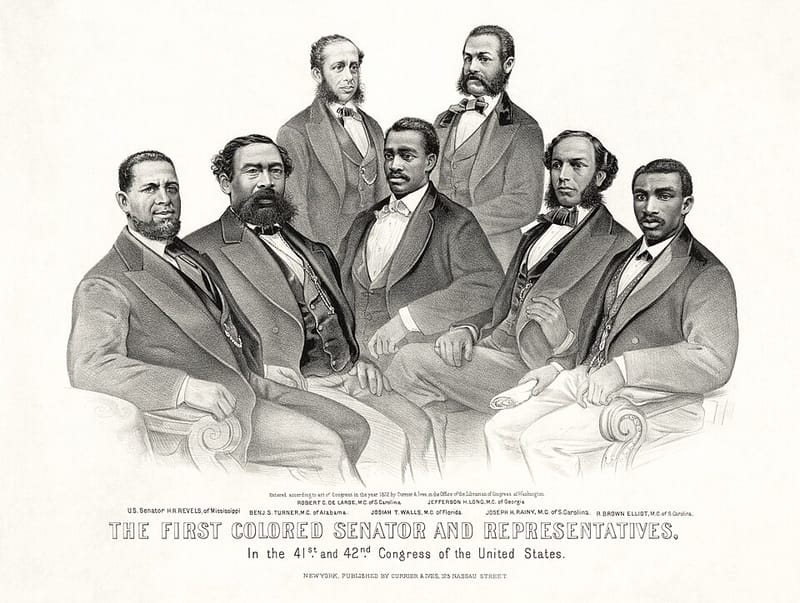
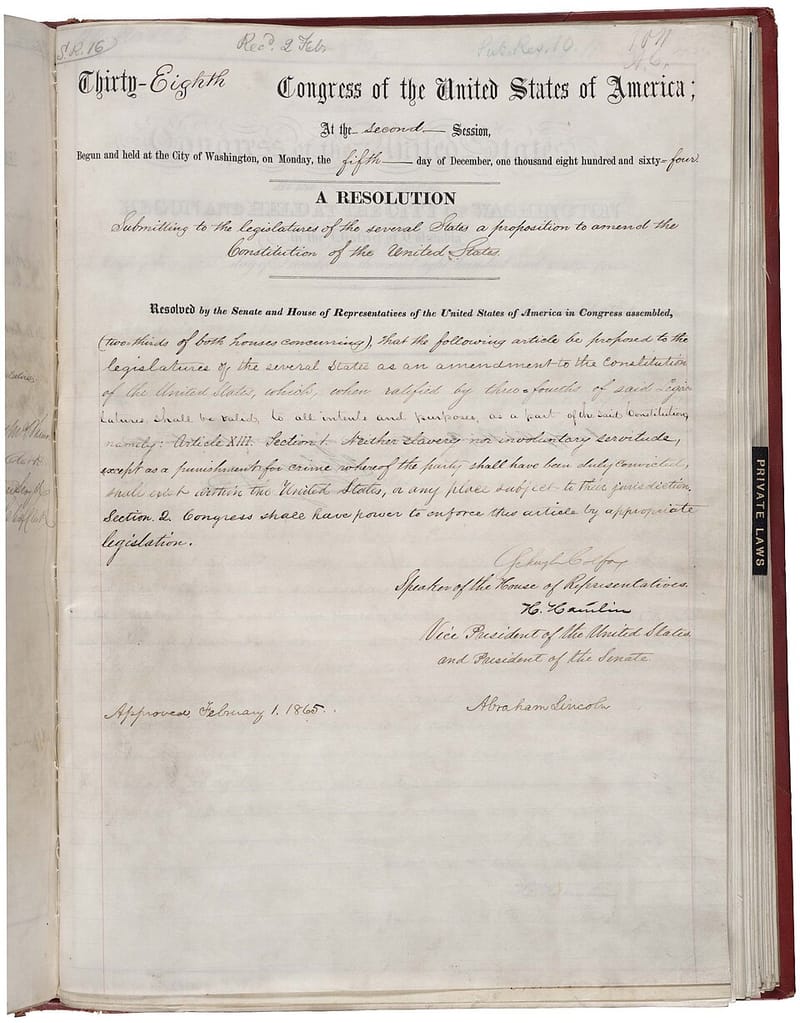
Reconstruction was the era in which the United States tried to reunite the nation after the Civil War and decide what freedom would mean for four million formerly enslaved people. Congress passed the Thirteenth, Fourteenth, and Fifteenth Amendments; Black Southerners built schools and churches, reunited families, voted, and held office — as many as 2,000 of them. Fierce white resistance, including terrorist violence, and Northern retreat brought Reconstruction to an end by 1877, opening the way to Jim Crow.
Key facts
- Date
- 1865–1877
- Location
- The former Confederate states and the nation
- Dating note
- Historians traditionally date Reconstruction 1865–1877; the National Park Service frames it more broadly, from the first wartime emancipations in 1861 to the rise of Jim Crow in the 1890s.
- Traditional dates
- 1865–1877; the NPS uses a broader span from 1861 to the 1890s
- Constitutional amendments
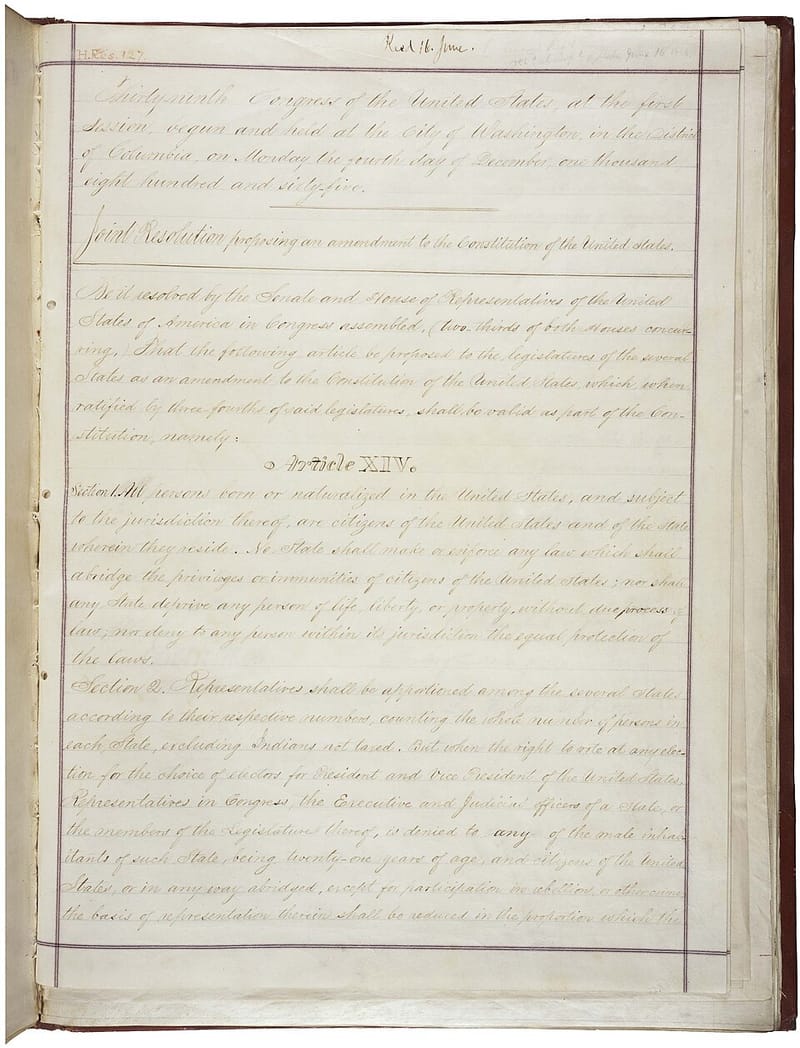
- 13th (1865), 14th (1868), 15th (1870)
- Black officeholders
- As many as 2,000, including 16 members of Congress
- Ended
- With the withdrawal of federal support after the disputed election of 1876
Why it matters
Reconstruction rewrote the Constitution to make Black Americans citizens and voters, and its defeat showed how fragile those rights were without the will to enforce them.
Historical background
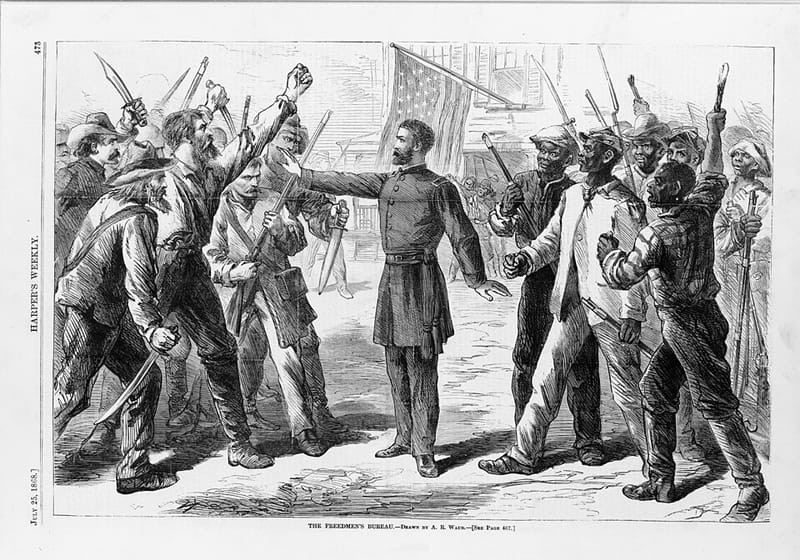
Reconstruction began during the war itself. In November 1861, after Union forces captured the Sea Islands around Port Royal, South Carolina, more than ten thousand enslaved people there began building lives in freedom — opening some of the first schools for freedpeople and forming communities under Union protection. The Emancipation Proclamation, Black military service, and the Freedmen’s Bureau (1865) all shaped what followed.
Causes and contributing factors
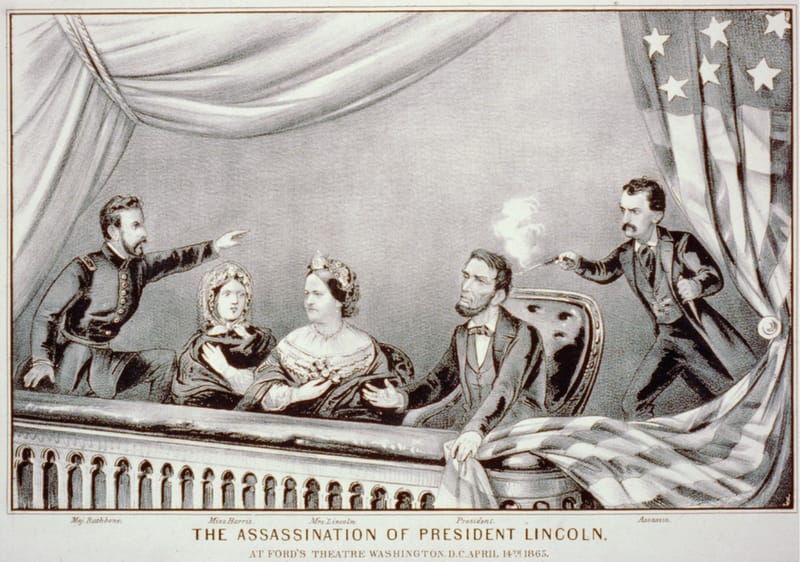
The war left unanswered questions: on what terms would Confederate states return; who would govern them; and what rights would freedpeople have? President Andrew Johnson, a Tennessee Democrat who became president after Lincoln’s assassination, handed out pardons and allowed Southern states to pass “black codes” that essentially maintained slavery under another name. Congressional Republicans, who viewed Black voting rights as crucial, took control of Reconstruction.
What happened
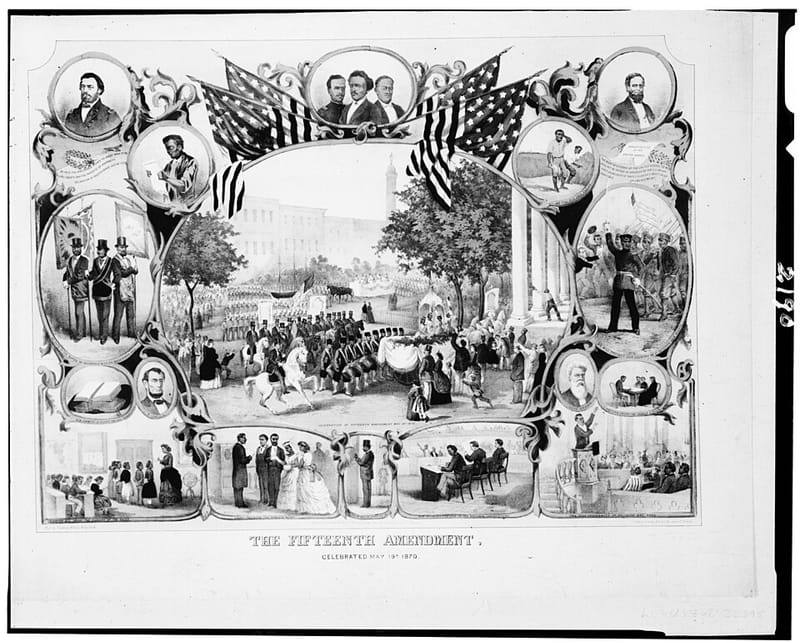
In 1866 Congress passed a new Freedmen’s Bureau bill and the Civil Rights Act, which defined all persons born in the United States as citizens, and proposed the Fourteenth Amendment. The Reconstruction Acts of 1867 extended the vote to formerly enslaved men, transforming the Southern electorate. Hundreds of Black delegates helped write those constitutions. Congress impeached Johnson in 1868; the Senate acquitted him by one vote.
Across the South, freedpeople established churches, schools, and businesses and sought land. Black men voted and served as legislators, sheriffs, school superintendents, and tax collectors; from 1869 to 1877, fourteen served in the U.S. House and two in the Senate.
White opposition was fierce and often violent. Terrorist organizations such as the Ku Klux Klan attacked Black citizens and white Republicans. President Ulysses S. Grant sometimes sent troops to protect Black Southerners, but Northern commitment waned amid economic depression after 1873 and scandals. One by one, white Democrats — calling themselves “Redeemers” — regained control of Southern state governments.
Immediate consequences
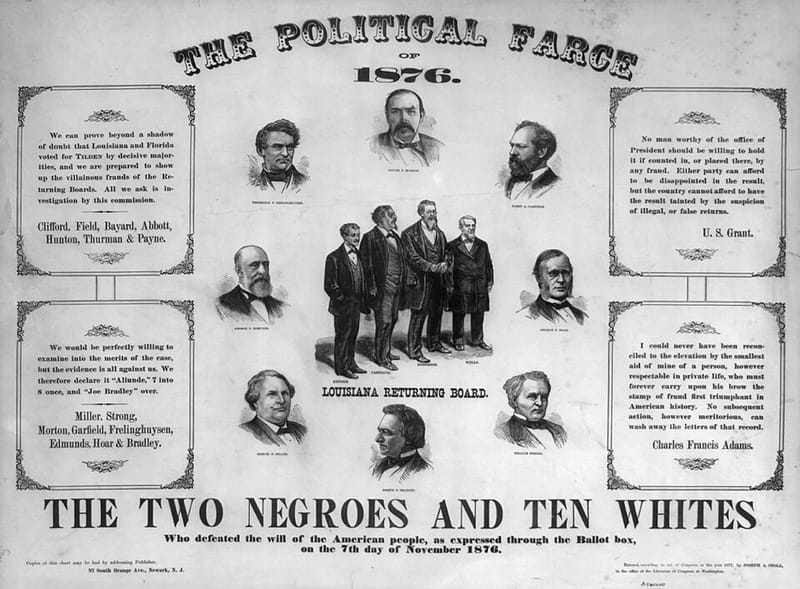
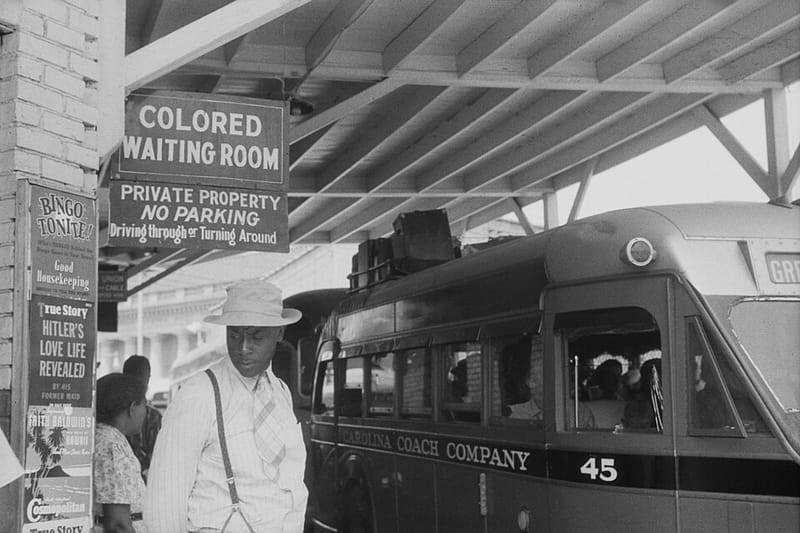
The disputed presidential election of 1876 was resolved in early 1877; the new president, Rutherford B. Hayes, withdrew the last federal troops protecting Republican governments in Louisiana and South Carolina, and the number of Black officeholders declined significantly. Over the following decades, Southern states disenfranchised Black voters and imposed segregation.
Long-term significance
For decades, white Southern Democrats and many historians depicted Reconstruction as a tragic era of corrupt “Negro rule” — a view popularized by films like The Birth of a Nation (1915) and used to justify Jim Crow. Historians now see it as a bold, if incomplete, experiment in interracial democracy whose constitutional achievements — birthright citizenship, equal protection, and voting rights regardless of race — became the foundation of the civil rights movement.
Study this entry
Check your understanding
Try answering in your own words, then open the answer.
1.What led to Reconstruction?Show answerHide
The war left unanswered questions: on what terms would Confederate states return; who would govern them; and what rights would freedpeople have?From “Causes and contributing factors” above.
2.What happened?Show answerHide
In 1866 Congress passed a new Freedmen’s Bureau bill and the Civil Rights Act, which defined all persons born in the United States as citizens, and proposed the Fourteenth Amendment. The Reconstruction Acts of 1867 extended the vote to formerly enslaved men, transforming the Southern electorate.From “What happened” above.
3.What were the immediate consequences?Show answerHide
The disputed presidential election of 1876 was resolved in early 1877; the new president, Rutherford B. Hayes, withdrew the last federal troops protecting Republican governments in Louisiana and South Carolina, and the number of Black officeholders declined significantly.From “Immediate consequences” above.
4.Why does it still matter?Show answerHide
For decades, white Southern Democrats and many historians depicted Reconstruction as a tragic era of corrupt “Negro rule” — a view popularized by films like The Birth of a Nation (1915) and used to justify Jim Crow.From “Long-term significance” above.
Turn this entry into 10 flashcards (key facts, dates, and why it matters) and review them in Learn.
Related History
How this connects to the rest of the atlas.
Events
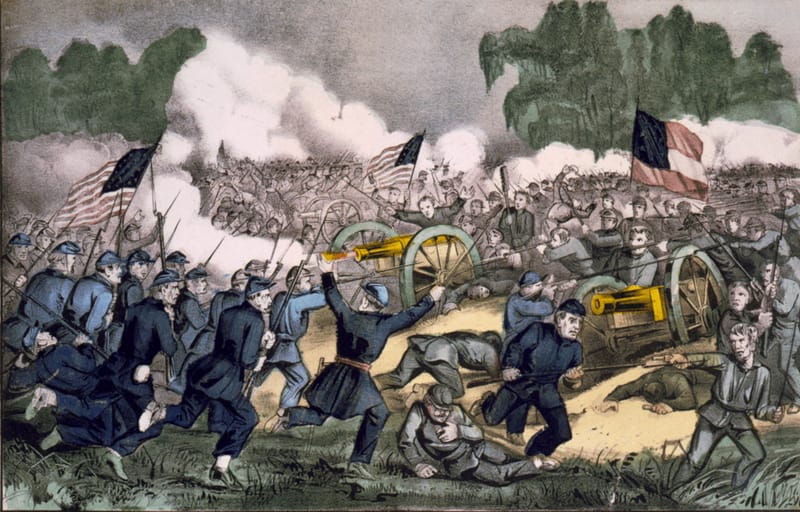
People
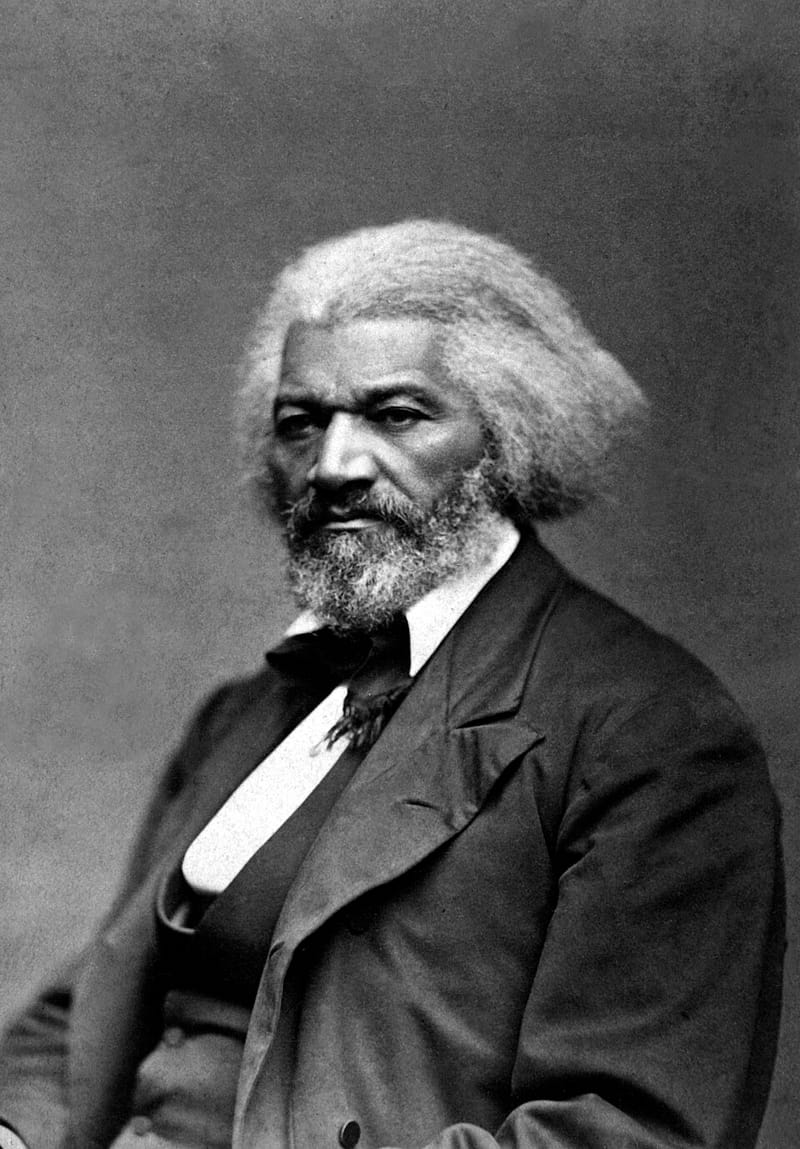
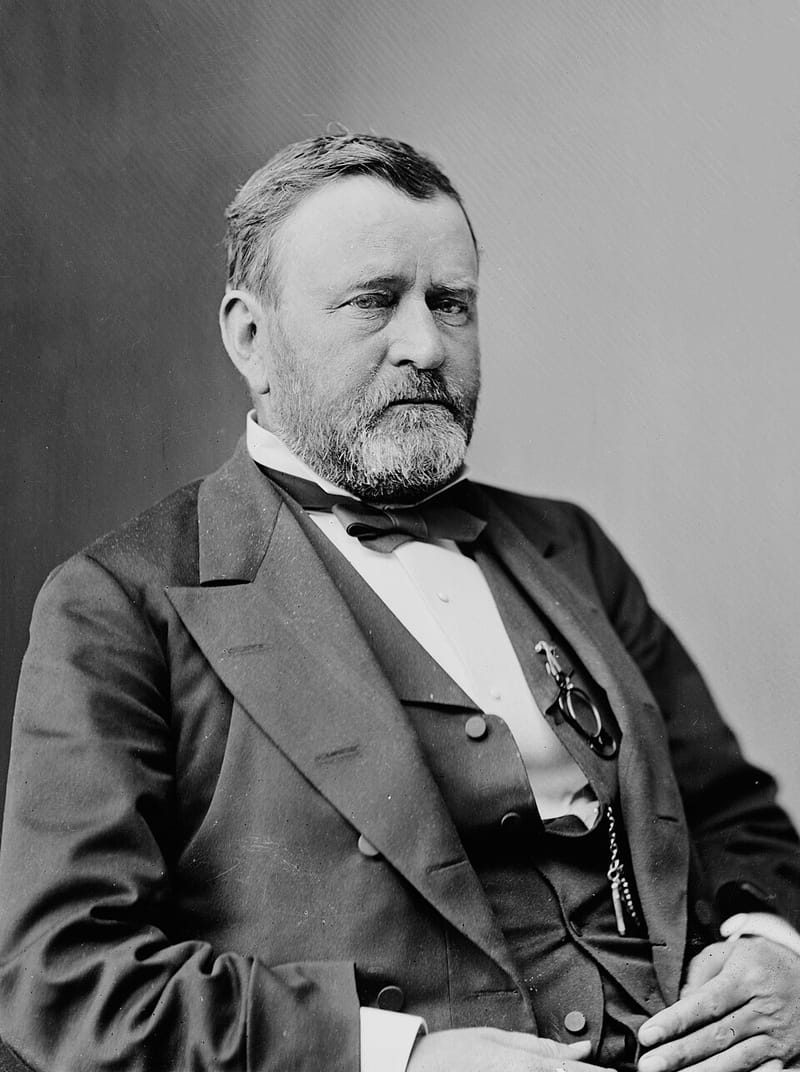
Documents
Institutions

Sources
- 1.Frequently Asked Questions
National Park Service, Reconstruction Era National Historical Park · Institutional · cited for definition and dates of Reconstruction; Port Royal
- 2.Andrew Johnson: Life in Brief
Miller Center, University of Virginia · Scholarly · cited for presidential Reconstruction, black codes, impeachment, Black officeholders
- 3.Black Officeholders in the Reconstruction South
Who Built America? (American Social History Project, CUNY) · Scholarly · cited for Black officeholders, opposition, later distortion
- 4.15th Amendment — Milestone Documents
National Archives · Primary source · cited for passage, ratification, later disenfranchisement, Voting Rights Act
- 5.Rutherford B. Hayes: Campaigns and Elections
Miller Center, University of Virginia · Scholarly · cited for 1876 election, Electoral Commission, negotiations
- 6.Freedmen’s Bureau Records
National Archives · Institutional · cited for creation, duties, duration
Image credits
- First Colored Senator and Representatives, Currier and Ives / Adam Cuerden, 1872. Via Wikimedia Commons · Public domain · Source
Written for American History Atlas from the sources above. See how entries are researched.
Atlas by Alexander. More on Telegram.