Court CaseIndustrialization and the Gilded Age
Plessy v. Ferguson
The Supreme Court upholds “separate but equal,” 1896
1896Washington, D.C.
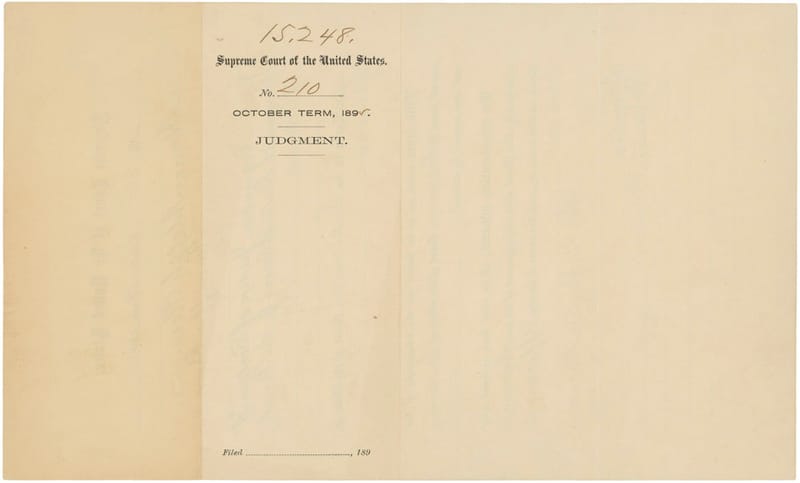
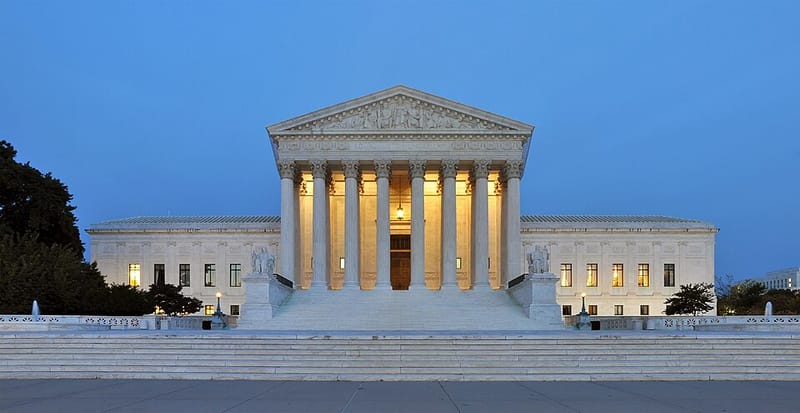
In 1892 Homer Plessy, a man of mixed race, deliberately sat in a whites-only railroad car in Louisiana to challenge a state law requiring segregated trains. In 1896 the Supreme Court upheld the law, ruling that “equal but separate” accommodations did not violate the Fourteenth Amendment. Justice John Marshall Harlan dissented alone. The decision gave constitutional approval to Jim Crow segregation for more than half a century, until Brown v. Board of Education.
Key facts
- Citation
- 163 U.S. 537 (1896)
- Decided
- May 18, 1896
- Vote
- 7–1
- Majority opinion
- Justice Henry Billings Brown
- Location
- Washington, D.C.
- Law challenged
- Louisiana’s 1890 Separate Car Act
- Test case
- Organized by the New Orleans Citizens’ Committee; Plessy was arrested June 7, 1892
- Lawyer
- Albion W. Tourgée
- Dissent
- Justice John Marshall Harlan
- Overturned
- In effect, by Brown v. Board of Education (1954)
Why it matters
Plessy v. Ferguson turned segregation into constitutional law, shaping American life until the civil rights movement dismantled it.
Historical context
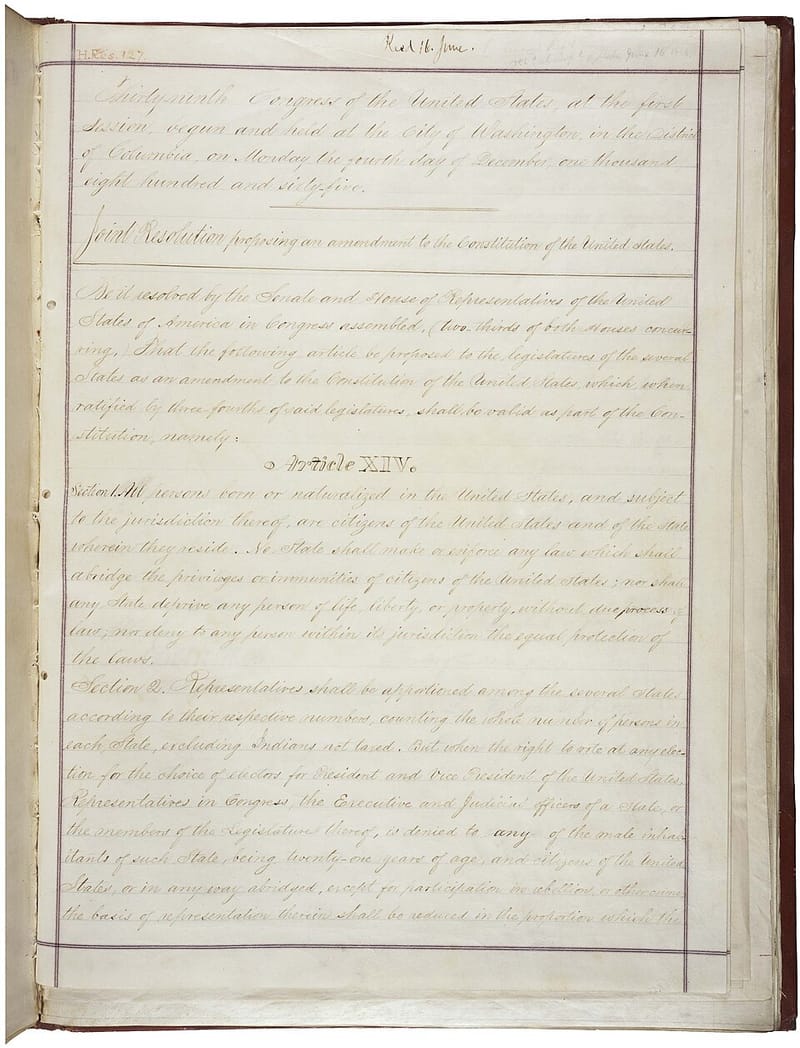
During Reconstruction, Black Americans’ rights were affirmed by three constitutional amendments and by laws such as the Civil Rights Act of 1875, which banned discrimination in public accommodations. In 1883 the Supreme Court struck down that act, ruling that the Fourteenth Amendment did not let Congress prohibit discrimination by private individuals. Meanwhile Southern states passed laws requiring segregation, beginning with schools and spreading to railroads with Florida’s 1887 law. In 1890 Louisiana required separate railroad cars despite vigorous protest by New Orleans’ Black community.
In 1891 a group of Black men in New Orleans formed a Citizens’ Committee to test the law and hired the Radical Republican author Albion Tourgée. With the cooperation of a railroad that disliked the expense of separate cars, Homer Plessy — seven-eighths white and one-eighth Black — sat in a white compartment on June 7, 1892, and was arrested.
The legal question
Does a state law requiring separate railway cars for white and Black passengers violate the Fourteenth Amendment’s guarantee of equal protection of the laws?
The ruling
By a vote of 7–1, the Court upheld the Louisiana law. As long as the separate facilities were equal, segregation did not violate the Constitution.
The Court’s reasoning
Writing for the majority, Justice Henry Brown held that the Fourteenth Amendment guaranteed legal equality but could not abolish social distinctions based on color. He rejected the argument that enforced separation “stamps the colored race with a badge of inferiority,” insisting that if it did, “it is not by reason of anything found in the act, but solely because the colored race chooses to put that construction upon it.” Legislation, he wrote, could not overcome “social prejudice.”
Justice John Marshall Harlan of Kentucky dissented alone. He called the law “inconsistent with the personal liberties of citizens, white and black,” and “hostile to both the spirit and the letter of the Constitution,” warning that it would let states “place in a condition of legal inferiority a large body of American citizens.”
Consequences
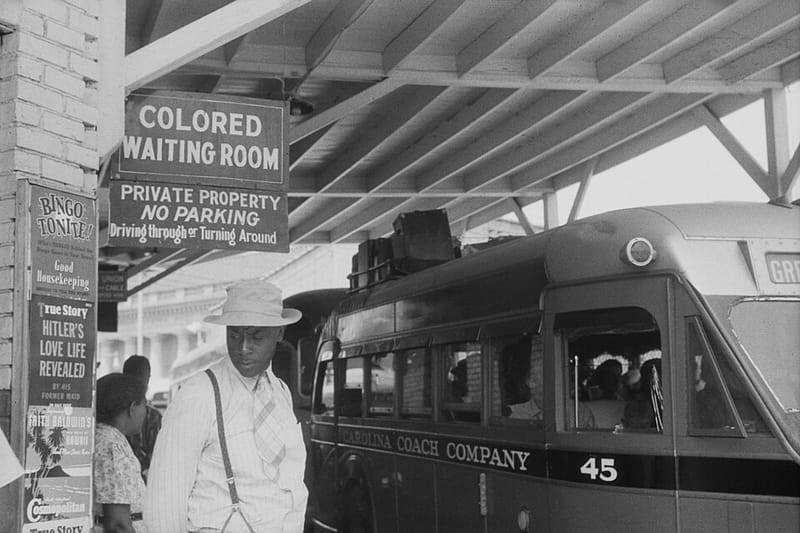
Plessy legitimized the spread of segregation throughout the South — in schools, transportation, restaurants, theaters, hospitals, and cemeteries — and the facilities provided to Black Americans were almost never equal. For more than fifty years, the overwhelming majority of African Americans were reduced to second-class citizenship.
Later interpretation
How later courts, scholars, and the public have judged the case — not part of the ruling itself.
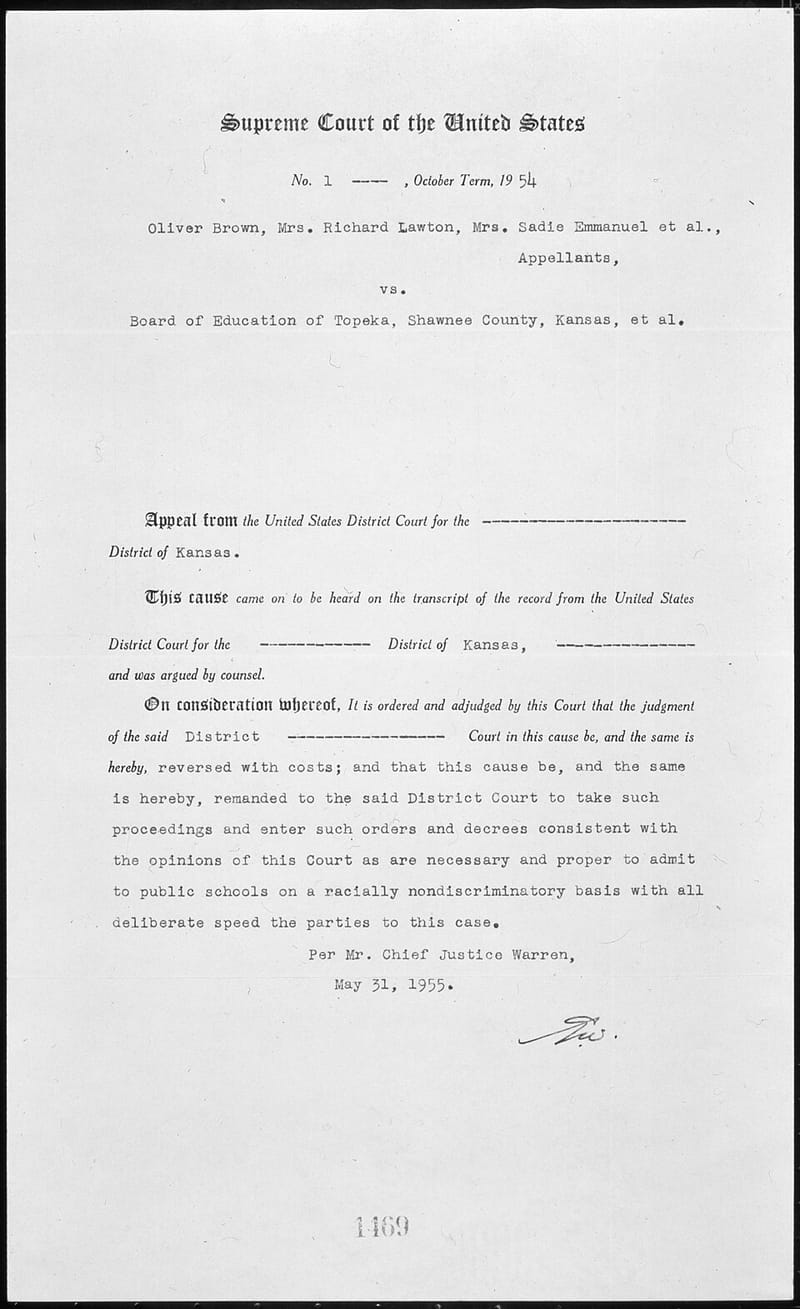
Harlan’s lone dissent came to be celebrated as prophetic. Civil rights lawyers spent decades challenging “separate but equal,” and in 1954 the Court unanimously held in Brown v. Board of Education that segregated public schools are inherently unequal. Plessy is today regarded as one of the Court’s gravest errors.
Study this entry
Check your understanding
Try answering in your own words, then open the answer.
1.What question did the Court have to answer?Show answerHide
Does a state law requiring separate railway cars for white and Black passengers violate the Fourteenth Amendment’s guarantee of equal protection of the laws?From “The legal question” above.
2.What did the Court decide?Show answerHide
By a vote of 7–1, the Court upheld the Louisiana law. As long as the separate facilities were equal, segregation did not violate the Constitution.From “The ruling” above.
3.How did the Court justify its decision?Show answerHide
Writing for the majority, Justice Henry Brown held that the Fourteenth Amendment guaranteed legal equality but could not abolish social distinctions based on color.From “The Court’s reasoning” above.
4.What were the consequences?Show answerHide
Plessy legitimized the spread of segregation throughout the South — in schools, transportation, restaurants, theaters, hospitals, and cemeteries — and the facilities provided to Black Americans were almost never equal.From “Consequences” above.
Turn this entry into 11 flashcards (key facts, dates, and why it matters) and review them in Learn.
Related History
How this connects to the rest of the atlas.
Events
People
Documents
Court cases

Sources
- 1.Plessy v. Ferguson (1896) — Milestone Documents
National Archives · Primary source · cited for background, test case, opinions
- 2.Plessy v. Ferguson
Oyez (Cornell LII, Justia, Chicago-Kent College of Law) · Scholarly · cited for vote and date
- 3.15th Amendment — Milestone Documents
National Archives · Primary source · cited for disenfranchisement devices of the 1890s
Image credits
- Judgment in Plessy v. Ferguson, The U.S. National Archives, 1896-05-18 09:09. Via Wikimedia Commons · Public domain · Source
Written for American History Atlas from the sources above. See how entries are researched.
Atlas by Alexander. More on Telegram.