Court CaseWorld War II and the Early Cold War
Brown v. Board of Education
The Supreme Court strikes down school segregation
1954Washington, D.C.
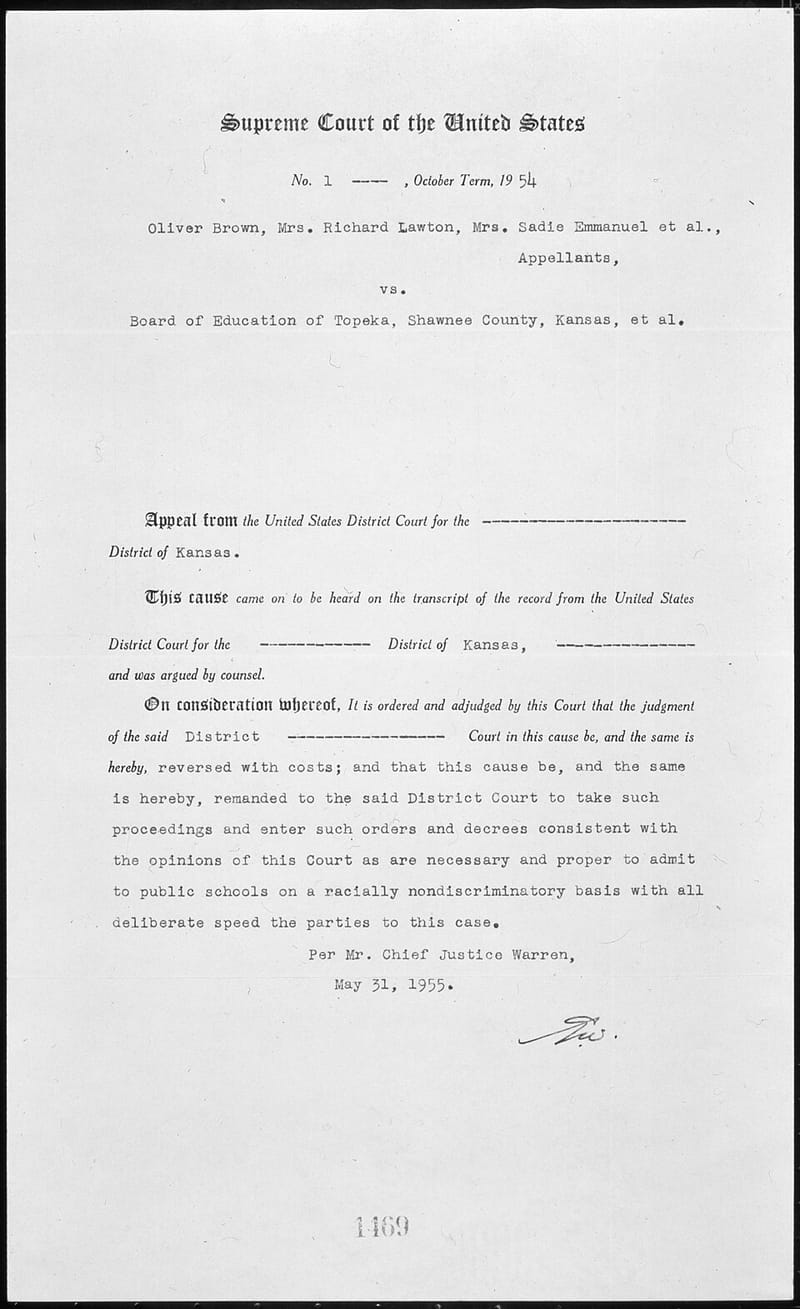
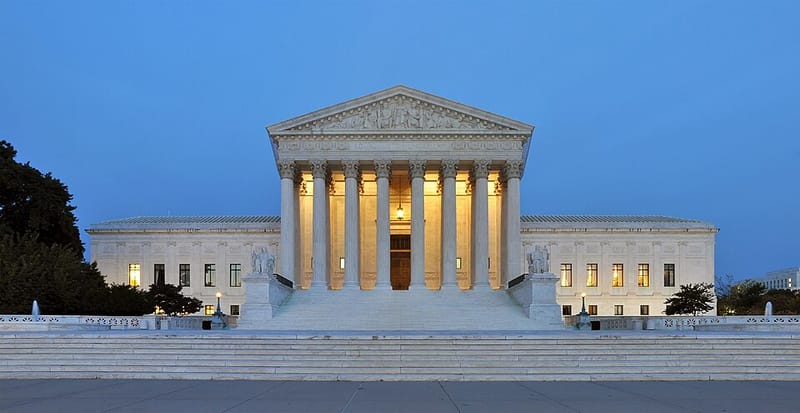
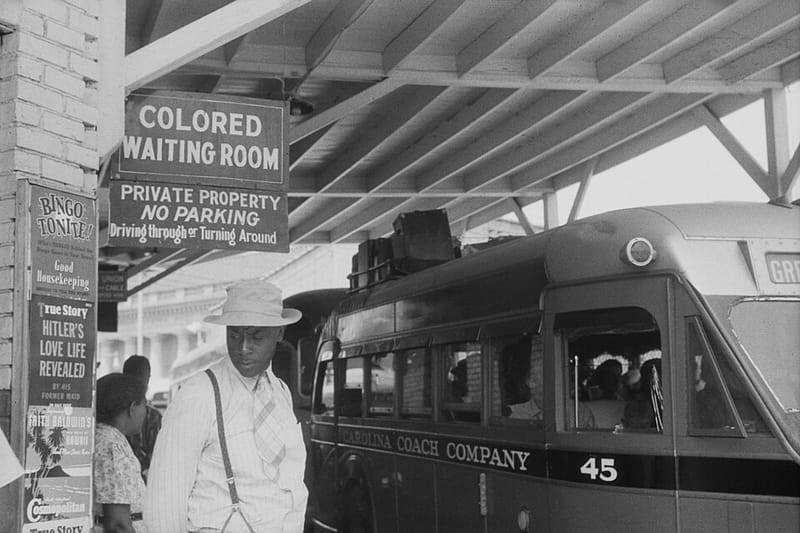
In Brown v. Board of Education of Topeka, decided May 17, 1954, a unanimous Supreme Court held that racial segregation in public schools violates the Fourteenth Amendment’s Equal Protection Clause. “Separate but equal” educational facilities, the Court ruled, are “inherently unequal.” The decision overturned the doctrine of Plessy v. Ferguson (1896) for public education and became a catalyst for the civil rights movement — though it met fierce resistance, and desegregation came slowly.
Key facts
- Citation
- 347 U.S. 483 (1954)
- Decided
- May 17, 1954
- Vote
- 9–0
- Majority opinion
- Chief Justice Earl Warren
- Location
- Washington, D.C.
- Decided
- May 17, 1954
- Vote
- 9–0
- Opinion
- Chief Justice Earl Warren
- Lead attorney for the plaintiffs
- Thurgood Marshall, NAACP Legal Defense Fund
- Implementation
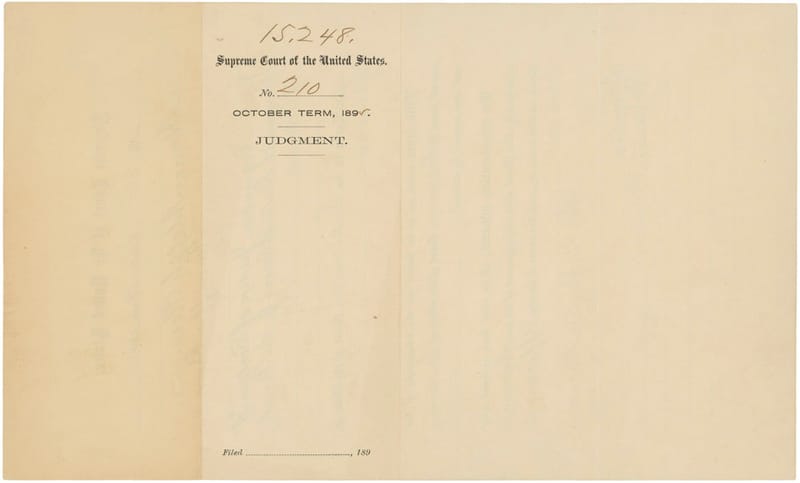
- Brown II (May 31, 1955): desegregate “with all deliberate speed”
Why it matters
Brown ended the constitutional legitimacy of legal segregation and gave the civil rights movement its foundation in law.
Historical context
Brown combined cases from Kansas, South Carolina, Virginia, Delaware, and Washington, D.C. In each, Black children had been denied admission to schools under laws requiring or allowing segregation. Lower courts had ruled against them under Plessy v. Ferguson, which permitted segregated facilities if they were equal. NAACP lawyers led by Thurgood Marshall had spent years attacking segregation in graduate and professional schools, and now challenged the principle itself.
The legal question
Does the segregation of public education based solely on race violate the Equal Protection Clause of the Fourteenth Amendment?
The ruling
Yes. Speaking for a unanimous Court, Chief Justice Earl Warren held that “separate but equal” facilities are inherently unequal and violate the Equal Protection Clause.
The Court’s reasoning
Warren reasoned that segregating children by race instilled a sense of inferiority that harmed the education and personal growth of Black children. He relied heavily on social science studies rather than precedent, and wrote in plain language because he believed all Americans needed to understand the decision. The Court scheduled further argument on how to carry out the ruling; in Brown II (1955) it instructed states to begin desegregating “with all deliberate speed.”
Consequences
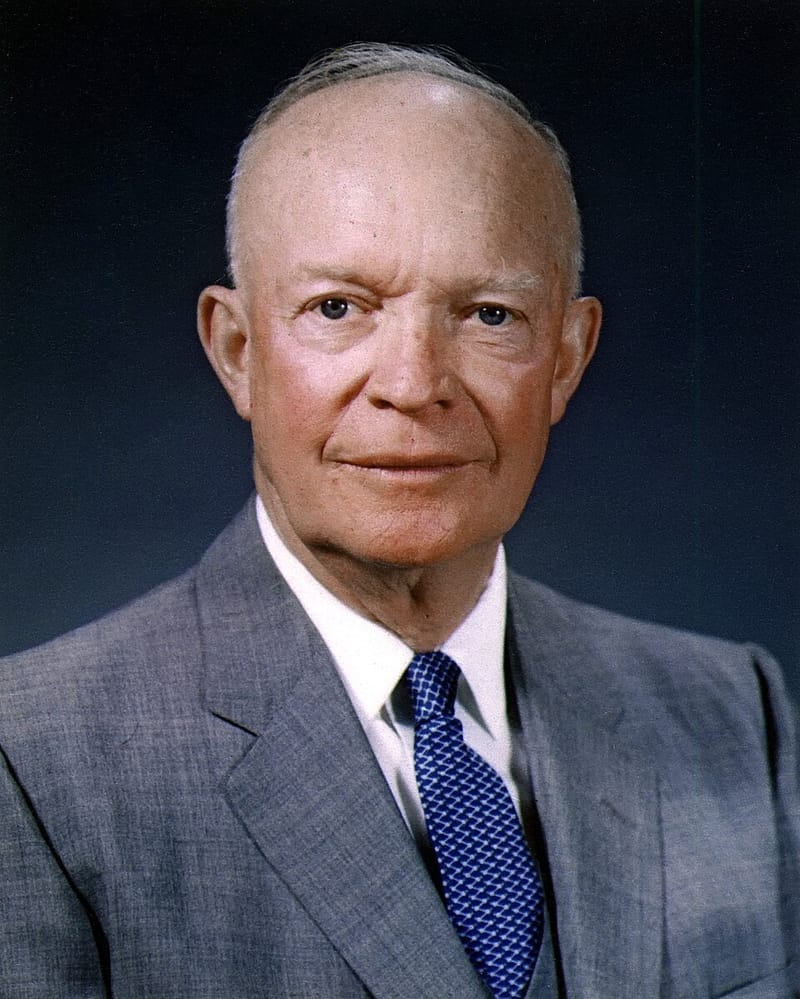
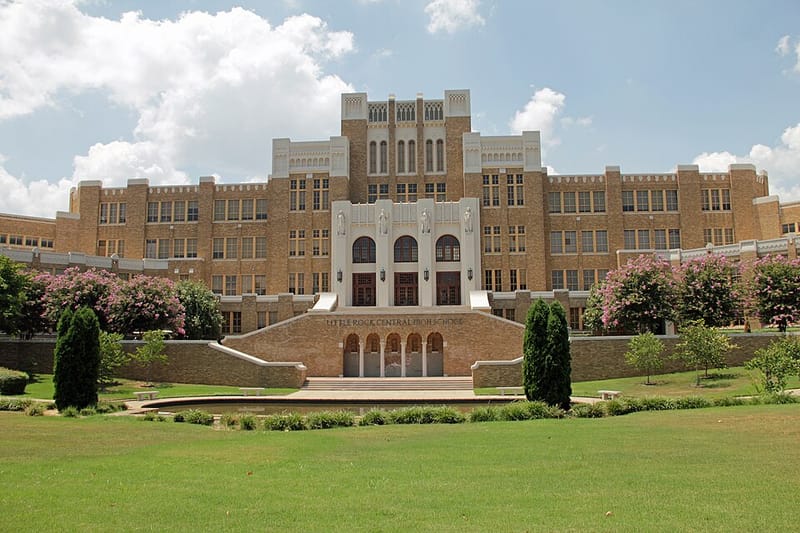
Despite two unanimous decisions, there was considerable resistance, and in 1957 President Eisenhower had to send federal troops to enforce the integration of Central High School in Little Rock. Some constitutional scholars criticized the decision for relying on social science rather than precedent; supporters of judicial restraint said the Court had written new law.
Later interpretation
How later courts, scholars, and the public have judged the case — not part of the ruling itself.
Civil rights activists were energized by Brown, and the Warren Court went on for fifteen years to issue decisions reshaping race relations, criminal justice, the political process, and church-state relations. The National Archives counts Brown among the milestone documents of American history.
Study this entry
Check your understanding
Try answering in your own words, then open the answer.
1.What question did the Court have to answer?Show answerHide
Does the segregation of public education based solely on race violate the Equal Protection Clause of the Fourteenth Amendment?From “The legal question” above.
2.What did the Court decide?Show answerHide
Yes. Speaking for a unanimous Court, Chief Justice Earl Warren held that “separate but equal” facilities are inherently unequal and violate the Equal Protection Clause.From “The ruling” above.
3.How did the Court justify its decision?Show answerHide
Warren reasoned that segregating children by race instilled a sense of inferiority that harmed the education and personal growth of Black children. He relied heavily on social science studies rather than precedent, and wrote in plain language because he believed all Americans needed to understand the decision.From “The Court’s reasoning” above.
4.What were the consequences?Show answerHide
Despite two unanimous decisions, there was considerable resistance, and in 1957 President Eisenhower had to send federal troops to enforce the integration of Central High School in Little Rock.From “Consequences” above.
Turn this entry into 9 flashcards (key facts, dates, and why it matters) and review them in Learn.
Related History
How this connects to the rest of the atlas.
Events
People
Documents
Court cases
Concepts

Sources
- 1.Brown v. Board of Education (1954) — Milestone Documents
National Archives · Primary source · cited for ruling, Brown II, reaction
- 2.Brown v. Board of Education of Topeka (1)
Oyez (Cornell LII, Justia, Chicago-Kent College of Law) · Scholarly · cited for facts, question, holding, vote
- 3.Marshall, Thurgood
The Martin Luther King, Jr. Research and Education Institute, Stanford University · Scholarly · cited for life and career
- 4.Little Rock School Desegregation
The Martin Luther King, Jr. Research and Education Institute, Stanford University · Scholarly · cited for Little Rock Nine, Faubus, Eisenhower
Image credits
- Judgment, Brown v. Board of Education, Unknown author Unknown author or not provided, 31 May 1955. Via Wikimedia Commons · Public domain · Source
Written for American History Atlas from the sources above. See how entries are researched.
Atlas by Alexander. More on Telegram.