ConceptIndustrialization and the Gilded Age
Jim Crow
The system of legal segregation and disenfranchisement, 1880s–1960s
1880s – 1965
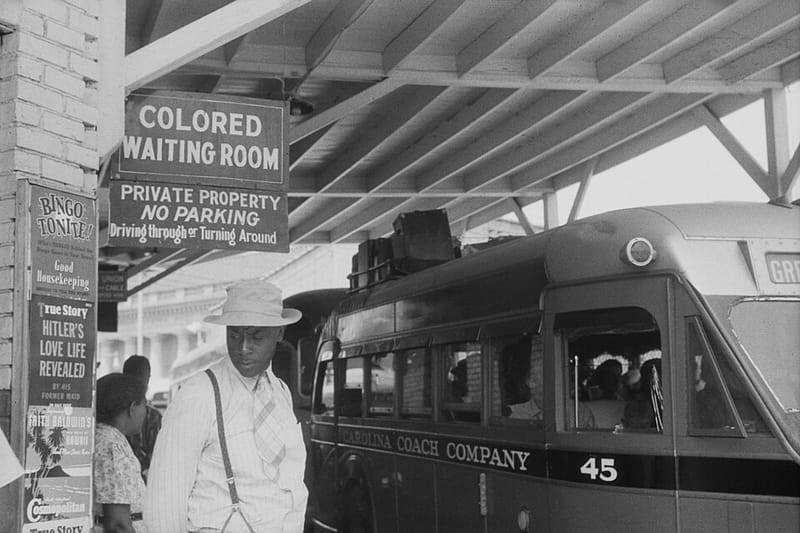
“Jim Crow” — named after a Black character in minstrel shows — was the system of laws and customs that enforced racial segregation and stripped Black Americans of voting rights, especially in the South, from the 1880s to the 1960s. Laws required separate schools, train cars, waiting rooms, cemeteries, and even baseball fields; poll taxes, literacy tests, and violence kept Black citizens from voting. Upheld by the Supreme Court in Plessy v. Ferguson, Jim Crow was finally dismantled by the civil rights movement.
Key facts
- Date
- 1880s – 1965
- Dating note
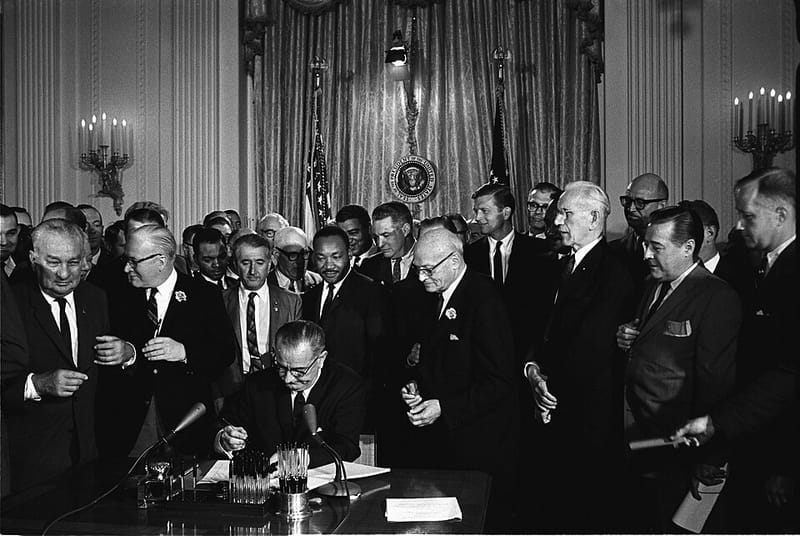
- Segregation laws spread from the 1880s; the Civil Rights Act of 1964 and the Voting Rights Act of 1965 dismantled the legal structure.
- Name
- From a Black character in minstrel shows
- Era
- From the 1880s into the 1960s
- Legal foundation
- Plessy v. Ferguson (1896), “separate but equal”
- Voting restrictions
- Literacy tests, poll taxes, “grandfather clauses”
- Ended by
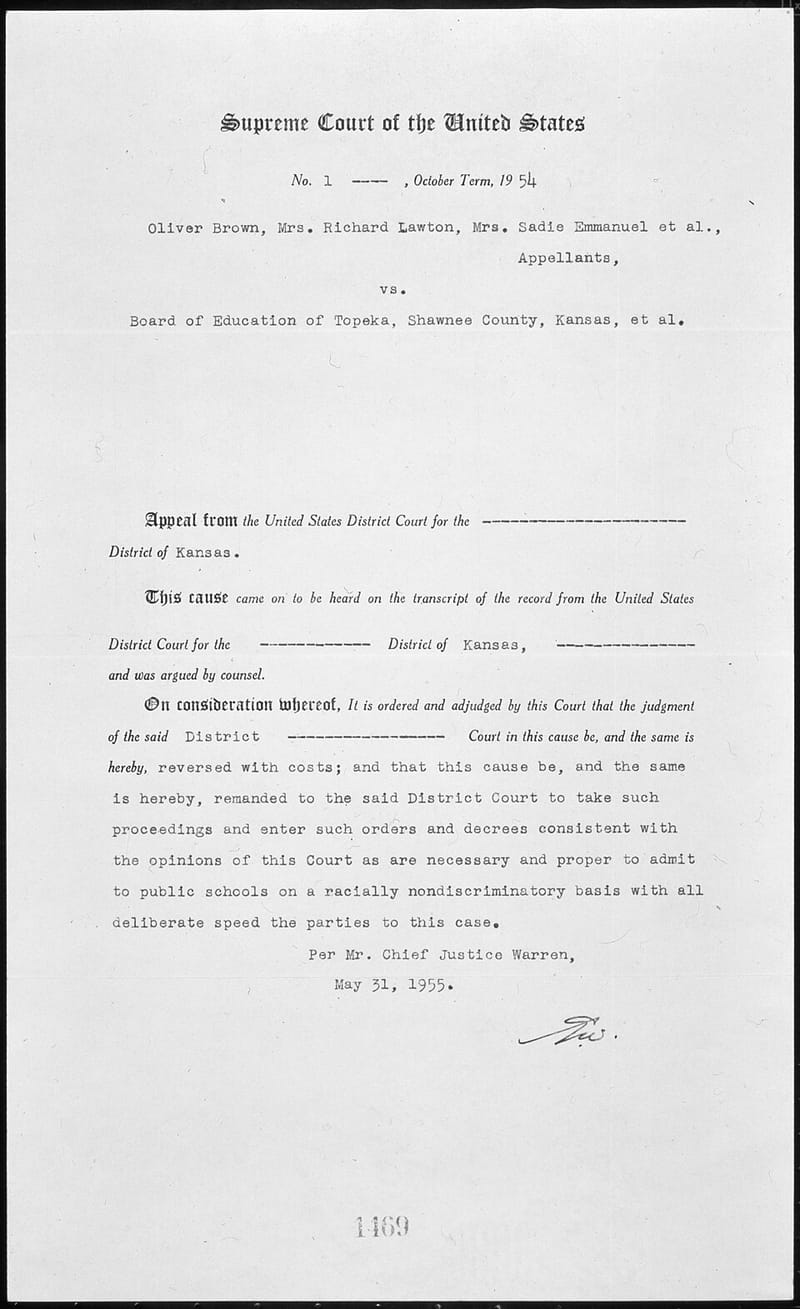
- Brown v. Board (1954), Civil Rights Act (1964), Voting Rights Act (1965)
Why it matters
Jim Crow shaped nearly every aspect of life for Black Americans for three generations, and its legacy — in segregated neighborhoods, schools, and unequal wealth — outlived the laws themselves.
Definition
Jim Crow refers to the legal and social order that separated white and Black Americans and kept Black people subordinate after Reconstruction. Many states and cities — not only in the South — punished interracial marriage and required businesses and public institutions to separate Black and white customers.
Historical context
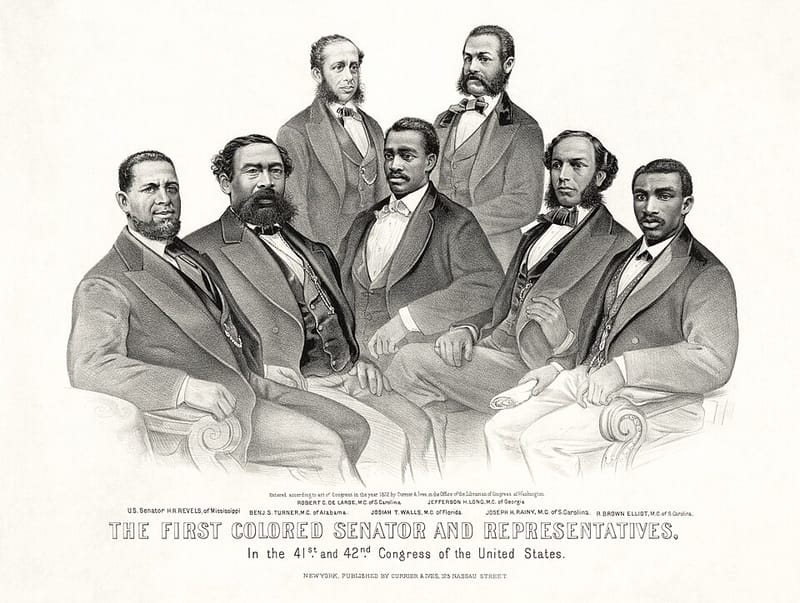
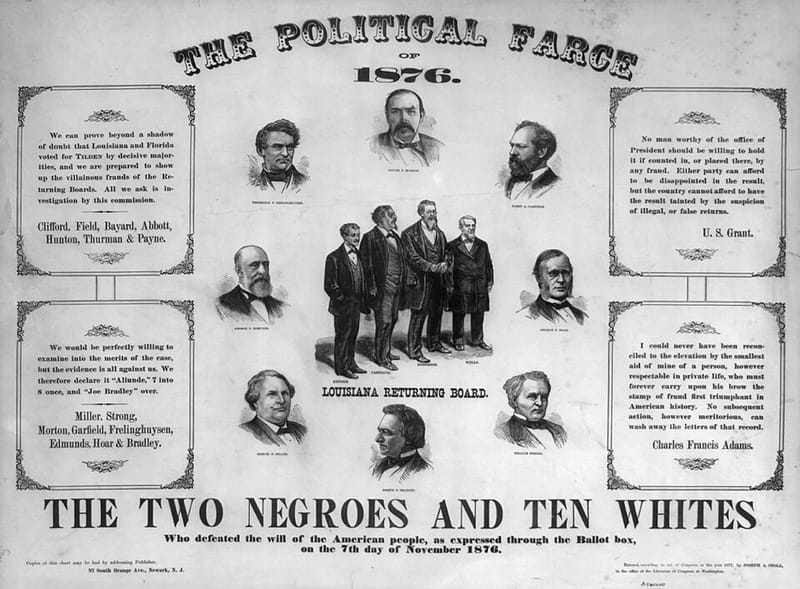
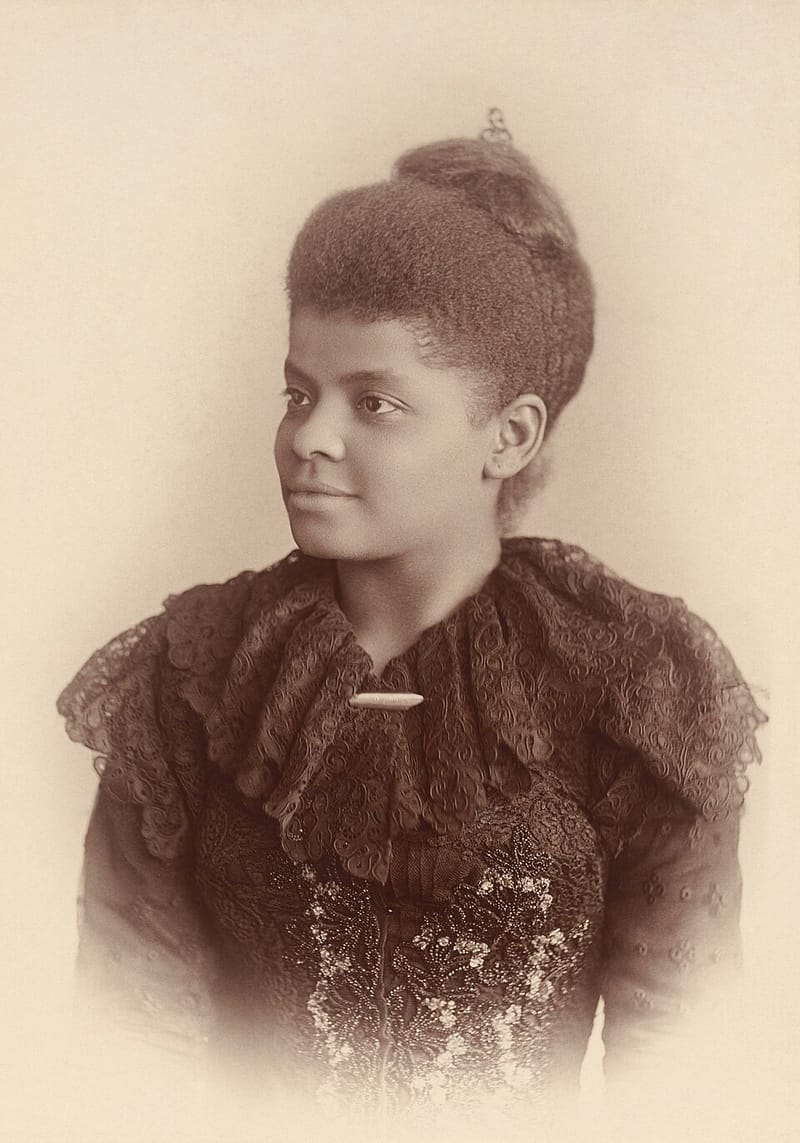
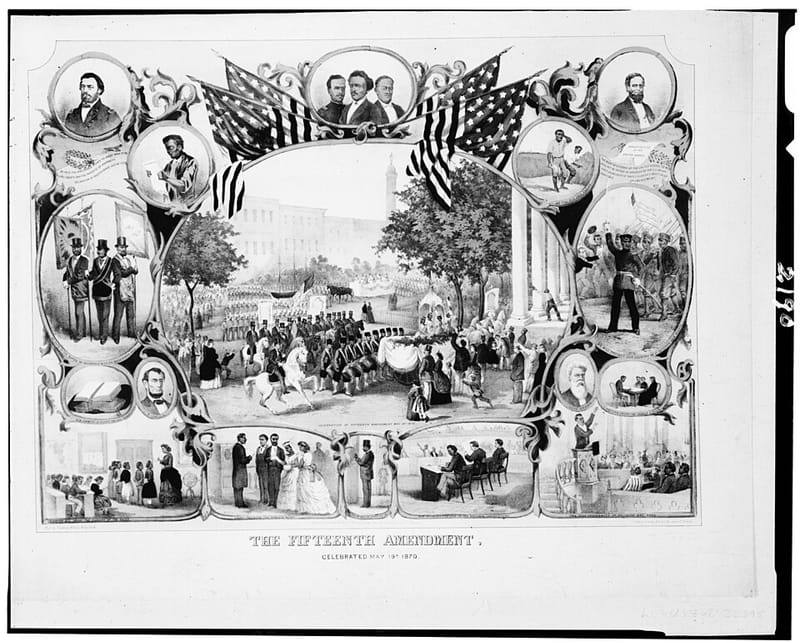
After federal troops withdrew from the South in 1877, white Democrats regained control and the number of Black officeholders declined. In the 1880s and 1890s, Southern states began writing segregation into law, and in the early 1890s they adopted literacy tests, “grandfather clauses” exempting men whose ancestors had voted before the Civil War, and other devices to disenfranchise Black voters despite the Fifteenth Amendment. The Supreme Court approved segregation in 1896. Lynching and other violence enforced the system, as journalists such as Ida B. Wells documented.
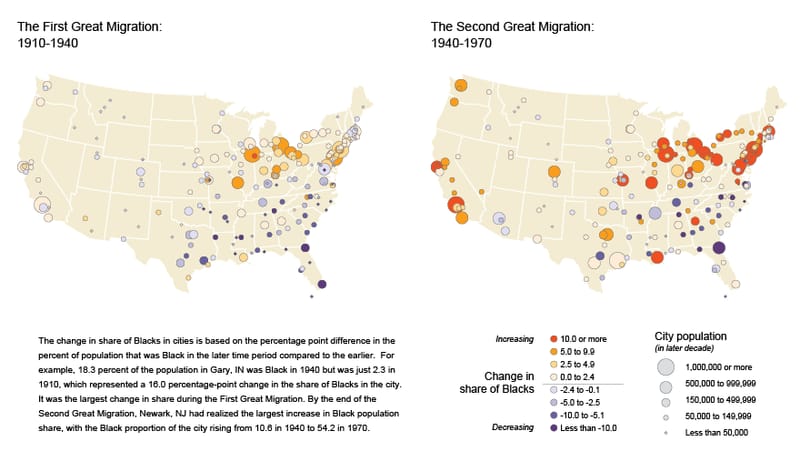
Black Americans resisted throughout: building institutions, challenging laws in court through organizations such as the NAACP, and, in the Great Migration, leaving the South by the millions.
Examples
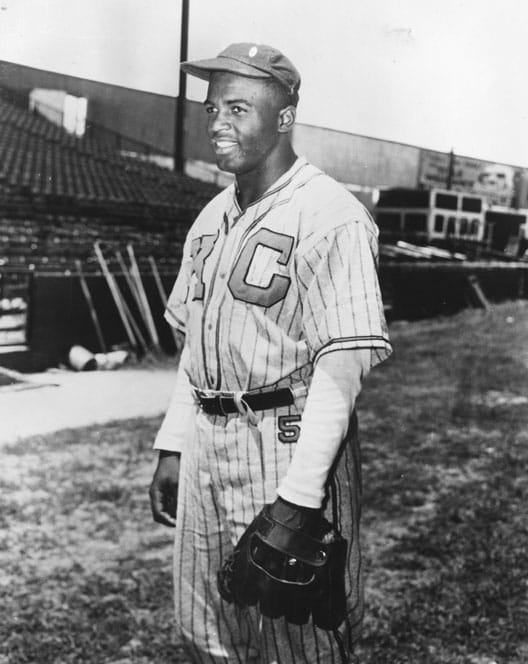
Laws collected by the National Park Service show how far segregation reached: - Georgia barred Black and white amateur baseball teams from playing within two blocks of each other’s playgrounds. - Alabama required separate waiting rooms and ticket windows at bus stations. - Georgia forbade burying Black people in ground set apart for whites. - Florida punished unmarried interracial couples who lived together with up to a year in prison.
Study this entry
Check your understanding
Try answering in your own words, then open the answer.
1.What does “Jim Crow” mean?Show answerHide
Jim Crow refers to the legal and social order that separated white and Black Americans and kept Black people subordinate after Reconstruction. Many states and cities — not only in the South — punished interracial marriage and required businesses and public institutions to separate Black and white customers.From “Definition” above.
2.Where did the idea come from?Show answerHide
After federal troops withdrew from the South in 1877, white Democrats regained control and the number of Black officeholders declined.From “Historical context” above.
3.What are some examples?Show answerHide
Laws collected by the National Park Service show how far segregation reached: - Georgia barred Black and white amateur baseball teams from playing within two blocks of each other’s playgrounds. - Alabama required separate waiting rooms and ticket windows at bus stations. - Georgia forbade burying Black people in ground set apart for whites. - Florida punished unmarried interracial couples who lived together with up to a year in prison.From “Examples” above.
Turn this entry into 11 flashcards (key facts, dates, and why it matters) and review them in Learn.
Related History
How this connects to the rest of the atlas.
Events
People
Documents
Court cases
Movements

Sources
- 1.Examples of Jim Crow Laws
National Park Service, Martin Luther King Jr. National Historical Park · Primary source · cited for definition, dates, sample laws
- 2.15th Amendment — Milestone Documents
National Archives · Primary source · cited for disenfranchisement devices of the 1890s
- 3.Plessy v. Ferguson (1896) — Milestone Documents
National Archives · Primary source · cited for background, test case, opinions
- 4.Black Officeholders in the Reconstruction South
Who Built America? (American Social History Project, CUNY) · Scholarly · cited for decline of Black officeholding after 1877
- 5.Ida B. Wells-Barnett
National Women’s History Museum · Institutional · cited for life, journalism, anti-lynching work, suffrage, NAACP, death
Image credits
- JimCrowInDurhamNC, Jack Delano, 1940-05. Via Wikimedia Commons · Public domain · Source
Written for American History Atlas from the sources above. See how entries are researched.
Atlas by Alexander. More on Telegram.