MovementThe Twenties and the Great Depression
The Harlem Renaissance
A flowering of Black literature, art, and music in 1920s New York
1922–1935Harlem, New York City
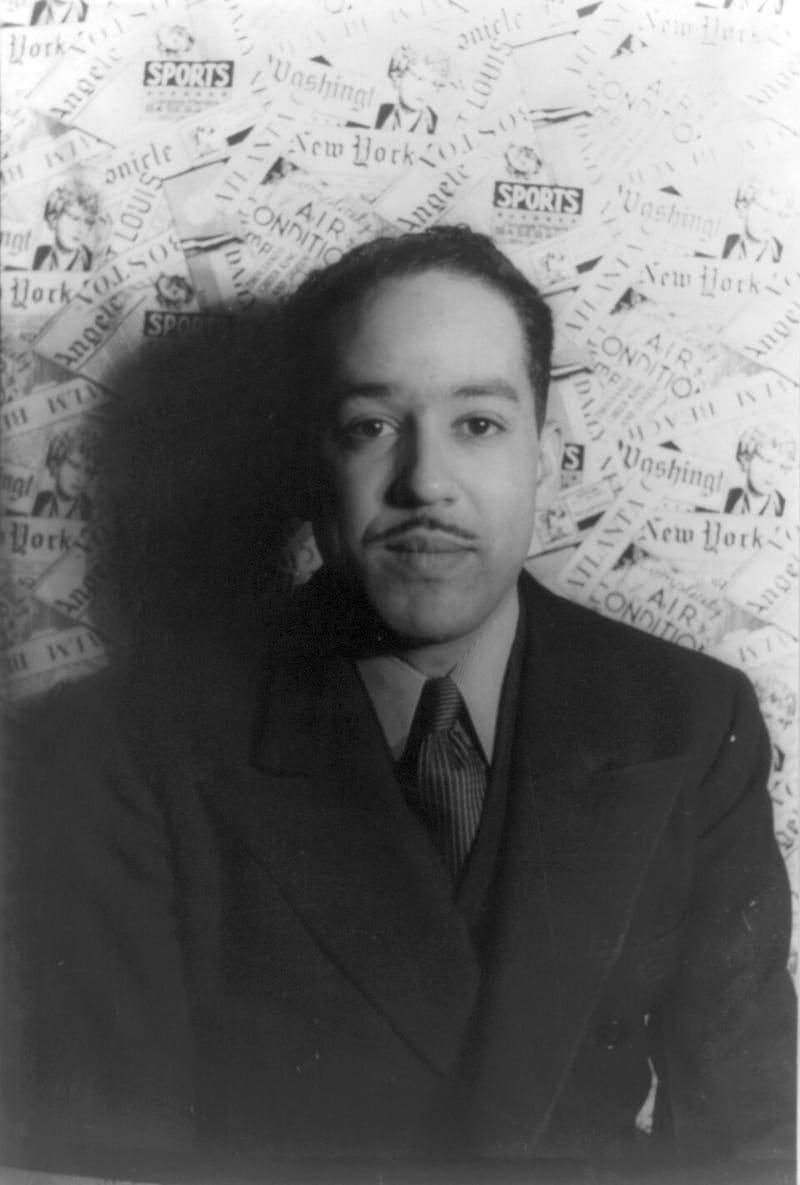
In the 1920s Harlem, in upper Manhattan, became what James Weldon Johnson called “the Culture Capital”. Writers such as Langston Hughes, Claude McKay, Jessie Redmon Fauset, and Zora Neale Hurston, along with artists, actors, and jazz musicians, produced a burst of creative work that came to be called the Harlem Renaissance or the New Negro Movement. Its leading figure Alain Locke declared that a new generation was achieving “something like a spiritual emancipation.”
Key facts
- Date
- 1922–1935
- Location
- Harlem, New York City
- Dating note
- Historians date it differently; Harlem Renaissance writers published most of their novels between 1922 and 1935.
- Also called
- The New Negro Movement
- Key book
- Alain Locke’s anthology The New Negro (1925)
- Output
- About 26 novels and 10 volumes of poetry, 1922–1935
- Writers
- Langston Hughes, Claude McKay, Jessie Redmon Fauset, Zora Neale Hurston
- Music
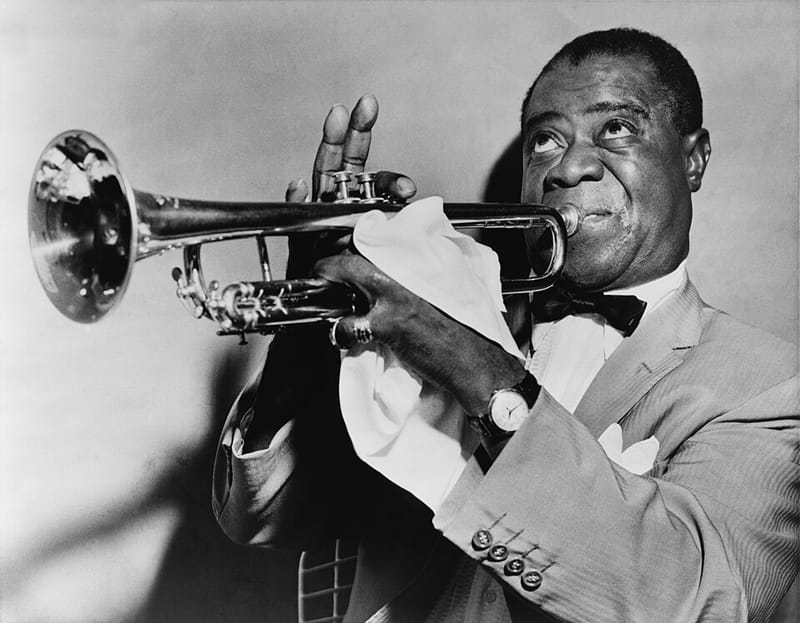
- Jazz — Duke Ellington, Louis Armstrong
Why it matters
The Harlem Renaissance made Black writers, artists, and musicians central to American culture and gave later civil rights generations a powerful tradition of self-expression.
Goals
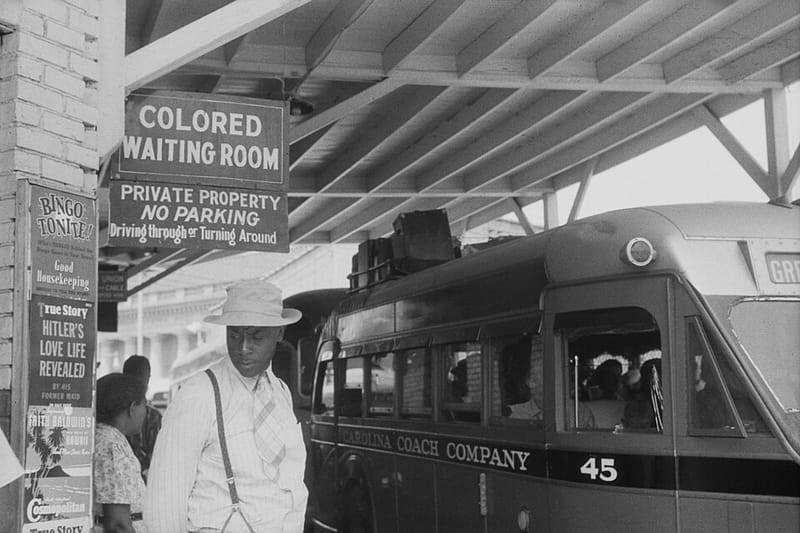
Black Americans entered the 1920s weighed down by Jim Crow segregation, lynching, and the racial violence of 1919’s “Red Summer.” Harlem Renaissance writers and artists sought to define Black life on their own terms. Alain Locke, one of its leading figures, proclaimed in 1925 that the generation of subservience was over and that African Americans were “achieving something like a spiritual emancipation.”
Strategies
The movement worked through culture: novels, poetry, short stories, theater, painting, and music. Locke’s anthology The New Negro (1925) gathered writing by men and women, young and old, Black and white — a book, as The American Yawp puts it, of African Americans rather than only about them.
Opposition
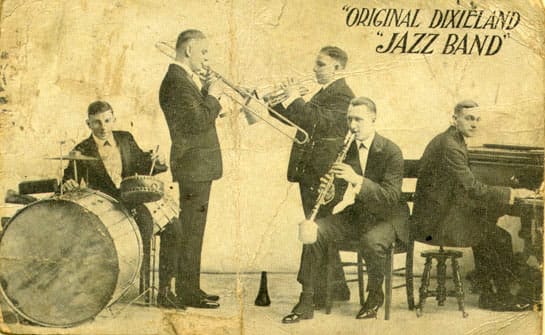
The Renaissance grew up against Jim Crow and racial violence. Even its successes were shaped by segregation: white audiences traveled to Harlem’s Cotton Club and Smalls to hear “real jazz,” but the surrounding Black community was usually excluded from those venues. The New York Times ridiculed jazz as “savage.”
Achievements
Between 1922 and 1935, Harlem Renaissance writers published some twenty-six novels, ten volumes of poetry, and countless short stories; women such as Jessie Redmon Fauset and Zora Neale Hurston wrote nearly a third of the novels. The movement also flourished in theater, art, and music, as jazz rocketed in popularity and musicians like Louis Armstrong developed their art in New York.
Unresolved questions
As the Renaissance faded, The American Yawp stresses that it was one chapter in a much longer history of Black cultural and intellectual achievement. How far art alone could change a segregated society remained an open question, and other leaders, such as Marcus Garvey and his Harlem-based Universal Negro Improvement Association, offered very different answers.
Study this entry
Check your understanding
Try answering in your own words, then open the answer.
1.What did the movement want?Show answerHide
Black Americans entered the 1920s weighed down by Jim Crow segregation, lynching, and the racial violence of 1919’s “Red Summer.” Harlem Renaissance writers and artists sought to define Black life on their own terms.From “Goals” above.
2.How did it pursue its goals?Show answerHide
The movement worked through culture: novels, poetry, short stories, theater, painting, and music. Locke’s anthology The New Negro (1925) gathered writing by men and women, young and old, Black and white — a book, as The American Yawp puts it, of African Americans rather than only about them.From “Strategies” above.
3.Who opposed it, and how?Show answerHide
The Renaissance grew up against Jim Crow and racial violence. Even its successes were shaped by segregation: white audiences traveled to Harlem’s Cotton Club and Smalls to hear “real jazz,” but the surrounding Black community was usually excluded from those venues.From “Opposition” above.
4.What did it achieve?Show answerHide
Between 1922 and 1935, Harlem Renaissance writers published some twenty-six novels, ten volumes of poetry, and countless short stories; women such as Jessie Redmon Fauset and Zora Neale Hurston wrote nearly a third of the novels.From “Achievements” above.
Turn this entry into 11 flashcards (key facts, dates, and why it matters) and review them in Learn.
Related History
How this connects to the rest of the atlas.
People
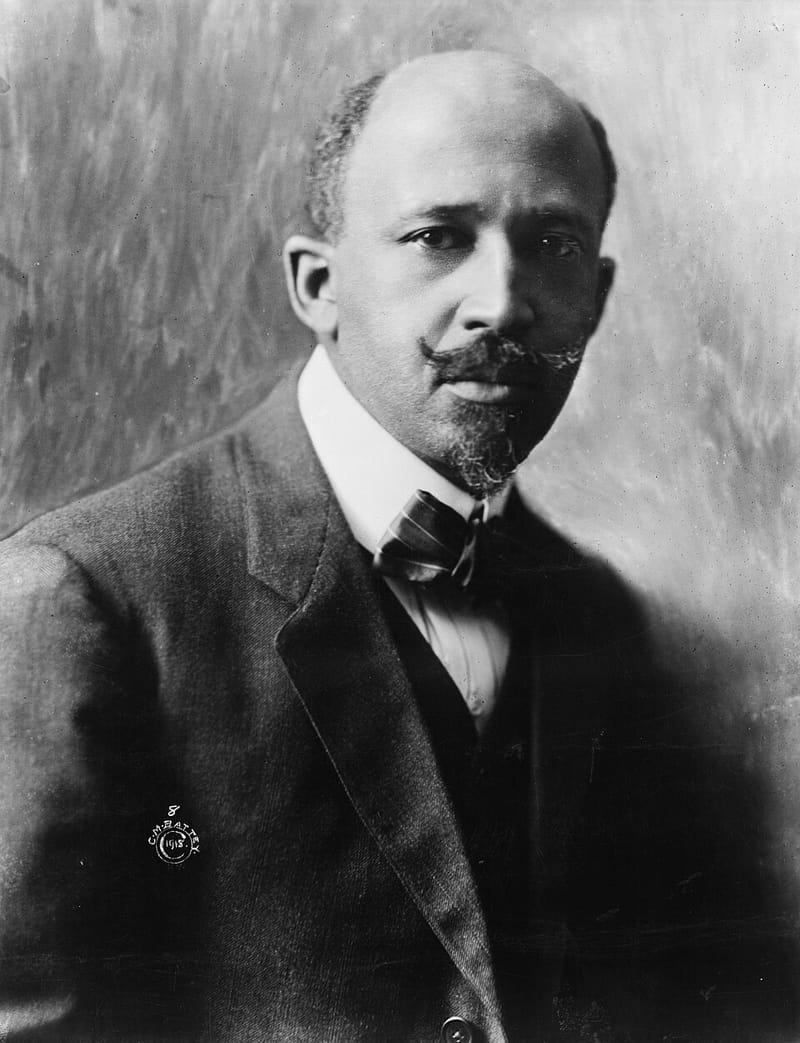

Sources
- 1.The American Yawp, “The New Era”
The American Yawp (eds. Joseph Locke and Ben Wright; Stanford University Press) · Scholarly · cited for the Jazz Age, radio and records, the Harlem Renaissance, the New Negro
- 2.Louis Armstrong: Harlem Renaissance Pioneer
National Archives, Pieces of History blog · Institutional · cited for birth date, youth, recordings, scat, firsts, State Department tours, legacy
Image credits
- Langston Hughes by Carl Van Vechten 1936, Carl Van Vechten, 1936. Via Wikimedia Commons · Public domain · Source
Written for American History Atlas from the sources above. See how entries are researched.
Atlas by Alexander. More on Telegram.