DocumentCivil War and Reconstruction
The Fourteenth Amendment
Citizenship, due process, and equal protection, 1868
July 9, 1868
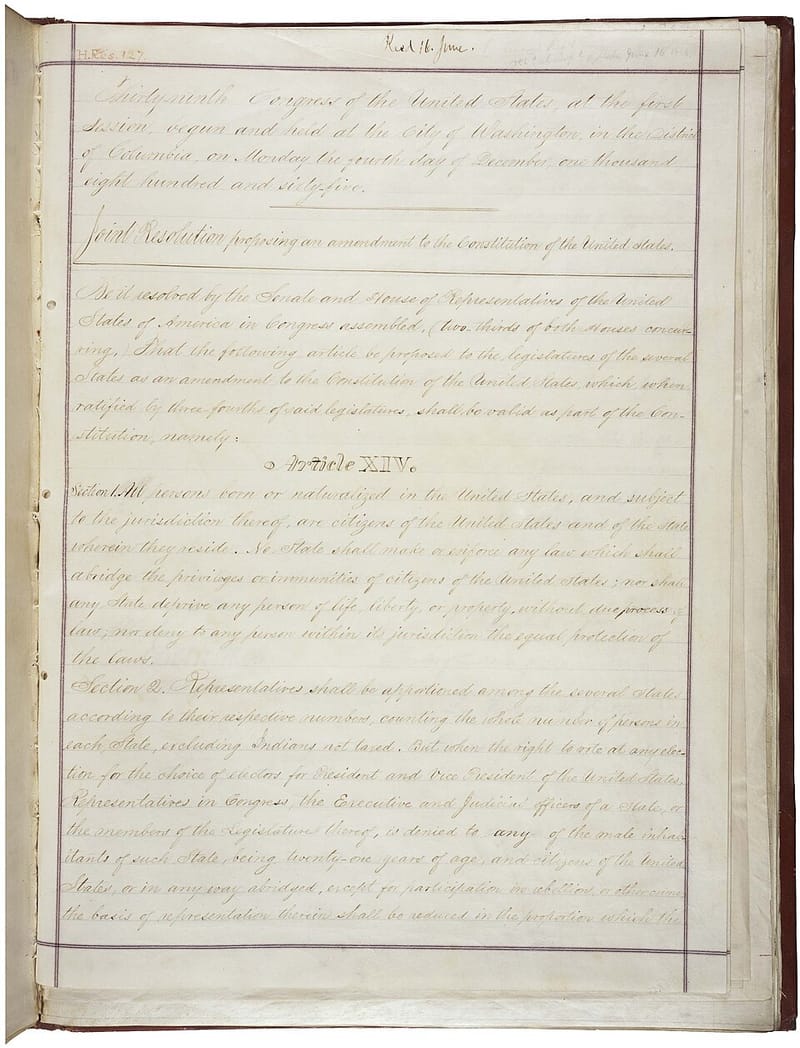
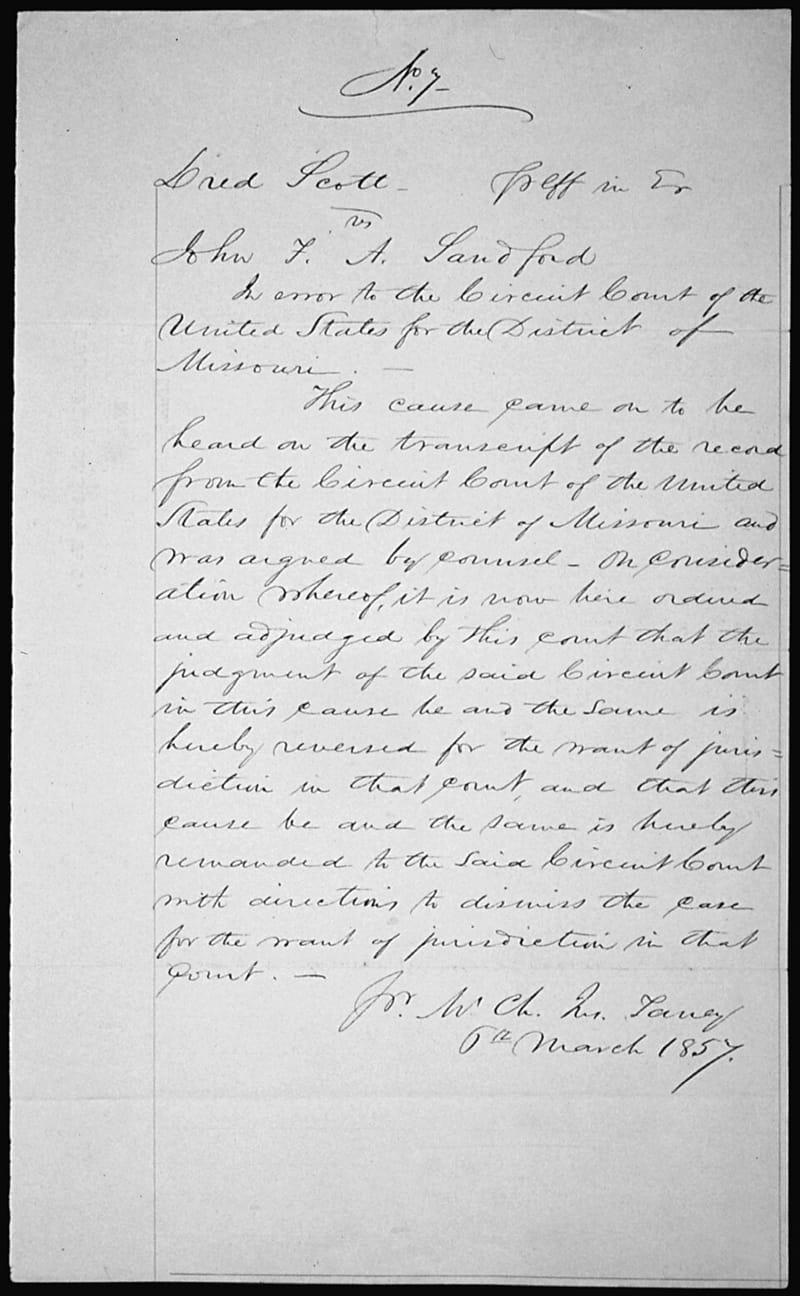
The Fourteenth Amendment made “all persons born or naturalized in the United States” citizens and forbade any state to deny any person “life, liberty, or property, without due process of law” or “the equal protection of the laws.” Written to secure the rights of formerly enslaved people and overturn Dred Scott, it was narrowly interpreted for decades. In the twentieth century it became the most important source of civil rights in American law.
Key facts
- Date
- July 9, 1868
- Authors
- Thirty-ninth Congress; Representative John A. Bingham (principal author of Section 1)
- Dating note
- Passed by Congress June 13, 1866; ratified July 9, 1868; certified July 28, 1868.
- Passed Congress
- June 13, 1866
- Ratified
- July 9, 1868, by 28 of 37 states
- Key clauses
- Citizenship; privileges or immunities; due process; equal protection
- Overturned
- The Dred Scott ruling that Black Americans could not be citizens
Read the amendment at the National Archives
Why it matters
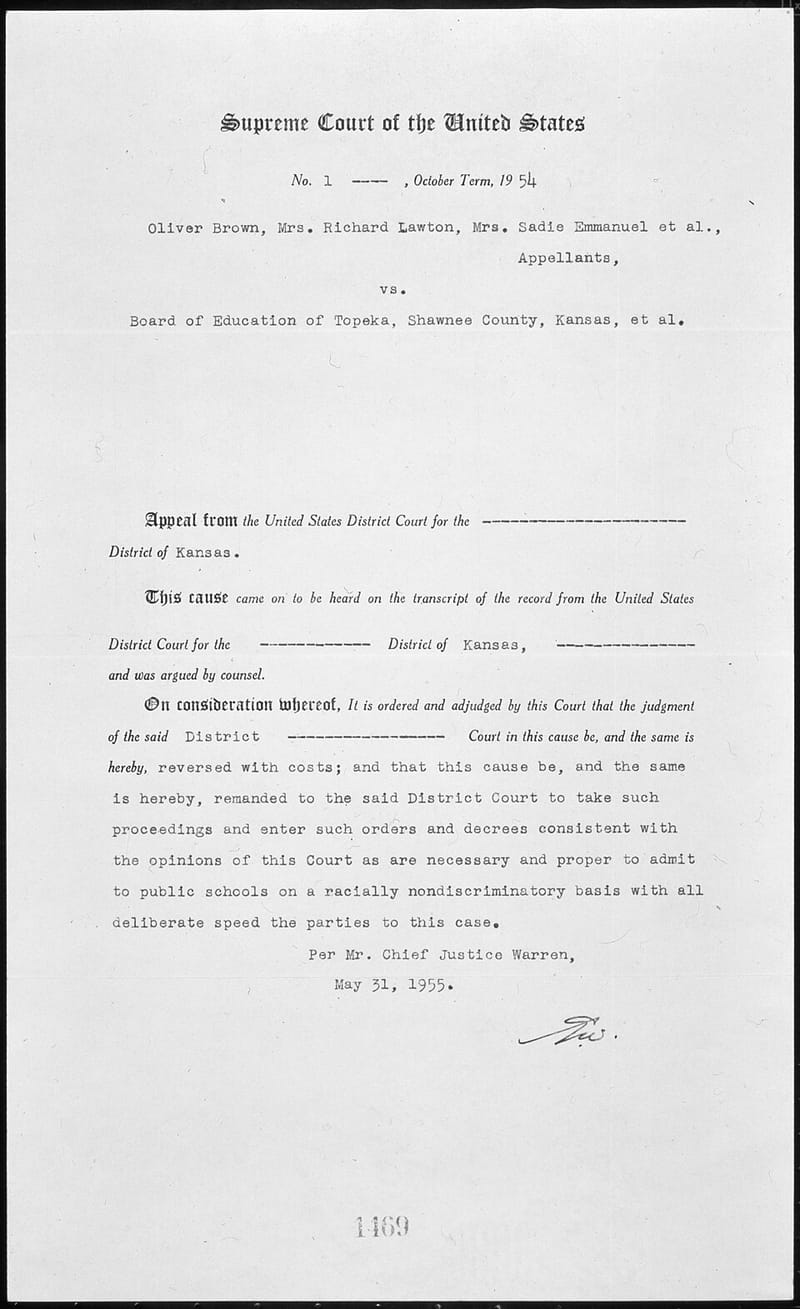
For decades the amendment failed to protect Black citizens: the Supreme Court read it narrowly and upheld segregation in Plessy v. Ferguson (1896). But the arguments of those who fought to enforce it laid the basis for change. In the twentieth century, courts used its due process and equal protection clauses to apply most of the Bill of Rights to the states and to strike down segregation in Brown v. Board of Education (1954). It remains at the center of constitutional debates over equality and rights.
Historical circumstances
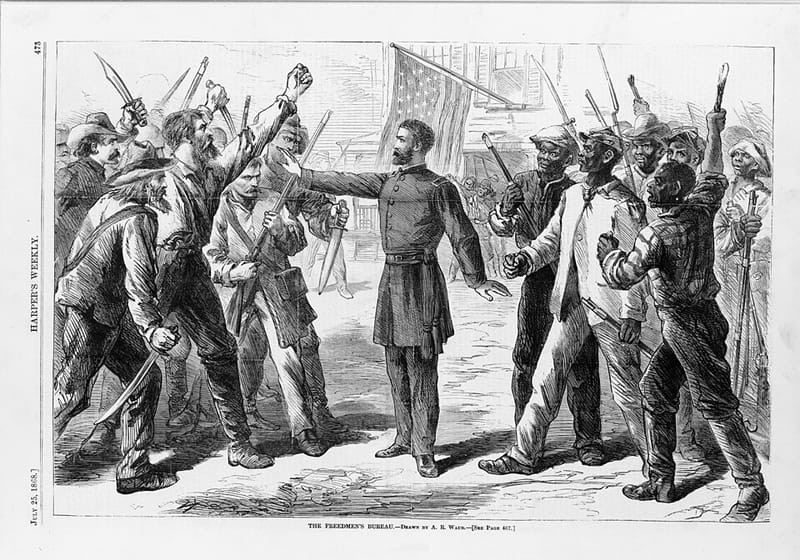
After the war, Southern states under President Andrew Johnson’s lenient Reconstruction passed “black codes” that restricted freedpeople’s rights and essentially maintained slavery under another name. Congress responded with the Civil Rights Act of 1866, defining all persons born in the United States as citizens, and then wrote those principles into the Constitution so that a later Congress or court could not undo them.
Principal ideas
- Citizenship. Everyone born or naturalized in the United States and subject to its jurisdiction is a citizen of the nation and of their state — reversing Dred Scott.
- Privileges or immunities, due process, and equal protection. No state may abridge the privileges or immunities of citizens, deprive any person of life, liberty, or property without due process, or deny any person equal protection of the laws. These guarantees now bound state governments, not just the federal government.
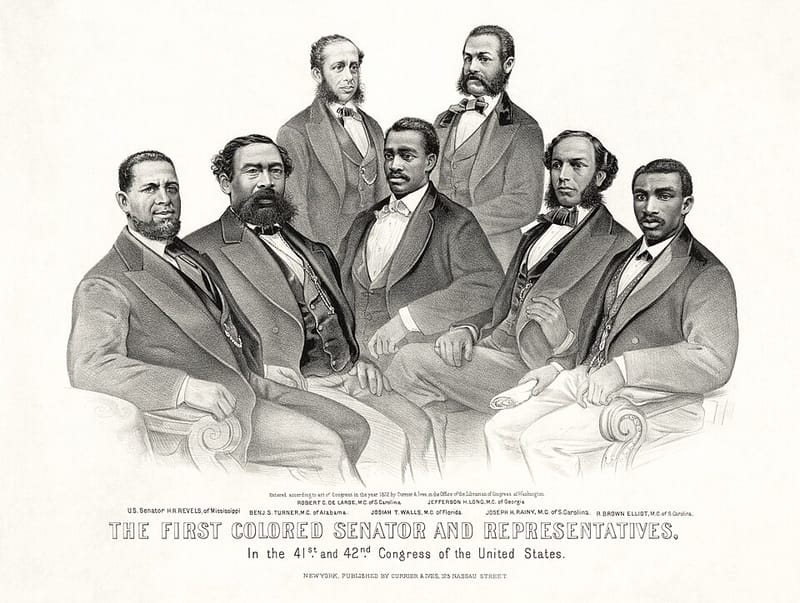
- Representation, officeholding, and debt. Other sections reduced representation for states that denied men the vote, barred certain former Confederate officials from office, and repudiated Confederate debts.
Its chief author, Representative John Bingham of Ohio, and Senator Jacob Howard of Michigan said the amendment would make the Bill of Rights binding on the states; historians disagree on how widely that view was shared.
Study this entry
Check your understanding
Try answering in your own words, then open the answer.
1.Why was this document written?Show answerHide
After the war, Southern states under President Andrew Johnson’s lenient Reconstruction passed “black codes” that restricted freedpeople’s rights and essentially maintained slavery under another name.From “Historical circumstances” above.
2.What are its principal ideas?Show answerHide
- Citizenship. Everyone born or naturalized in the United States and subject to its jurisdiction is a citizen of the nation and of their state — reversing Dred Scott. - Privileges or immunities, due process, and equal protection. No state may abridge the privileges or immunities of citizens, deprive any person of life, liberty, or property without due process, or deny any person equal protection of the laws.From “Principal ideas” above.
Turn this entry into 11 flashcards (key facts, dates, and why it matters) and review them in Learn.
Related History
How this connects to the rest of the atlas.
Events
People
Documents
Court cases

Institutions

Sources
- 1.14th Amendment — Milestone Documents
National Archives · Primary source · cited for passage, ratification, provisions, Bingham and Howard
- 2.Andrew Johnson: Life in Brief
Miller Center, University of Virginia · Scholarly · cited for presidential Reconstruction, black codes, impeachment, Black officeholders
Image credits
- 14th Amendment Pg1of2 AC, National Archives of the United States. Via Wikimedia Commons · Public domain · Source
Written for American History Atlas from the sources above. See how entries are researched.
Atlas by Alexander. More on Telegram.