Court CaseThe United States in the Twenty-First Century
Obergefell v. Hodges
The Supreme Court recognizes same-sex couples’ right to marry
2015Washington, D.C.
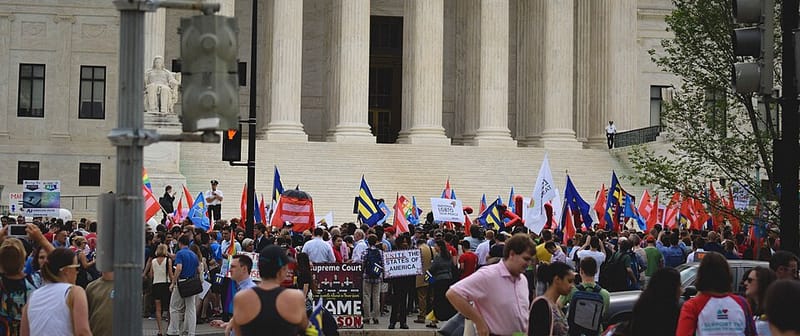
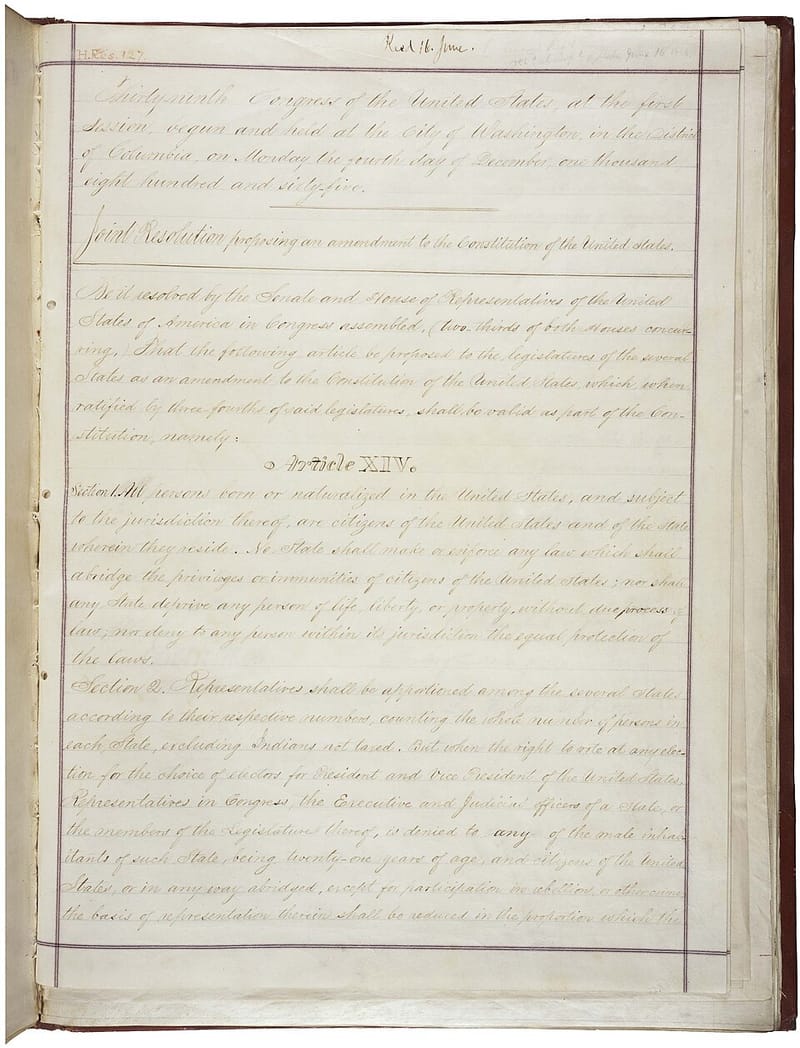
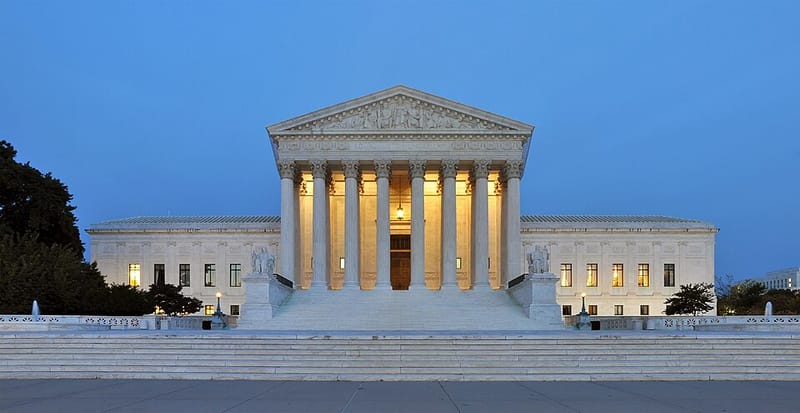
In Obergefell v. Hodges (2015), the Supreme Court held 5–4 that the Fourteenth Amendment guarantees same-sex couples the right to marry and requires states to recognize same-sex marriages performed in other states. Justice Anthony Kennedy wrote that the right to marry is a fundamental liberty that applies to same-sex couples just as it does to opposite-sex couples. The decision made marriage equality the law nationwide.
Key facts
- Citation
- 576 U.S. 644 (2015)
- Decided
- June 26, 2015
- Vote
- 5–4
- Majority opinion
- Justice Anthony Kennedy
- Location
- Washington, D.C.
- Decided
- June 26, 2015
- Vote
- 5–4
- Opinion
- Justice Anthony Kennedy
- Holding
- The Fourteenth Amendment protects the right of same-sex couples to marry
- Dissenters
- Chief Justice John Roberts and Justices Antonin Scalia, Clarence Thomas, and Samuel Alito
Why it matters
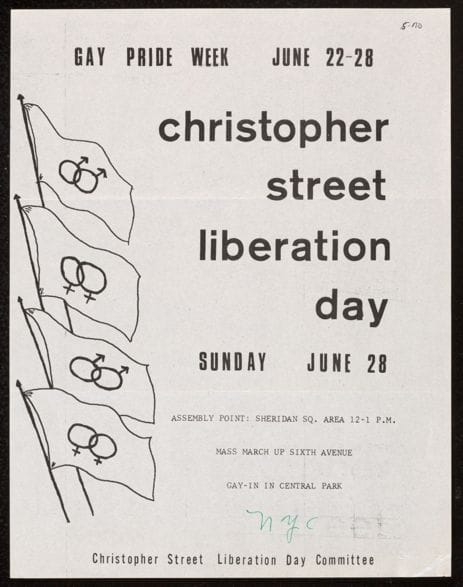
Obergefell was the culmination of decades of LGBTQ+ activism and one of the most consequential civil rights rulings of the twenty-first century.
Historical context
By the 2010s, some states allowed same-sex couples to marry while others banned it and refused to recognize marriages performed elsewhere. Same-sex couples in Ohio, Michigan, Kentucky, and Tennessee sued, arguing that their states’ bans violated the Equal Protection and Due Process Clauses of the Fourteenth Amendment. The trial courts agreed, but the Sixth Circuit Court of Appeals reversed.
The legal question
Does the Fourteenth Amendment require a state to license a marriage between two people of the same sex, and to recognize such a marriage lawfully performed in another state?
The ruling
Yes to both. States must license same-sex marriages and recognize those performed in other states.
The Court’s reasoning
Justice Kennedy held that the Due Process Clause protects the right to marry as a fundamental liberty because it is inherent to individual autonomy, protects the most intimate association between two people, safeguards children and families, and has long been recognized as a keystone of social order. These reasons apply equally to same-sex couples. The Equal Protection Clause also guaranteed the right, because denying it would deny same-sex couples equal protection. The Court added that the First Amendment protects religious organizations’ right to adhere to their principles.
Consequences
Same-sex couples could marry in every state, and existing marriages had to be recognized nationwide.
Later interpretation
How later courts, scholars, and the public have judged the case — not part of the ruling itself.
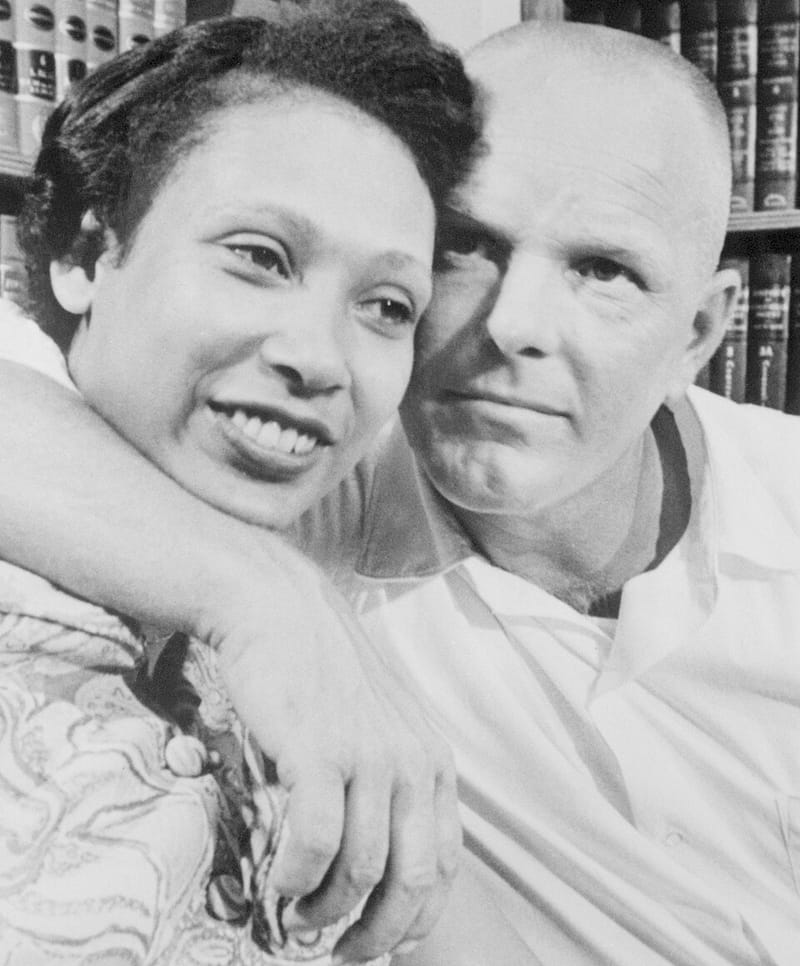
The majority grounded its ruling in precedents treating marriage as a fundamental liberty — a principle the Court had applied in Loving v. Virginia (1967), which struck down bans on interracial marriage. In dissent, Chief Justice John Roberts argued that the Constitution does not address same-sex marriage and that the question belonged to state legislatures and voters.
Study this entry
Check your understanding
Try answering in your own words, then open the answer.
1.What question did the Court have to answer?Show answerHide
Does the Fourteenth Amendment require a state to license a marriage between two people of the same sex, and to recognize such a marriage lawfully performed in another state?From “The legal question” above.
2.What did the Court decide?Show answerHide
Yes to both. States must license same-sex marriages and recognize those performed in other states.From “The ruling” above.
3.How did the Court justify its decision?Show answerHide
Justice Kennedy held that the Due Process Clause protects the right to marry as a fundamental liberty because it is inherent to individual autonomy, protects the most intimate association between two people, safeguards children and families, and has long been recognized as a keystone of social order.From “The Court’s reasoning” above.
4.What were the consequences?Show answerHide
Same-sex couples could marry in every state, and existing marriages had to be recognized nationwide.From “Consequences” above.
Turn this entry into 9 flashcards (key facts, dates, and why it matters) and review them in Learn.
Related History
How this connects to the rest of the atlas.
People
Documents
Court cases

Sources
- 1.Obergefell v. Hodges
Oyez (Cornell LII, Justia, Chicago-Kent College of Law) · Scholarly · cited for facts, questions, holding, vote
- 2.Loving v. Virginia
Oyez (Cornell LII, Justia, Chicago-Kent College of Law) · Scholarly · cited for facts, question, holding, vote
- 3.The American Yawp, “The Unraveling”
The American Yawp (eds. Joseph Locke and Ben Wright; Stanford University Press) · Scholarly · cited for 1970s: Vietnam’s end, Watergate, feminism, environmentalism
Image credits
Written for American History Atlas from the sources above. See how entries are researched.
Atlas by Alexander. More on Telegram.