DocumentRevolution and Independence
The Constitution of the United States
The framework of the federal government, written in 1787 and amended twenty-seven times
September 17, 1787Philadelphia, Pennsylvania
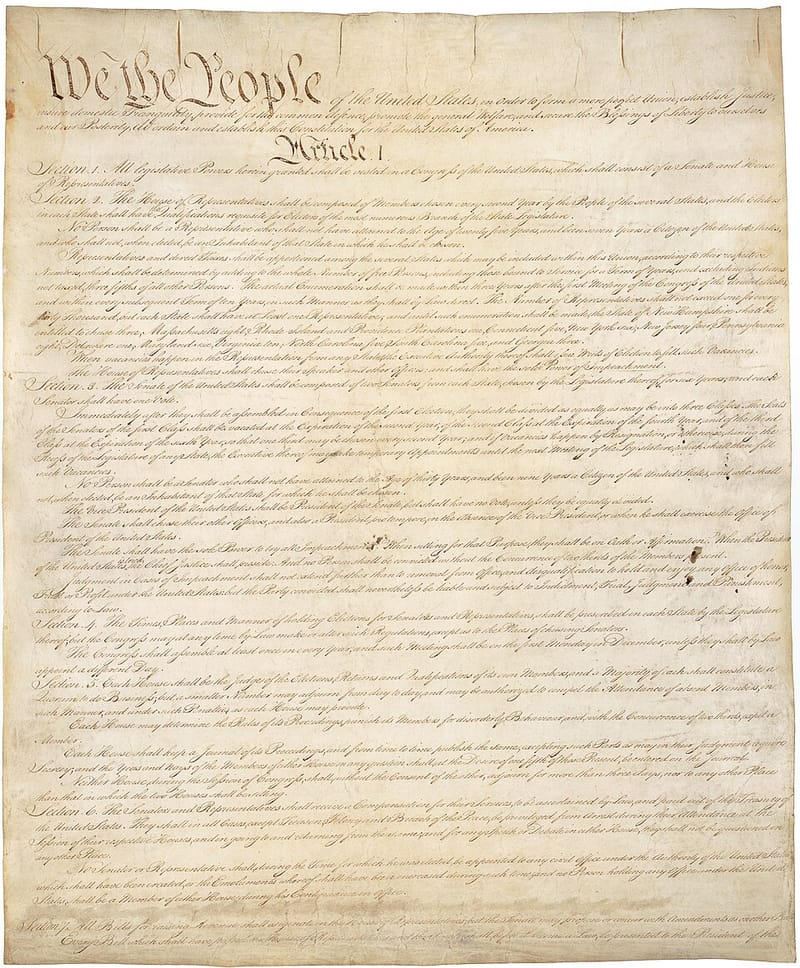
Written in secret by delegates who met in Philadelphia in the summer of 1787, the Constitution replaced the weak Articles of Confederation with a national government of three branches, each able to check the others, and divided power between that government and the states. It is the oldest written national constitution still in use. Its compromises also protected slavery — a choice that shaped the country until the Civil War and the amendments that followed it.
Key facts
- Date
- September 17, 1787
- Authors
- Delegates to the Constitutional Convention (39 signers); James Madison (principal architect of the Virginia Plan)
- Location
- Philadelphia, Pennsylvania
- Dating note
- Signed September 17, 1787; ratified by the ninth state, New Hampshire, in June 1788; the new government began operating in 1789.
- Convention
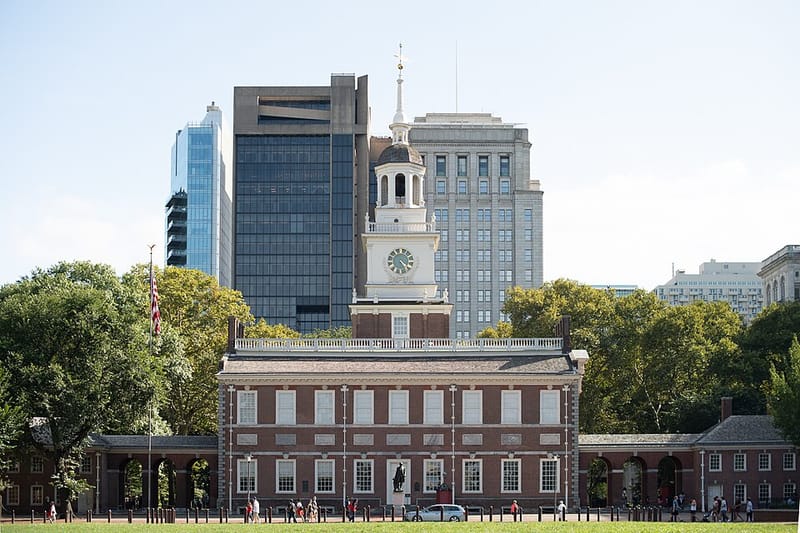
- Summer 1787 (convened May 14; signed September 17) in the Pennsylvania State House, now Independence Hall; 55 of 74 appointed delegates attended
- Presiding officer
- George Washington
- Absent state
- Rhode Island refused to send delegates
- Ratification
- Required nine of thirteen states; New Hampshire became the ninth in June 1788
- Amendments
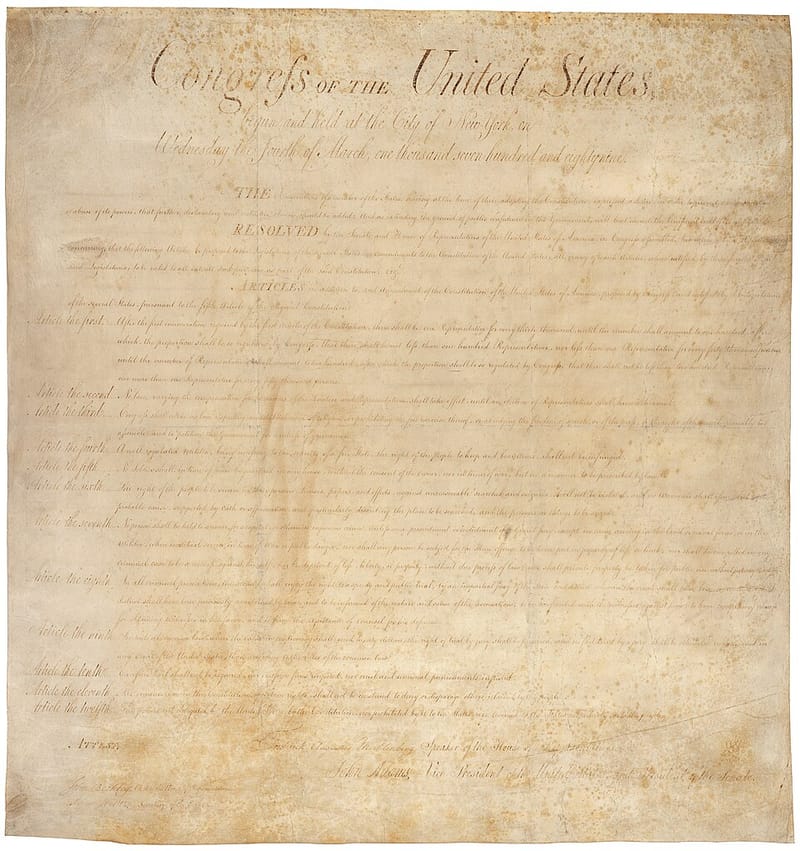
- 27, beginning with the ten of the Bill of Rights (1791)
Read the full text at the National Archives
Why it matters
The Constitution created the institutions that still govern the United States and became a model for written constitutions around the world. It has endured partly through amendment — notably the Bill of Rights and the Reconstruction amendments — and partly through two centuries of argument over what its words mean.
Historical circumstances
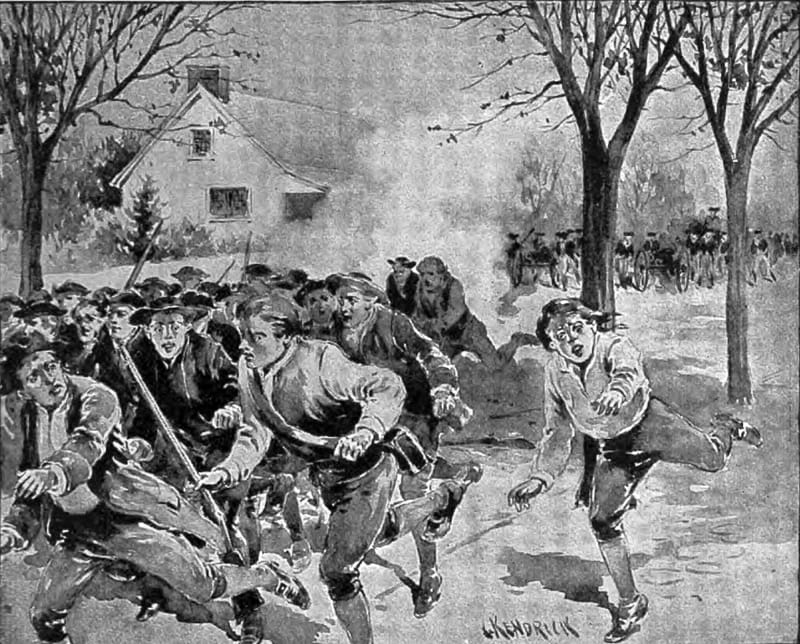
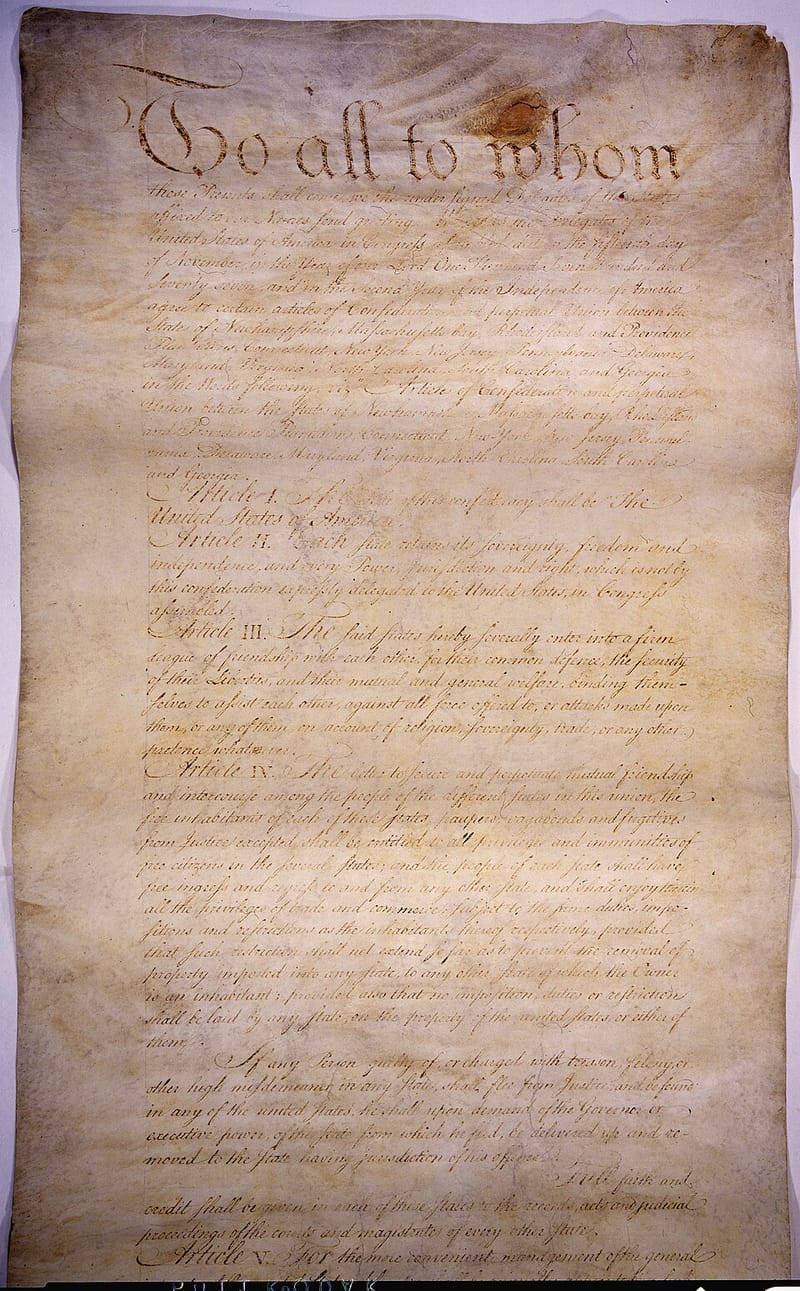
Under the Articles of Confederation, Congress could not tax, regulate trade between the states, or compel states to honor treaties. It depended on requisitions the states often ignored, and passing important measures required large majorities that frequently deadlocked along sectional lines. Economic distress and Shays’ Rebellion in Massachusetts in 1786–87 alarmed nationally minded leaders. After a poorly attended meeting at Annapolis in 1786, James Madison and Alexander Hamilton called for a convention to revise the Articles.
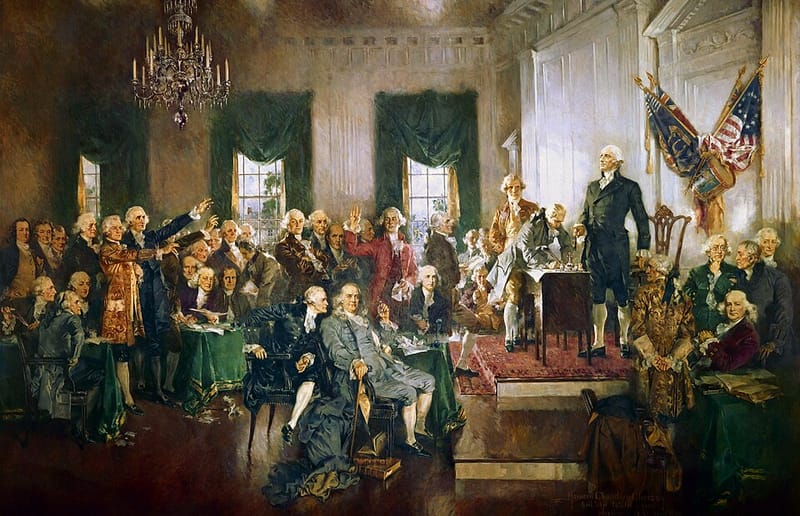
Seventy-four delegates were appointed; 55 attended. The convention opened in Philadelphia in May 1787 and agreed to keep its debates secret. Almost at once it went beyond revising the Articles. Edmund Randolph introduced the Virginia Plan, drafted largely by Madison, which proposed a strong national government with representation based on population. Smaller states countered with the New Jersey Plan, which kept equal representation for each state.
The deadlock was broken by the Great Compromise, proposed by Connecticut delegates: a House of Representatives apportioned by population and a Senate in which every state has two votes. Representation raised a second, even more divisive question — whether enslaved people would count. The delegates agreed that representation and direct taxes would be based on the free population plus three-fifths of “all other persons,” a euphemism for the enslaved. They also barred Congress from ending the international slave trade before 1808 and required states to return people who escaped slavery.
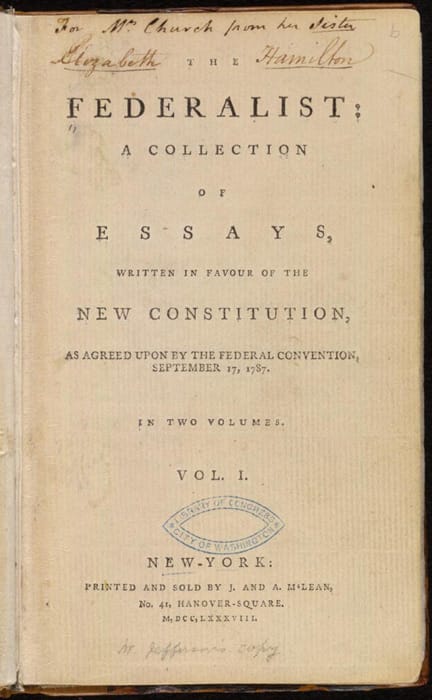
Thirty-nine delegates signed the finished document on September 17, 1787. Ratification set off a national debate between Federalists, who supported the Constitution, and Anti-Federalists, who feared a distant, powerful government and objected that it had no bill of rights. In New York, Hamilton, Madison, and John Jay answered critics in the essays now called the Federalist Papers. When New Hampshire ratified in June 1788, the Constitution took effect; Virginia and New York soon followed, and the first Congress and President Washington took office in 1789.
Principal ideas
- Popular sovereignty. The preamble begins “We the People,” grounding the government’s authority in the people rather than in the states or a monarch.
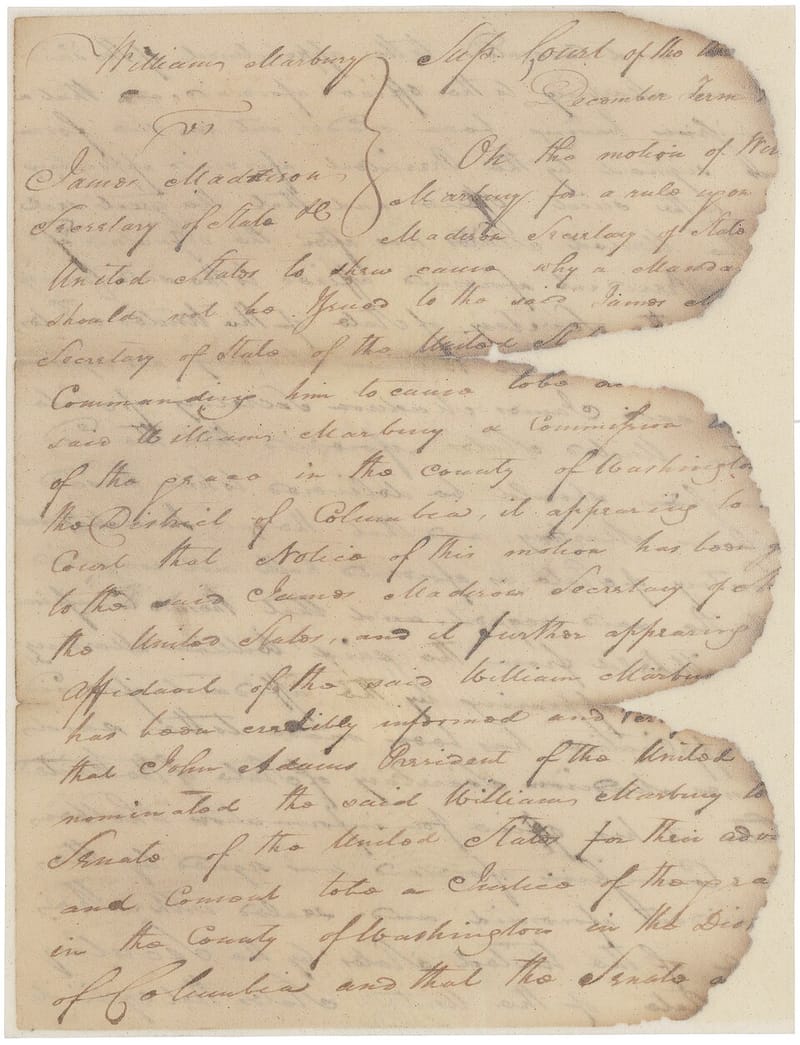
- Separation of powers. Article I creates Congress, Article II the president, Article III the federal courts. Each branch has its own powers and ways to check the others — the veto, Senate confirmation of appointments and treaties, impeachment, and, as the Court later established in Marbury v. Madison, judicial review.
- Federalism. Power is divided between the national government, which has enumerated powers, and the states, which keep the rest. The supremacy clause makes the Constitution and federal law “the supreme Law of the Land.”
- A government that can act. Congress gained powers the Articles lacked: to tax, borrow, regulate commerce among the states and with foreign nations, and make laws “necessary and proper” for carrying out its powers.
- Change by amendment. Article V allows amendment, but only with broad agreement — two-thirds of both houses of Congress and three-quarters of the states, in the usual method.
Slavery and the Constitution
The word “slavery” does not appear in the original Constitution, but the institution runs through it: the three-fifths clause increased the power of slaveholding states in Congress and the Electoral College, the slave-trade clause protected imports of enslaved Africans for twenty years, and the fugitive slave clause obligated free states to return people who escaped. Historians continue to debate whether these were unavoidable compromises to create a union or concessions that entrenched slavery. The question was settled by war and by the Thirteenth, Fourteenth, and Fifteenth Amendments.
Study this entry
Check your understanding
Try answering in your own words, then open the answer.
1.Why was this document written?Show answerHide
Under the Articles of Confederation, Congress could not tax, regulate trade between the states, or compel states to honor treaties. It depended on requisitions the states often ignored, and passing important measures required large majorities that frequently deadlocked along sectional lines.From “Historical circumstances” above.
2.What are its principal ideas?Show answerHide
- Popular sovereignty. The preamble begins “We the People,” grounding the government’s authority in the people rather than in the states or a monarch. - Separation of powers. Article I creates Congress, Article II the president, Article III the federal courts.From “Principal ideas” above.
Turn this entry into 12 flashcards (key facts, dates, and why it matters) and review them in Learn.
Related History
How this connects to the rest of the atlas.
Events


People
Documents
Court cases
Institutions
Concepts
.jpg)
Sources
- 1.Constitution of the United States (1787) — Milestone Documents
National Archives · Institutional · cited for signing date, convention dates
- 2.A More Perfect Union: The Creation of the U.S. Constitution
National Archives · Institutional · cited for delegates, Virginia Plan, Great Compromise, three-fifths clause, ratification debate
- 3.The Constitution of the United States: A Transcription
National Archives · Primary source · cited for quoted text and provisions
- 4.Constitutional Convention and Ratification, 1787–1789
U.S. Department of State, Office of the Historian · Institutional · cited for weaknesses of the Articles and sectional deadlock
Image credits
- Constitution of the United States - DPLA - 9ca804144bd5965e992ae3528bc3c6a3 (page 1), Constitutional Convention, 17 September 1787. Via Wikimedia Commons · Public domain · Source
Written for American History Atlas from the sources above. See how entries are researched.
Atlas by Alexander. More on Telegram.