EventRevolution and Independence
Shays’ Rebellion
An armed uprising of indebted farmers that shook the new nation
August 1786 – February 1787Western Massachusetts
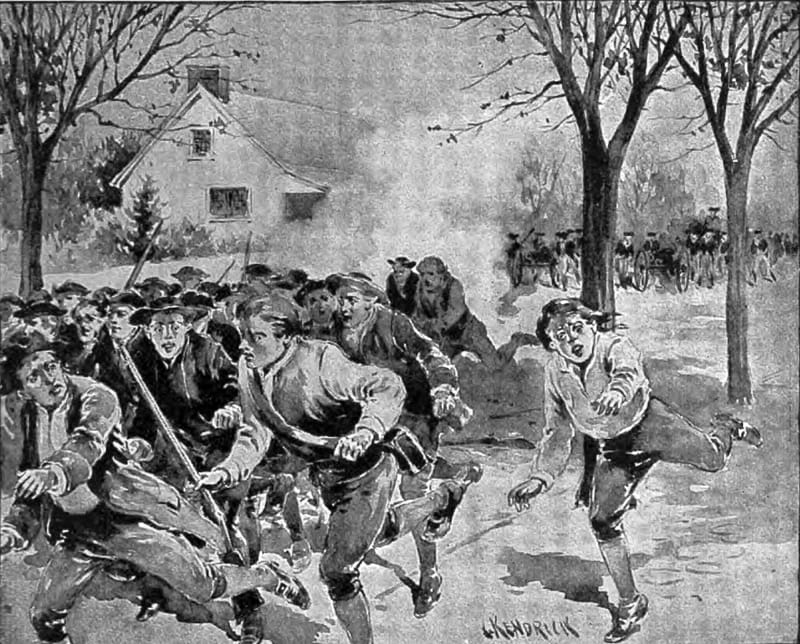
In 1786 and 1787, farmers in western Massachusetts — many of them Revolutionary War veterans — rose against state taxes and debt collection that threatened to cost them their farms. Led in part by Daniel Shays, a former Continental Army captain, they shut down courts and in January 1787 tried to seize the federal arsenal at Springfield. The militia scattered them, but the uprising alarmed national leaders and became a powerful argument for a stronger central government.
Key facts
- Date
- August 1786 – February 1787
- Location
- Western Massachusetts
- Dating note
- Protesters began closing courts in August 1786; the rebellion collapsed after the failed attack on the Springfield arsenal in late January 1787 (sources give January 25 or 26).
- Leader
- Daniel Shays, a former captain in the Continental Army, among others
- Grievances
- Heavy state taxes to pay war debt, scarce money, foreclosures, and debtors’ prisons
- Climax
- Attack on the Springfield arsenal, January 1787; four rebels were killed
Why it matters
A local revolt over debt became a national turning point: it convinced key leaders that the union needed a government strong enough to keep order, and helped launch the Constitution.
Historical background
After the Revolution, Massachusetts set out to repay its war debt quickly, largely through heavy taxes that had to be paid in hard money. Farmers in the western part of the state, who had little cash, faced lawsuits from creditors, the seizure of their land, and imprisonment for debt. Many had served in the war and felt they were losing the freedom they had fought for.
Causes and contributing factors
When the state legislature refused to consider debt relief, protesters turned to direct action, drawing on the tactics of the 1760s and 1770s: they blocked the courts that heard debt cases.
What happened
In August 1786 armed protesters began seizing county courthouses to prevent debt proceedings. Over the following months the movement spread across western Massachusetts. In late January 1787, Shays led a force of about 1,500 men toward the federal arsenal at Springfield, where state militia were waiting. The militia fired, killing four of the insurgents, and the attackers fled. The movement soon collapsed.
Immediate consequences
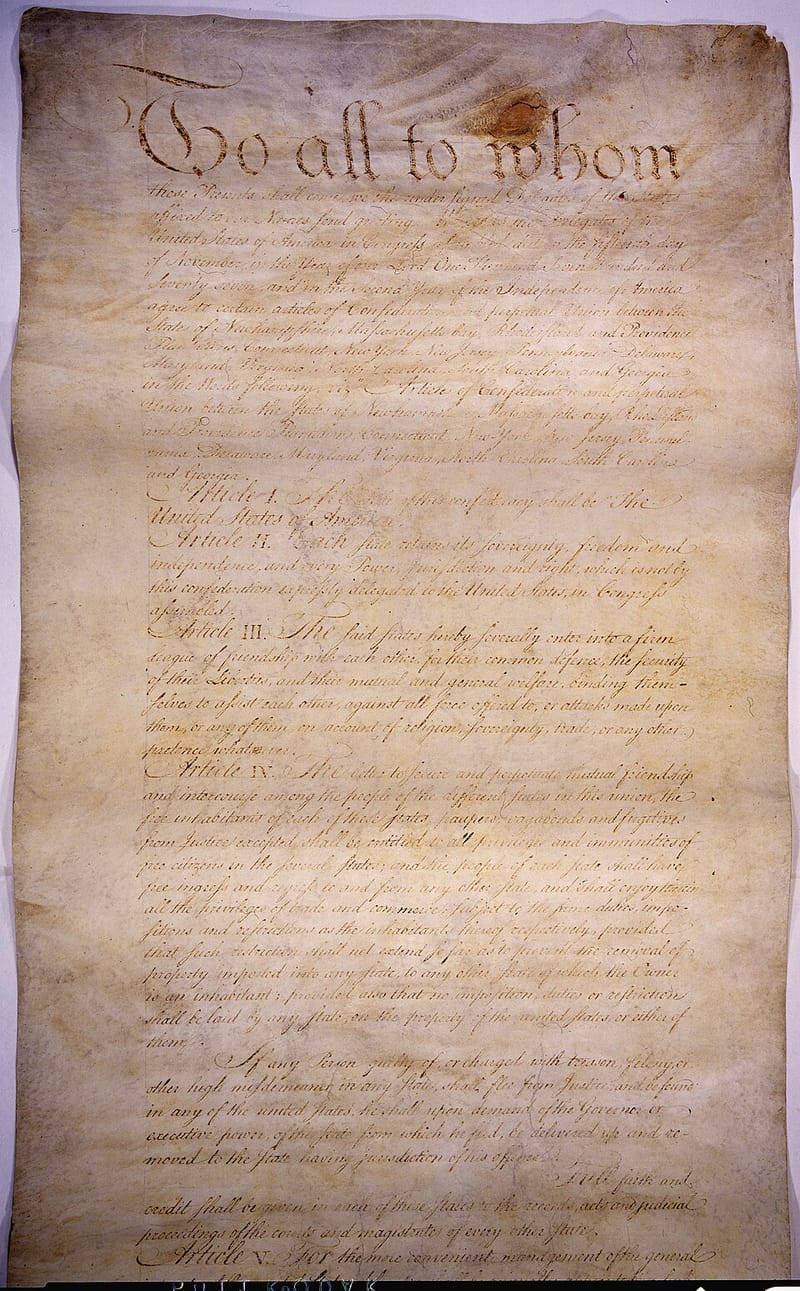
The Confederation Congress had been powerless to help suppress an uprising next to a federal arsenal. As the National Constitution Center notes, the protest demonstrated that the federal government under the Articles of Confederation could not effectively put down an internal rebellion.
Long-term significance
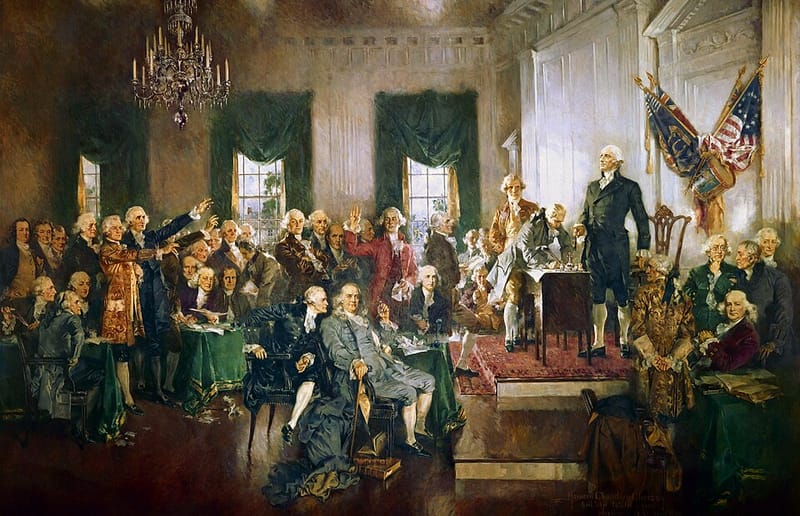
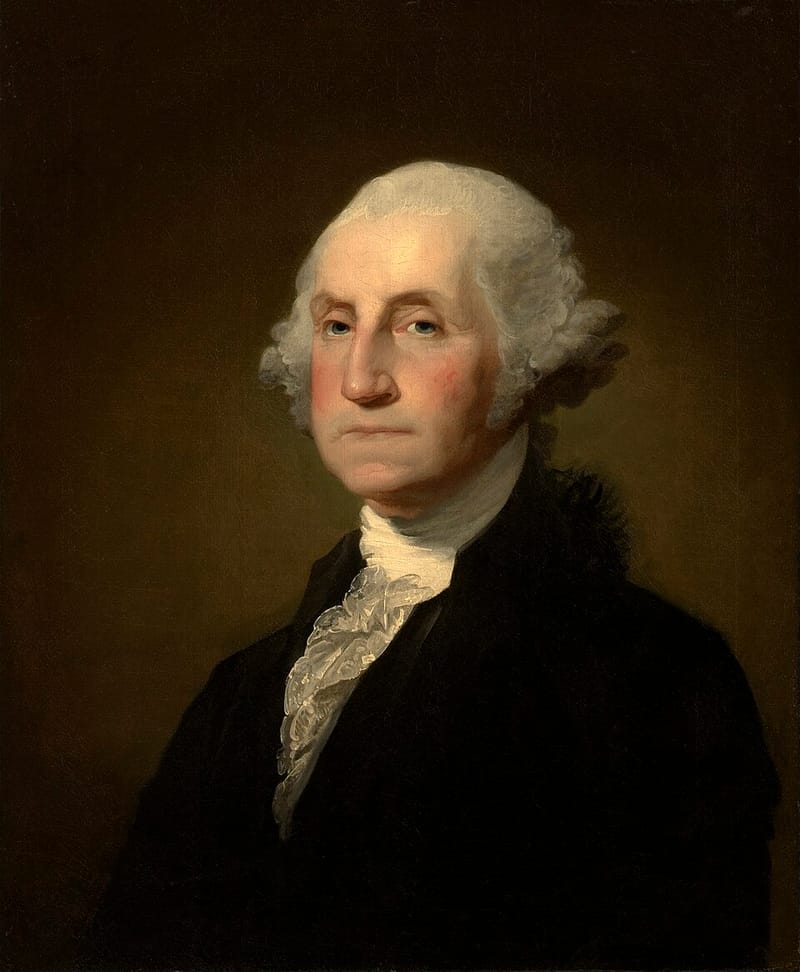
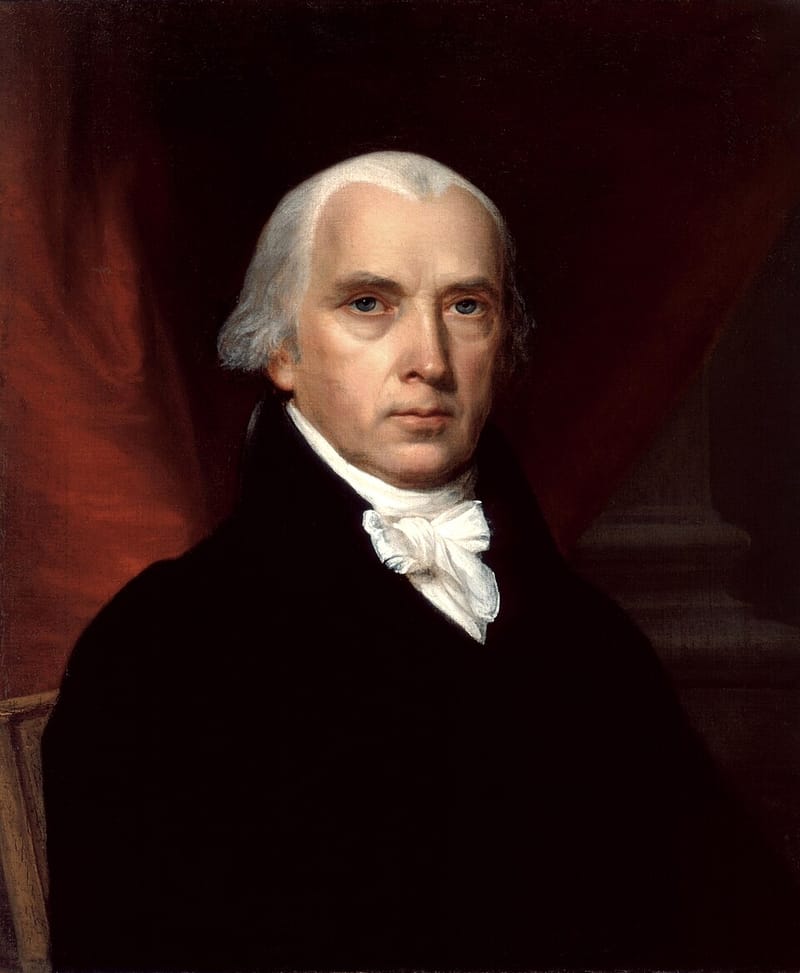
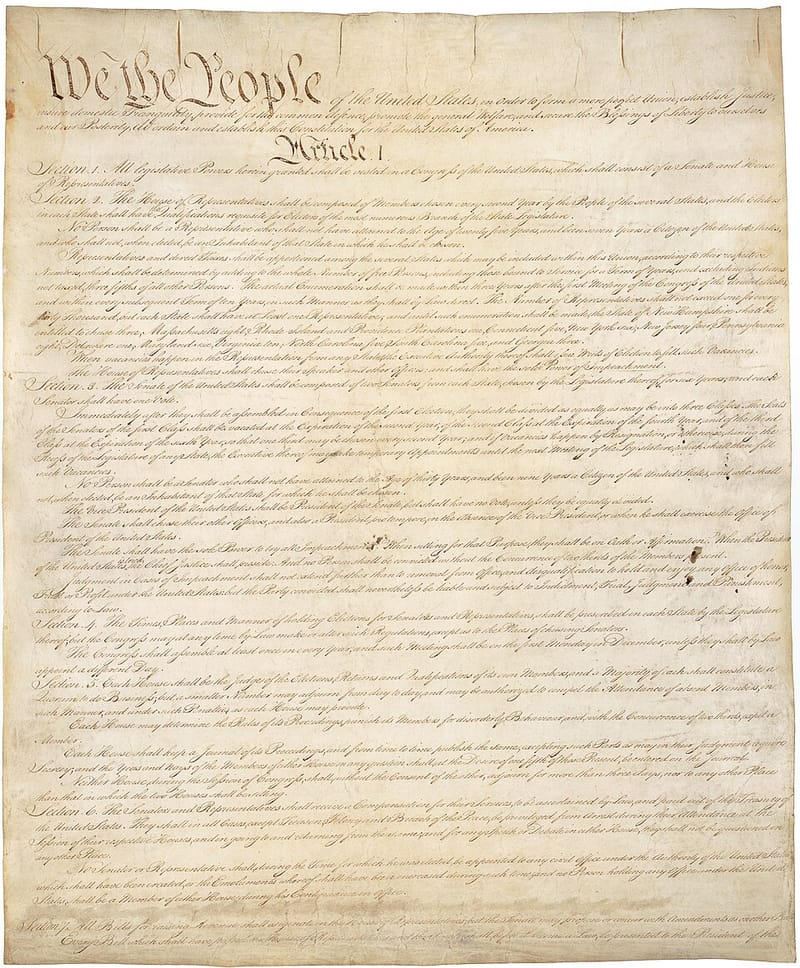
Shays’ Rebellion alarmed George Washington, James Madison, and Alexander Hamilton, who saw it as proof that the Articles of Confederation could not keep order. Washington, who had been reluctant to attend the planned convention in Philadelphia, changed his mind. The rebellion thus helped bring about the Constitutional Convention — while also reminding the framers that ordinary citizens would resist a government that seemed to serve creditors rather than the people.
Study this entry
Check your understanding
Try answering in your own words, then open the answer.
1.What led to Shays’ Rebellion?Show answerHide
When the state legislature refused to consider debt relief, protesters turned to direct action, drawing on the tactics of the 1760s and 1770s: they blocked the courts that heard debt cases.From “Causes and contributing factors” above.
2.What happened?Show answerHide
In August 1786 armed protesters began seizing county courthouses to prevent debt proceedings. Over the following months the movement spread across western Massachusetts.From “What happened” above.
3.What were the immediate consequences?Show answerHide
The Confederation Congress had been powerless to help suppress an uprising next to a federal arsenal. As the National Constitution Center notes, the protest demonstrated that the federal government under the Articles of Confederation could not effectively put down an internal rebellion.From “Immediate consequences” above.
4.Why does it still matter?Show answerHide
Shays’ Rebellion alarmed George Washington, James Madison, and Alexander Hamilton, who saw it as proof that the Articles of Confederation could not keep order.From “Long-term significance” above.
Turn this entry into 9 flashcards (key facts, dates, and why it matters) and review them in Learn.
Related History
How this connects to the rest of the atlas.
People

Sources
- 1.On This Day: Shays’ Rebellion Was Thwarted
National Constitution Center · Institutional · cited for grievances, court closures, Springfield attack, effect on Washington
- 2.Rebellion at the Springfield Arsenal
National Park Service, Springfield Armory National Historic Site · Institutional · cited for the confrontation at Springfield
- 3.Articles of Confederation (1777) — Milestone Documents
National Archives · Institutional · cited for weakness of the Confederation
Image credits
- Shays forces flee Continental troops, Springfield, C. Kendrick, circa 1902. Via Wikimedia Commons · Public domain · Source
Written for American History Atlas from the sources above. See how entries are researched.
Atlas by Alexander. More on Telegram.