DocumentCivil War and Reconstruction
The Thirteenth Amendment
The abolition of slavery, 1865
December 6, 1865
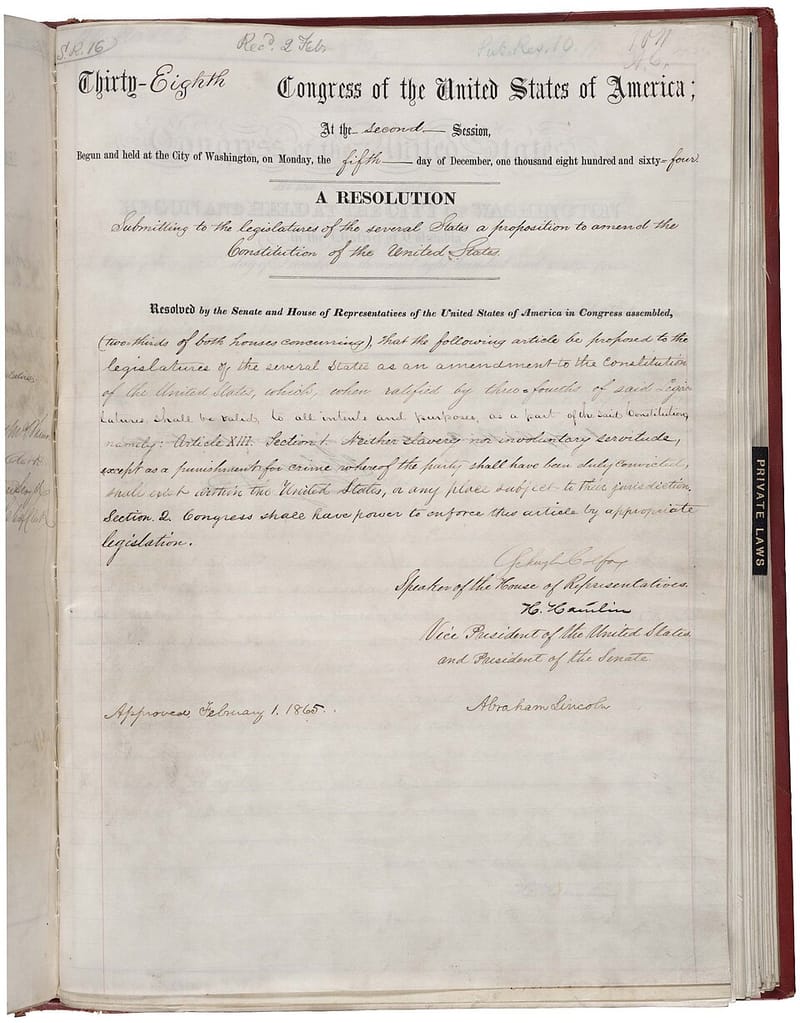
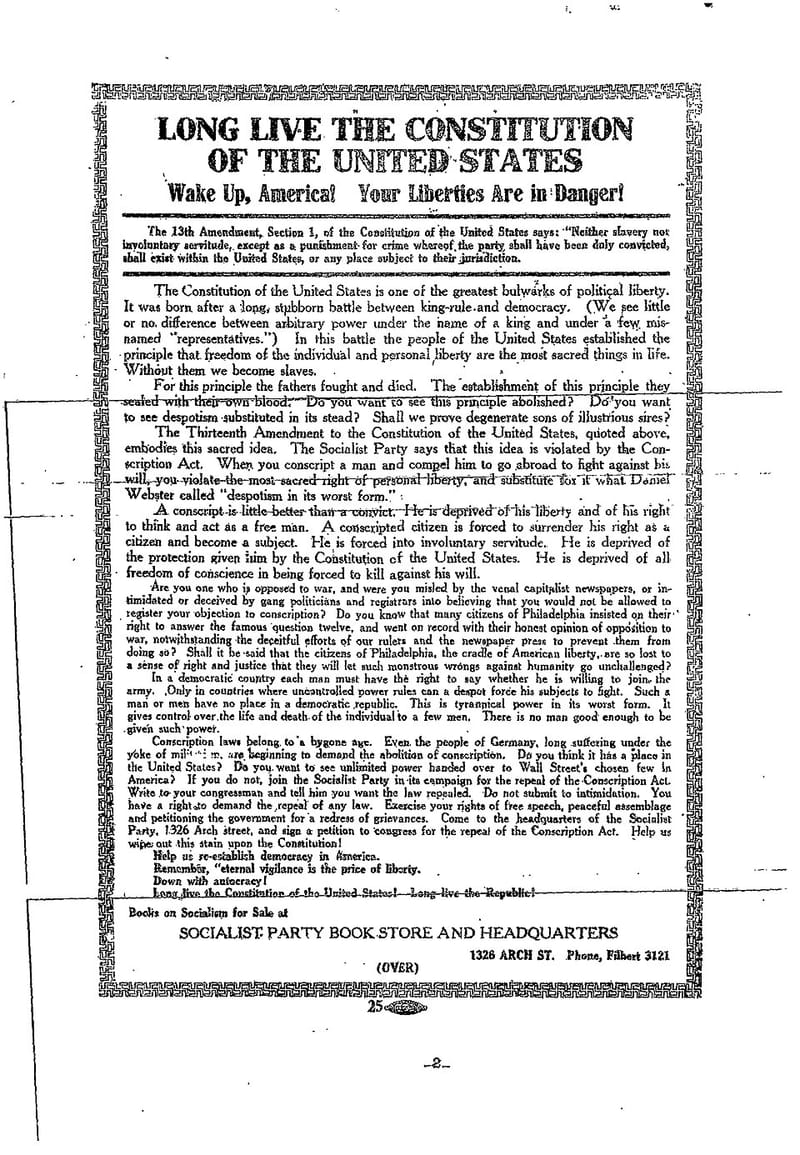
Ratified on December 6, 1865, the Thirteenth Amendment abolished slavery throughout the United States: “Neither slavery nor involuntary servitude, except as a punishment for crime whereof the party shall have been duly convicted, shall exist within the United States, or any place subject to their jurisdiction.” It completed what the Emancipation Proclamation had begun and became the first of the three Reconstruction amendments.
Key facts
- Date
- December 6, 1865
- Author
- Thirty-eighth Congress
- Dating note
- Passed by Congress January 31, 1865; ratified December 6, 1865.
- Senate passage
- April 1864
- House passage
- January 31, 1865, by 119–56
- Ratified
- December 6, 1865
- Exception
- Allows involuntary servitude “as a punishment for crime”
Read the amendment at the National Archives
Why it matters
The Thirteenth Amendment ended legal slavery, freeing nearly four million people, and completed what emancipation had begun. With the Fourteenth and Fifteenth Amendments, it was one of a trio of Civil War amendments that greatly expanded the civil rights of Americans. Its exception allowing involuntary servitude as punishment for crime has drawn increasing attention from historians and reformers examining how forced labor persisted after emancipation.
Historical circumstances
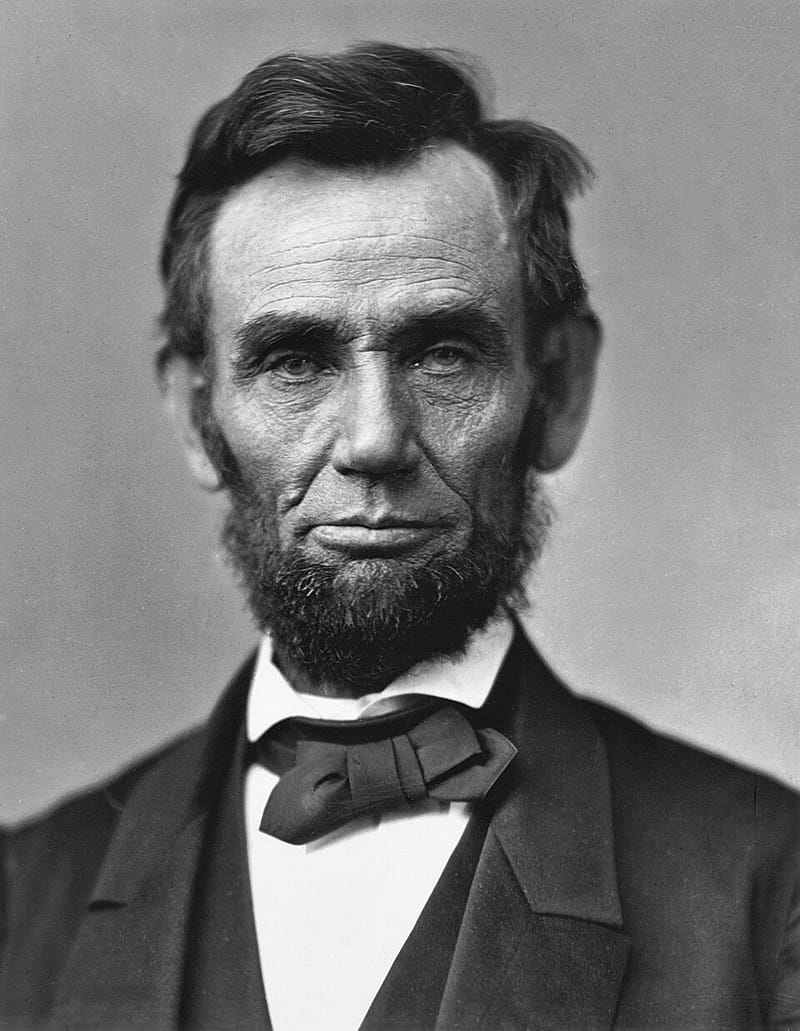
The Emancipation Proclamation applied only to areas in rebellion and rested on the president’s war powers, which might not survive the war. Lincoln recognized that a constitutional amendment was needed to guarantee abolition. The Senate passed the amendment in April 1864, but the House did not. Lincoln made its passage part of the Republican platform in the 1864 election and pressed Congress after his victory; the House approved it on January 31, 1865, by a vote of 119 to 56. Lincoln approved the resolution sending it to the states on February 1. Three-fourths of the states had ratified it by December 6, 1865 — eight months after his death.
Principal ideas
- Section 1 forbids slavery and involuntary servitude anywhere in the United States, except as punishment for a crime of which a person has been convicted.
- Section 2 gives Congress power to enforce the amendment by appropriate legislation.
The amendment superseded the Constitution’s fugitive slave clause in Article IV.
Study this entry
Check your understanding
Try answering in your own words, then open the answer.
1.Why was this document written?Show answerHide
The Emancipation Proclamation applied only to areas in rebellion and rested on the president’s war powers, which might not survive the war. Lincoln recognized that a constitutional amendment was needed to guarantee abolition. The Senate passed the amendment in April 1864, but the House did not.From “Historical circumstances” above.
2.What are its principal ideas?Show answerHide
- Section 1 forbids slavery and involuntary servitude anywhere in the United States, except as punishment for a crime of which a person has been convicted. - Section 2 gives Congress power to enforce the amendment by appropriate legislation.From “Principal ideas” above.
Turn this entry into 10 flashcards (key facts, dates, and why it matters) and review them in Learn.
Related History
How this connects to the rest of the atlas.
Events
People
Documents
Court cases
Institutions

Sources
- 1.13th Amendment — Milestone Documents
National Archives · Primary source · cited for passage, ratification, text
- 2.Emancipation Proclamation (1863) — Milestone Documents
National Archives · Primary source · cited for dates, limits, Black soldiers, significance
Image credits
- 13th Amendment Pg1of1 AC, Nationalbdgf Archives of the Unites States. Via Wikimedia Commons · Public domain · Source
Written for American History Atlas from the sources above. See how entries are researched.
Atlas by Alexander. More on Telegram.