PersonExpansion and Sectional Conflict
Elizabeth Cady Stanton
Philosopher and strategist of the women’s rights movement
1815–1902
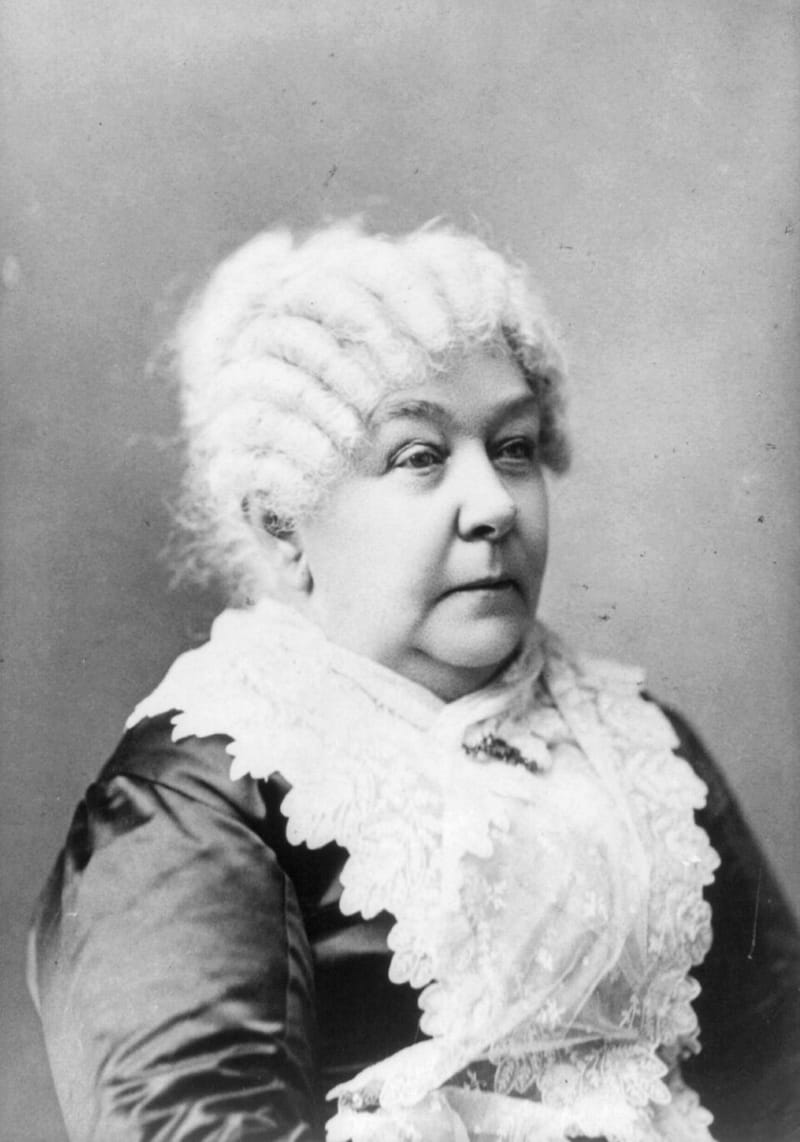
Elizabeth Cady Stanton was the chief philosopher of the American women’s rights movement. In 1848 she helped organize the Seneca Falls Convention and wrote its Declaration of Sentiments, which rewrote the Declaration of Independence to proclaim that “all men and women are created equal.” For half a century she supplied the ideas — and her partner Susan B. Anthony carried them across the country. A radical on marriage, divorce, and religion, she also opposed voting rights for Black men without women, a stance that split the suffrage movement.
Key facts
- Born
- November 12, 1815, Johnstown, New York
- Died
- October 1902, New York City
- Roles
- Organizer of the Seneca Falls Convention; Author of the Declaration of Sentiments; President of the National Woman Suffrage Association; Author of The Woman’s Bible
- Partnership
- With Susan B. Anthony, from 1851, for more than fifty years
- Organizations
- Co-founded the National Woman Suffrage Association (1869)
- Writings
- Declaration of Sentiments (1848); History of Woman Suffrage; The Woman’s Bible
- Died
- 1902 — eighteen years before women of her social status could vote nationally
Why it matters
Stanton gave the women’s movement its ideas and much of its language. Her career also shows the movement’s internal conflicts over race, which shaped suffrage politics for decades.
Early life and context
Elizabeth Cady was born on November 12, 1815, in Johnstown, New York, the eighth of ten children of Margaret Livingston and Daniel Cady, a lawyer who became a state supreme court judge. Four of his five sons died in infancy, and the fifth when Elizabeth was eleven. She never forgot climbing onto her grieving father’s knee and hearing him sigh: “Oh, my daughter, I wish you were a boy!” She vowed to be all her brother had been. No American college then admitted women, so she studied at the Johnstown Academy and Emma Willard’s Troy Female Seminary, and picked up an informal legal education from the lawyers who gathered in her father’s house to talk.
At a cousin’s home she met the abolitionist lecturer Henry Stanton. They married in 1840 against her family’s wishes, and she refused to promise “to obey.” The couple sailed at once to London for the World’s Anti-Slavery Convention.
Major actions and achievements
In London, Stanton and the Quaker abolitionist Lucretia Mott were furious that women were barred from speaking, and they resolved to hold a convention on women’s rights. In 1848 they did so at Seneca Falls, New York. Stanton’s Declaration of Sentiments listed eighteen grievances — that men had denied women the vote, “taken from her all right in property, even to the wages she earns,” and closed colleges against her — and demanded equality. That year she also petitioned for New York’s Married Women’s Property Act, which let married women keep their own property and wages.
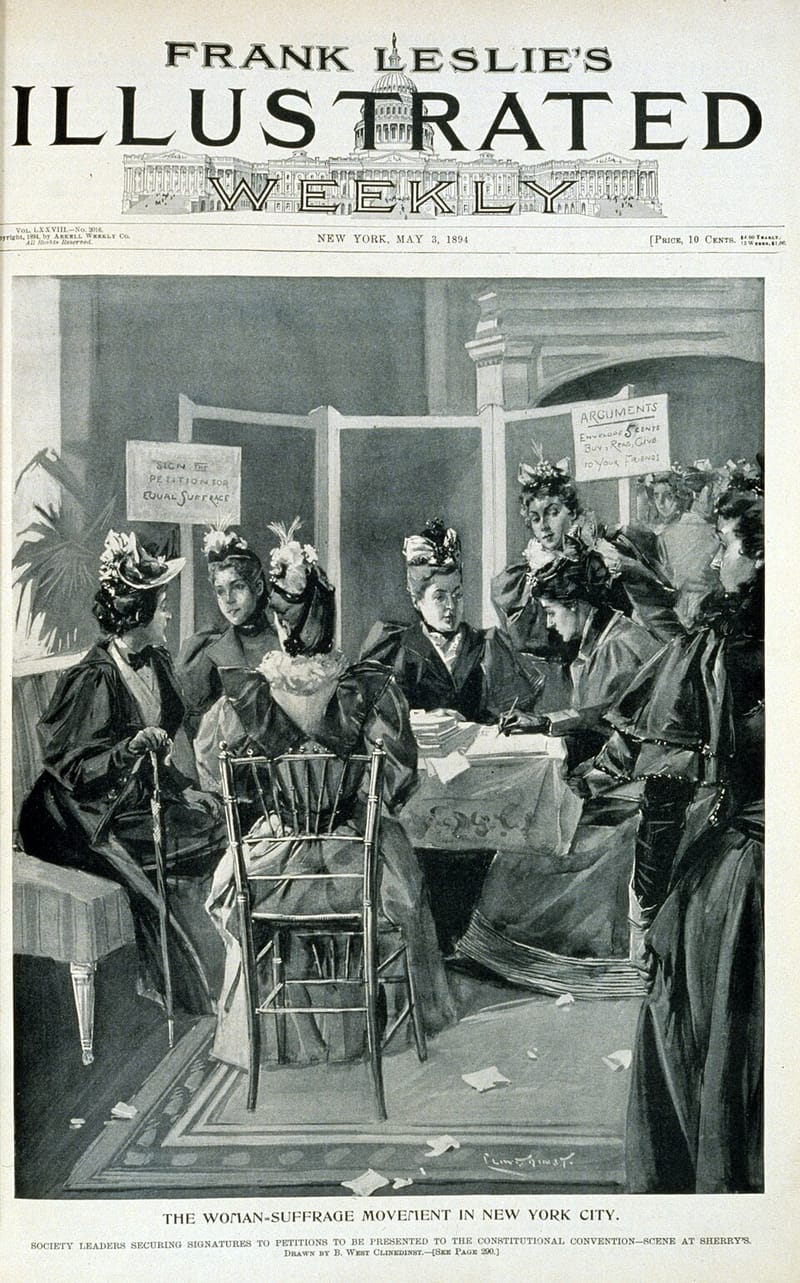
In 1851 she met Susan B. Anthony, beginning a partnership that dominated the movement for over half a century; while raising seven children, Stanton wrote the speeches and Anthony delivered them. During the Civil War the two campaigned for the Thirteenth Amendment. In 1869 they founded the National Woman Suffrage Association, which Stanton led as president, writing for its journal The Revolution. Once her children were grown, she lectured nationwide on marriage, divorce, child rearing, and women’s property. With Anthony and Matilda Joslyn Gage she wrote the first volumes of the History of Woman Suffrage (1881–1885), and in 1890 she became the first president of the reunited National American Woman Suffrage Association.
Beliefs and ideas
Stanton believed women were entitled to full equality in law, marriage, property, education, religion, and politics, and that the vote was essential to all the rest. She insisted on women’s “self-dependence”: girls, she said in her popular lecture “Our Girls,” were raised “to revolve round some man,” never knowing “the freedom and dignity that one secures in self-dependence and self support.” In The Woman’s Bible (1895, 1898) she argued for a secular state and challenged the male-centered theology she believed kept women subordinate.
Controversies, limits, and criticism
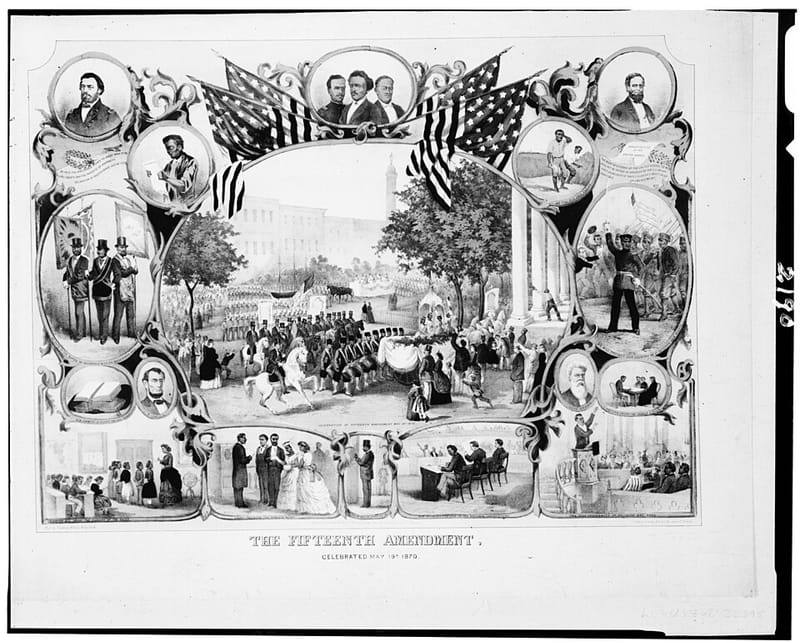
Stanton and Anthony opposed the Fourteenth and Fifteenth Amendments because they protected the voting rights of Black men but not of women, breaking with former abolitionist allies. Her advocacy centered on the concerns of propertied, upper-middle-class women, and at times she spoke against rights for men outside her class, including “natives and foreigners.” The Woman’s Bible alienated many suffragists, and the National Women’s History Museum describes her as a controversial figure who often contradicted herself over a long life.
Legacy
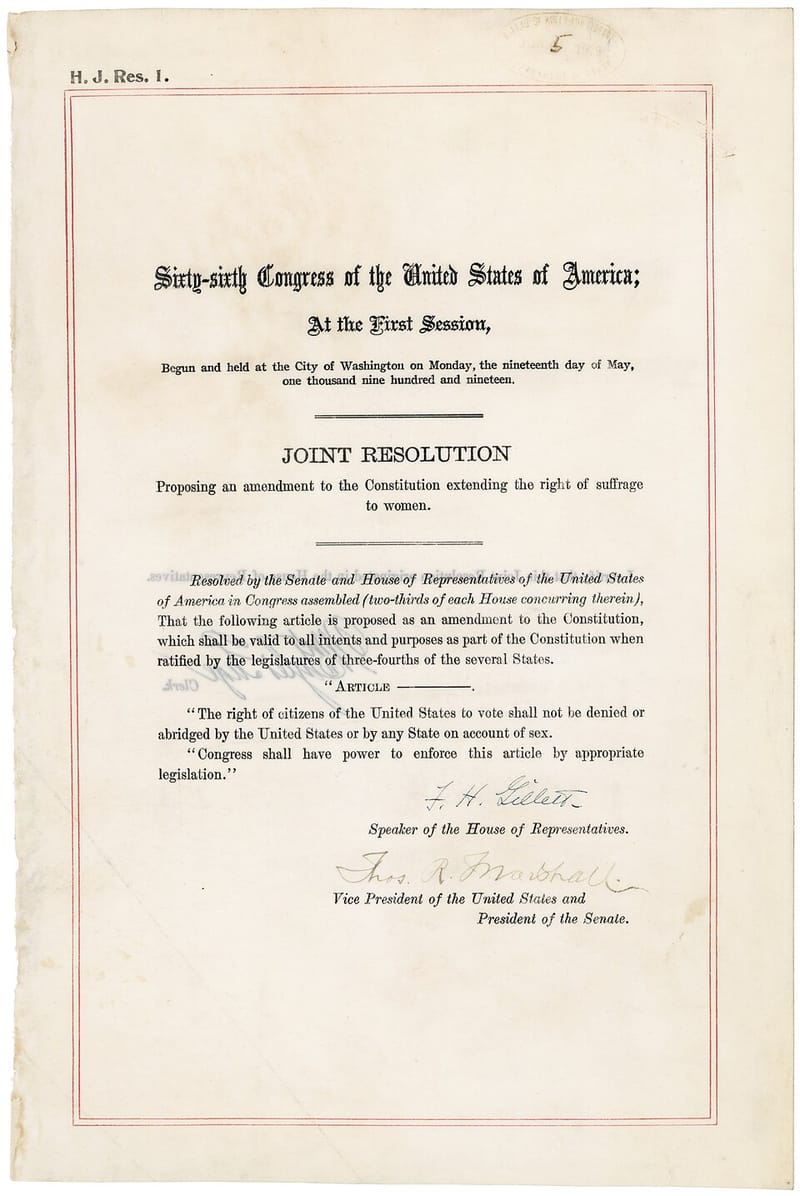
Stanton recorded her life in the memoir Eighty Years and More and died in New York City in October 1902, eighteen years before the Nineteenth Amendment gave women the vote. The agenda she set at Seneca Falls — equality in property, wages, education, marriage, and politics — guided the women’s movement well into the twentieth century.
Study this entry
Check your understanding
Try answering in your own words, then open the answer.
1.What shaped Elizabeth Cady Stanton early in life?Show answerHide
Elizabeth Cady was born on November 12, 1815, in Johnstown, New York, the eighth of ten children of Margaret Livingston and Daniel Cady, a lawyer who became a state supreme court judge. Four of his five sons died in infancy, and the fifth when Elizabeth was eleven.From “Early life and context” above.
2.What were Elizabeth Cady Stanton’s major achievements?Show answerHide
In London, Stanton and the Quaker abolitionist Lucretia Mott were furious that women were barred from speaking, and they resolved to hold a convention on women’s rights. In 1848 they did so at Seneca Falls, New York.From “Major actions and achievements” above.
3.What criticism or controversy surrounds Elizabeth Cady Stanton?Show answerHide
Stanton and Anthony opposed the Fourteenth and Fifteenth Amendments because they protected the voting rights of Black men but not of women, breaking with former abolitionist allies.From “Controversies, limits, and criticism” above.
4.How is Elizabeth Cady Stanton remembered?Show answerHide
Stanton recorded her life in the memoir Eighty Years and More and died in New York City in October 1902, eighteen years before the Nineteenth Amendment gave women the vote.From “Legacy” above.
Turn this entry into 10 flashcards (key facts, dates, and why it matters) and review them in Learn.
Related History
How this connects to the rest of the atlas.
People
Documents

Sources
- 1.Elizabeth Cady Stanton
National Women’s History Museum · Institutional · cited for life, London, Mott, Seneca Falls, Anthony, NWSA, opposition to 14th and 15th Amendments
- 2.The First Women’s Rights Convention
National Park Service, Women’s Rights National Historical Park · Institutional · cited for dates, place, attendance, signers, authors
- 3.Elizabeth Cady Stanton
National Park Service · Institutional · cited for life and work
- 4.Susan B. Anthony
National Women’s History Museum · Institutional · cited for the 1890 merger and Stanton’s presidency of NAWSA
Image credits
- Elizabeth Cady Stanton, Photo by Veeder. Via Wikimedia Commons · Public domain · Source
Written for American History Atlas from the sources above. See how entries are researched.
Atlas by Alexander. More on Telegram.