Period 6 · 1828–1860
Expansion and Sectional Conflict
Between Andrew Jackson’s election and Abraham Lincoln’s, the United States expanded to the Pacific, democratized politics for white men, and expelled Native nations from the East. Reform movements flourished — above all abolitionism and women’s rights — while every new territory reopened the fight over slavery, until compromise failed.
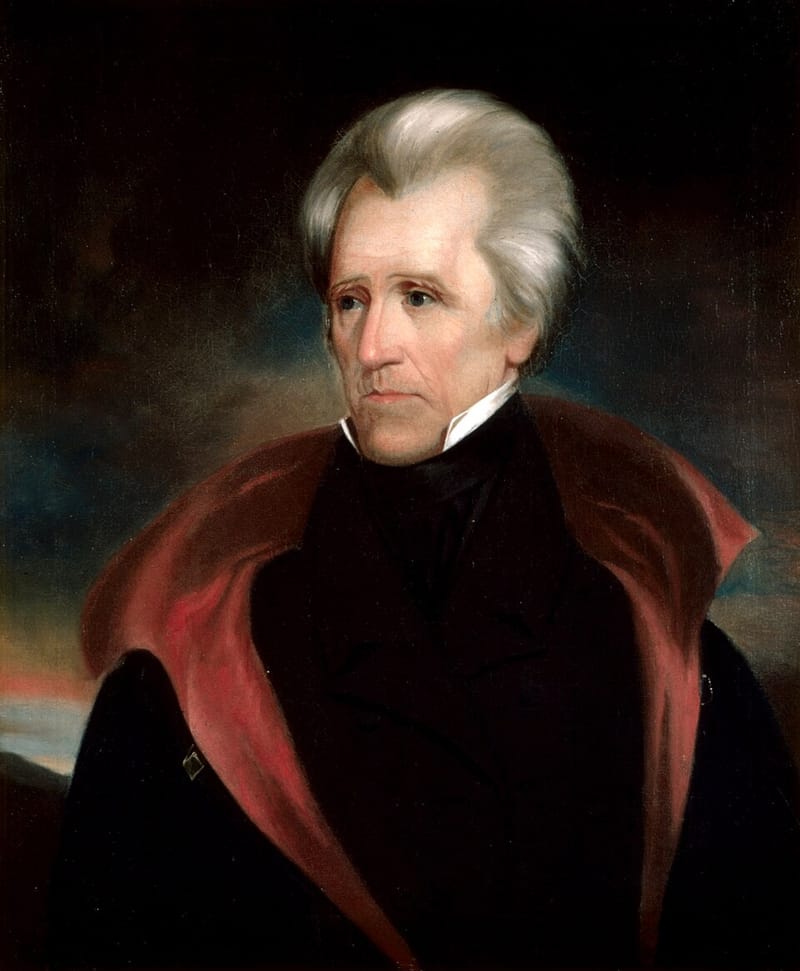
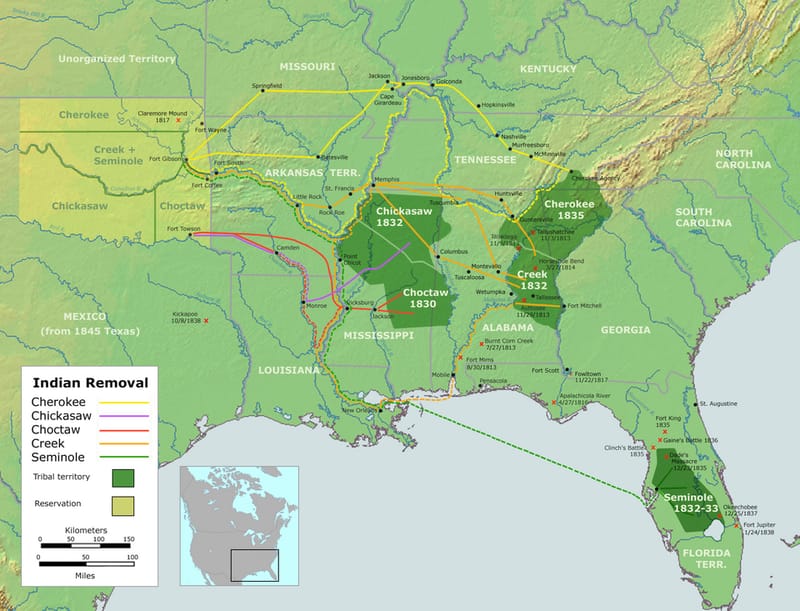
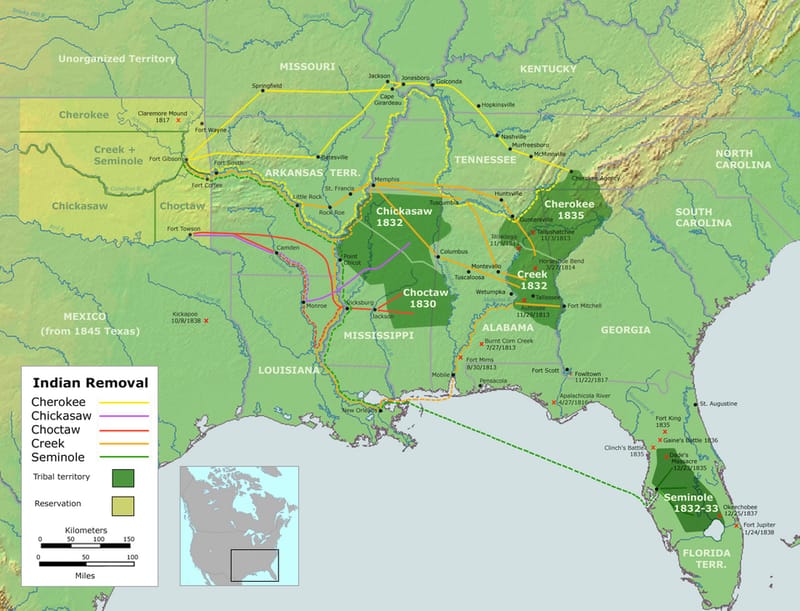
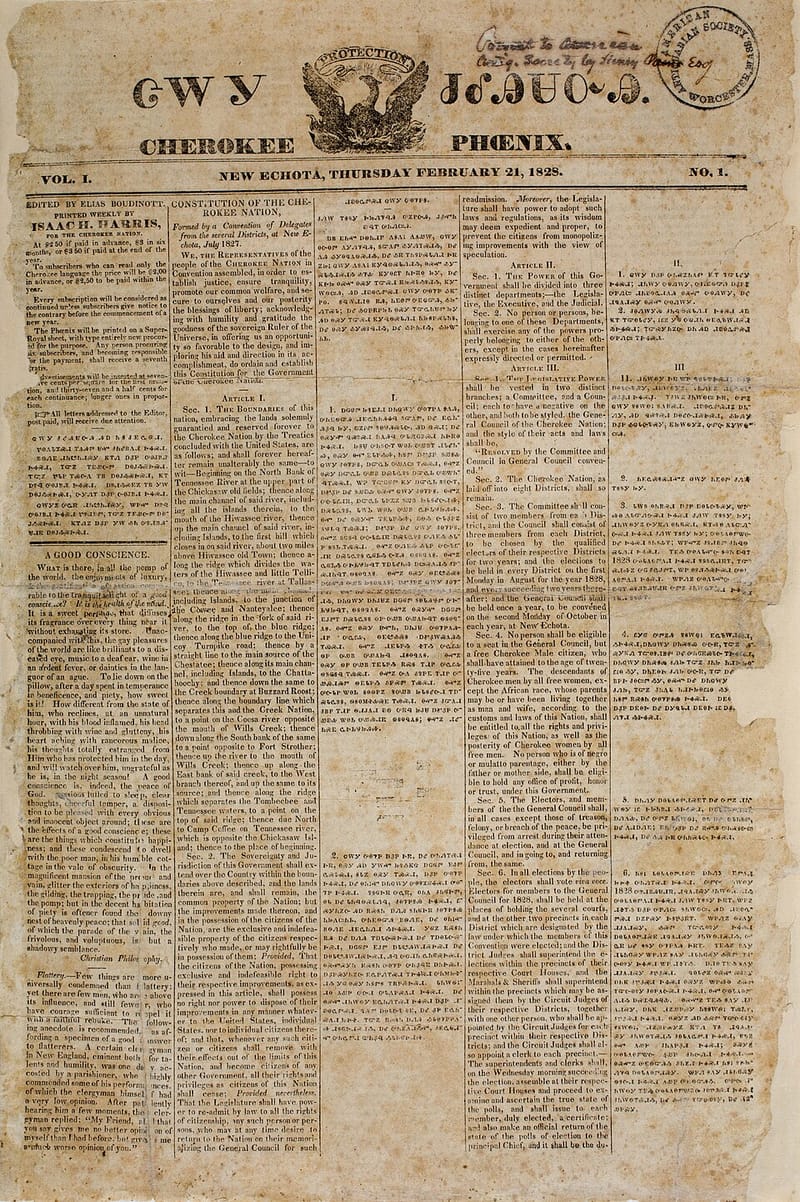
Andrew Jackson’s presidency (1829–1837) opened an era of mass party politics and expanded presidential power. It also launched Indian removal: tens of thousands of Cherokee, Choctaw, Creek, Chickasaw, Seminole, and other people were forced west, the Cherokee along the Trail of Tears, despite the Supreme Court’s ruling in Worcester v. Georgia.
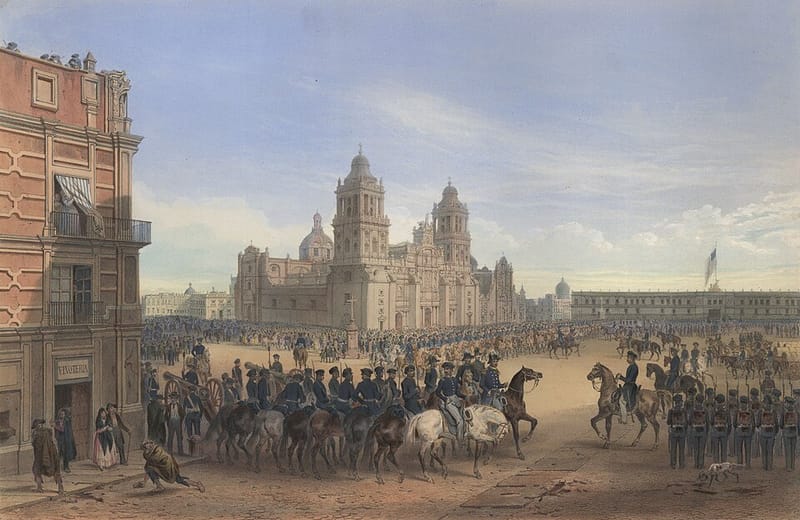
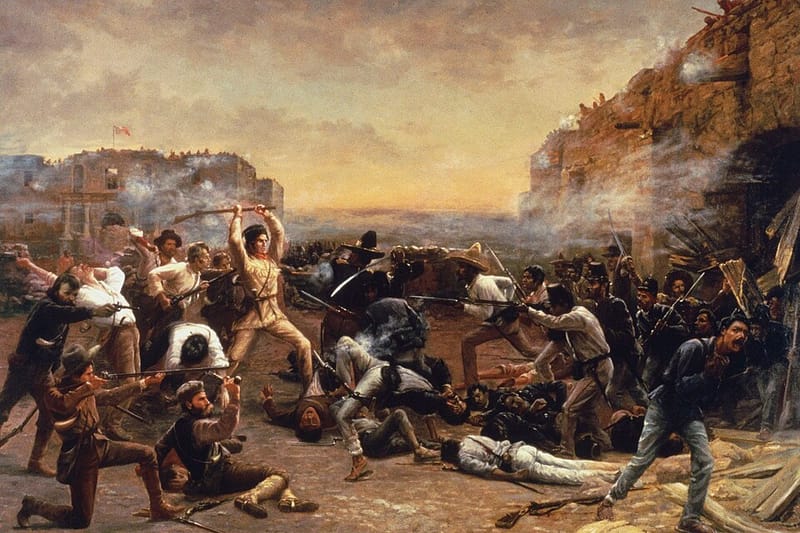
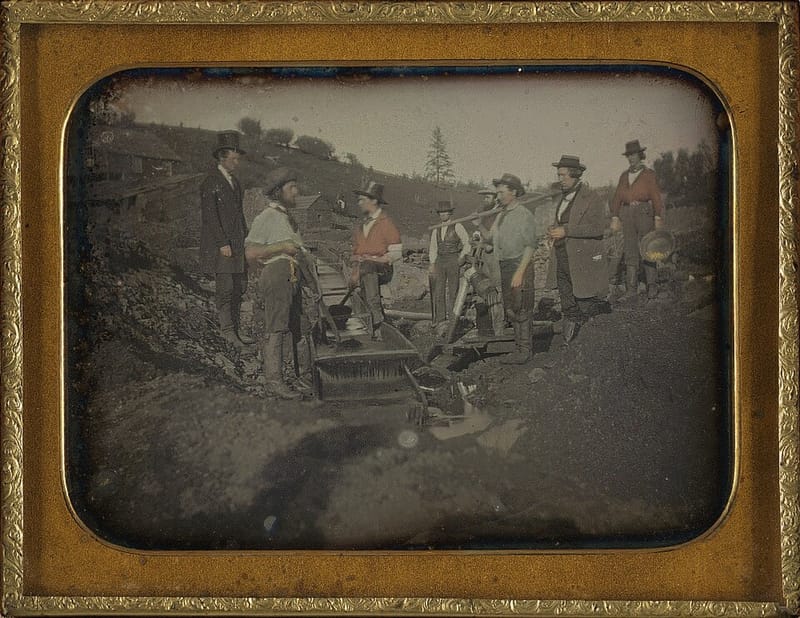
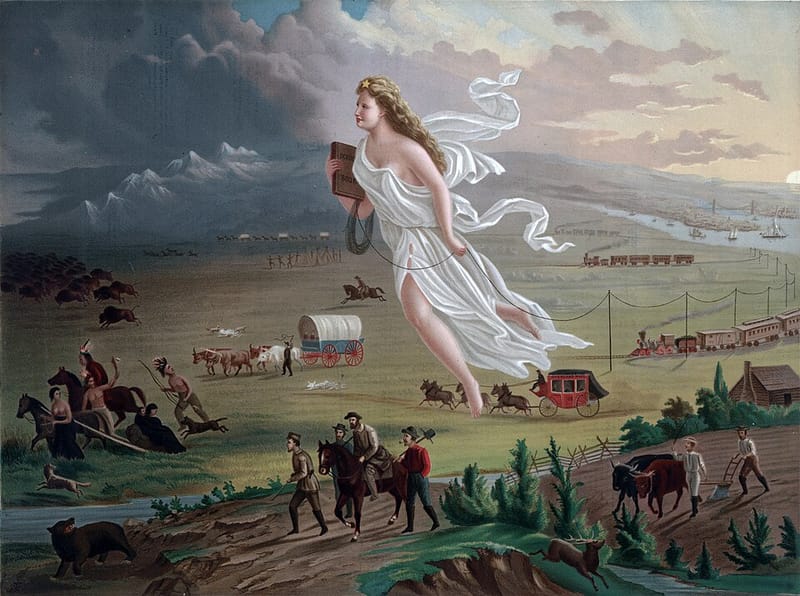
The nation grew rapidly. Texas was annexed in 1845, Oregon divided with Britain in 1846, and the Mexican-American War (1846–48) took half of Mexico. Expansionists called it Manifest Destiny. Cotton grown by enslaved people spread across the Deep South, making slavery more profitable and more entrenched than ever.
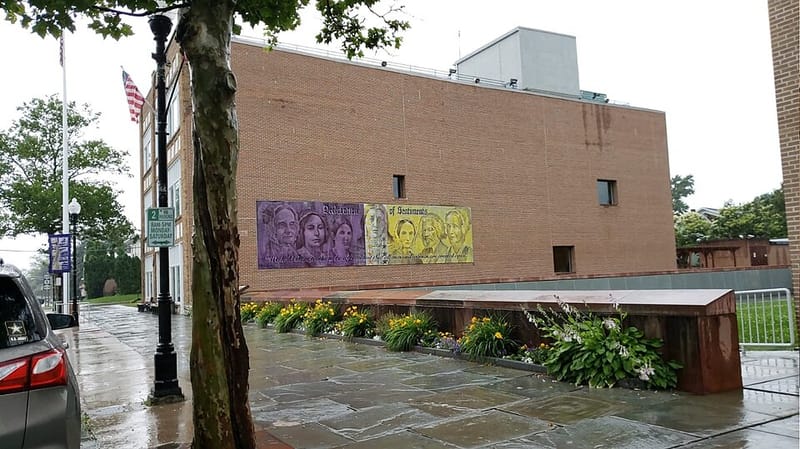
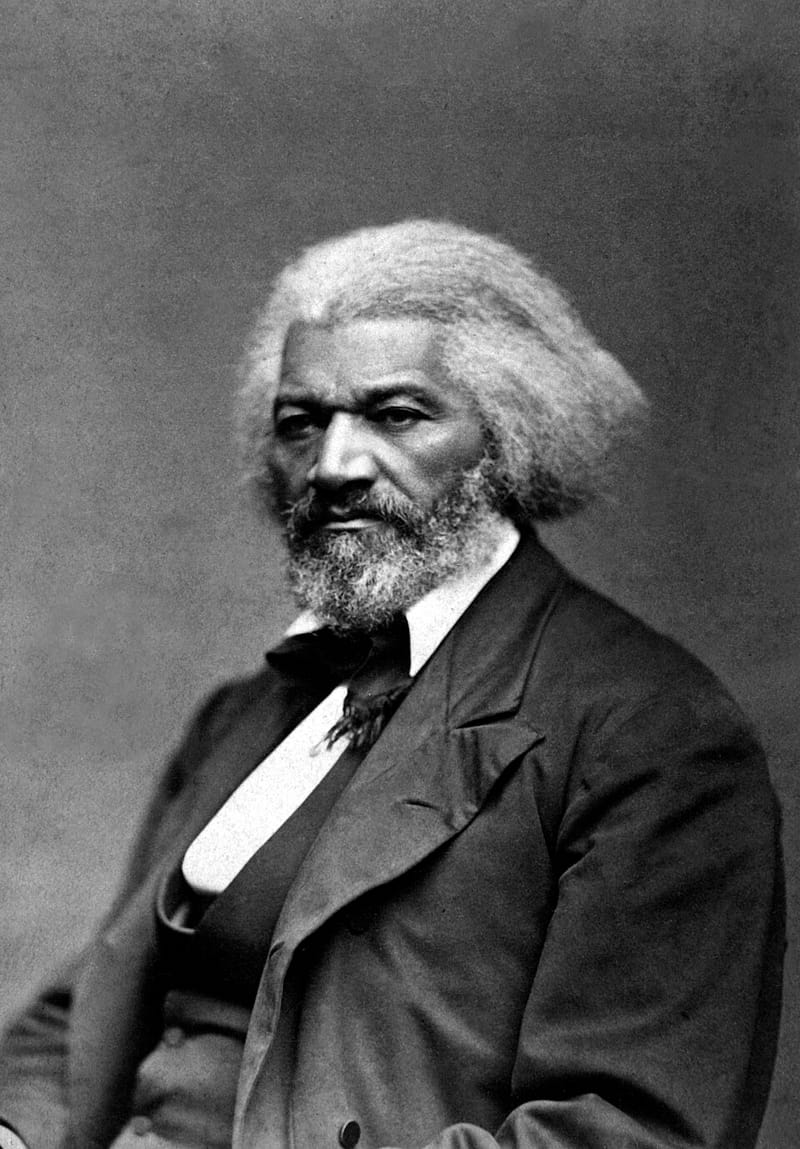
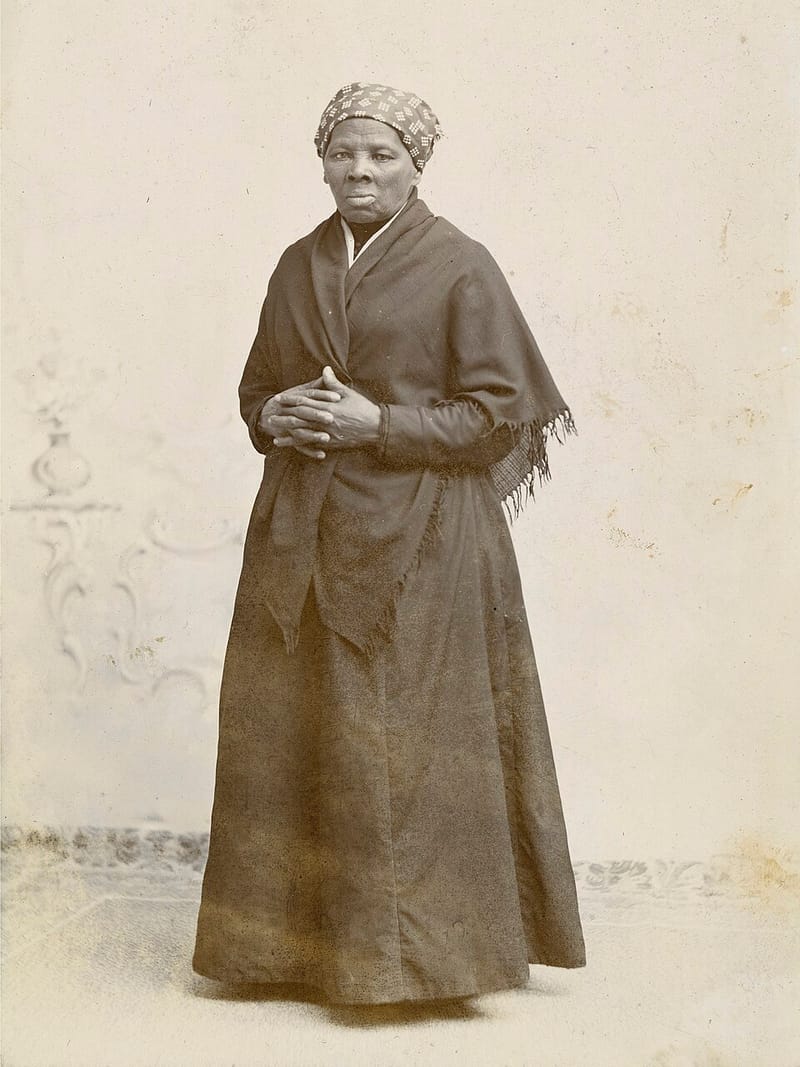
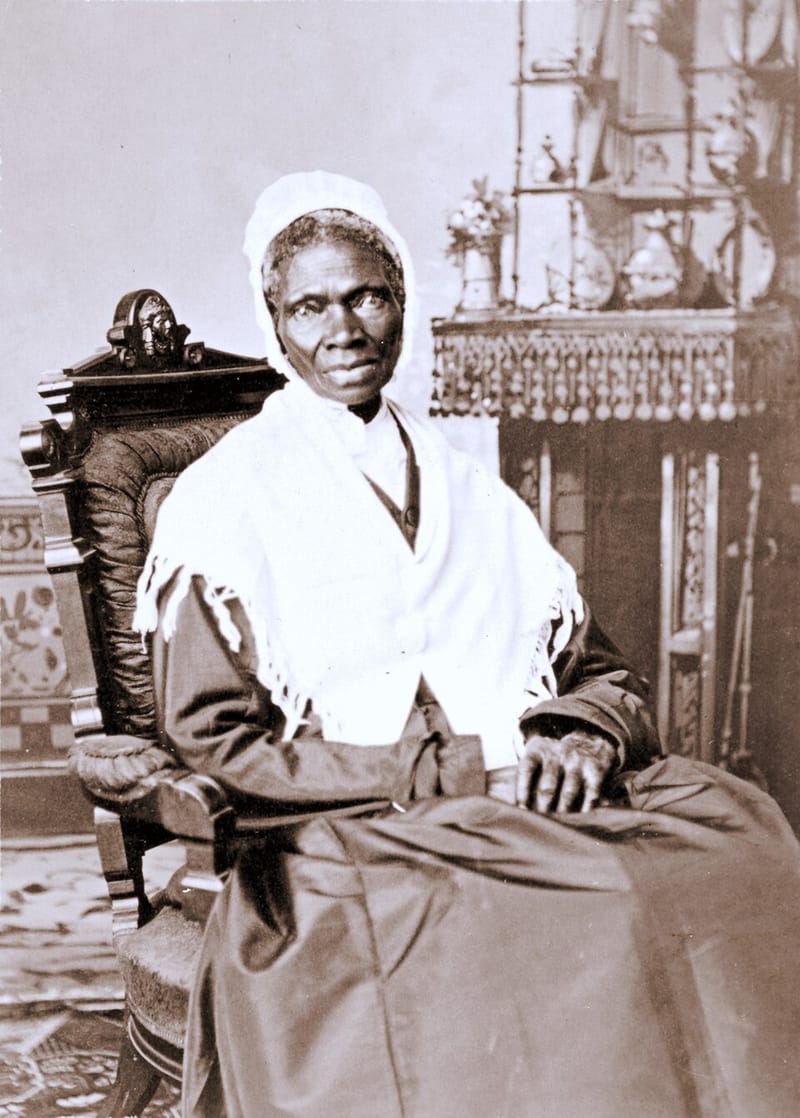
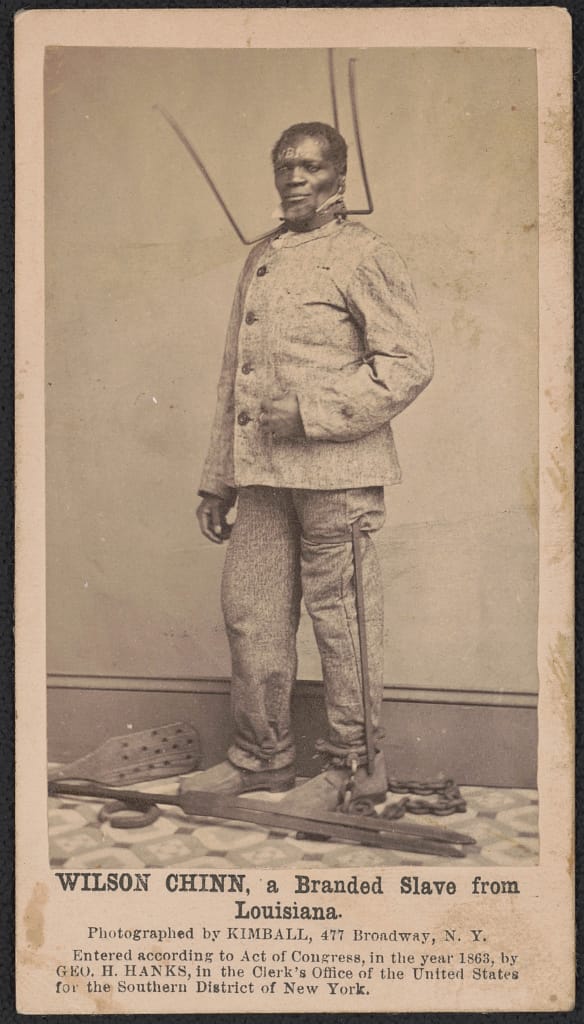
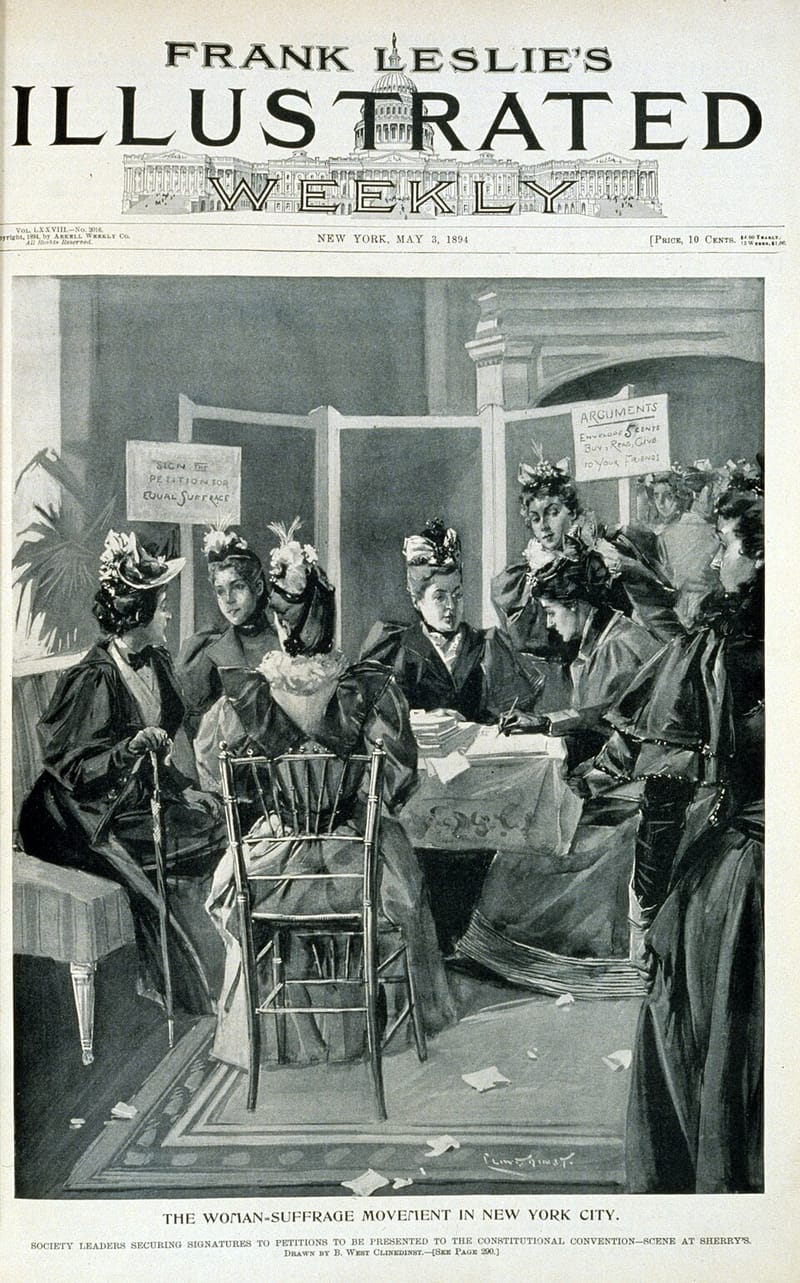
Reformers challenged the order. Abolitionists — among them Frederick Douglass, Harriet Tubman, and Sojourner Truth — demanded immediate emancipation, and the Seneca Falls Convention of 1848 launched the women’s rights movement.
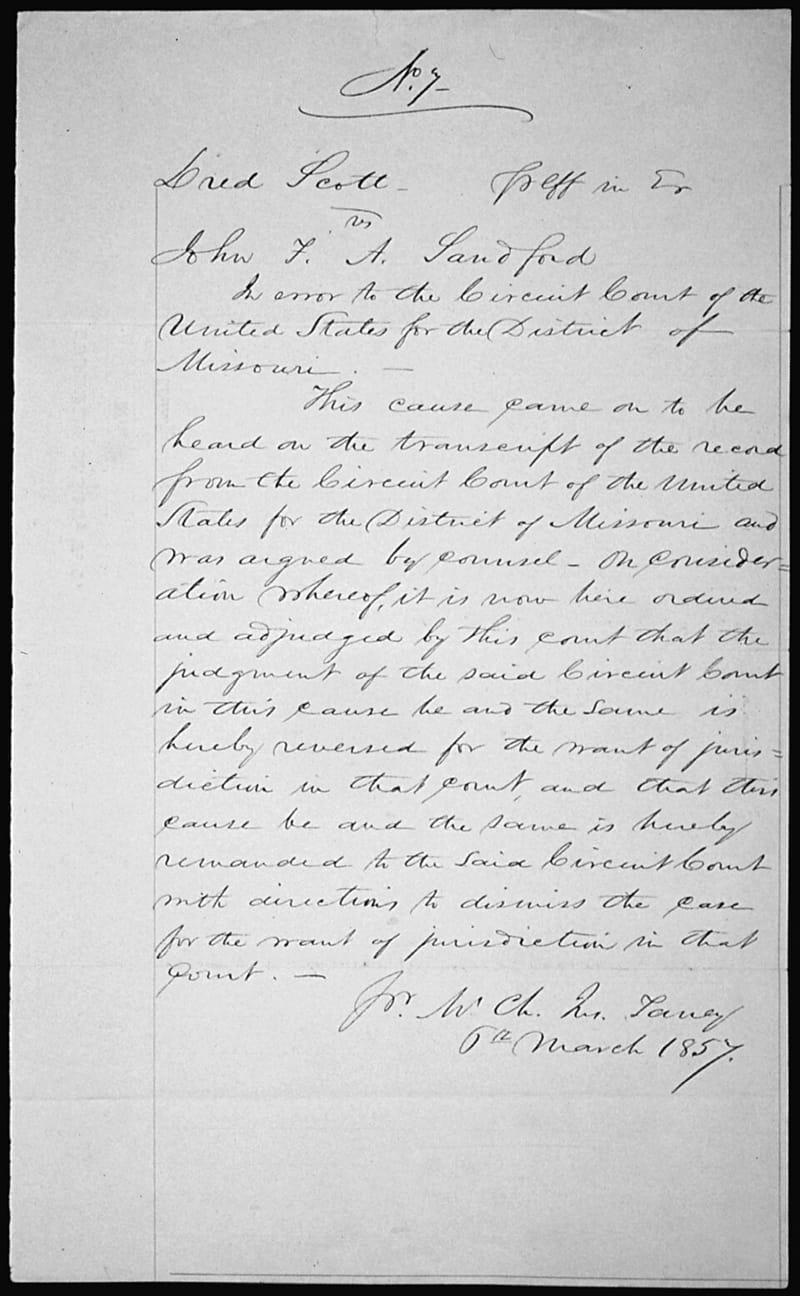
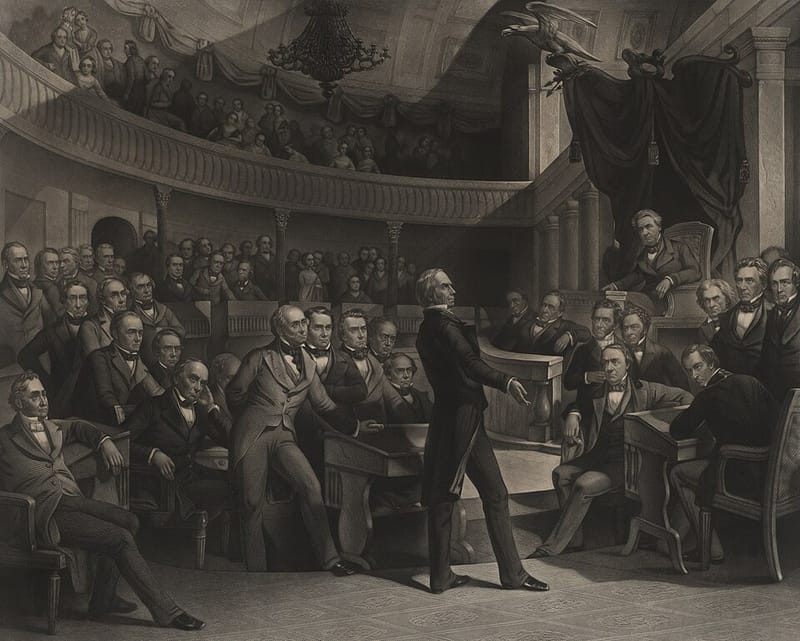
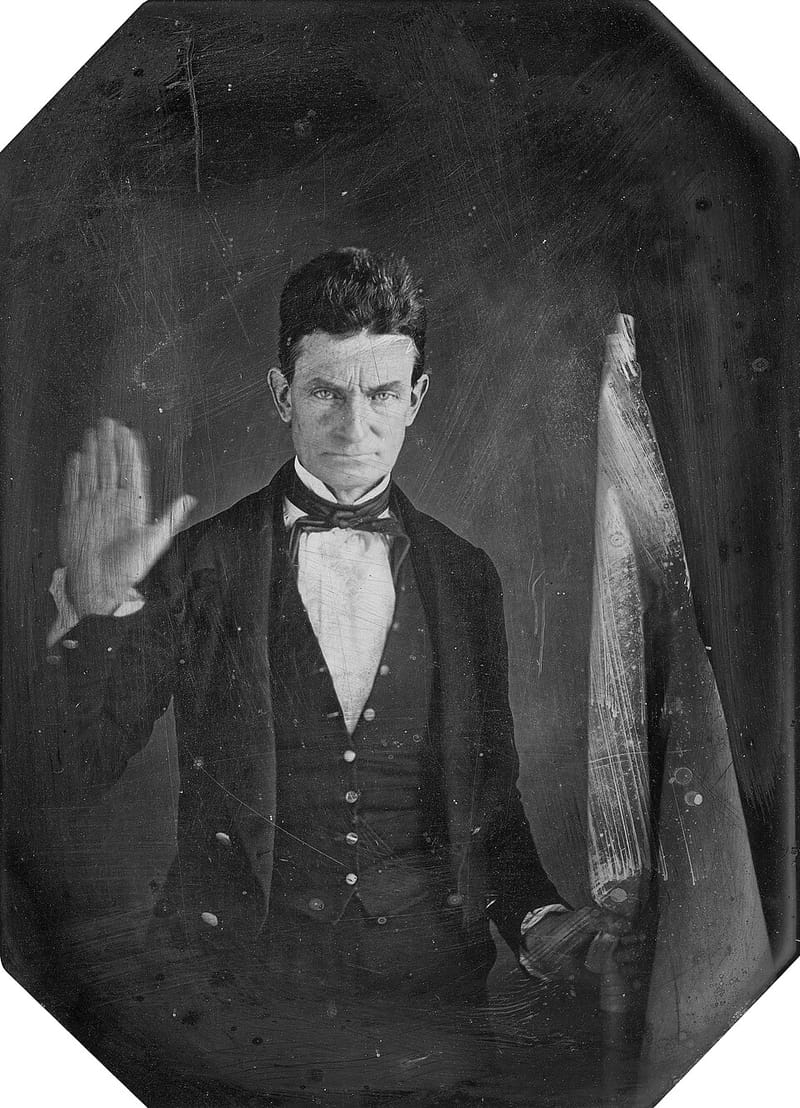
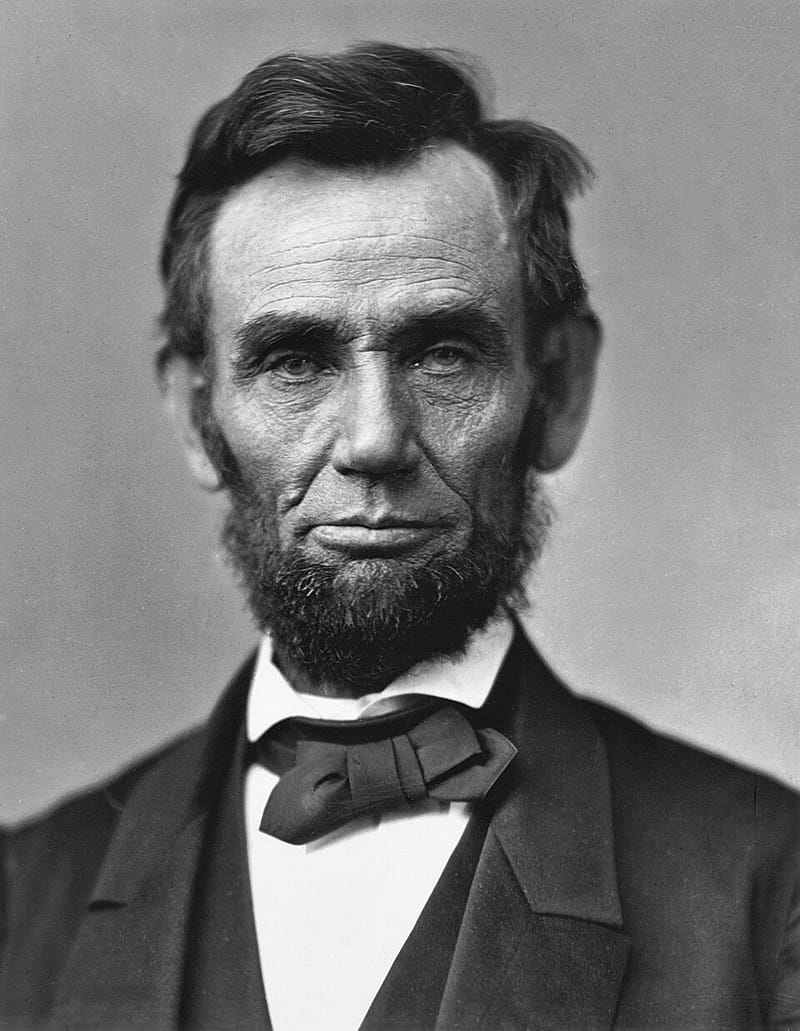
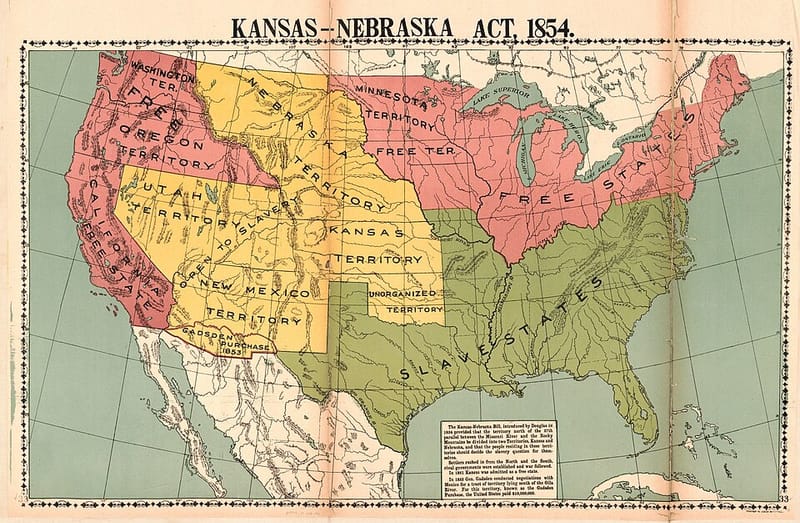
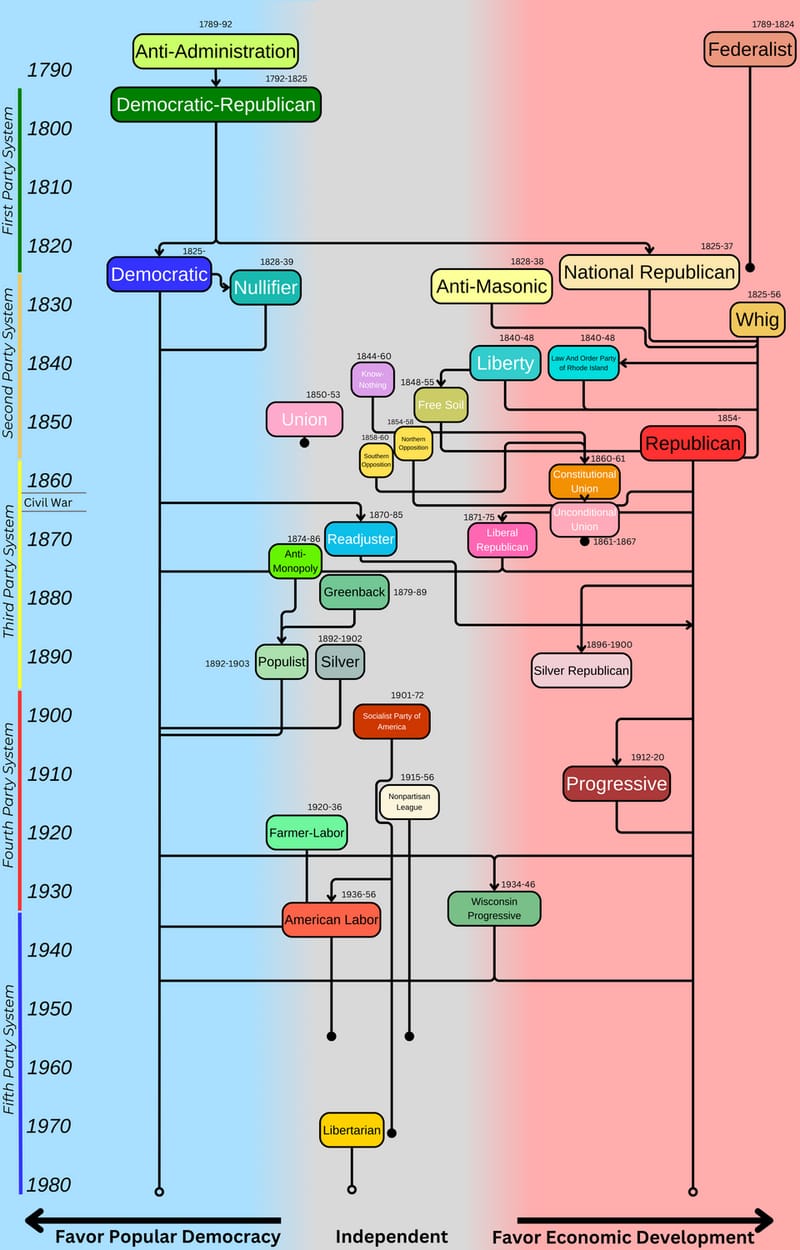
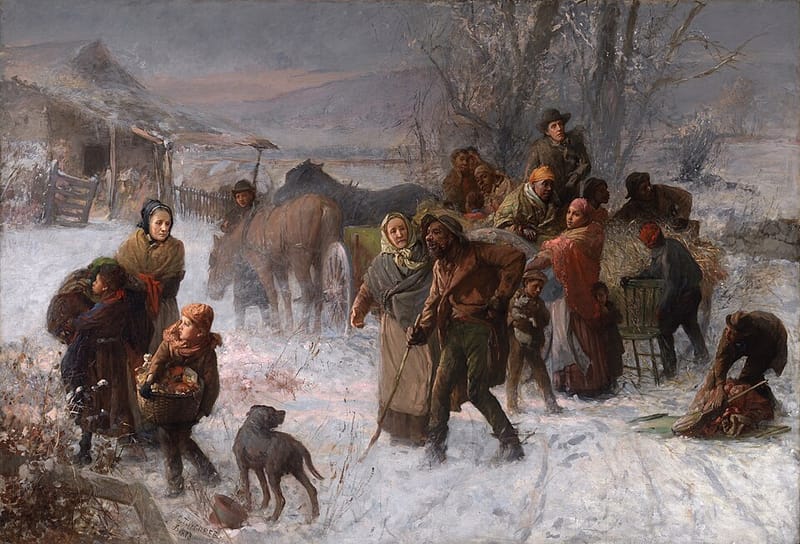
Each new territory forced the question of slavery’s expansion. The Compromise of 1850 bought time but imposed a harsh Fugitive Slave Act; the Kansas-Nebraska Act of 1854 unleashed violence in Kansas and created the Republican Party; the Dred Scott decision of 1857 denied that Congress could stop slavery’s spread; and John Brown’s raid on Harpers Ferry in 1859 convinced many Southerners that the North meant to destroy slavery. Lincoln’s election in 1860 triggered secession.
Highlights
Events and wars
People
Documents and court cases
Movements, institutions, and ideas
Places

Sources for this overview
- 1830–1860: Diplomacy and Westward Expansion — U.S. Department of State, Office of the Historian
- Kansas-Nebraska Act (1854) — Milestone Documents — National Archives
Atlas by Alexander. More on Telegram.