MovementExpansion and Sectional Conflict
The Underground Railroad
The secret network of freedom seekers and those who helped them escape slavery
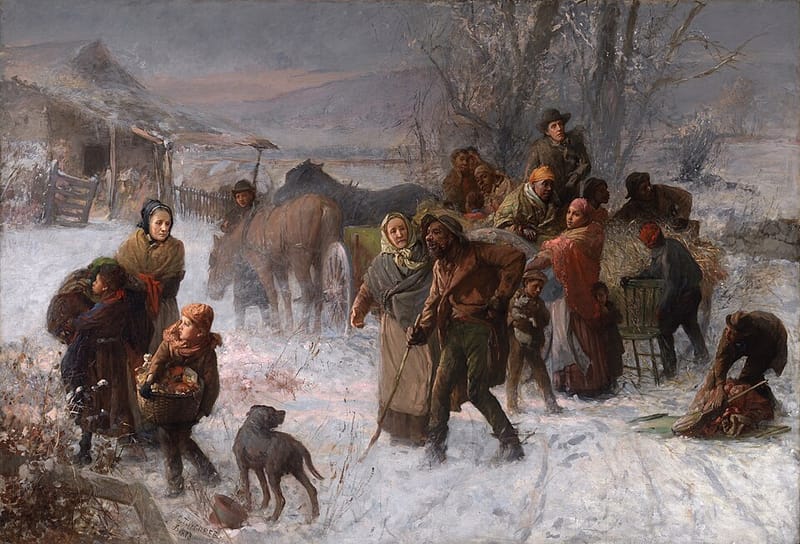
The Underground Railroad was not a railroad and not underground. It was the name for the efforts of enslaved African Americans to free themselves by escaping, and for the networks of people — free and enslaved Black Americans, white abolitionists, American Indians, and others — who helped them. Freedom seekers fled to the North, Canada, Mexico, Spanish Florida, the West, the Caribbean, and beyond, often guided by “conductors” such as Harriet Tubman. After the Fugitive Slave Act of 1850, helping them became a federal crime, and the networks grew more organized and defiant.
Key facts
- What it was
- Escape from slavery through flight, and assistance with that escape, from slavery’s beginning to the Civil War
- Destinations
- The free states, Canada, Mexico, Spanish Florida, Indian Territory, the West, the Caribbean, and Europe
- Famous conductor
- Harriet Tubman: “I never ran my train off the track and I never lost a passenger”
- 1850 law
- The Fugitive Slave Act paid federal commissioners $10 if they ruled a captive enslaved but only $5 if free
- Philadelphia
- The Black abolitionist William Still helped freedom seekers and preserved their letters and stories
Why it matters
The Underground Railroad was one of the earliest grassroots movements in American history in which people united across lines of race, gender, religion, and class to defy unjust laws. At its center were the freedom seekers themselves — and the 1850 law that tried to stop them troubled antislavery Northerners more than any other part of the Compromise of 1850.
Goals
The goal was freedom. Enslaved people sought to escape bondage and reach places where they could live free and beyond the reach of recapture. Those who helped them — sometimes on the spur of the moment, sometimes as part of organized networks — aimed to get them there safely, in defiance of the law.
Strategies
Escape began at the place of enslavement. Freedom seekers followed rivers, canals, bays, the Atlantic coast, roads, and trails, and drew on courage and ingenuity — disguises, forgeries, and other strategies — to evade slave catchers who watched the expected routes for rewards. Many made their way alone, but over the decades more help became available: “conductors” guided people between “stations” or safe houses, and the maritime industry spread information and offered jobs and passage. During the Civil War, many freedom seekers escaped to the lines of the Union army.
Opposition
Slavery was legal, and so was hunting the people who fled it. Enslavers advertised rewards, and professional slave catchers patrolled roads and ports. The Fugitive Slave Act of 1793, and far more the harsher law of 1850, required that escapees be returned. The 1850 act let special federal commissioners decide cases without a jury, ordered Northern citizens to assist in arrests, and paid commissioners twice as much for sending a person into slavery as for setting them free — which fostered corruption and the enslavement of free Black Northerners. Anyone who helped a person escape faced a fine and imprisonment.
Achievements
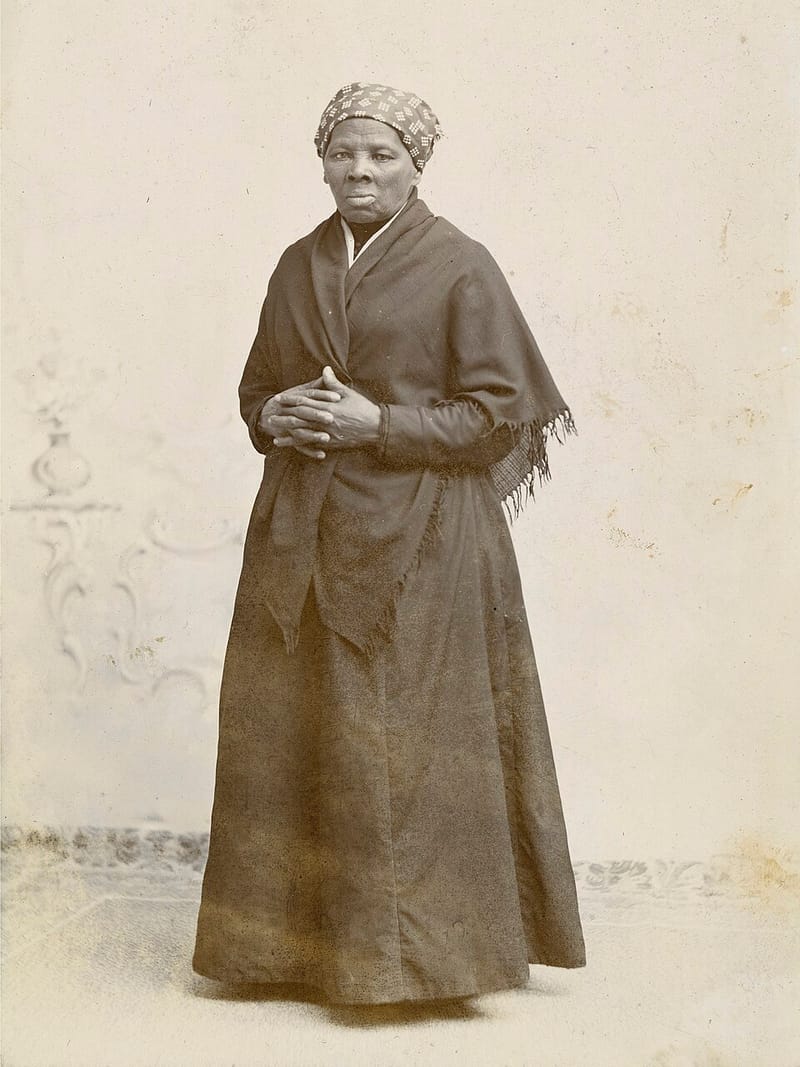
Many people reached freedom. Harriet Tubman, who escaped from Maryland herself, returned again and again to lead family and friends north, later boasting that she “never lost a passenger.” In Philadelphia the Black abolitionist William Still risked his life helping freedom seekers and preserved their letters and stories. After 1850 many fled all the way to Canada, beyond the reach of American law. The Underground Railroad turned private acts of resistance into a widespread movement of civil disobedience and kept slavery at the center of national politics.
Unresolved questions
Historians and the National Park Service now emphasize that freedom seekers, not their helpers, are at the center of the story, and they debate even the language to use: “fugitive” and “runaway” reflect the slaveholders’ view, so “freedom seeker” is now preferred. New routes are still being discovered.
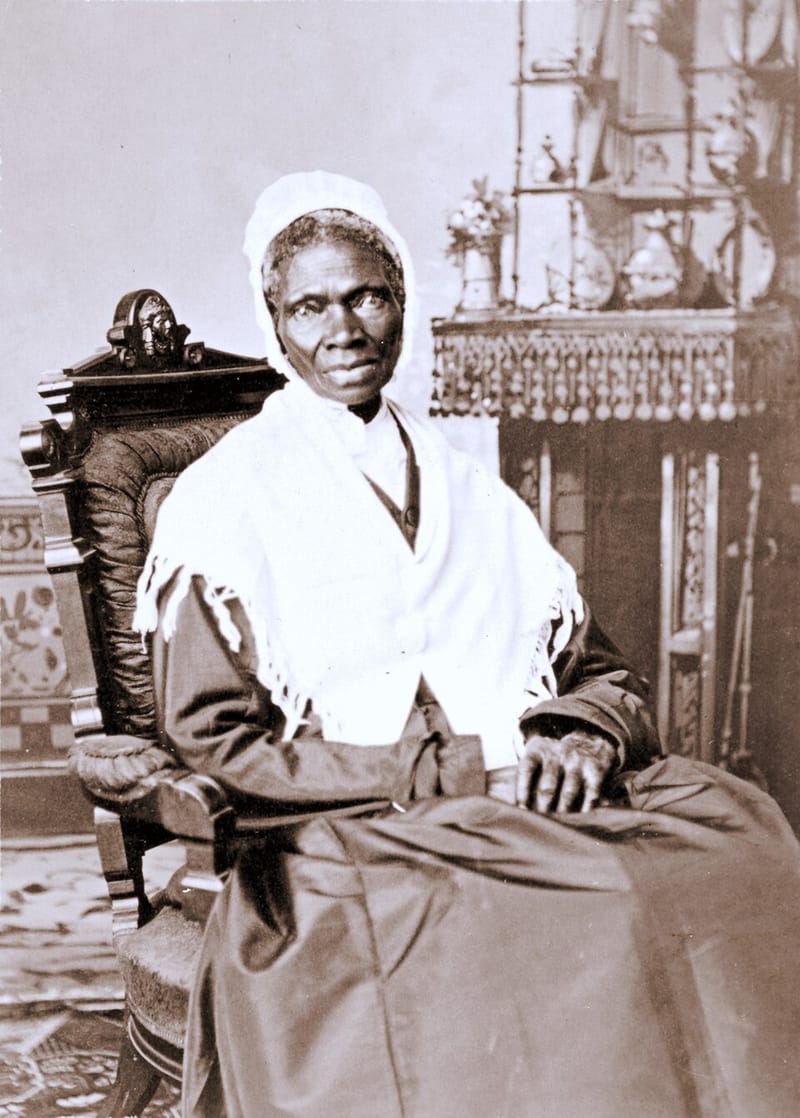
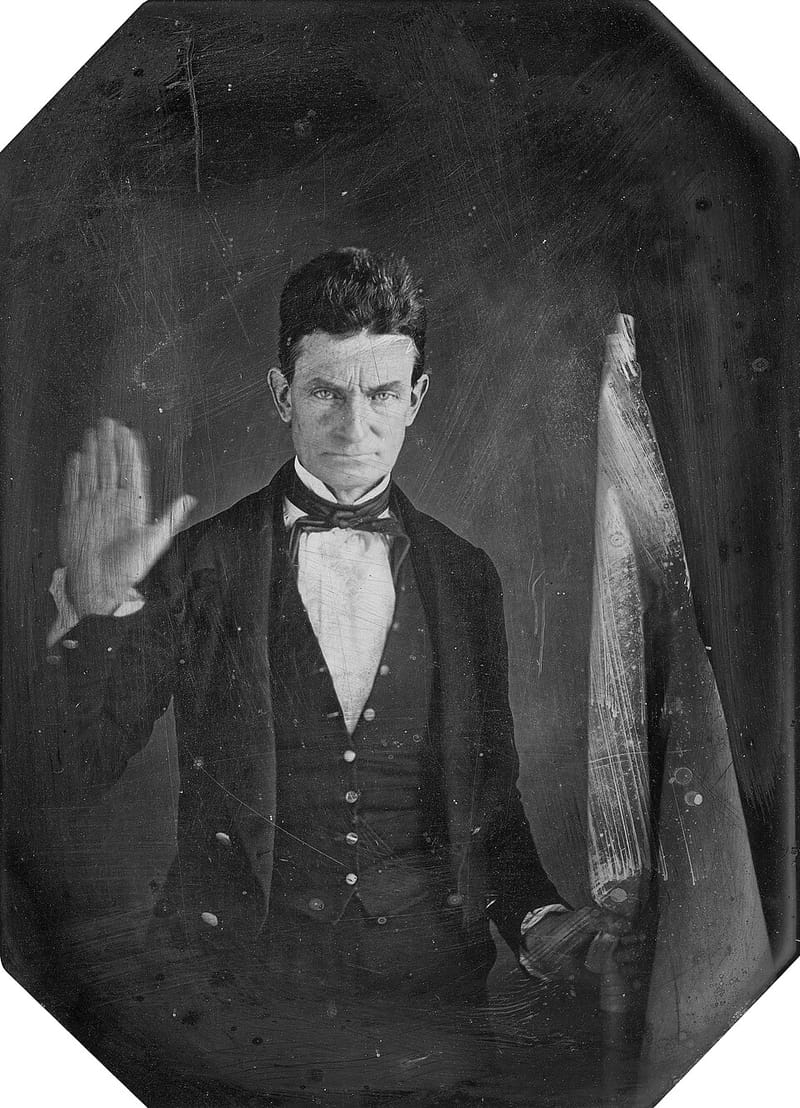
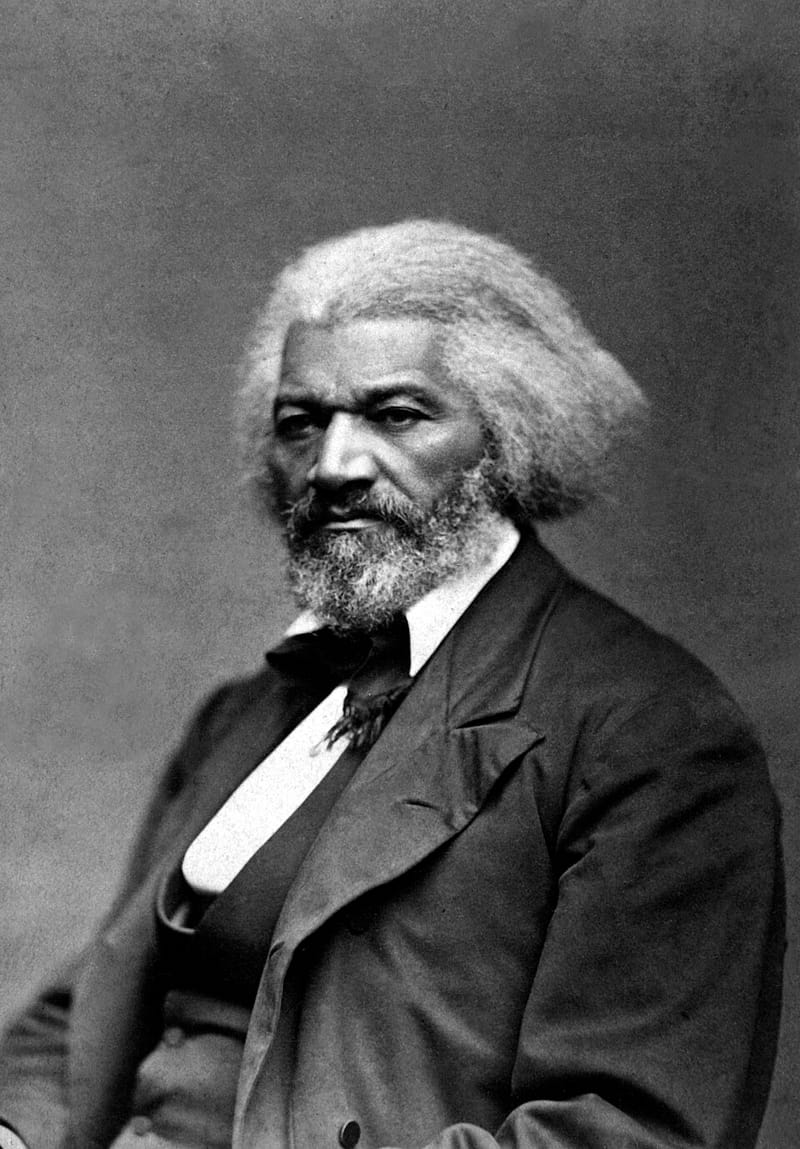
Key peopleHarriet Tubman, Frederick Douglass, Sojourner Truth, John Brown
Study this entry
Check your understanding
Try answering in your own words, then open the answer.
1.What did the movement want?Show answerHide
The goal was freedom. Enslaved people sought to escape bondage and reach places where they could live free and beyond the reach of recapture.From “Goals” above.
2.How did it pursue its goals?Show answerHide
Escape began at the place of enslavement. Freedom seekers followed rivers, canals, bays, the Atlantic coast, roads, and trails, and drew on courage and ingenuity — disguises, forgeries, and other strategies — to evade slave catchers who watched the expected routes for rewards.From “Strategies” above.
3.Who opposed it, and how?Show answerHide
Slavery was legal, and so was hunting the people who fled it. Enslavers advertised rewards, and professional slave catchers patrolled roads and ports.From “Opposition” above.
4.What did it achieve?Show answerHide
Many people reached freedom. Harriet Tubman, who escaped from Maryland herself, returned again and again to lead family and friends north, later boasting that she “never lost a passenger.”From “Achievements” above.
Turn this entry into 10 flashcards (key facts, dates, and why it matters) and review them in Learn.
Related History
How this connects to the rest of the atlas.
People

Sources
- 1.What Is the Underground Railroad?
National Park Service, National Underground Railroad Network to Freedom · Institutional · cited for definition, destinations, routes, strategies, helpers, Tubman quotation
- 2.Language of Slavery
National Park Service, National Underground Railroad Network to Freedom · Institutional · cited for grassroots movement, terminology, freedom seekers at the center
- 3.13. The Sectional Crisis
The American Yawp (Stanford University Press) · Scholarly · cited for Fugitive Slave Act of 1850, William Still
- 4.Compromise of 1850
National Archives · Institutional · cited for penalties for aiding escapes under the 1850 law
- 5.Harriet Tubman
National Women’s History Museum · Institutional · cited for William Still, Canada, Tubman’s trips
Image credits
- The Underground Railroad, Charles T. Webber, 1893. Via Wikimedia Commons · Public domain · Source
Written for American History Atlas from the sources above. See how entries are researched.
Atlas by Alexander. More on Telegram.