PersonExpansion and Sectional Conflict
Harriet Tubman
Freedom seeker, Underground Railroad conductor, Union scout
c. 1822–1913
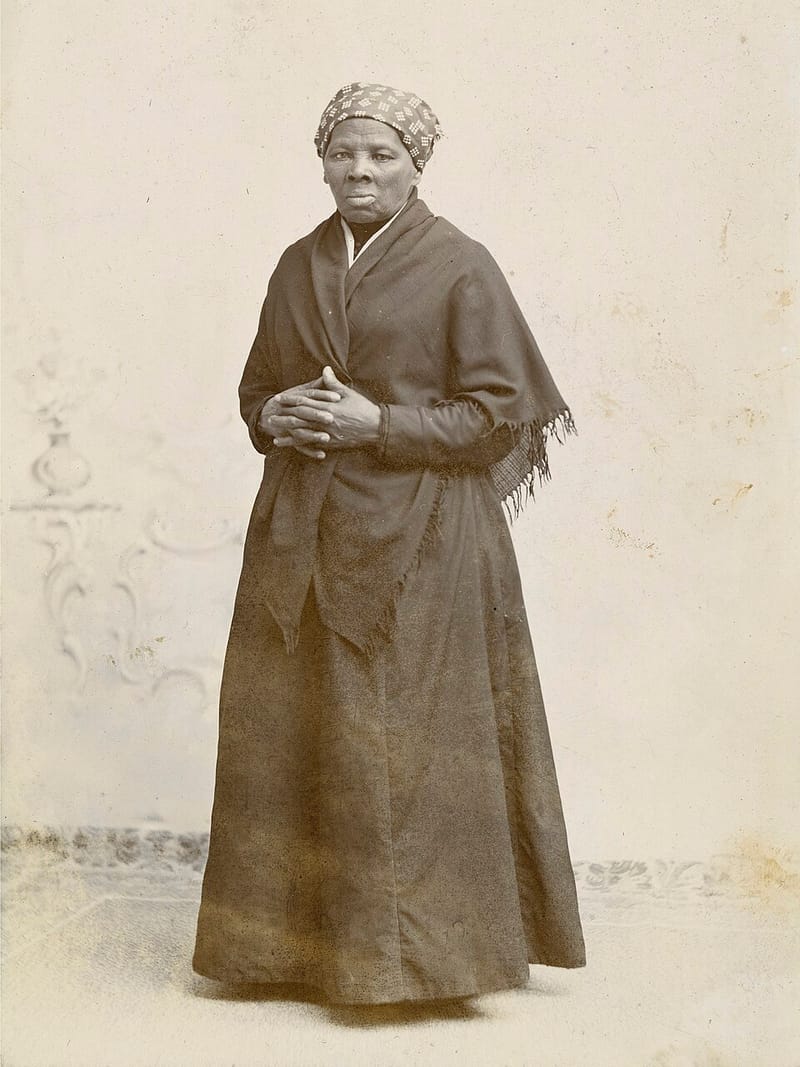
Harriet Tubman escaped slavery in Maryland in 1849 and became the most famous conductor of the Underground Railroad, returning about thirteen times to lead some seventy people, including her parents, to freedom — and later boasting that she “never lost a passenger.” During the Civil War she served the Union Army as a nurse, scout, and spy and helped lead the Combahee River Raid, which freed more than 700 enslaved people. In later life she supported women’s suffrage and cared for the elderly poor in Auburn, New York.
Key facts
- Born
- c. 1822, Dorchester County, Eastern Shore of Maryland
- Died
- 1913, Auburn, New York
- Roles
- Underground Railroad conductor; Union Army scout, spy, and nurse; Leader in the Combahee River Raid; Women’s suffrage advocate
- Born
- About 1822, named Araminta (“Minty”) Ross
- Escaped
- 1849, when she learned she was to be sold
- Rescues
- About 13 trips into Maryland over ten years; instructions to about 70 more who escaped on their own
- Combahee River Raid
- June 1, 1863: more than 700 people freed
- Nickname
- “Moses,” given by William Lloyd Garrison
Why it matters
Tubman turned her own escape into a lifelong mission of liberation, and became the enduring symbol of the courage of the freedom seekers who resisted slavery.
Early life and context
Araminta “Minty” Ross was born into slavery in 1822 in Dorchester County, on Maryland’s Eastern Shore, one of nine children of Harriet “Rit” Green Ross and Ben Ross; her father was free, but her mother was enslaved, and under slavery’s rules the children were too. From about age six her enslaver, Edward Brodess, hired her out to other households, separating her from her family. At thirteen, in a village store, she refused to help an enslaver catch a man trying to escape; he hurled a two-pound weight that struck her in the head and nearly killed her. For the rest of her life she suffered headaches and sudden “sleeping spells,” during which she had vivid visions that she connected with her faith.
As a young woman she won the right to hire herself out, working in the fields and timber lands where she learned the marshes and woods — and met Black sailors who knew the secret communication networks of the region. In 1844 she married a free Black man, John Tubman, and took the name Harriet. In 1849, when Brodess died and she feared being sold, she set out with two of her brothers; when they turned back, she went on alone, guided by the stars, to Philadelphia. “There was one of two things I had the right to, liberty or death,” she later said; “if I could not have one, I would have the other.”
Major actions and achievements
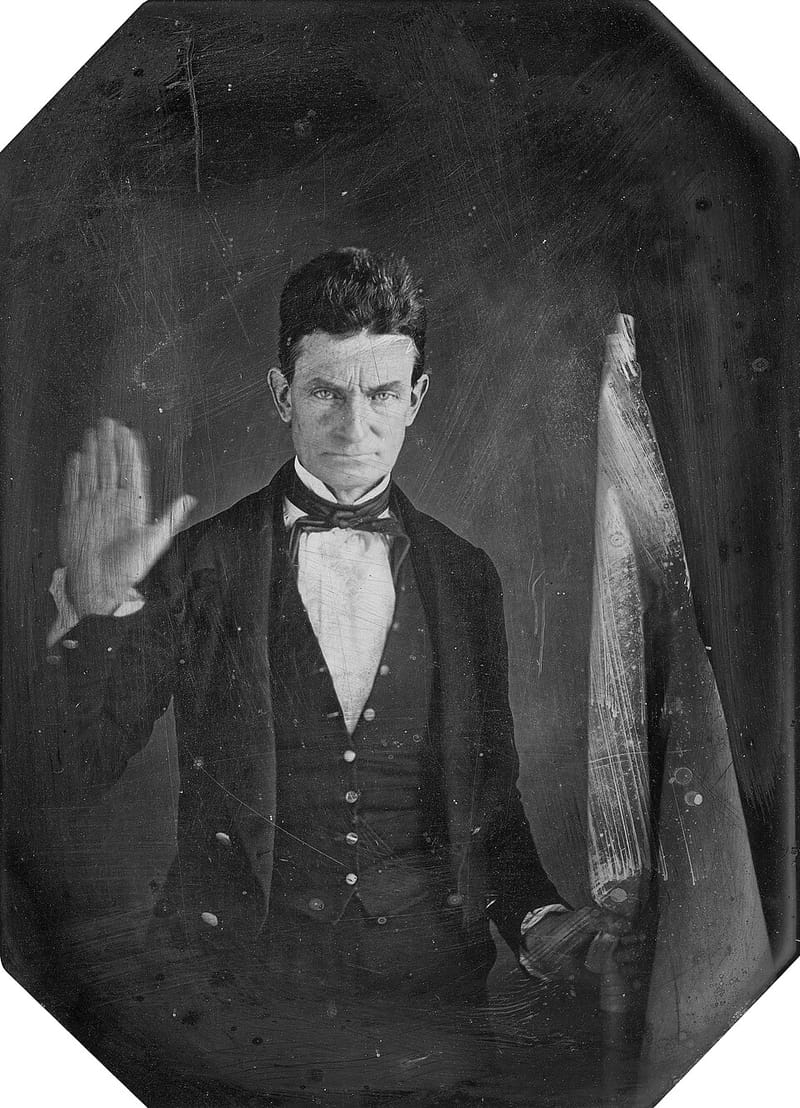
In Philadelphia she met the Underground Railroad leader William Still, and from 1850 she began returning to Maryland to bring out her family and friends. When she went back for her husband in 1851, she found he had remarried and would not come. After the Fugitive Slave Act of 1850 made the North unsafe, she guided freedom seekers all the way to St. Catharines, Ontario. Over about ten years she made some thirteen trips and led about seventy people out of slavery, including her elderly parents, and gave instructions to some seventy more who escaped on their own. A reward of $100 had been offered for her own capture. Abolitionists called her “Moses”; John Brown, whom she helped recruit men for his raid on Harpers Ferry, called her “General Tubman.”
During the Civil War she went to South Carolina in 1862 to nurse Black soldiers and refugees, then organized a network of scouts and spies behind Confederate lines. On June 1, 1863, she guided Colonel James Montgomery’s 2nd South Carolina Infantry, a regiment of formerly enslaved men, up the Combahee River; the raid destroyed plantations and freed more than 700 people, many of whom joined the Union army. She is often described as the first woman in U.S. history to plan and lead a military raid.
Beliefs and ideas
Tubman’s courage rested on deep Christian faith and on the conviction that freedom was worth any risk. She trusted the visions that came during her seizures, and she relied on her knowledge of the land and of the secret networks of free and enslaved Black people. After the war she carried the same zeal into the campaign for women’s suffrage, working alongside Susan B. Anthony, Elizabeth Cady Stanton, and Lucretia Mott.
Controversies, limits, and criticism
Tubman’s methods were illegal and dangerous: after 1850, anyone who helped a freedom seeker broke federal law. She also supported John Brown, whose 1859 attempt to start an armed slave revolt at Harpers Ferry ended in failure and his execution. Slavery cost her personally as well — her first marriage did not survive her escape. And she lived for decades with disability: the head injury left her with chronic pain and seizures that historians now believe were narcolepsy, a part of her story that the National Women’s History Museum notes has often been overlooked.
Legacy
Tubman settled in Auburn, New York, on land she obtained from the family of William H. Seward, married Nelson Davis, whom she had met during the war, in 1869, and founded the Harriet Tubman Home for the Aged. She died of pneumonia there in 1913, at about ninety-one, and was buried with military honors in Fort Hill Cemetery. Her homes and the landscapes of her escapes are now national historical parks, and in 2024 Maryland posthumously named her a brigadier general.
Study this entry
Check your understanding
Try answering in your own words, then open the answer.
1.What shaped Harriet Tubman early in life?Show answerHide
Araminta “Minty” Ross was born into slavery in 1822 in Dorchester County, on Maryland’s Eastern Shore, one of nine children of Harriet “Rit” Green Ross and Ben Ross; her father was free, but her mother was enslaved, and under slavery’s rules the children were too.From “Early life and context” above.
2.What were Harriet Tubman’s major achievements?Show answerHide
In Philadelphia she met the Underground Railroad leader William Still, and from 1850 she began returning to Maryland to bring out her family and friends. When she went back for her husband in 1851, she found he had remarried and would not come.From “Major actions and achievements” above.
3.What criticism or controversy surrounds Harriet Tubman?Show answerHide
Tubman’s methods were illegal and dangerous: after 1850, anyone who helped a freedom seeker broke federal law. She also supported John Brown, whose 1859 attempt to start an armed slave revolt at Harpers Ferry ended in failure and his execution.From “Controversies, limits, and criticism” above.
4.How is Harriet Tubman remembered?Show answerHide
Tubman settled in Auburn, New York, on land she obtained from the family of William H. Seward, married Nelson Davis, whom she had met during the war, in 1869, and founded the Harriet Tubman Home for the Aged. She died of pneumonia there in 1913, at about ninety-one, and was buried with military honors in Fort Hill Cemetery.From “Legacy” above.
Turn this entry into 11 flashcards (key facts, dates, and why it matters) and review them in Learn.
Related History
How this connects to the rest of the atlas.
People
Movements

Sources
- 1.Harriet Tubman
National Park Service · Institutional · cited for birth, escape, rescues, Civil War service, Combahee raid, later life
- 2.What Is the Underground Railroad?
National Park Service, Network to Freedom · Institutional · cited for freedom seekers, routes, helpers
- 3.Harriet Tubman Underground Railroad — History & Culture
National Park Service · Institutional · cited for Underground Railroad and Tubman’s role
- 4.Harriet Tubman
National Women’s History Museum · Institutional · cited for childhood, injury, escape, rescues, Civil War, later life
Image credits
- Harriet Tubman by Squyer, NPG, c1885, Photographer: Horatio Seymour Squyer, 1848 - 18 Dec 1905, circa 1885. Via Wikimedia Commons · Public domain · Source
Written for American History Atlas from the sources above. See how entries are researched.
Atlas by Alexander. More on Telegram.