MovementExpansion and Sectional Conflict
Abolitionism
The movement to end slavery in the United States
1775–1865
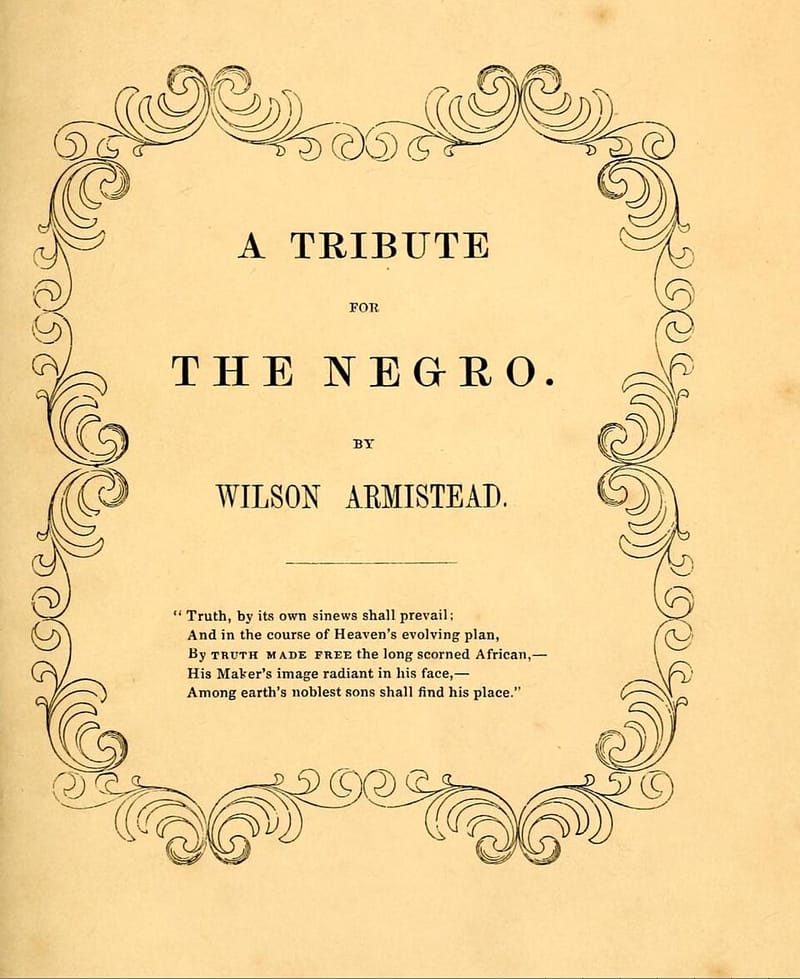
Abolitionism was the movement to end slavery. It began among Quakers and revolutionaries in the eighteenth century, when gradual emancipation laws ended slavery in the Northern states, and in the 1830s became a militant crusade for immediate, uncompensated freedom and equal rights for Black Americans. Black abolitionists — many of them people who had escaped slavery — were at its center. Though abolitionists were a small and often despised minority, they helped make slavery the defining issue of national politics.
Key facts
- Date
- 1775–1865
- Dating note
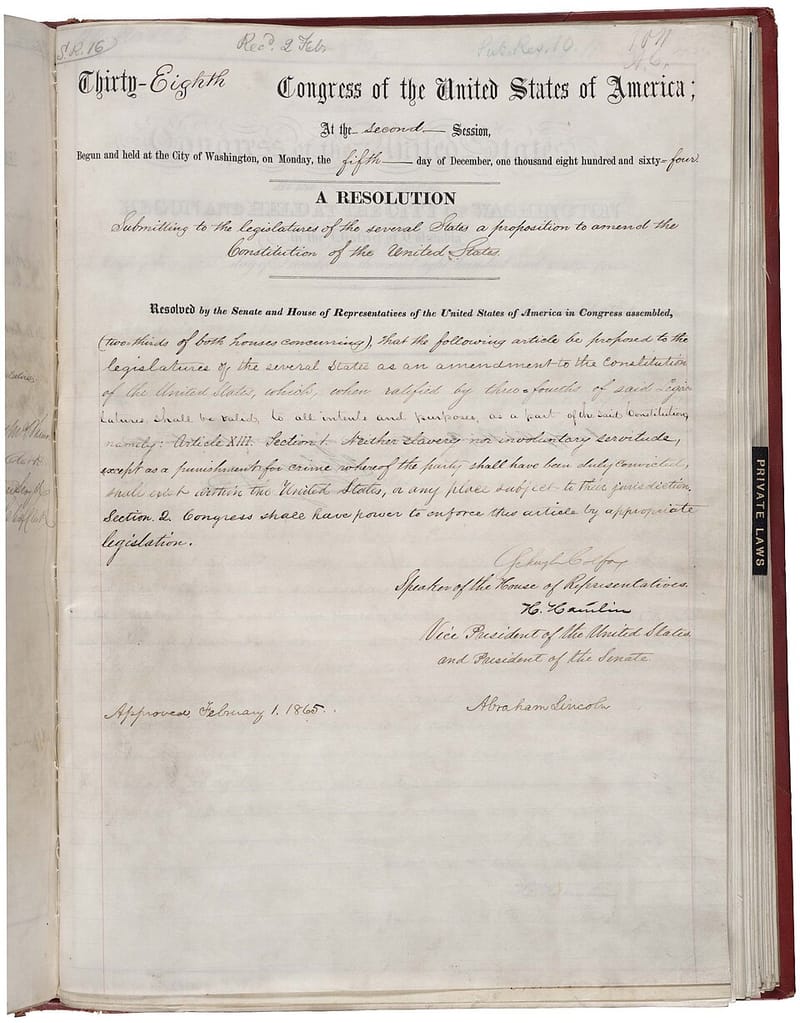
- Organized antislavery activity began in the Revolutionary era; the movement turned toward immediate abolition around 1831 and achieved its goal with the Thirteenth Amendment in 1865.
- Early organizations
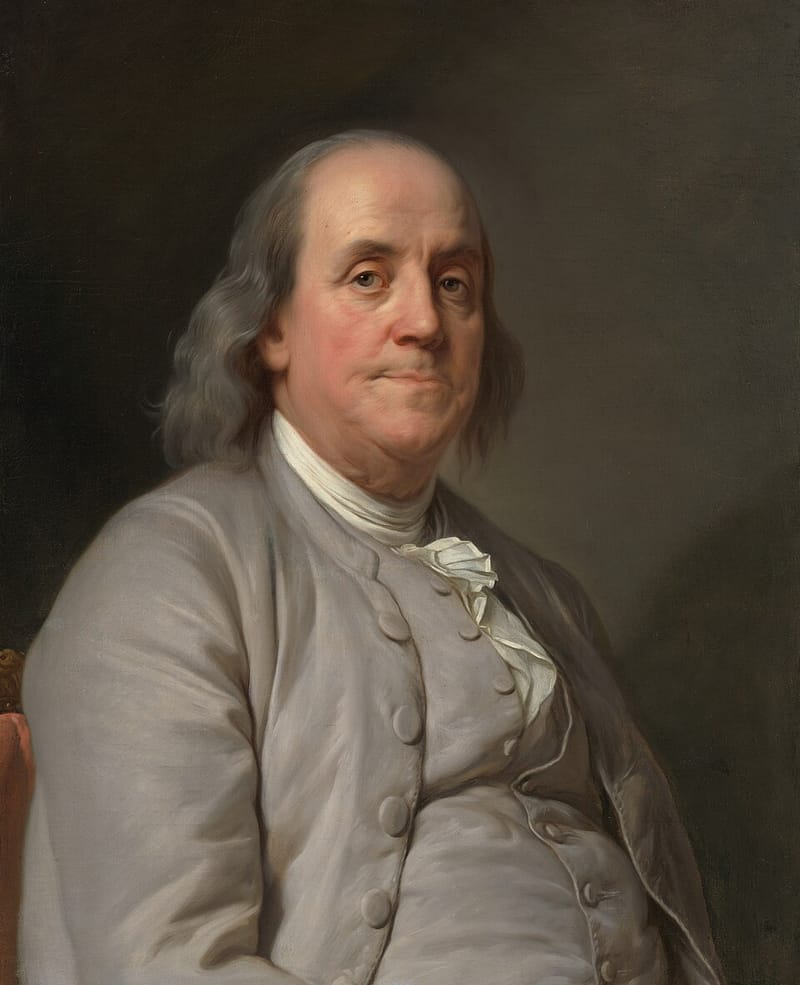
- Pennsylvania Society for Promoting the Abolition of Slavery (Franklin was its president, 1787–1790)
- Turn to immediatism
- 1831: William Lloyd Garrison’s The Liberator demands immediate emancipation
- National society
- American Anti-Slavery Society, founded 1833
- Key figures
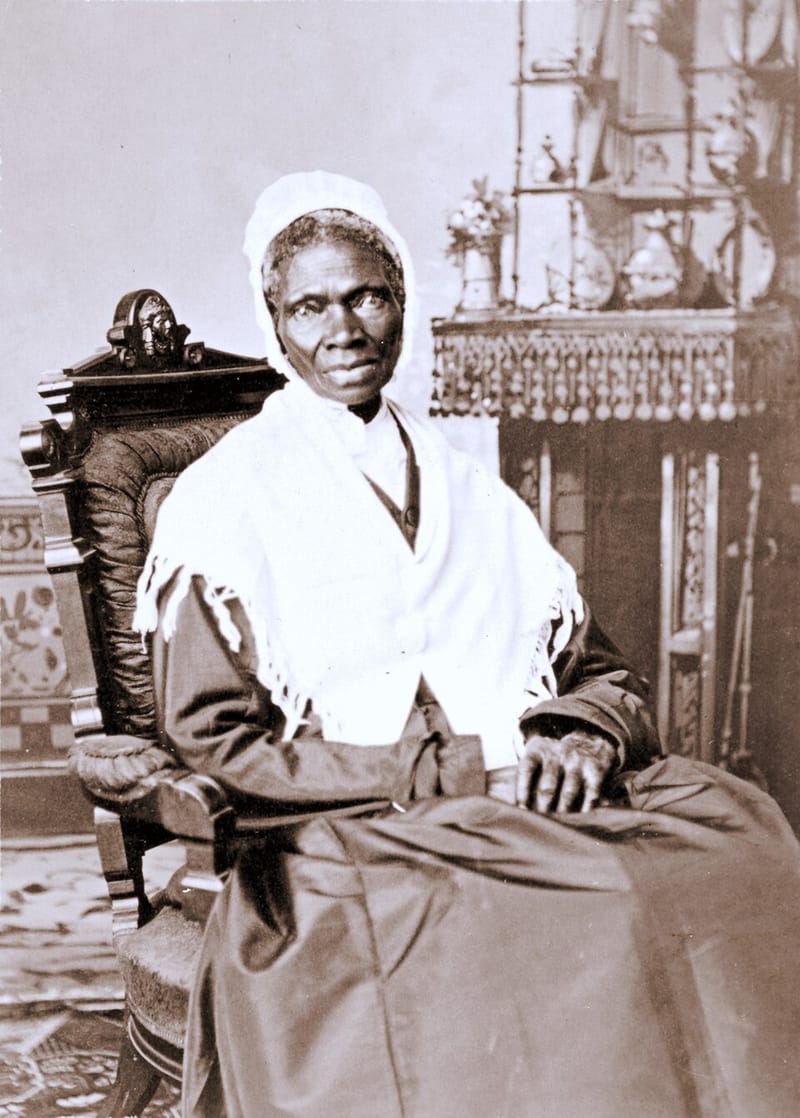
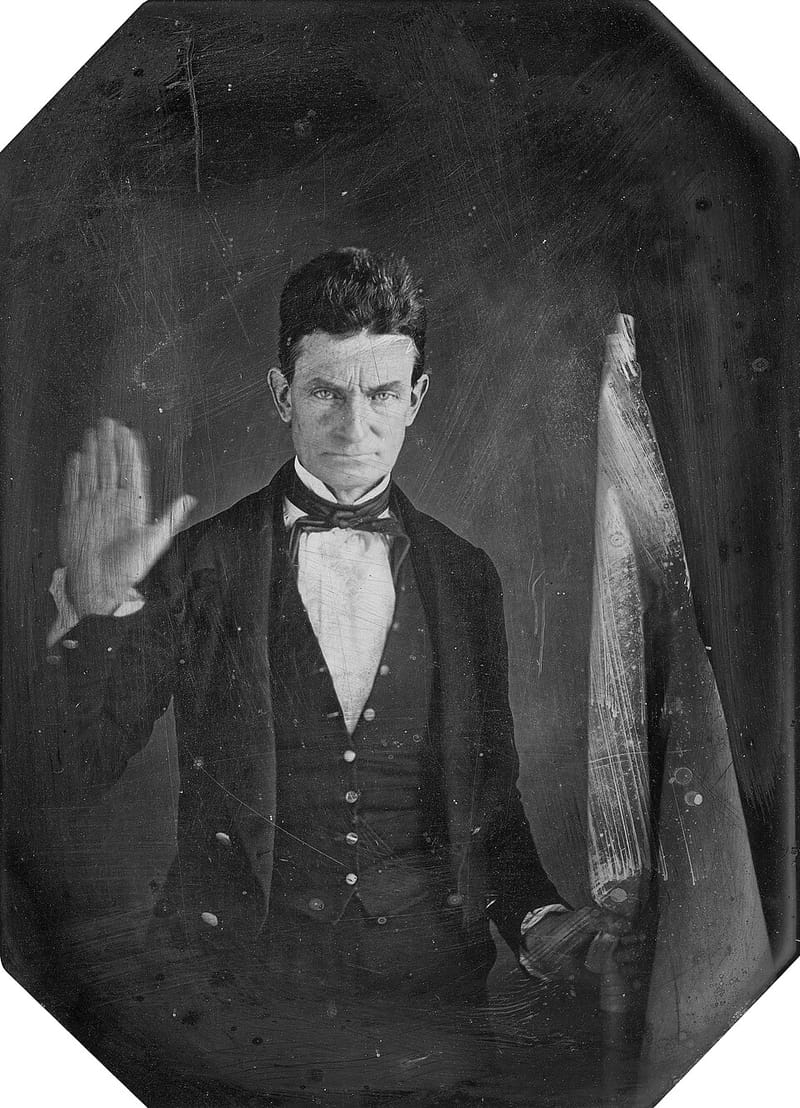
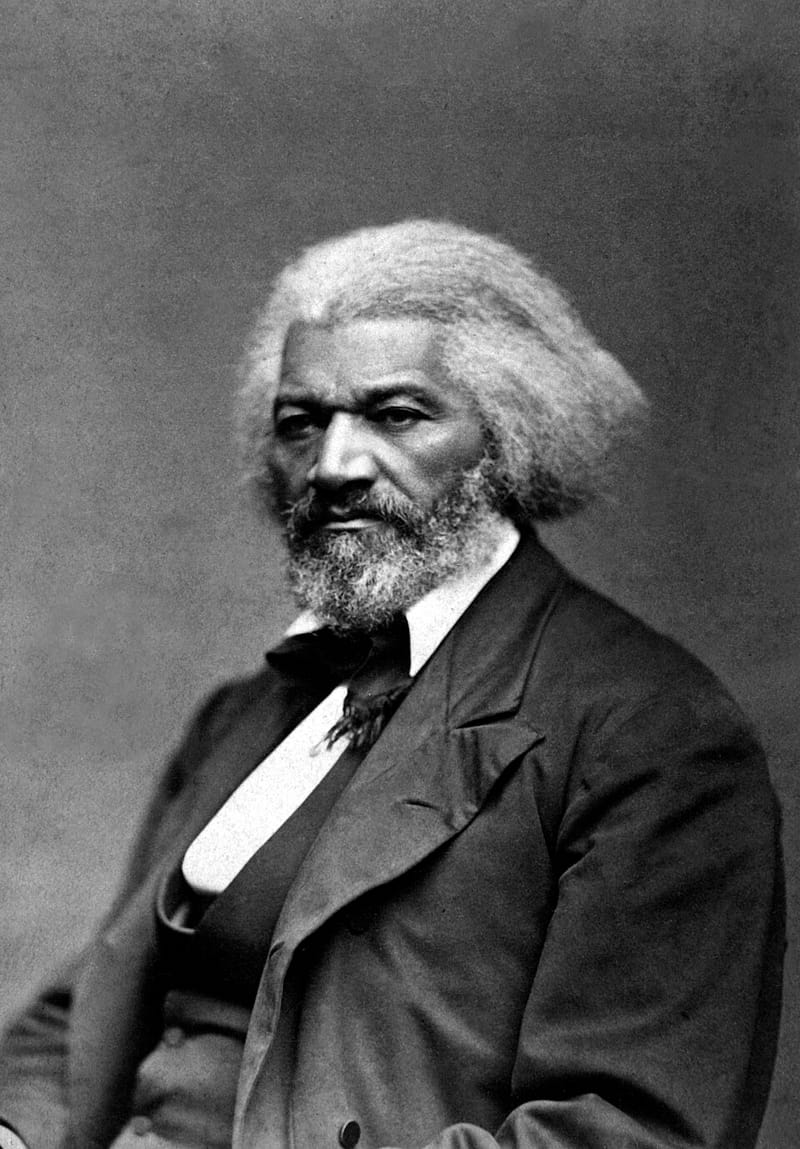
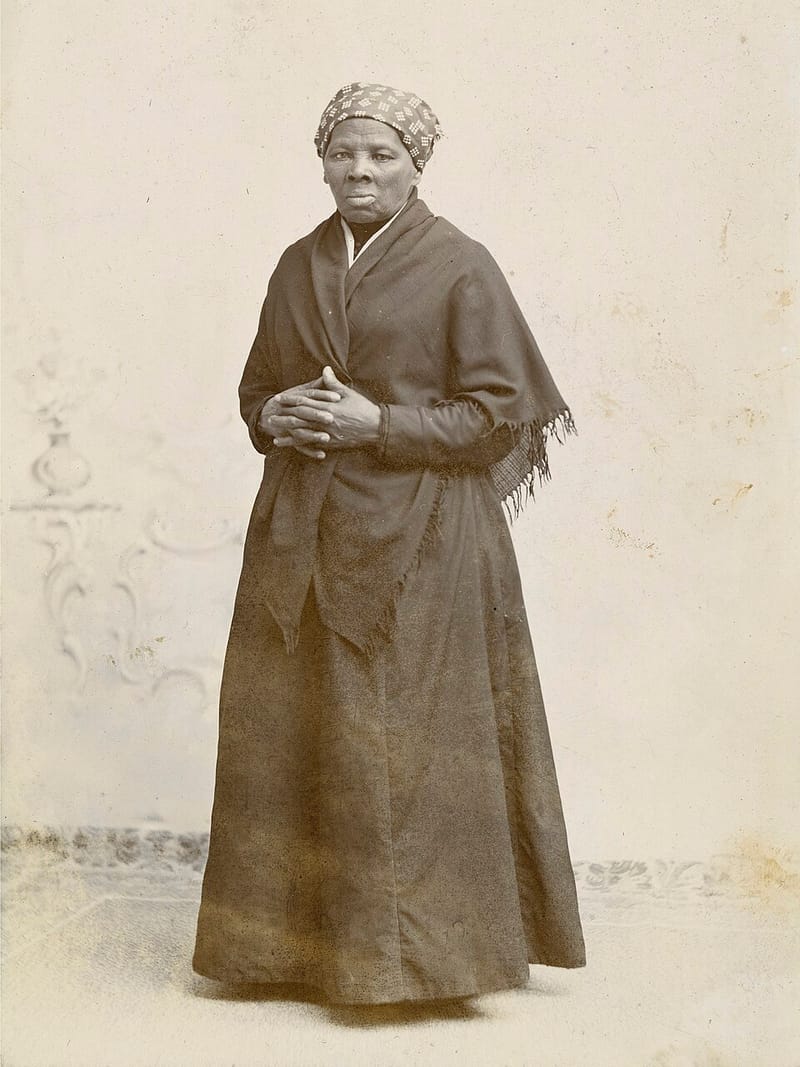
- Frederick Douglass, Harriet Tubman, Sojourner Truth, William Lloyd Garrison, John Brown
Why it matters
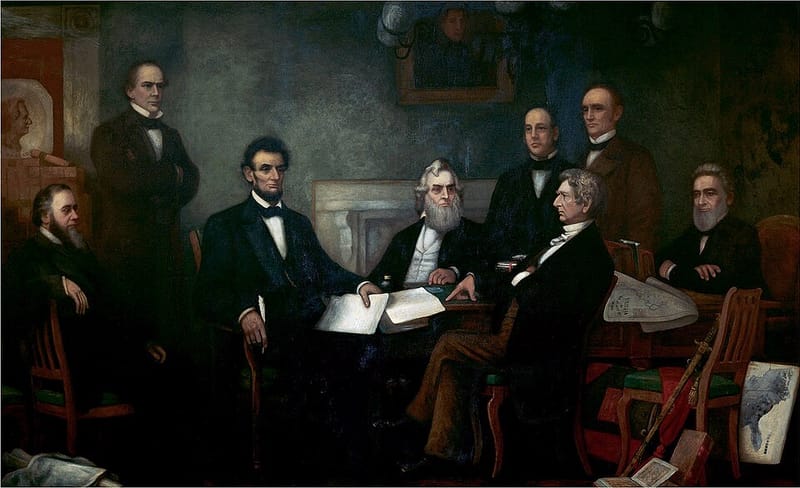
The abolitionist movement turned a moral conviction held by a small minority into a national crisis, and helped ensure that the Civil War became a war to end slavery.
Goals
Early antislavery reformers sought gradual emancipation and an end to the slave trade; some supported “colonization,” sending freed Black Americans to Africa. From the 1830s, the movement’s radical wing demanded immediate, uncompensated emancipation — and, following the lead of Black activists who had rejected colonization, political and social equality for Black Americans.
Strategies
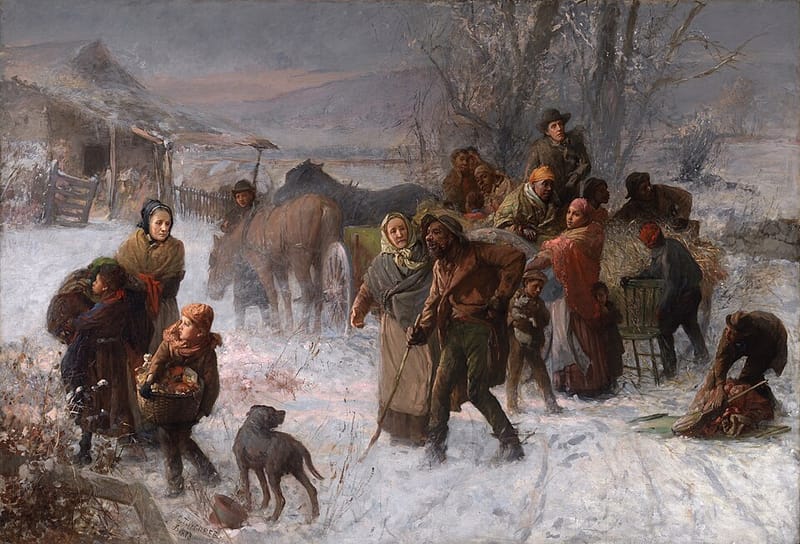
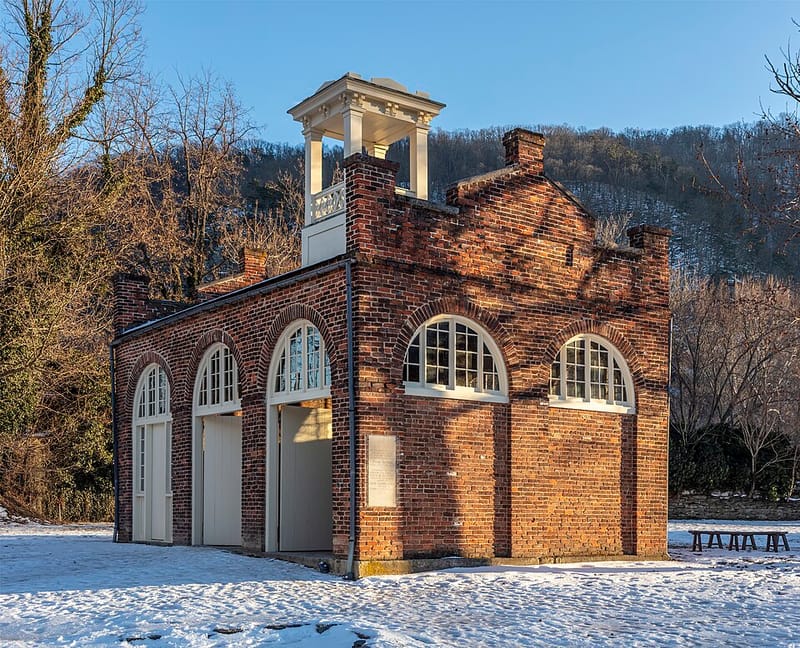
Abolitionists used every tool available to a reform movement in a democracy: - Newspapers and publishing. Garrison published The Liberator every week from 1831 to 1865; Douglass founded The North Star. Slave narratives, such as Douglass’s Narrative (1845), exposed slavery’s cruelty in the words of those who endured it. - Lectures and societies. Local and national antislavery societies sent speakers across the North. - Petitions. From the Pennsylvania Society’s 1790 petition, signed by Benjamin Franklin, to petitions from Quaker meetings and later societies, abolitionists pressed Congress to act. - Direct action. Through the Underground Railroad, free and enslaved Black people and white allies helped freedom seekers escape to the North, Canada, Mexico, and beyond — a form of civil disobedience that became more organized after the Fugitive Slave Act of 1850. - Politics — and violence. Some abolitionists formed antislavery parties; a few, like John Brown, turned to armed attack.
Opposition
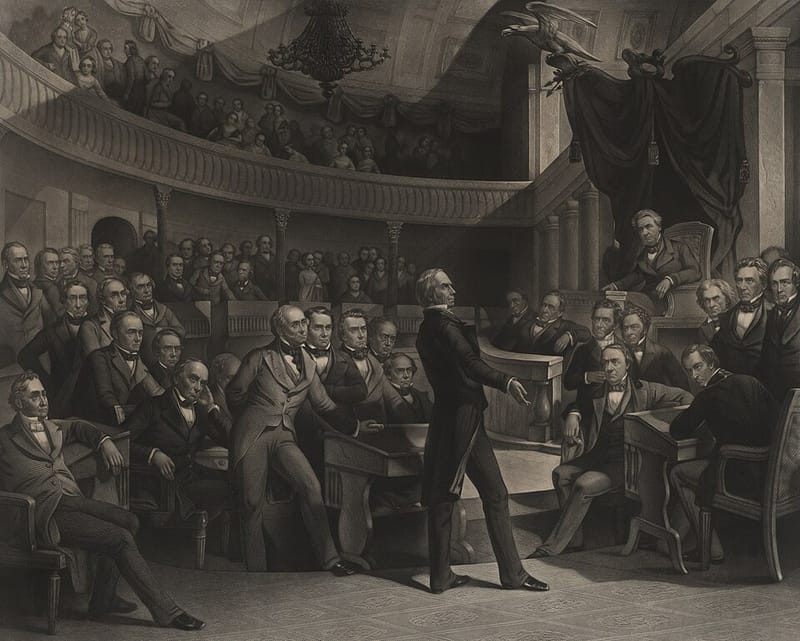
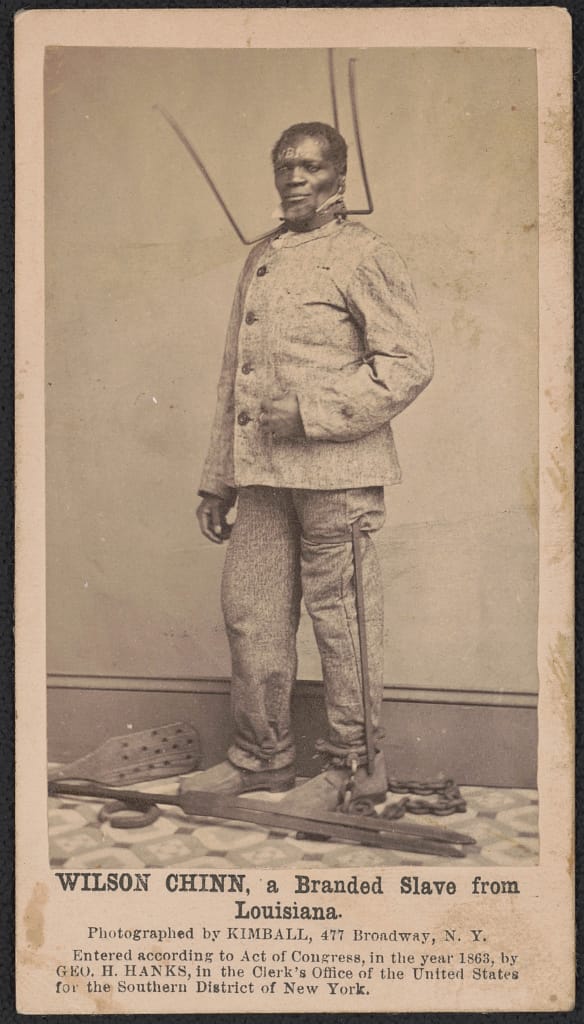
Abolitionists were a small minority, often despised in the North as well as the South. Garrison kept publishing despite threats, violence, and financial struggles. Many white Northerners who opposed slavery’s expansion still regarded immediate abolitionists as dangerous radicals, and Congress repeatedly refused to act on antislavery petitions — beginning in 1790, when the House tabled the Pennsylvania Society’s petition.
Achievements
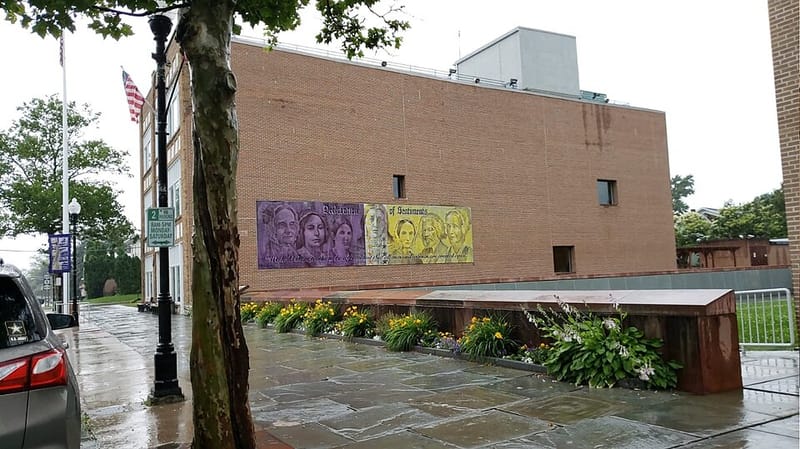
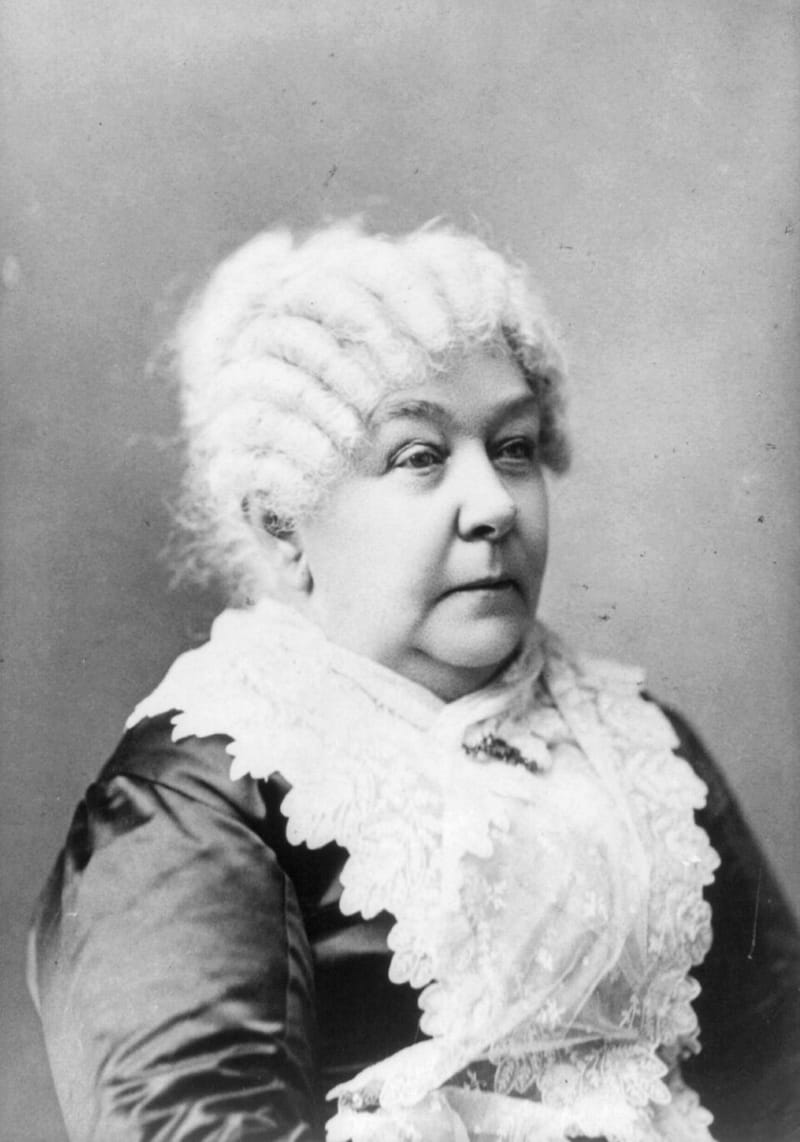
Abolitionists made slavery impossible to ignore. Their arguments shaped the free-soil and Republican movements, their example inspired the women’s rights movement — many of whose founders came from abolitionism — and their campaign culminated in emancipation during the Civil War and the Thirteenth Amendment in 1865, after which Garrison ended The Liberator.
Unresolved questions
Abolitionists disagreed about tactics (moral persuasion versus politics versus force), about whether the Constitution was proslavery, and about the place of women in the movement. Most important, the end of slavery did not bring the equality many had demanded; that struggle continued through Reconstruction and the civil rights movement.
Study this entry
Check your understanding
Try answering in your own words, then open the answer.
1.What did the movement want?Show answerHide
Early antislavery reformers sought gradual emancipation and an end to the slave trade; some supported “colonization,” sending freed Black Americans to Africa.From “Goals” above.
2.How did it pursue its goals?Show answerHide
Abolitionists used every tool available to a reform movement in a democracy: - Newspapers and publishing. Garrison published The Liberator every week from 1831 to 1865; Douglass founded The North Star.From “Strategies” above.
3.Who opposed it, and how?Show answerHide
Abolitionists were a small minority, often despised in the North as well as the South. Garrison kept publishing despite threats, violence, and financial struggles.From “Opposition” above.
4.What did it achieve?Show answerHide
Abolitionists made slavery impossible to ignore.From “Achievements” above.
Turn this entry into 10 flashcards (key facts, dates, and why it matters) and review them in Learn.
Related History
How this connects to the rest of the atlas.
Events
People
Documents

Sources
- 1.William Lloyd Garrison
National Park Service · Institutional · cited for Garrison’s turn to immediatism and The Liberator
- 2.William Lloyd Garrison (1805–1879)
The Walden Woods Project · Reference · cited for The Liberator, colonization, American Anti-Slavery Society
- 3.What Is the Underground Railroad?
National Park Service, Network to Freedom · Institutional · cited for freedom seekers, routes, helpers
- 4.From Ben Franklin to the Civil War: Antislavery Petitions in Congress
National Archives, Pieces of History blog · Institutional · cited for antislavery petitioning
- 5.Frederick Douglass
National Park Service, Frederick Douglass National Historic Site · Institutional · cited for life, escape, Narrative, North Star, Civil War, offices, death
Image credits
- A Tribute for the Negro - frontispiece, Wilson Armistead, 1848. Via Wikimedia Commons · Public domain · Source
Written for American History Atlas from the sources above. See how entries are researched.
Atlas by Alexander. More on Telegram.