Period 5 · 1789–1828
The Early Republic
The first decades under the Constitution tested whether a large republic could survive. Americans built new institutions, divided into the first political parties, peacefully transferred power between rivals, doubled the nation’s territory, and fought a second war with Britain — while slavery spread west and Native nations faced mounting pressure on their lands.
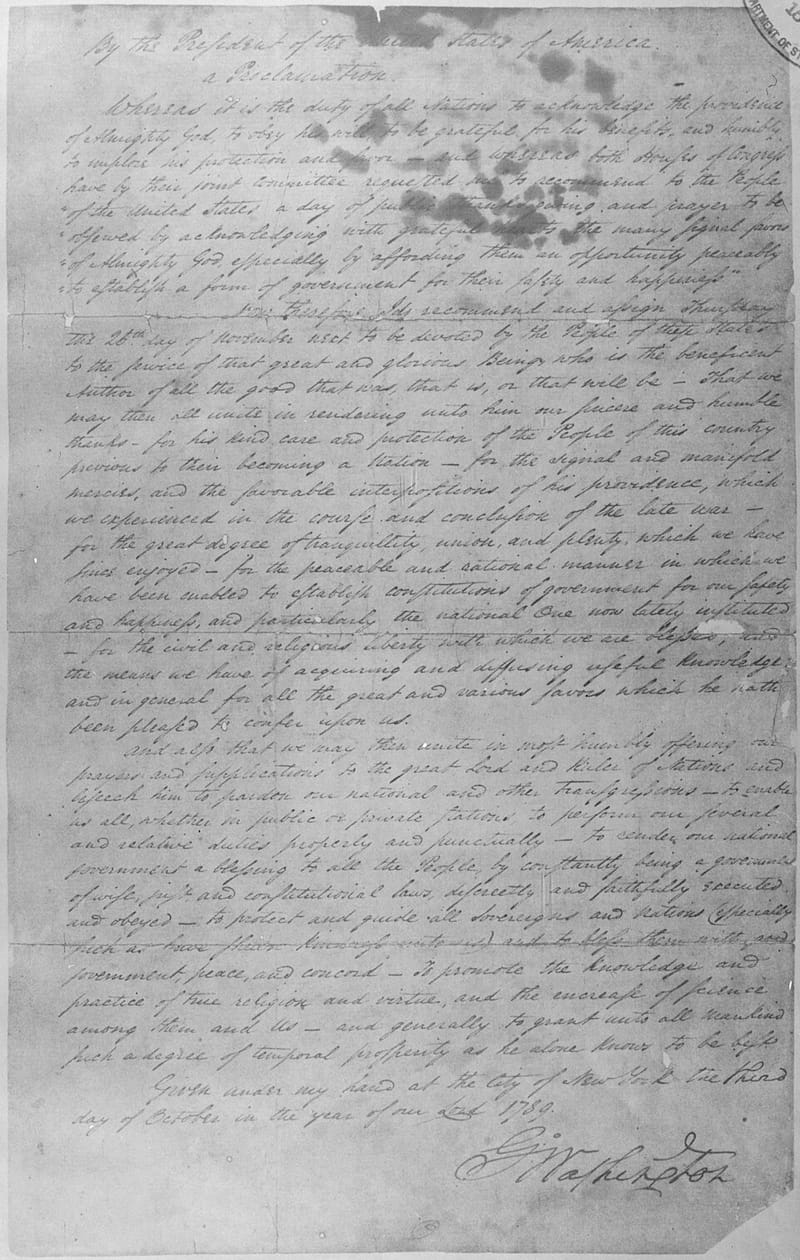
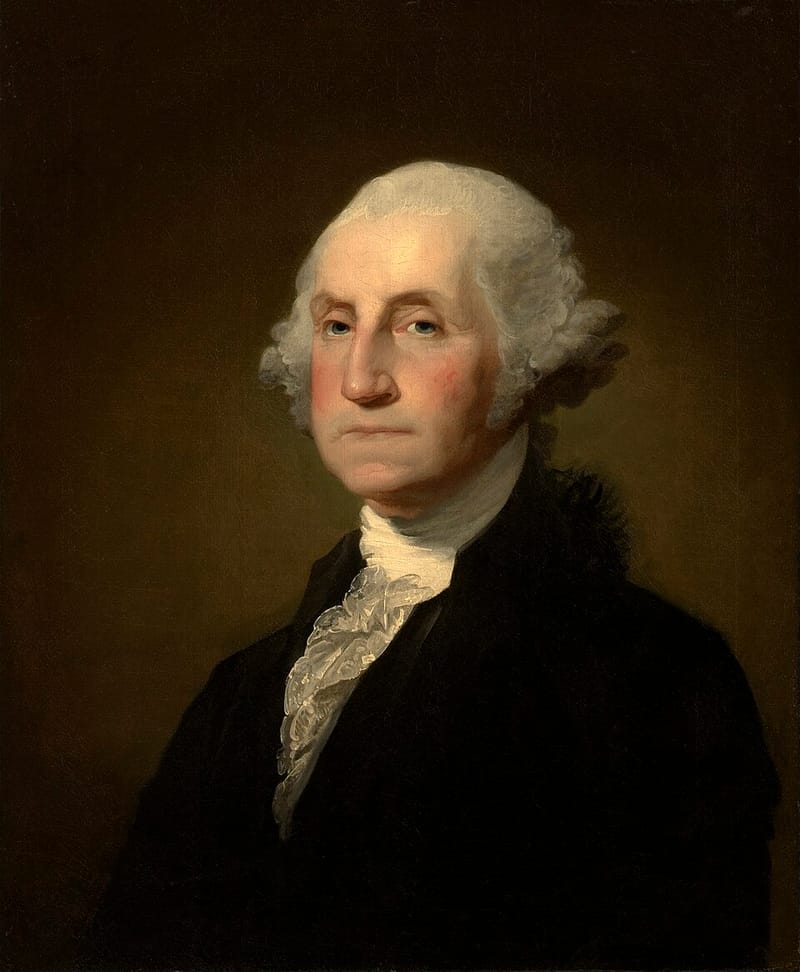
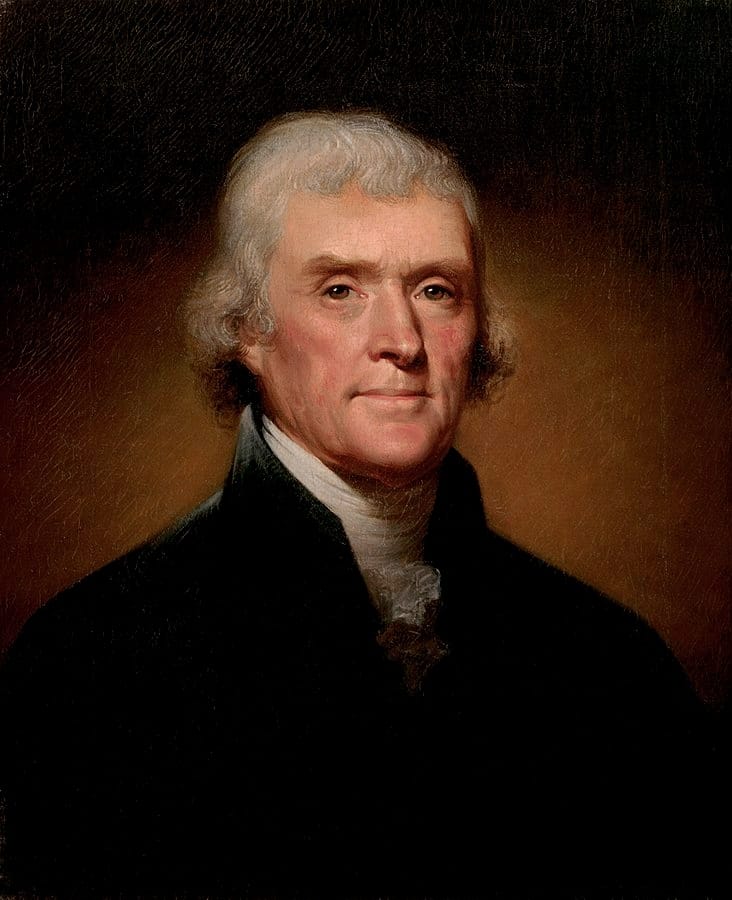
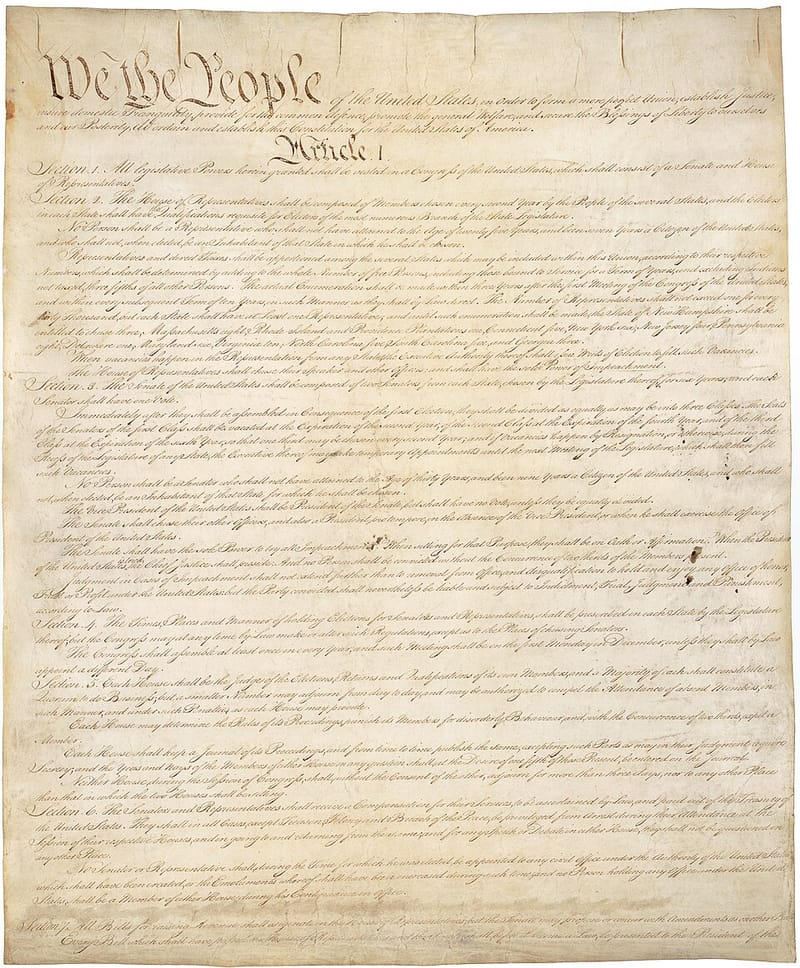
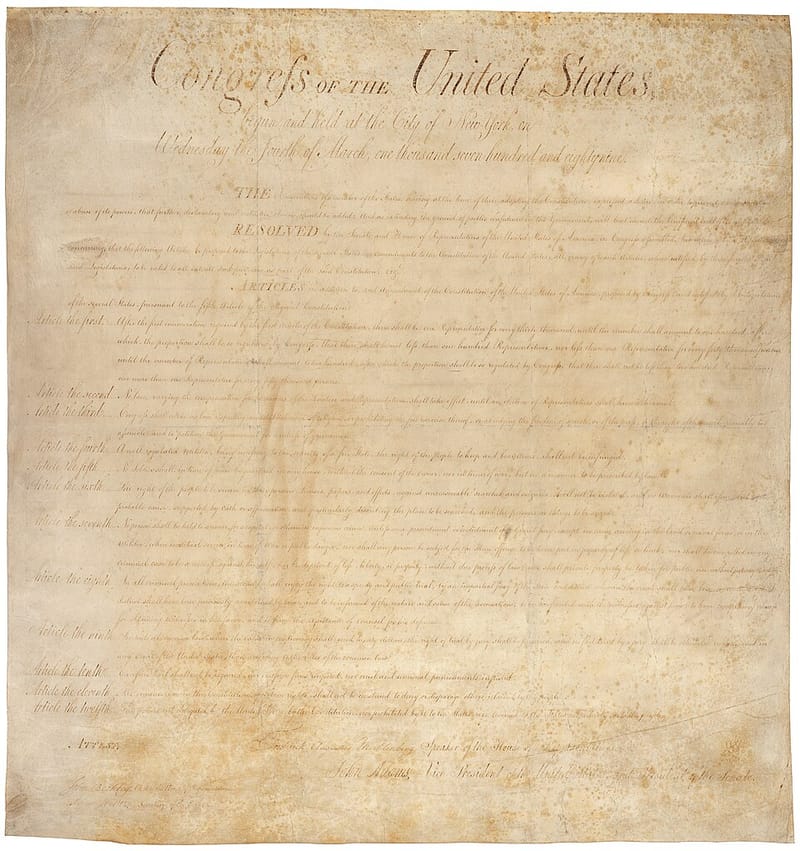
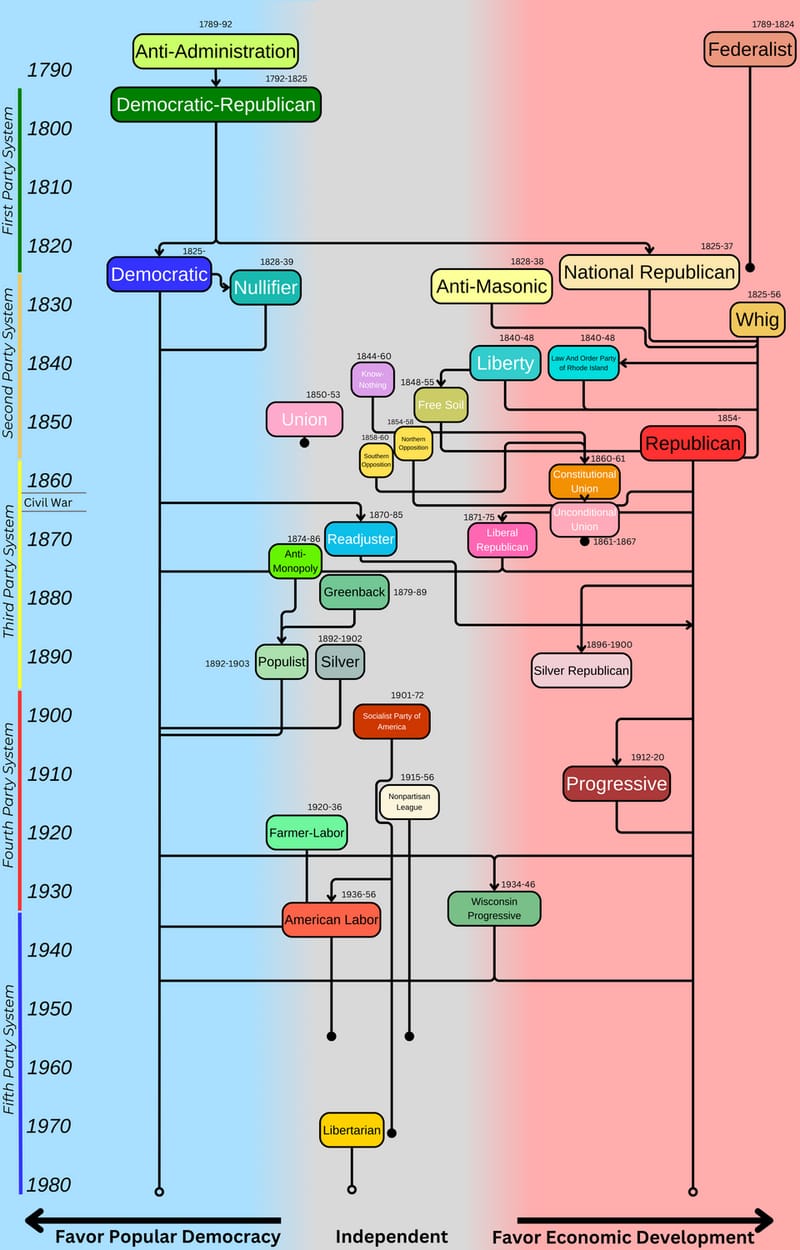
When George Washington took office in 1789, almost everything about the new government had to be invented: the cabinet, the federal courts, the national finances. Treasury Secretary Alexander Hamilton’s plans for federal assumption of state debts and a national bank provoked opposition led by Thomas Jefferson and James Madison, and their disagreement hardened into the first party system of Federalists and Democratic-Republicans. The Bill of Rights was added in 1791.
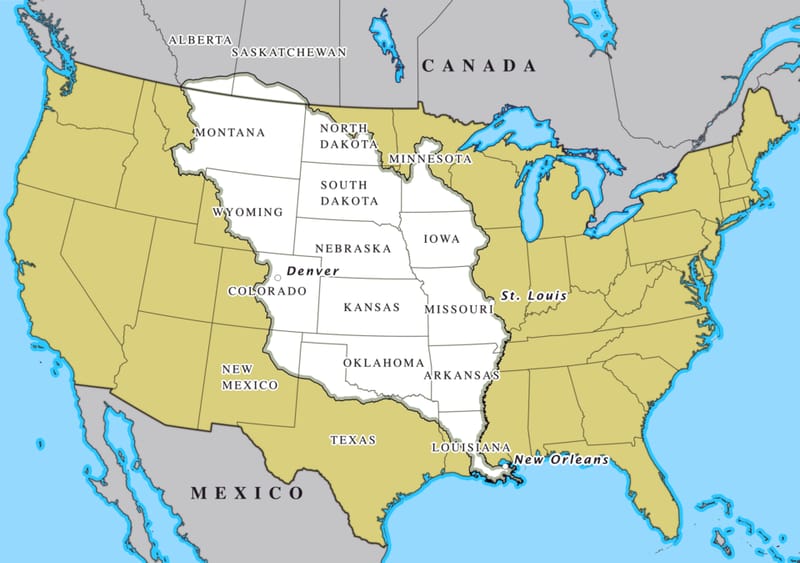
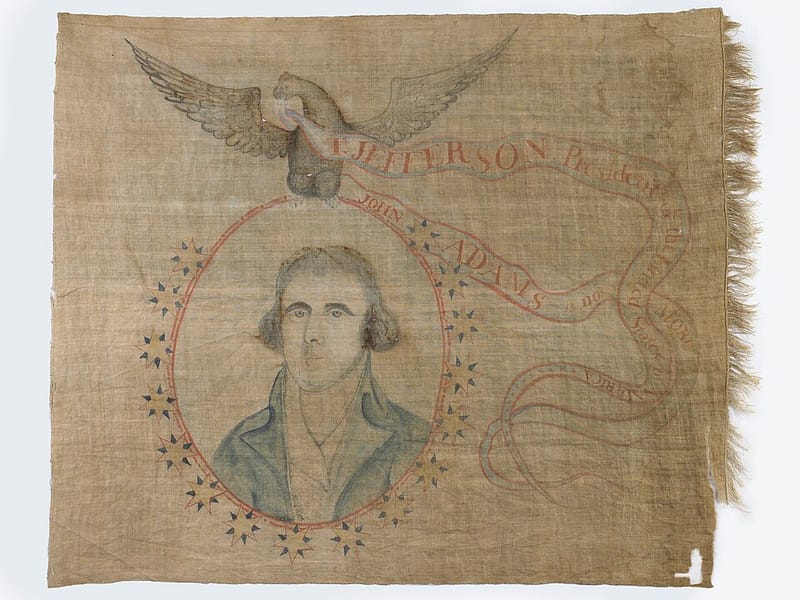
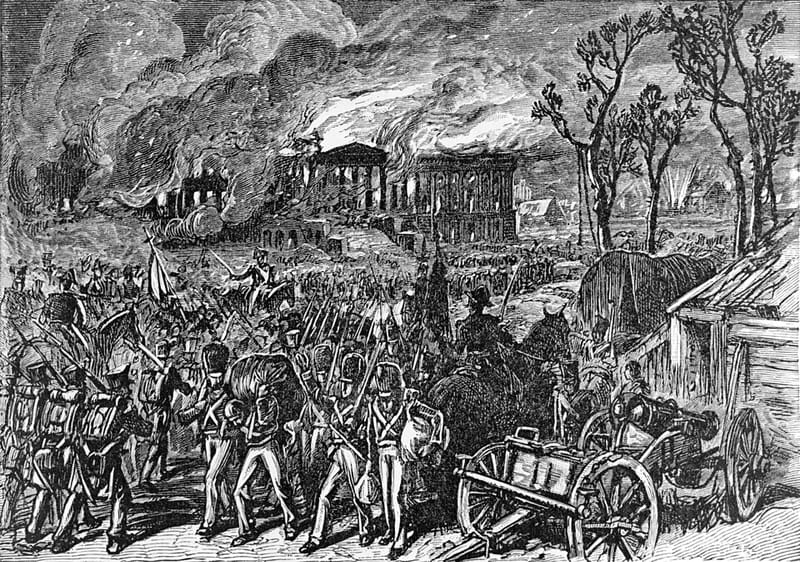
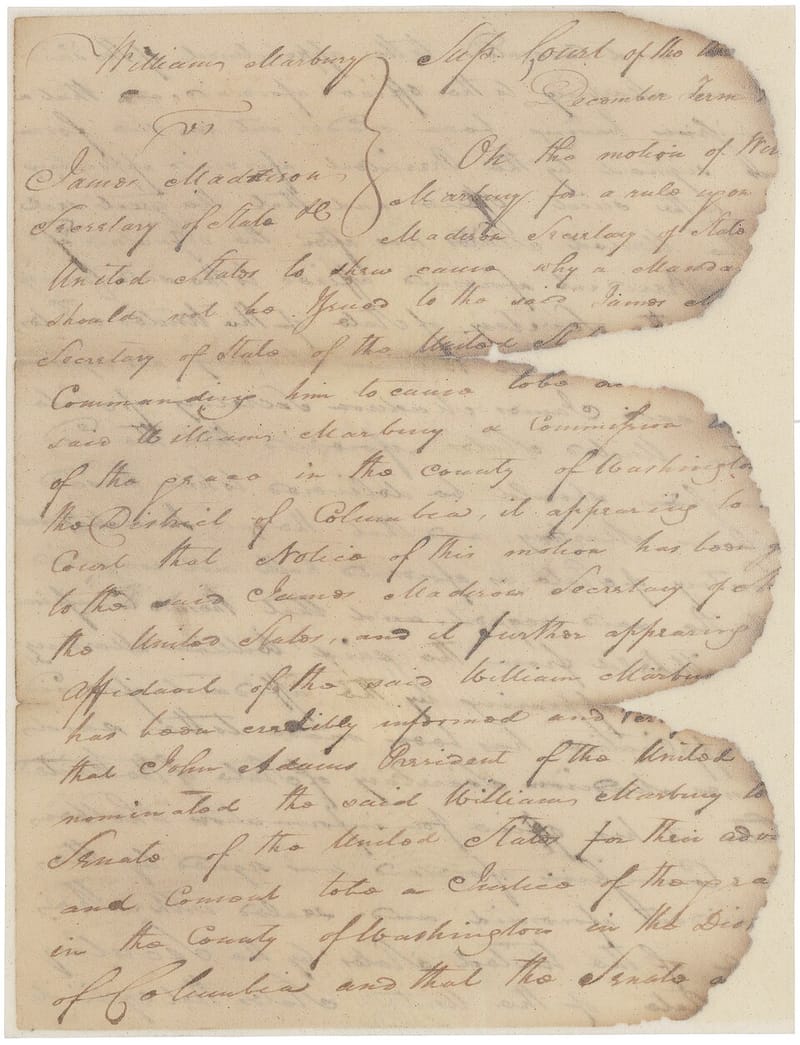
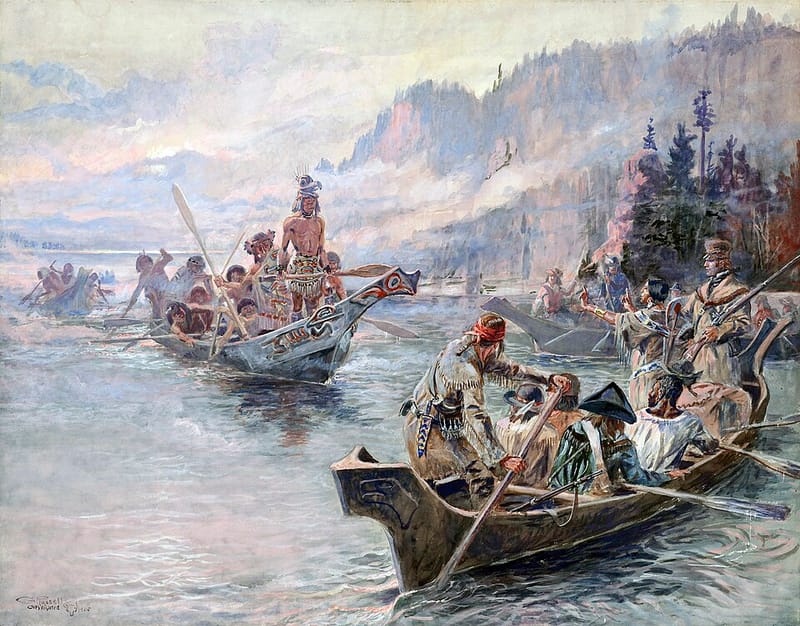
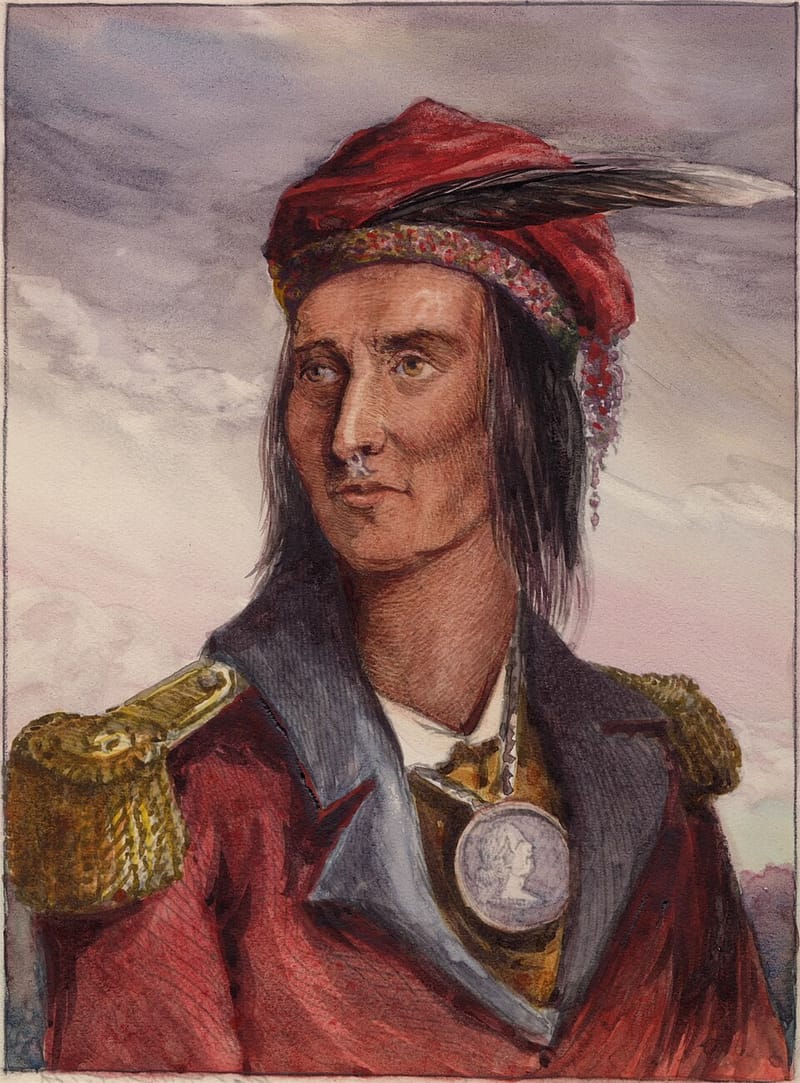
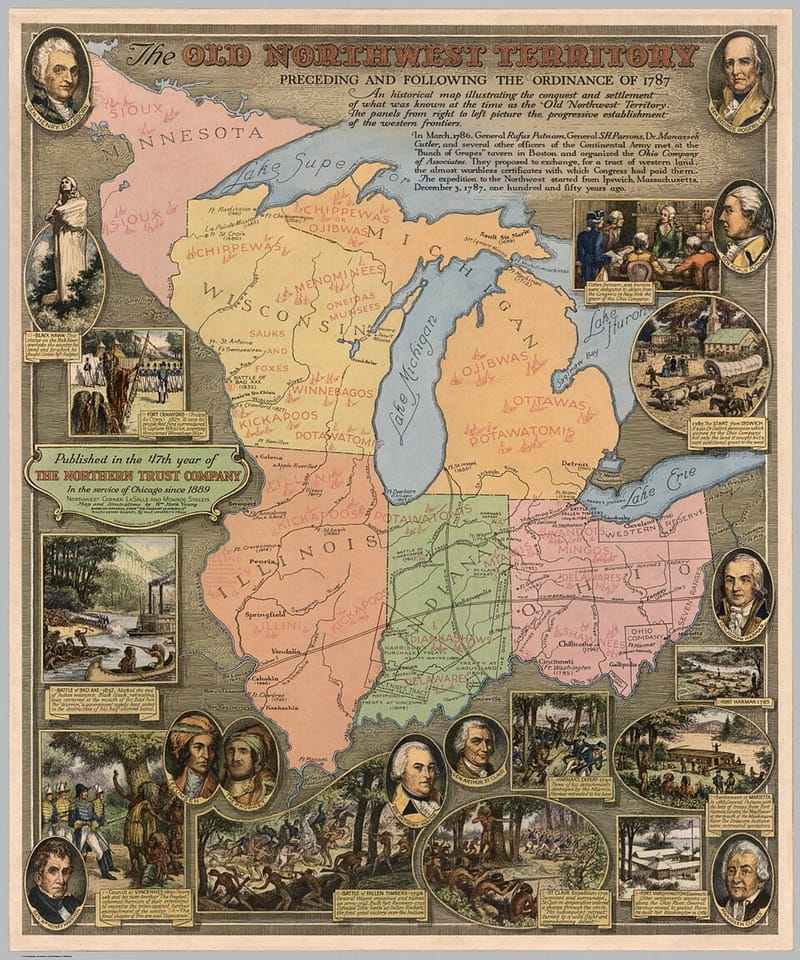
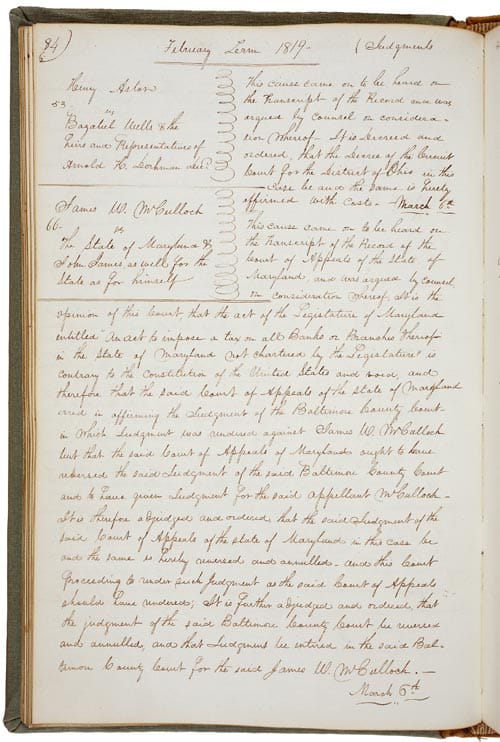
The election of 1800 brought the first transfer of power from one party to another. Under Jefferson, the Louisiana Purchase of 1803 doubled the size of the country, and in the same year the Supreme Court, in Marbury v. Madison, claimed the power of judicial review. Conflict with Britain over trade and the impressment of sailors led to the War of 1812, which ended in stalemate but strengthened national confidence and broke the power of Native resistance in the Ohio Valley and the Southeast.
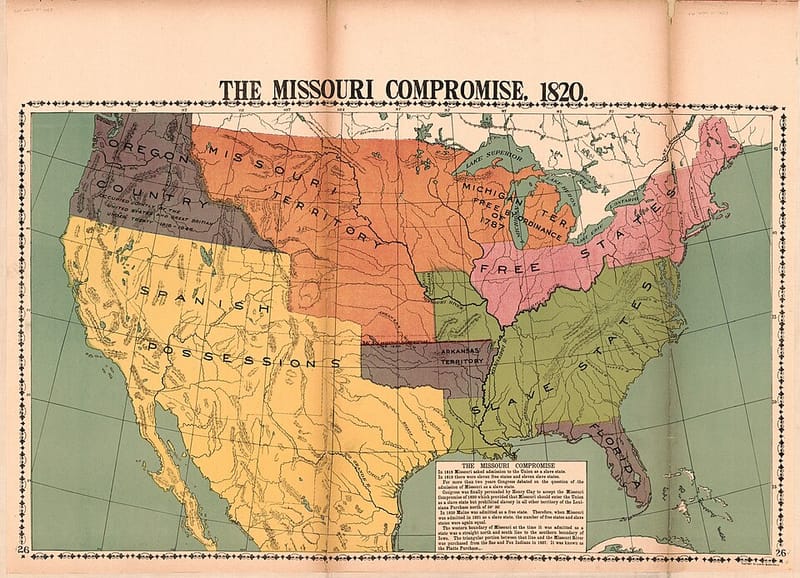
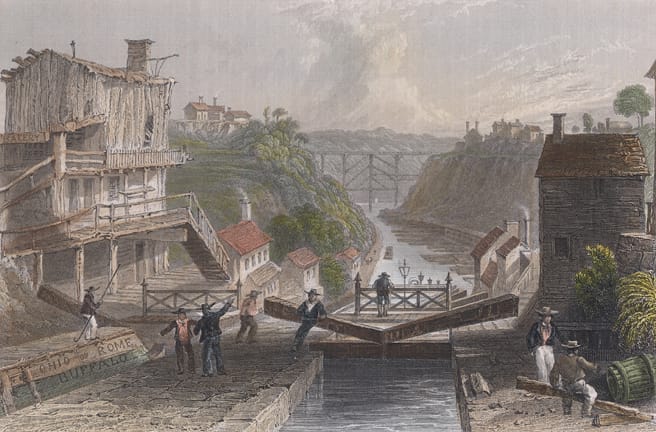
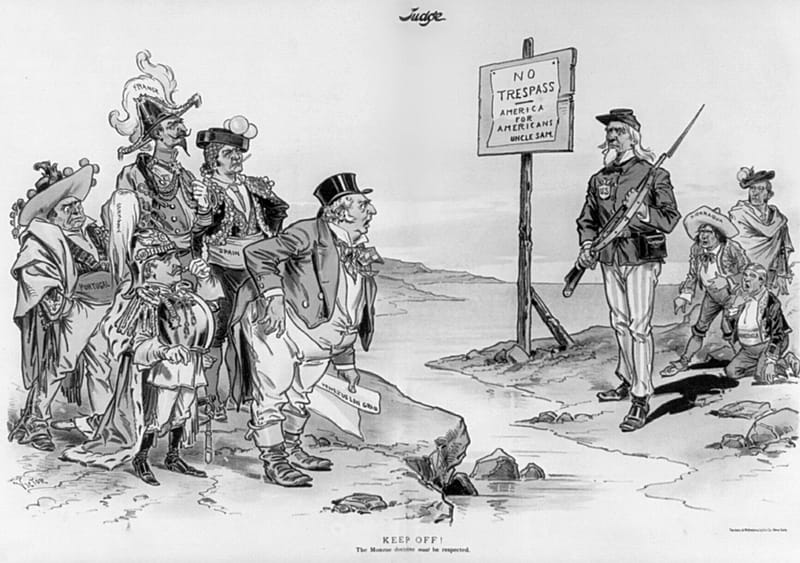
After the war, an “era of good feelings” saw a single dominant party, new roads and canals, and the stirrings of a market economy. But the Missouri crisis of 1819–1821 revealed how deeply slavery divided the nation, and the Monroe Doctrine of 1823 announced American ambitions in the hemisphere.
Highlights
Events and wars
People
Documents and court cases
Movements, institutions, and ideas
Places
Sources for this overview
- 1784–1800: The Diplomacy of the Early Republic — U.S. Department of State, Office of the Historian
- 1801–1829: Securing the Republic — U.S. Department of State, Office of the Historian
Atlas by Alexander. More on Telegram.