The Election of 1800
The first transfer of power between rival parties
October 1800 – February 17, 1801Nationwide; decided in the House of Representatives, Washington, D.C.
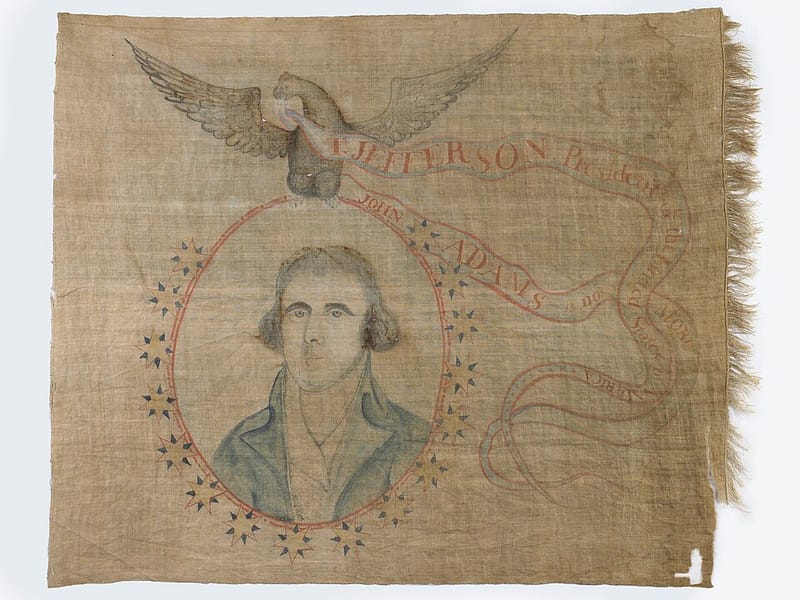
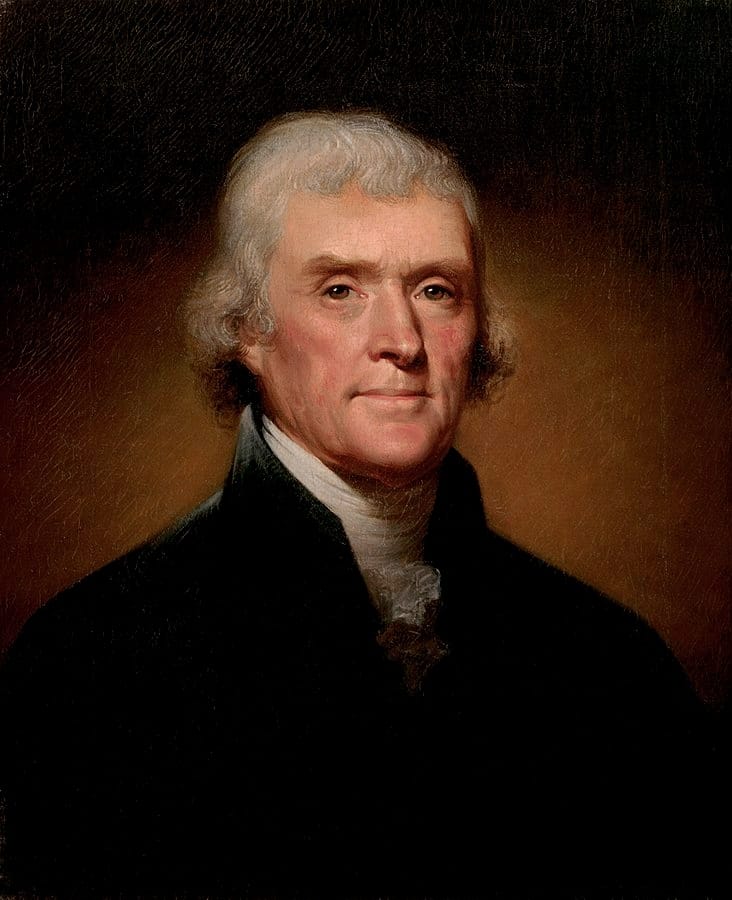
In 1800 the Democratic-Republicans under Thomas Jefferson defeated President John Adams and the Federalists in a bitter campaign fought largely in partisan newspapers. A flaw in the Constitution produced a tie between Jefferson and his own running mate, Aaron Burr, throwing the decision to the House of Representatives, which deadlocked through thirty-five ballots before choosing Jefferson. The result was the first peaceful transfer of power from one party to another in the United States.
Key facts
- Date
- October 1800 – February 17, 1801
- Location
- Nationwide; decided in the House of Representatives, Washington, D.C.
- Dating note
- States chose electors through late 1800; the deadlocked House chose Jefferson on February 17, 1801.
- Electoral votes
- Jefferson 73, Burr 73, Adams 65, Pinckney 64
- Decided by
- The House of Representatives, after 35 deadlocked ballots
- Result
- Jefferson president, Burr vice president
- Constitutional fix
- The Twelfth Amendment (1804) required separate electoral votes for president and vice president
Why it matters
The election of 1800 established that an American government could be voted out and would leave — the foundation of the peaceful transfer of power.
Historical background
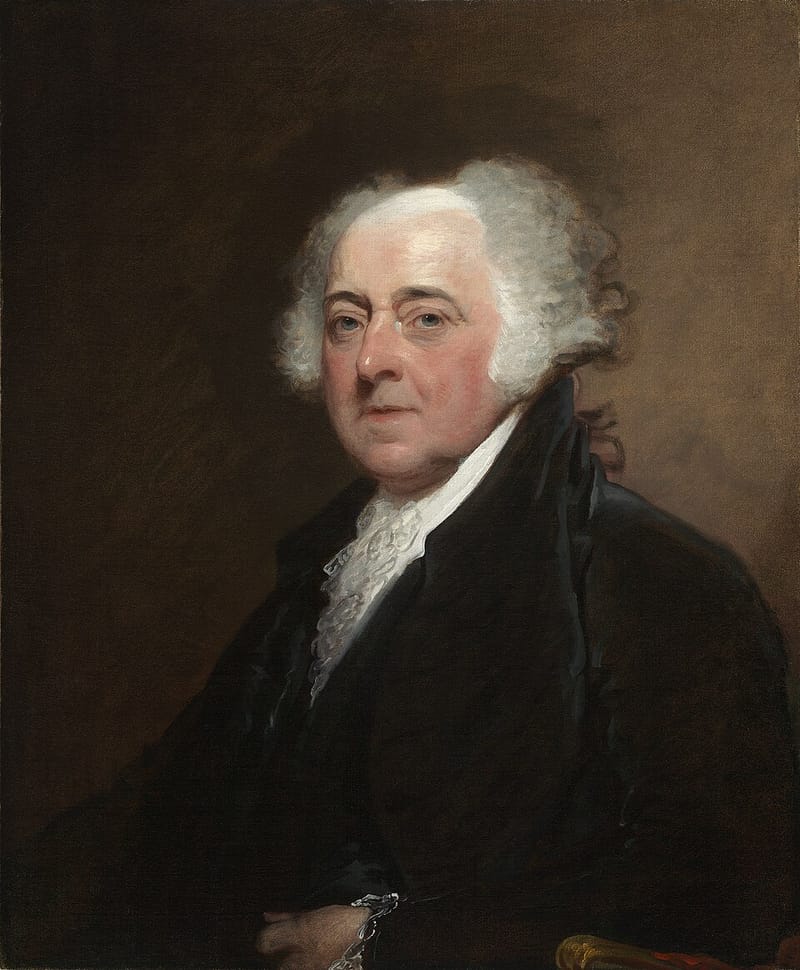
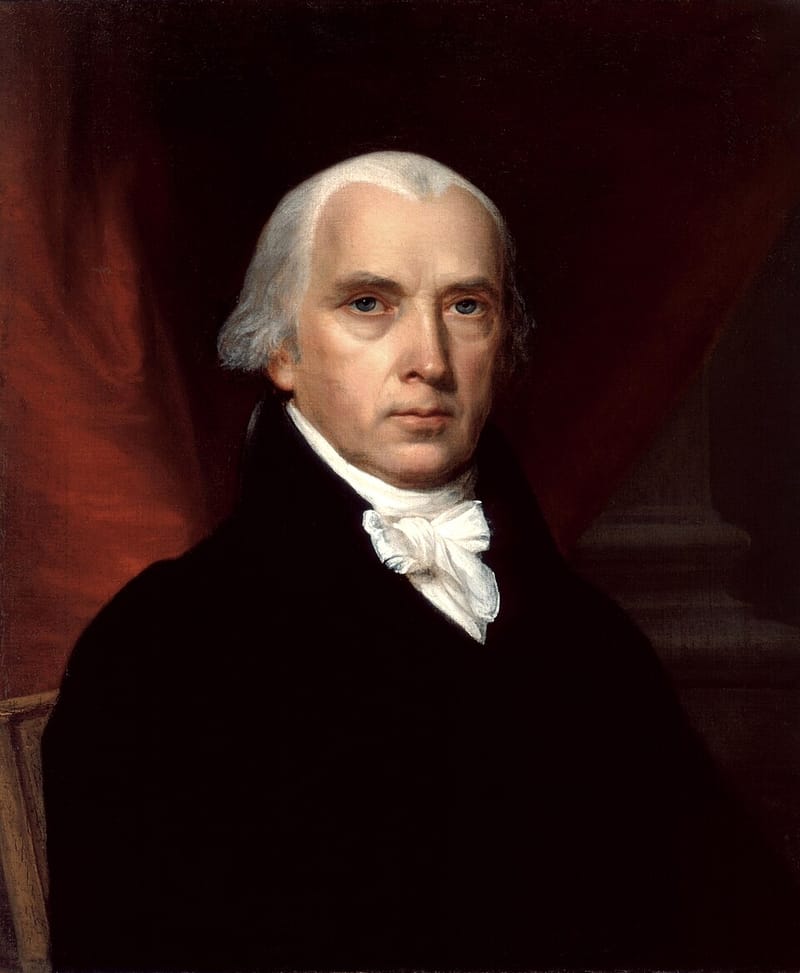
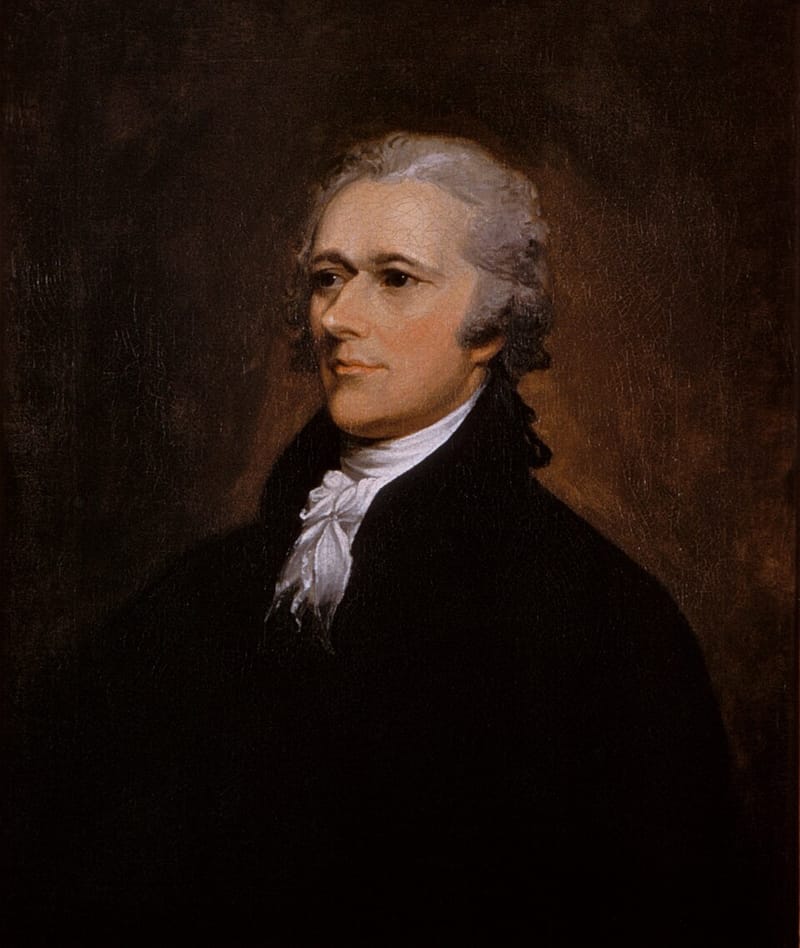
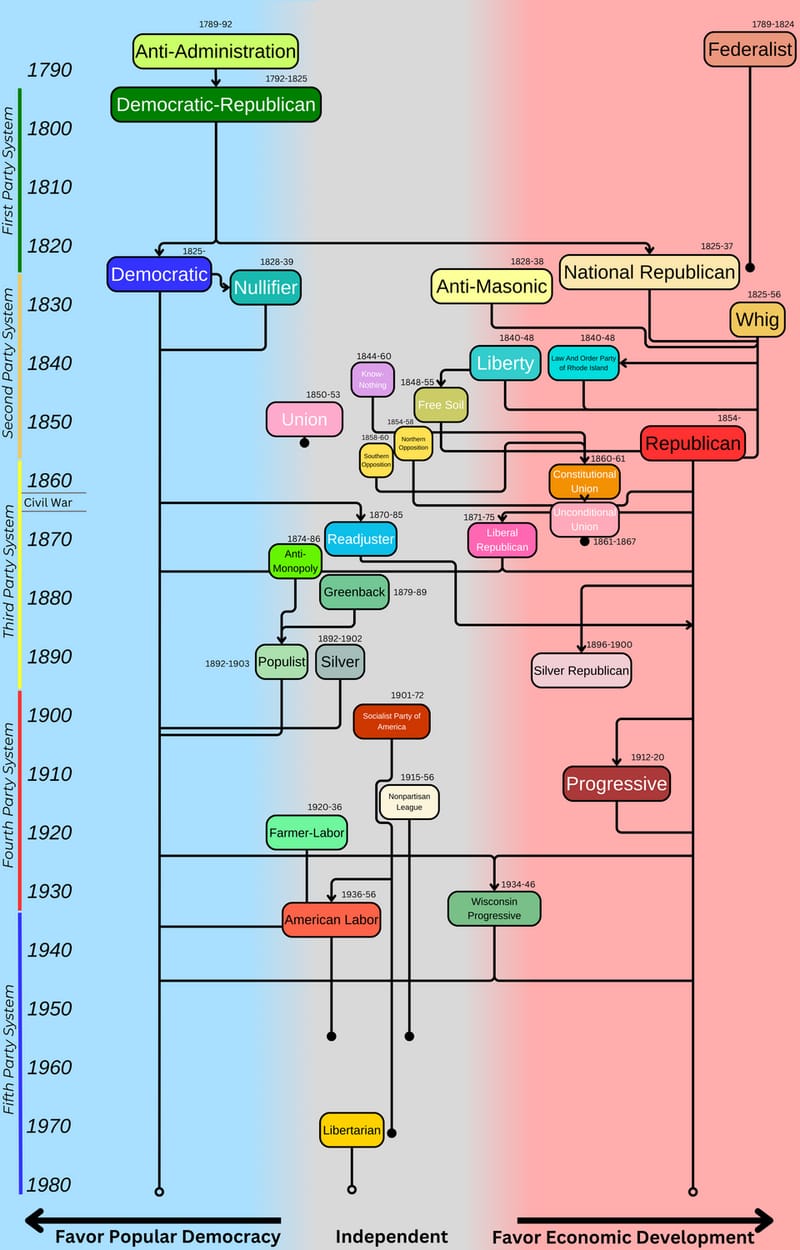
By 1800 the country was divided between two parties. Federalists, led by Adams and Alexander Hamilton, favored a strong national government, commercial development, and good relations with Britain. Democratic-Republicans, led by Jefferson and James Madison, championed states’ rights, farmers, and sympathy for France. Adams’s administration had grown unpopular after the Alien and Sedition Acts, a direct tax in 1798, military preparations for a possible war with France, and the use of troops against Fries’s Rebellion in Pennsylvania.
Causes and contributing factors
The Federalists were also split. Many opposed Adams for making peace with France rather than declaring war. Hamilton wrote a letter attacking Adams’s character that was leaked to the press. To carry the crucial state of New York, the Republicans put Aaron Burr of New York on the ticket with Jefferson.
What happened
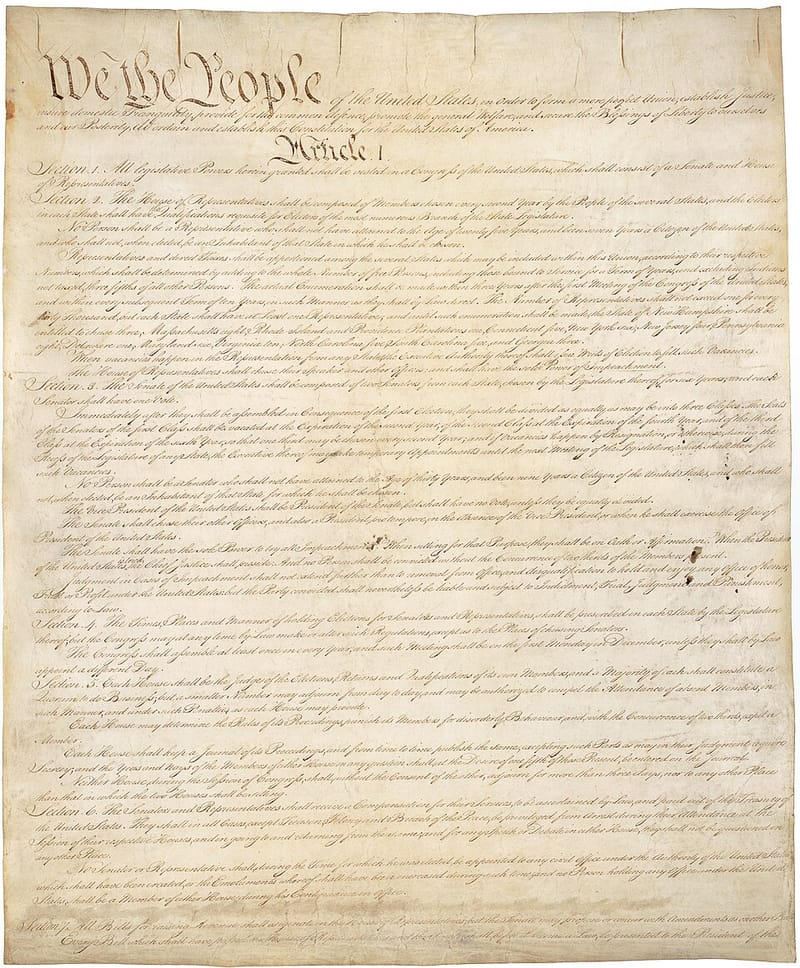
The campaign was waged through party newspapers and pamphlets, with each side accusing the other of threatening the republic. When the electoral votes came in, Jefferson and Burr each had 73. Under the original Constitution, each elector cast two votes without distinguishing between president and vice president, so the tie between the two Republicans sent the election to the House, where the Federalists held a majority. For days the House deadlocked. Through thirty-five ballots, no candidate won a majority of state delegations. Hamilton, who despised Burr as unprincipled, persuaded some Federalists to cast blank ballots rather than support either man, and Jefferson was finally elected.
Immediate consequences
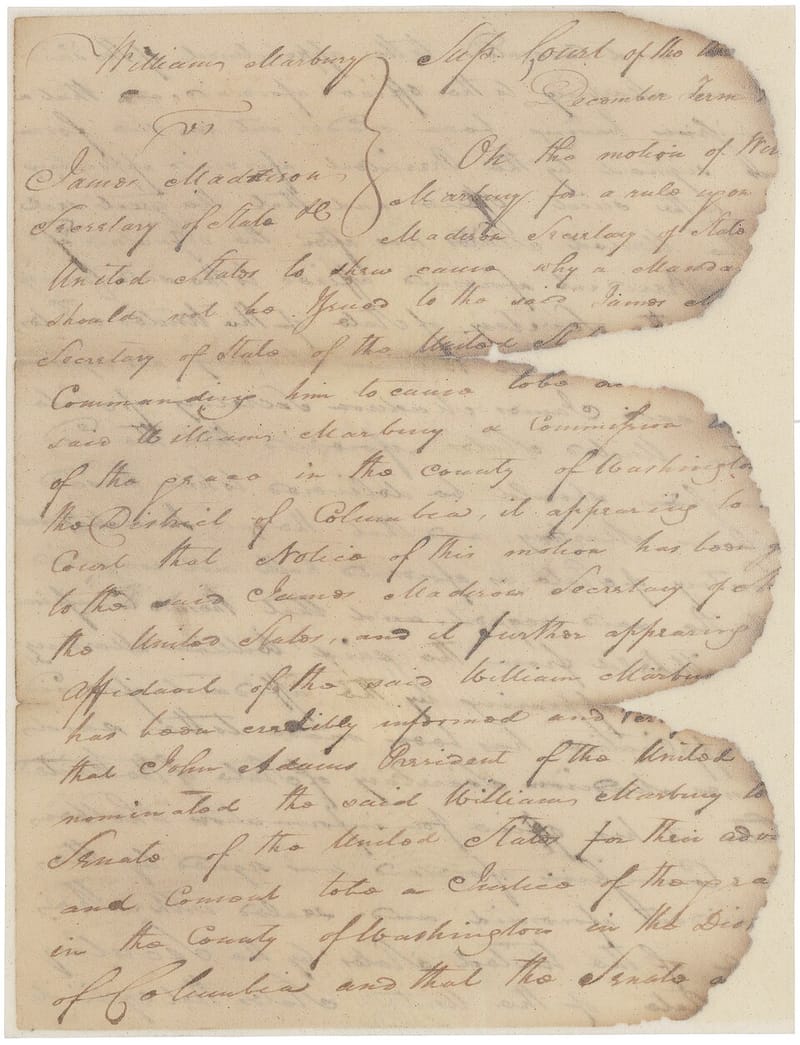
Jefferson took office in March 1801 and, in his inaugural address, called for unity: “We are all Republicans, we are all Federalists.” Before leaving, Adams and the outgoing Federalist Congress expanded the federal judiciary and filled it with Federalist judges, setting up the conflict that produced Marbury v. Madison. Hamilton’s role in Burr’s defeat deepened the feud that ended in their 1804 duel.
Long-term significance
Jefferson later called his victory “the revolution of 1800.” Whatever its revolutionary character, the election showed that power could pass peacefully between bitterly opposed parties under the Constitution — a precedent that later generations would rely on. The Twelfth Amendment, ratified in 1804, changed the Electoral College so that electors vote separately for president and vice president.
Key peopleThomas Jefferson, Alexander Hamilton
Study this entry
Check your understanding
Try answering in your own words, then open the answer.
1.What led to the Election of 1800?Show answerHide
The Federalists were also split. Many opposed Adams for making peace with France rather than declaring war.From “Causes and contributing factors” above.
2.What happened?Show answerHide
The campaign was waged through party newspapers and pamphlets, with each side accusing the other of threatening the republic. When the electoral votes came in, Jefferson and Burr each had 73.From “What happened” above.
3.What were the immediate consequences?Show answerHide
Jefferson took office in March 1801 and, in his inaugural address, called for unity: “We are all Republicans, we are all Federalists.”From “Immediate consequences” above.
4.Why does it still matter?Show answerHide
Jefferson later called his victory “the revolution of 1800.” Whatever its revolutionary character, the election showed that power could pass peacefully between bitterly opposed parties under the Constitution — a precedent that later generations would rely on.From “Long-term significance” above.
Turn this entry into 10 flashcards (key facts, dates, and why it matters) and review them in Learn.
Related History
How this connects to the rest of the atlas.
People

Sources
- 1.Thomas Jefferson: Campaigns and Elections
Miller Center, University of Virginia · Scholarly · cited for 1796 and 1800 elections, tie with Burr, House balloting, inaugural
- 2.12th Amendment
National Constitution Center · Institutional · cited for separate votes for president and vice president
Image credits
- Jefferson banner, Unknown Unknown, 1800. Via Wikimedia Commons · Public domain · Source
Written for American History Atlas from the sources above. See how entries are researched.
Atlas by Alexander. More on Telegram.