DocumentRevolution and Independence
The Northwest Ordinance
The plan for governing the Old Northwest and admitting new states
July 13, 1787Territory northwest of the Ohio River (present-day Ohio, Indiana, Illinois, Michigan, Wisconsin, and part of Minnesota)
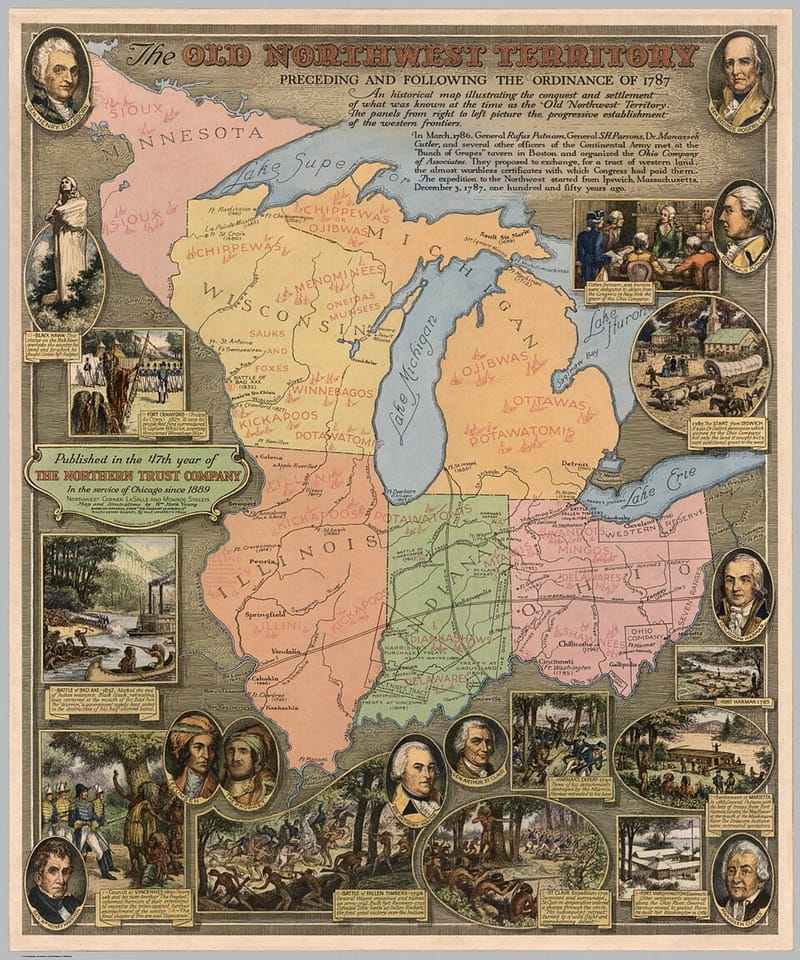
Passed by the Confederation Congress in July 1787, the Northwest Ordinance set out how the territory north of the Ohio River would be governed and how it would become new states equal to the original thirteen. It guaranteed basic rights to settlers, encouraged education, and banned slavery in the territory. Its promise of “utmost good faith” toward Native nations was broken almost immediately.
Key facts
- Date
- July 13, 1787
- Authors
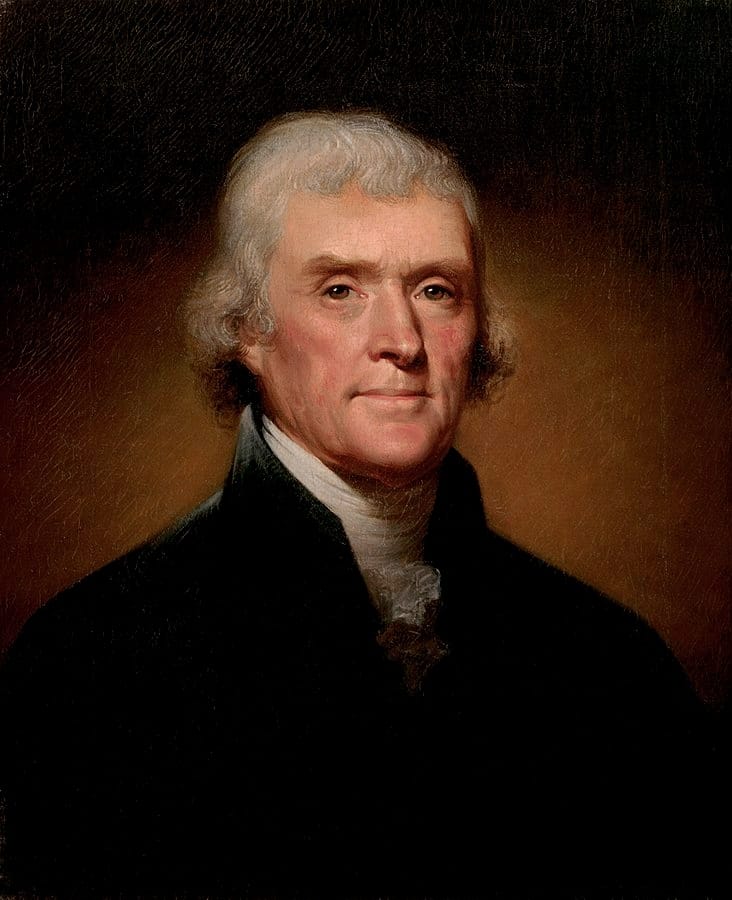
- Confederation Congress; Probably drafted by Nathan Dane and Rufus King, building on Thomas Jefferson’s Ordinance of 1784
- Location
- Territory northwest of the Ohio River (present-day Ohio, Indiana, Illinois, Michigan, Wisconsin, and part of Minnesota)
- Adopted
- July 13, 1787, by the Confederation Congress
- New states
- “Not less than three nor more than five” — eventually Ohio, Indiana, Illinois, Michigan, and Wisconsin
- Path to statehood
- Appointed governor → elected assembly at 5,000 free adult males → statehood at 60,000 inhabitants
- Slavery
- Prohibited in the territory, with a clause for returning people who escaped from other states
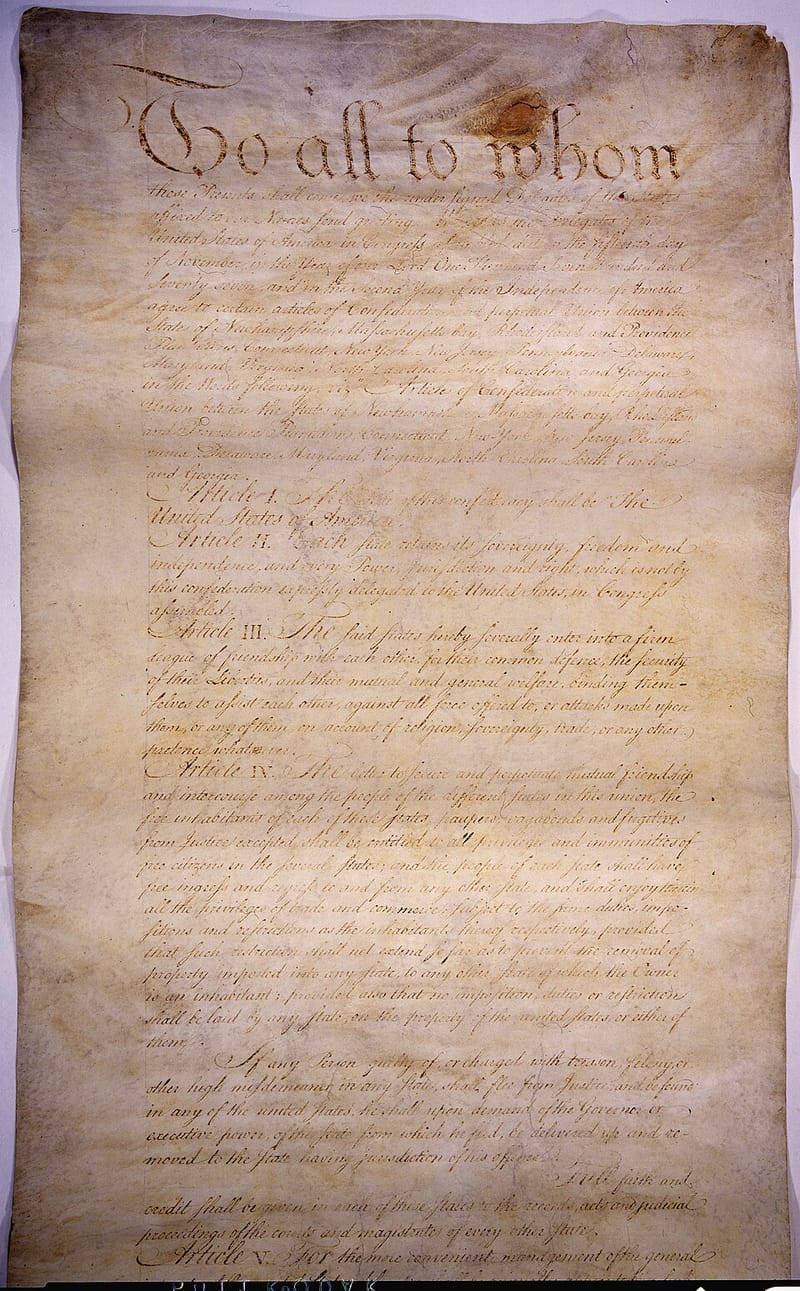
Read the full text at the National Archives
Why it matters
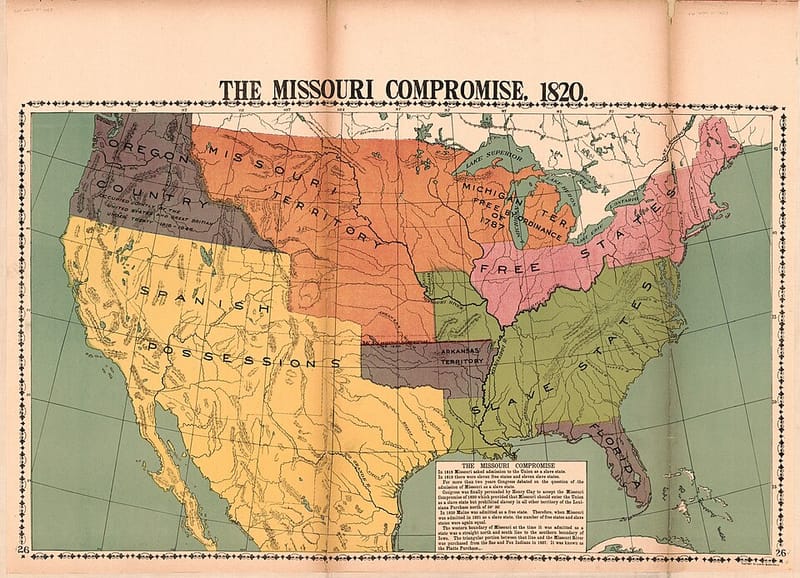
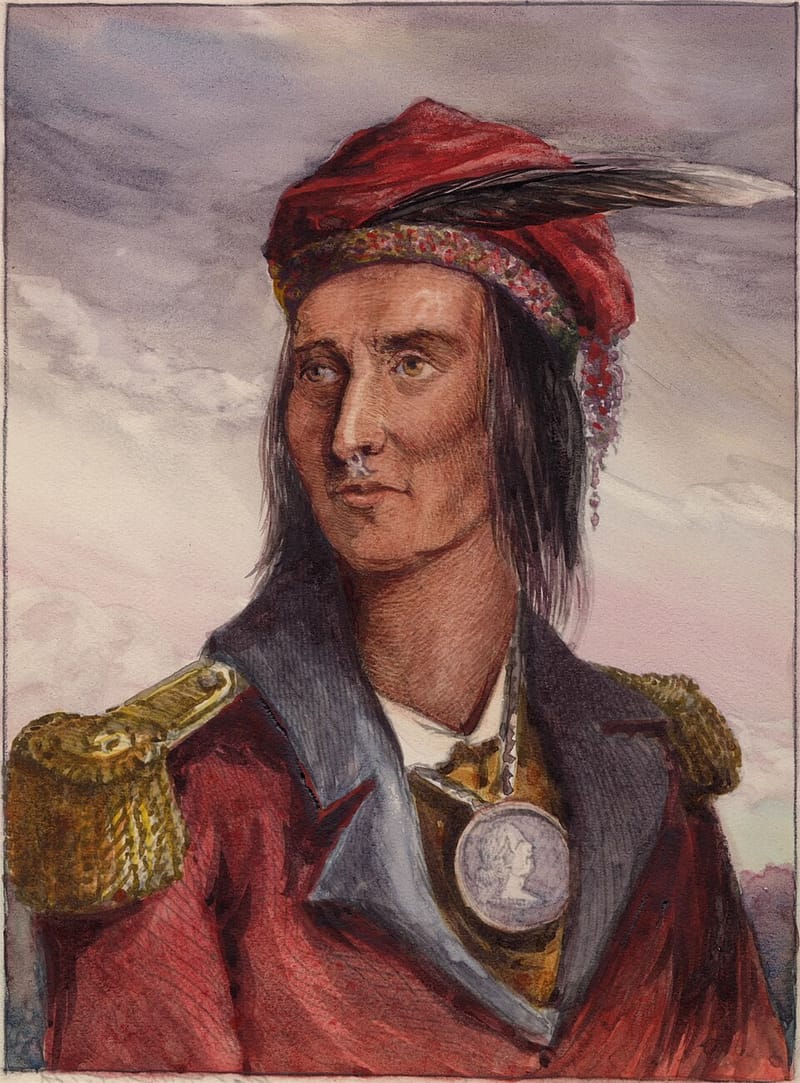
The Ordinance established the pattern by which the United States expanded — as a union of equal states rather than an empire of colonies — and was used as the country grew to the Pacific. Its ban on slavery made the Ohio River a boundary between slave and free territory. Its pledges to Native nations were not honored: the next decades brought war in the Ohio country, the defeat of Tecumseh’s confederacy, and the loss of nearly all Native land in the region.
Historical circumstances
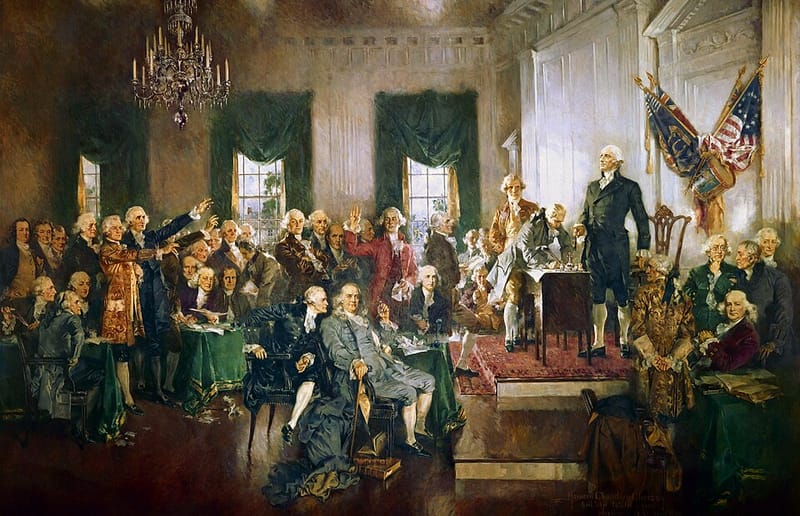
After the Revolution, states ceded their claims to western lands to the Confederation, creating a national domain. Congress needed to sell land to pay its debts and to decide whether these western regions would be colonies or equal partners. Building on principles outlined by Thomas Jefferson in 1784, Congress adopted the Ordinance on July 13, 1787 — while the Constitutional Convention was meeting a few blocks away in Philadelphia. The land was home to many Native nations who had not ceded it.
Principal ideas
- Equal states. The territory would be divided into three to five states, each admitted “on an equal footing with the original States.”
- A three-stage path to statehood. A governor, secretary, and three judges appointed by Congress would govern first; when the territory had 5,000 free adult men, it would elect an assembly and a nonvoting delegate to Congress; at 60,000 inhabitants it could draft a constitution and apply for statehood.
- A bill of rights. Settlers were guaranteed religious freedom, habeas corpus, trial by jury, and other protections. “Schools and the means of education shall forever be encouraged.”
- No slavery. “There shall be neither slavery nor involuntary servitude in the said territory,” except as punishment for crime — but people escaping slavery from the original states could be “lawfully reclaimed.”
- Promises to Native nations. “The utmost good faith shall always be observed towards the Indians; their lands and property shall never be taken from them without their consent.”
Study this entry
Check your understanding
Try answering in your own words, then open the answer.
1.Why was this document written?Show answerHide
After the Revolution, states ceded their claims to western lands to the Confederation, creating a national domain. Congress needed to sell land to pay its debts and to decide whether these western regions would be colonies or equal partners.From “Historical circumstances” above.
2.What are its principal ideas?Show answerHide
- Equal states. The territory would be divided into three to five states, each admitted “on an equal footing with the original States.” - A three-stage path to statehood. A governor, secretary, and three judges appointed by Congress would govern first; when the territory had 5,000 free adult men, it would elect an assembly and a nonvoting delegate to Congress; at 60,000 inhabitants it could draft a constitution and apply for statehood. - A bill of rights. Settlers were guaranteed religious freedom, habeas corpus, trial by jury, and other protections.From “Principal ideas” above.
Turn this entry into 10 flashcards (key facts, dates, and why it matters) and review them in Learn.
Related History
How this connects to the rest of the atlas.
Events
People

Sources
- 1.Northwest Ordinance (1787) — Milestone Documents
National Archives · Primary source · cited for provisions, authors, quotations
Image credits
- The Old Northwest Territory preceding and following the Ordinance of 1787, Northern Trust Co., Chicago, 1936. Via Wikimedia Commons · Public domain · Source
Written for American History Atlas from the sources above. See how entries are researched.
Atlas by Alexander. More on Telegram.