The National Mall
“America’s Front Yard” in Washington, D.C.
Washington, D.C., from the U.S. Capitol to the Potomac River
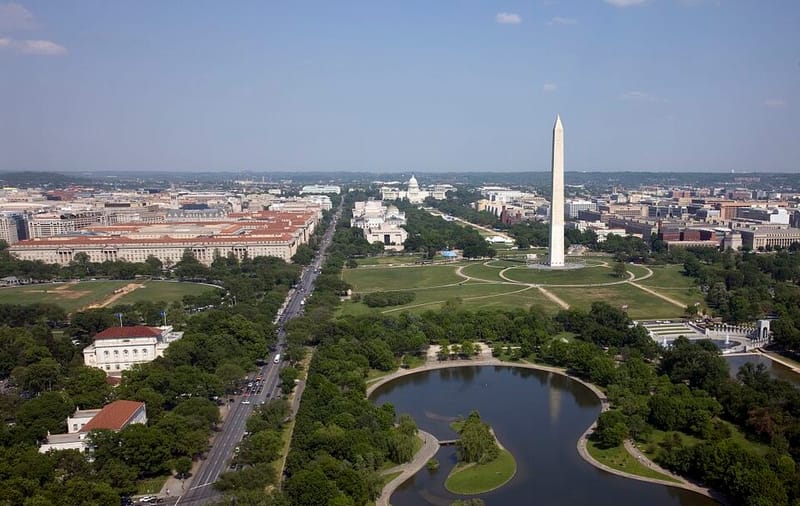
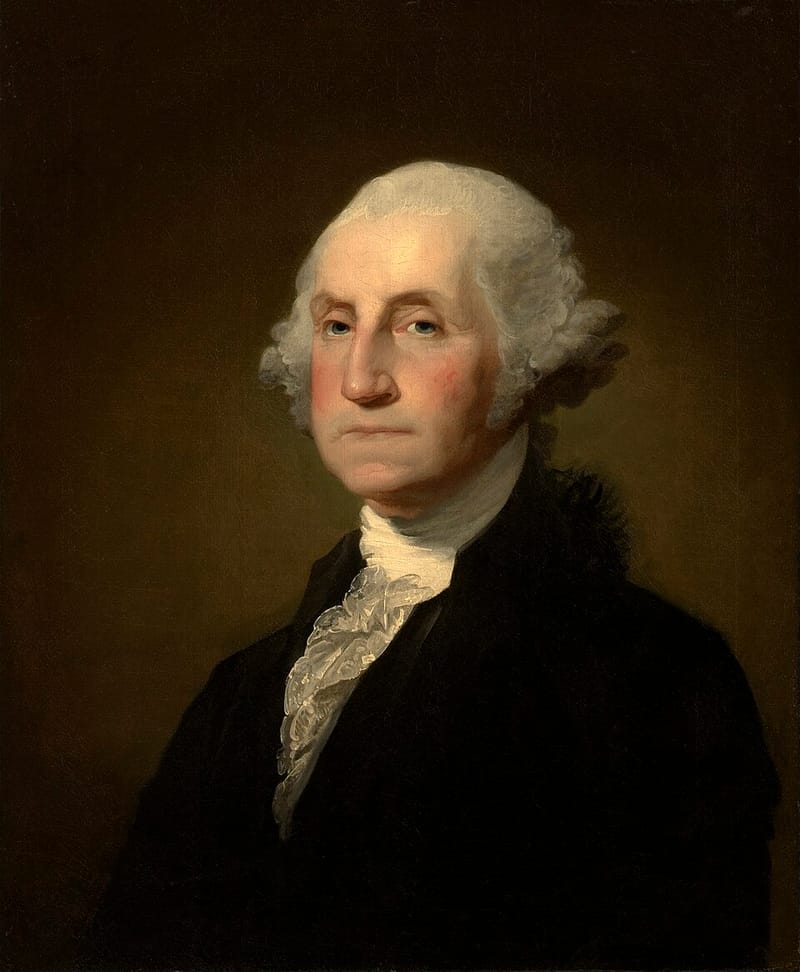
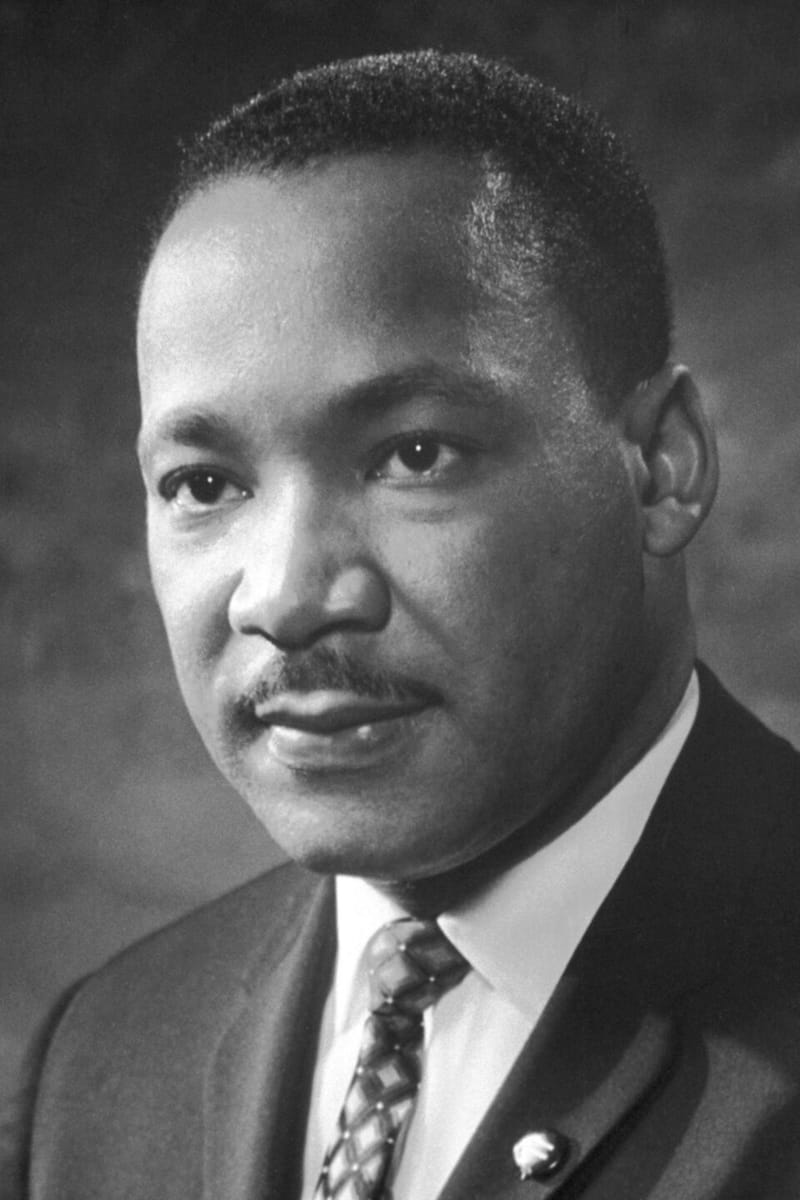
The National Mall is the great open space at the heart of Washington, D.C., stretching from the U.S. Capitol to the Potomac River. Planned as part of Pierre L’Enfant’s design for the capital, commissioned by George Washington, it is lined with the nation’s most famous monuments and memorials — from the Washington Monument and the Lincoln Memorial to the Vietnam Veterans and Martin Luther King Jr. memorials. It has also been the nation’s stage for inaugurations, celebrations, and protests, including the 1963 March on Washington.
Key facts
- Location
- Washington, D.C., from the U.S. Capitol to the Potomac River
- Extent
- From the foot of the U.S. Capitol to the Potomac River
- Origins
- Pierre L’Enfant’s plan for the Federal City, commissioned by President George Washington (1791)
- Managed by
- National Mall and Memorial Parks, National Park Service — more than 1,000 acres
- Major memorials
- Washington Monument; Lincoln, Jefferson, FDR, World War II, Korean War Veterans, Vietnam Veterans, and Martin Luther King Jr. memorials
- Open
- 24 hours a day
Why it matters
The National Park Service calls the Mall the premier civic and symbolic space in the nation — the place where Americans gather to remember, celebrate, and protest.
About the place
The Mall is a long swath of green lined with monuments and memorials. The National Park Service unit that cares for it manages more than 1,000 acres, including the Washington Monument, the Lincoln and Jefferson memorials, the Franklin Delano Roosevelt Memorial, the World War I and World War II memorials, the Korean War Veterans Memorial (dedicated 1995), the Vietnam Veterans Memorial, the Martin Luther King Jr. Memorial, Constitution Gardens, and Pennsylvania Avenue from the Capitol to the White House.
History
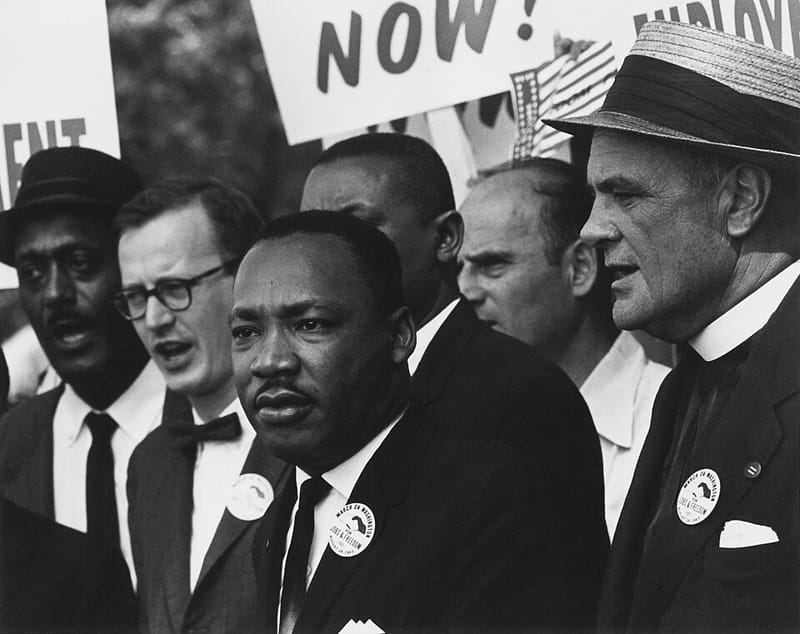
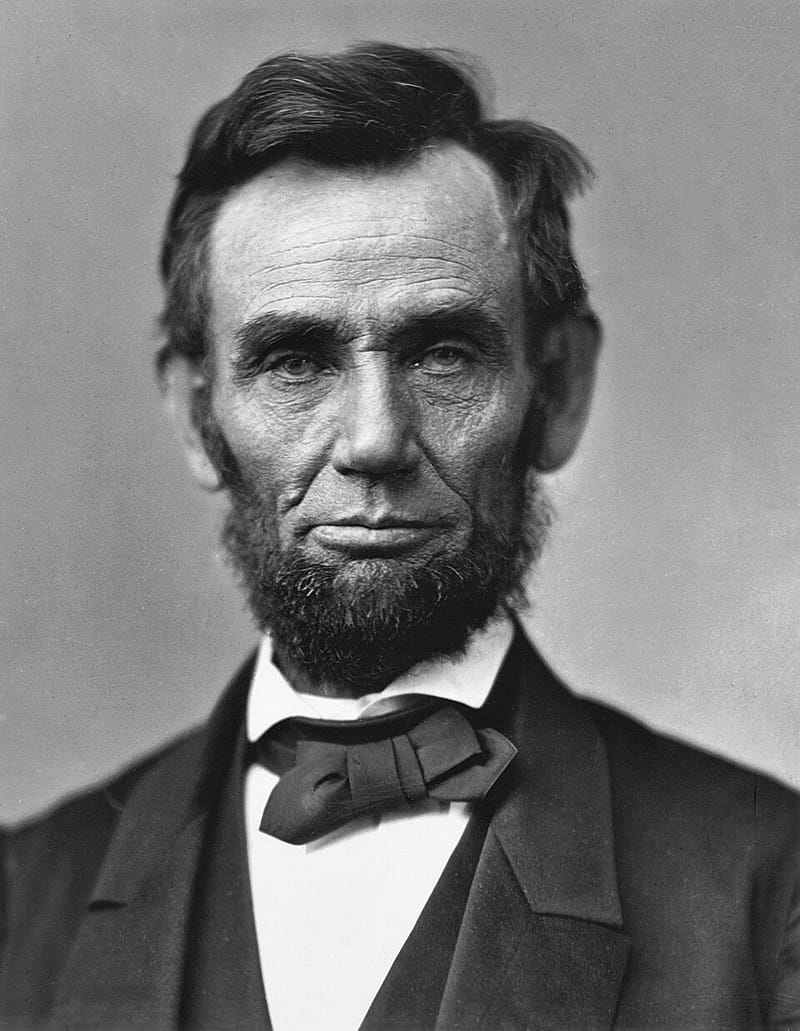
The Mall’s open spaces date to L’Enfant’s plan for the original 1791 Federal City. Over two centuries, memorials were added to honor presidents, wars, and leaders; the Lincoln Memorial’s inscription declares that “the memory of Abraham Lincoln is enshrined forever.” The Mall became the setting for presidential inaugurals and for gatherings exercising First Amendment rights, from civil rights demonstrations — most famously the March on Washington, where Martin Luther King Jr. spoke at the Lincoln Memorial — to annual celebrations and festivals.
Study this entry
Check your understanding
Try answering in your own words, then open the answer.
1.What is this place?Show answerHide
The Mall is a long swath of green lined with monuments and memorials.From “About the place” above.
2.What happened here?Show answerHide
The Mall’s open spaces date to L’Enfant’s plan for the original 1791 Federal City. Over two centuries, memorials were added to honor presidents, wars, and leaders; the Lincoln Memorial’s inscription declares that “the memory of Abraham Lincoln is enshrined forever.”From “History” above.
Turn this entry into 11 flashcards (key facts, dates, and why it matters) and review them in Learn.
Related History
How this connects to the rest of the atlas.
Wars

Sources
- 1.History & Culture — National Mall and Memorial Parks
National Park Service · Institutional · cited for sites, L’Enfant plan, First Amendment activities
- 2.Plan Your Visit — National Mall and Memorial Parks
National Park Service · Institutional · cited for the Mall’s extent and memorials
- 3.March on Washington for Jobs and Freedom
The Martin Luther King, Jr. Research and Education Institute, Stanford University · Scholarly · cited for goals, organizers, speakers, attendance
Image credits
- Aerial view of the National Mall, Washington, D.C., Carol M. Highsmith, 5 May 2008. Via Wikimedia Commons · Public domain · Source
Written for American History Atlas from the sources above. See how entries are researched.
Atlas by Alexander. More on Telegram.