PersonCivil Rights and Social Transformation
Martin Luther King Jr.
Minister and leader of the nonviolent civil rights movement
1929–1968
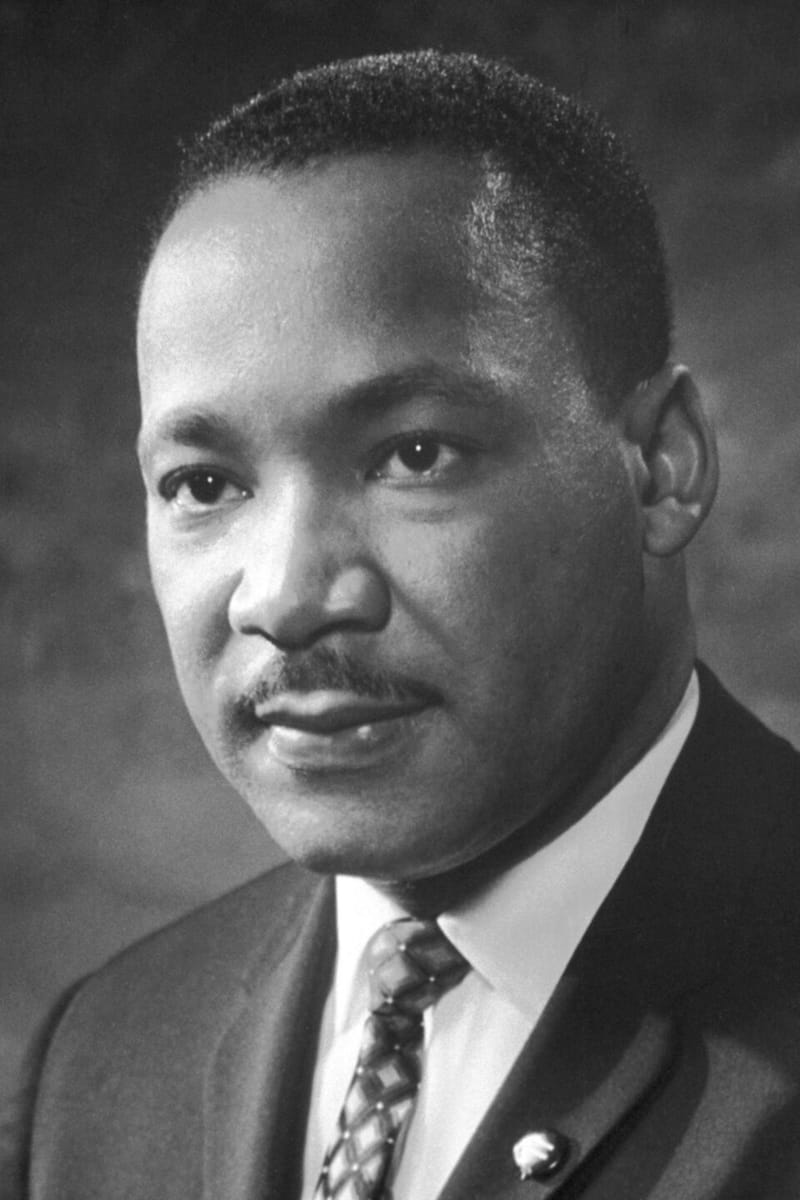
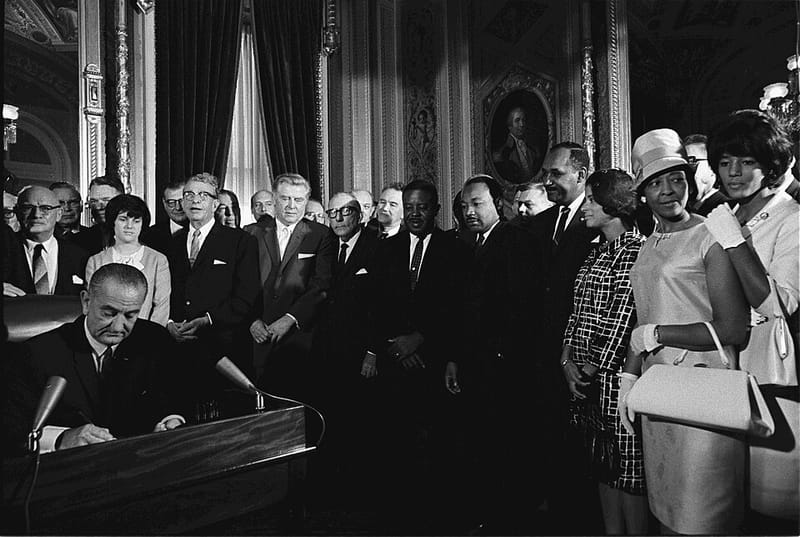
Martin Luther King Jr., a Baptist minister from Atlanta, became the most prominent leader of the civil rights movement. Thrust into leadership of the Montgomery bus boycott at twenty-six, he joined Christian ideals to Gandhi’s methods of nonviolent resistance. He led campaigns in Birmingham and Selma, delivered “I Have a Dream” at the March on Washington, and helped win the Civil Rights Act and Voting Rights Act. At thirty-five he became the youngest man to receive the Nobel Peace Prize. He was assassinated in Memphis in 1968.
Key facts
- Born
- January 15, 1929, Atlanta, Georgia
- Died
- April 4, 1968, Memphis, Tennessee
- Roles
- Pastor, Dexter Avenue Baptist Church, Montgomery (from 1954); President, Montgomery Improvement Association; President, Southern Christian Leadership Conference (from 1957); Nobel Peace Prize laureate (1964)
- Born
- January 15, 1929, Atlanta
- Education
- Morehouse College (B.A. 1948); Crozer Theological Seminary (B.D. 1951); Boston University (Ph.D. 1955)
- Spouse
- Coretta Scott King; four children
- Nobel Peace Prize
- 1964, at age 35
- Assassinated
- April 4, 1968, Memphis, Tennessee
Why it matters
King gave the civil rights movement its moral voice and showed how nonviolent mass protest could change American law and conscience.
Early life and context
King was born on January 15, 1929, as Michael Luther King Jr.; his name was later changed to Martin. Preaching ran in the family: his grandfather and then his father led Atlanta’s Ebenezer Baptist Church, where he would later serve as co-pastor. He attended segregated public schools, finished high school at fifteen, and graduated in 1948 from Morehouse College, as his father and grandfather had. At Crozer Theological Seminary in Pennsylvania he was elected president of a mostly white senior class, and at Boston University, where he earned his doctorate in 1955, he met and married Coretta Scott; they had two sons and two daughters. In 1954 he became pastor of the Dexter Avenue Baptist Church in Montgomery, Alabama, already a member of the NAACP’s executive committee.
Major actions and achievements
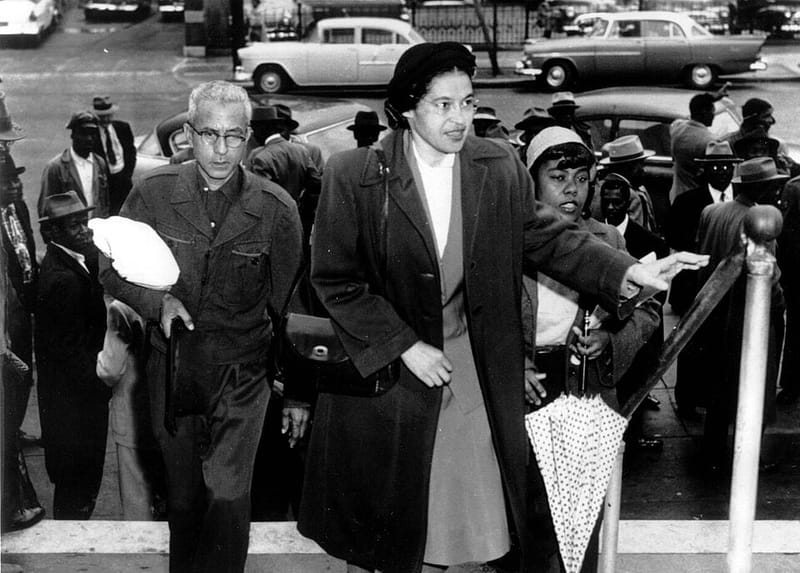
When Rosa Parks was arrested in December 1955, Montgomery’s Black leaders chose the new young pastor to head the Montgomery Improvement Association — partly, Parks later said, because he had not been in town long enough to make enemies. Over a boycott that lasted 382 days his home was bombed and he was arrested and convicted, but in December 1956 Black and white passengers rode Montgomery’s buses as equals. In 1957 he became president of the new Southern Christian Leadership Conference. Over the next eleven years he traveled more than six million miles, spoke more than 2,500 times, and wrote five books; in 1958 he was seriously hurt when a woman named Izola Curry stabbed him.
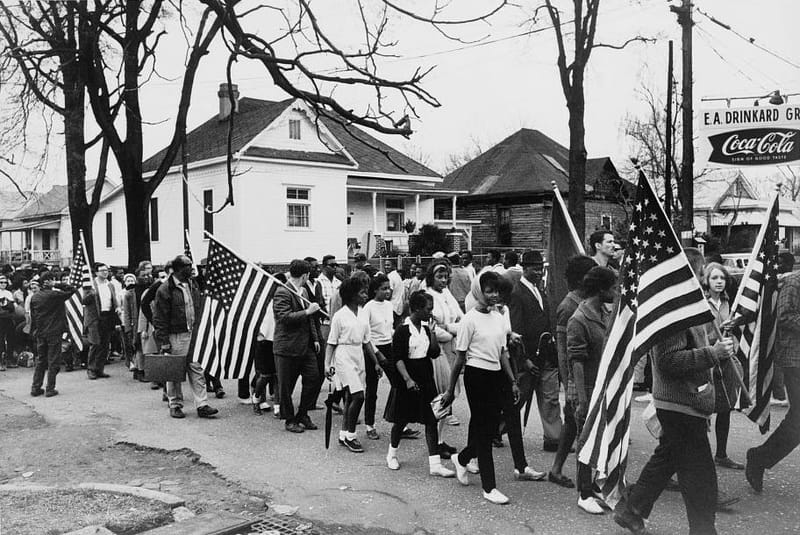
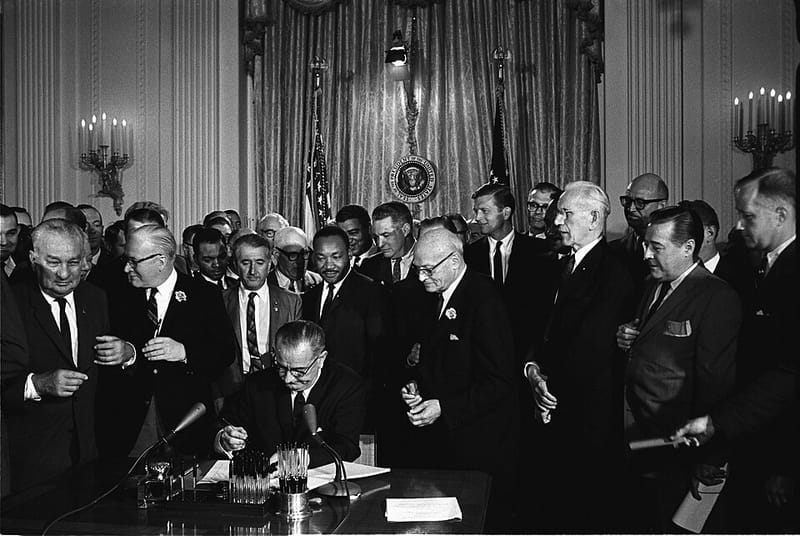
In April 1963 King brought the SCLC to Birmingham, Alabama, to join a local campaign against the city’s segregation. Defying a court injunction against protests, he decided that he had to go to jail himself — “I have to make a faith act,” he told colleagues — and was arrested on Good Friday and held in solitary confinement. There, in the margins of a newspaper, he wrote his “Letter from Birmingham Jail,” answering white clergymen who had condemned the protests. That August he delivered his “I Have a Dream” speech to more than 200,000 people at the March on Washington. In 1965, after state troopers beat marchers on “Bloody Sunday” in Selma, he led the march from Selma to Montgomery that helped bring the Voting Rights Act. He was arrested more than twenty times and assaulted at least four times; he gave his $54,123 Nobel Prize money to the movement.
Beliefs and ideas
King took the ideals of his movement from Christianity and its methods from Gandhi. “Christ showed us the way,” he said, “and Gandhi in India showed it could work.” He spoke of the goal as a “beloved community.” In his last years he insisted that civil rights were incomplete without economic security: in 1967 he announced a Poor People’s Campaign to bring poor Americans of all races to Washington to demand jobs, a fair minimum wage, and education.
Controversies, limits, and criticism
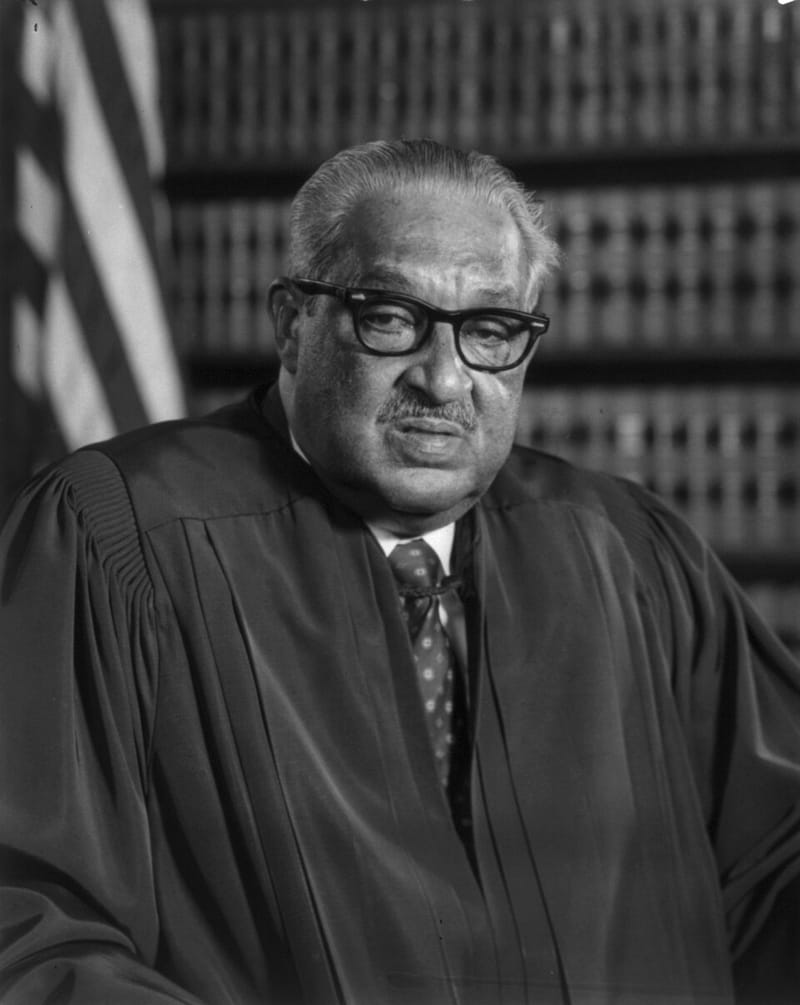
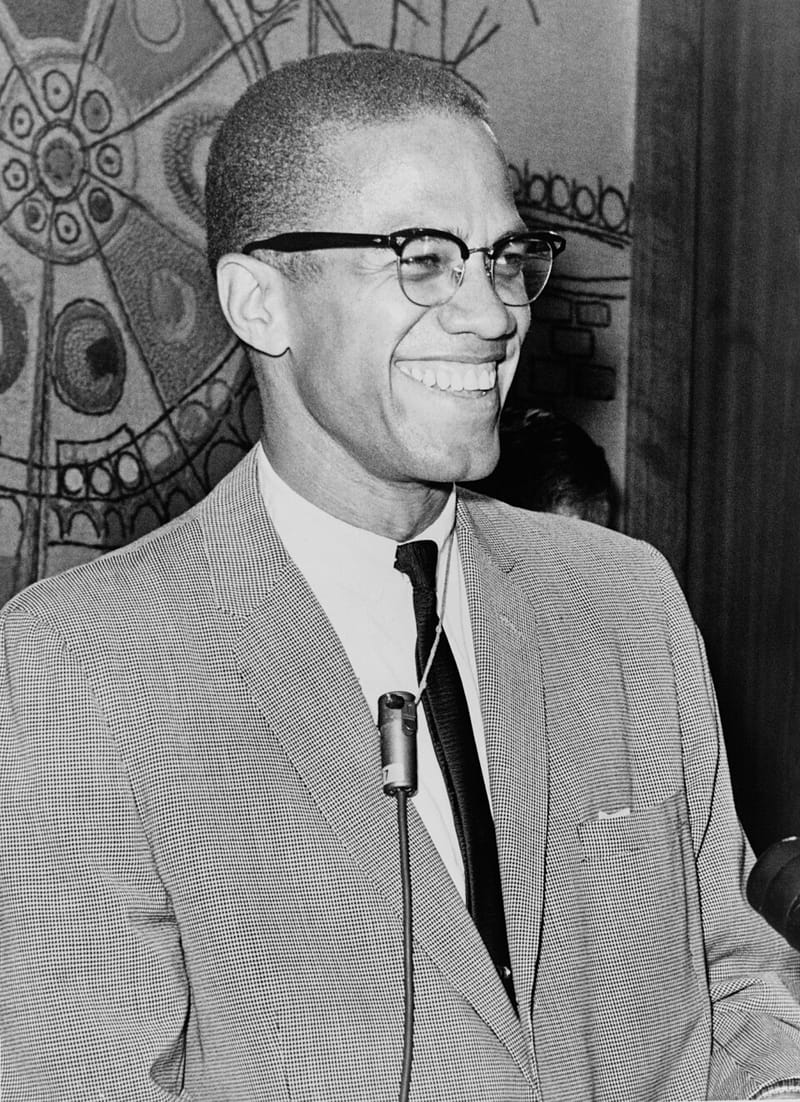
King faced criticism from many sides: from segregationists; from more militant activists, such as Malcolm X, who rejected nonviolence; and from allies who disagreed with his tactics — Thurgood Marshall preferred lawsuits to civil disobedience, and some in his own organization thought the Poor People’s Campaign too ambitious and its demands too vague. His decision during the Selma campaign to turn marchers back at the Edmund Pettus Bridge angered some activists.
Legacy
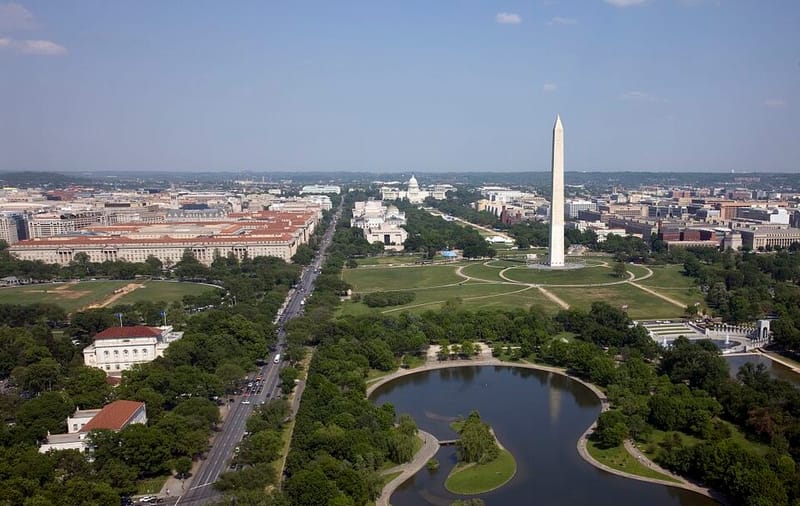
On the evening of April 4, 1968, King was shot and killed on the balcony of his motel in Memphis, where he had come to support striking sanitation workers. The night before, he had told a rally, “I’ve been to the mountaintop.” Riots broke out in more than a hundred cities. His colleagues carried on the Poor People’s Campaign, building a tent city on the National Mall that spring. Named Time’s Man of the Year in 1963, King became not only the symbolic leader of Black Americans but a world figure; his words and methods continue to inspire movements for justice.
Study this entry
Check your understanding
Try answering in your own words, then open the answer.
1.What shaped Martin Luther King Jr. early in life?Show answerHide
King was born on January 15, 1929, as Michael Luther King Jr.; his name was later changed to Martin. Preaching ran in the family: his grandfather and then his father led Atlanta’s Ebenezer Baptist Church, where he would later serve as co-pastor.From “Early life and context” above.
2.What were Martin Luther King Jr.’s major achievements?Show answerHide
When Rosa Parks was arrested in December 1955, Montgomery’s Black leaders chose the new young pastor to head the Montgomery Improvement Association — partly, Parks later said, because he had not been in town long enough to make enemies.From “Major actions and achievements” above.
3.What criticism or controversy surrounds Martin Luther King Jr.?Show answerHide
King faced criticism from many sides: from segregationists; from more militant activists, such as Malcolm X, who rejected nonviolence; and from allies who disagreed with his tactics — Thurgood Marshall preferred lawsuits to civil disobedience, and some in his own organization thought the Poor People’s Campaign too ambitious and its demands too vague.From “Controversies, limits, and criticism” above.
4.How is Martin Luther King Jr. remembered?Show answerHide
On the evening of April 4, 1968, King was shot and killed on the balcony of his motel in Memphis, where he had come to support striking sanitation workers. The night before, he had told a rally, “I’ve been to the mountaintop.”From “Legacy” above.
Turn this entry into 9 flashcards (key facts, dates, and why it matters) and review them in Learn.
Related History
How this connects to the rest of the atlas.

Sources
- 1.Martin Luther King Jr. — Biographical
The Nobel Prize (Nobel Foundation) · Reference · cited for life, career, Nobel Prize, assassination
- 2.Montgomery Bus Boycott
The Martin Luther King, Jr. Research and Education Institute, Stanford University · Scholarly · cited for boycott dates, organizers, carpools, Browder v. Gayle
- 3.Birmingham Campaign
The Martin Luther King, Jr. Research and Education Institute, Stanford University · Scholarly · cited for Birmingham 1963
- 4.March on Washington for Jobs and Freedom
The Martin Luther King, Jr. Research and Education Institute, Stanford University · Scholarly · cited for goals, organizers, speakers, attendance
- 5.Selma to Montgomery March
The Martin Luther King, Jr. Research and Education Institute, Stanford University · Scholarly · cited for Bloody Sunday, march, Voting Rights Act
- 6.Poor People’s Campaign
The Martin Luther King, Jr. Research and Education Institute, Stanford University · Scholarly · cited for Poor People’s Campaign
- 7.Southern Christian Leadership Conference (SCLC)
The Martin Luther King, Jr. Research and Education Institute, Stanford University · Scholarly · cited for SCLC founding
- 8.The American Yawp, “The Unraveling”
The American Yawp (eds. Joseph Locke and Ben Wright; Stanford University Press) · Scholarly · cited for 1970s: Vietnam’s end, Watergate, feminism, environmentalism
Image credits
- Martin Luther King, Jr., Bernie Faingold, 1964. Via Wikimedia Commons · Public domain · Source
Written for American History Atlas from the sources above. See how entries are researched.
Atlas by Alexander. More on Telegram.