EventCivil Rights and Social Transformation
March on Washington for Jobs and Freedom
The 1963 march where King delivered “I Have a Dream”
August 28, 1963Lincoln Memorial, Washington, D.C.
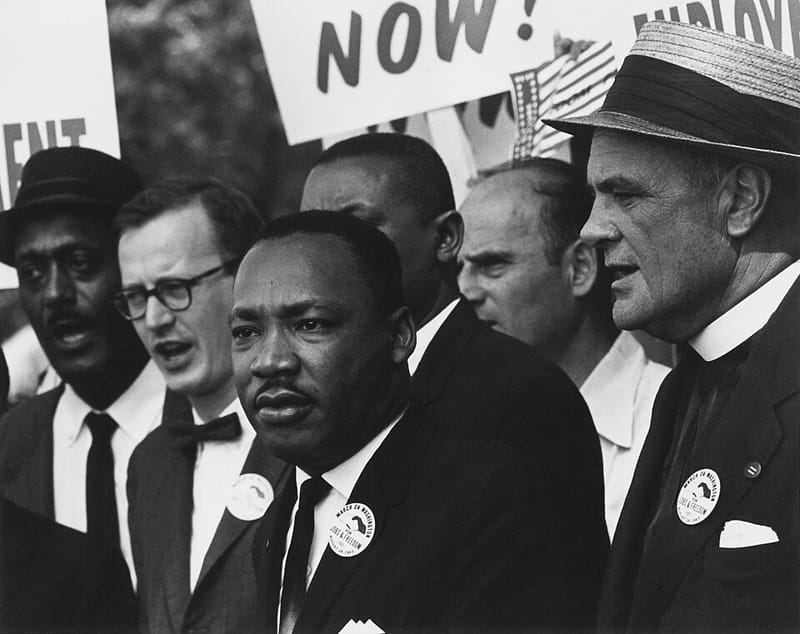
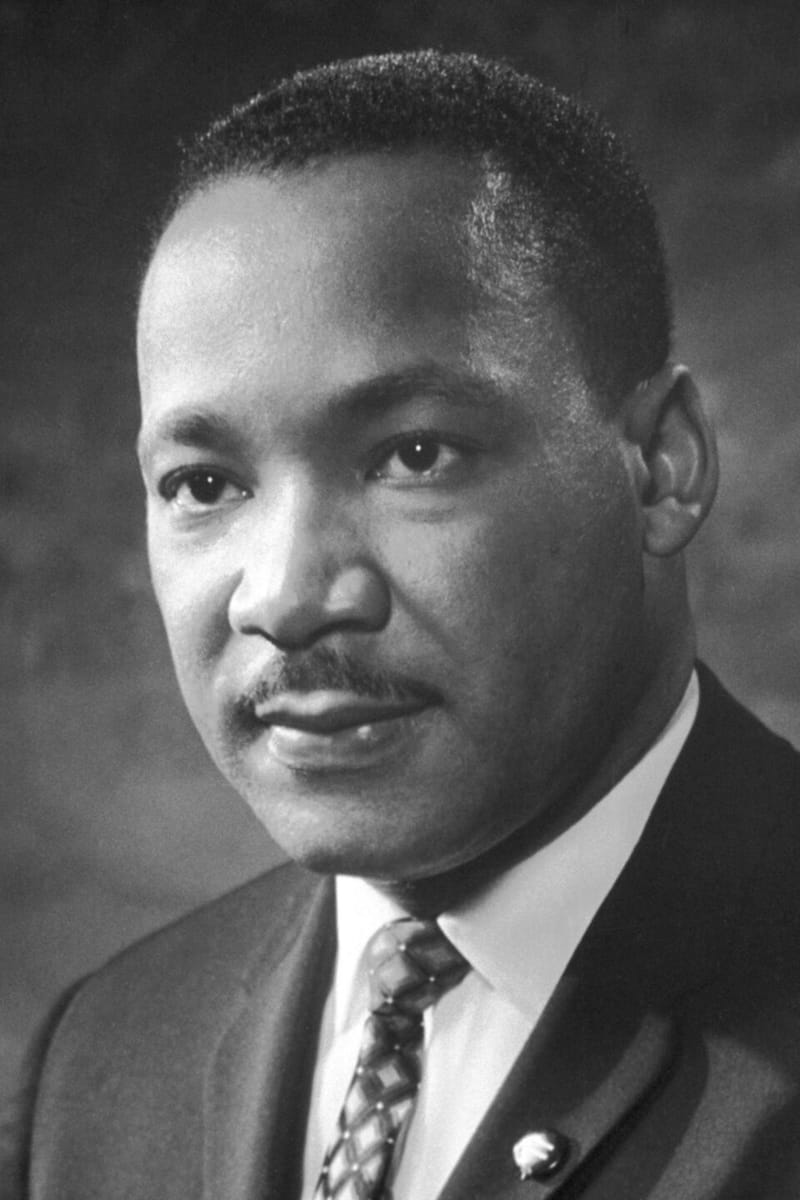
On August 28, 1963, more than 200,000 people — the National Archives puts the number at 250,000 — gathered at the Lincoln Memorial for the March on Washington for Jobs and Freedom. Organized by a coalition of civil rights, labor, and religious groups, it demanded a strong civil rights bill, voting rights, school desegregation, and jobs. It closed with Martin Luther King Jr.’s “I Have a Dream” speech and helped build pressure for the Civil Rights Act of 1964.
Key facts
- Date
- August 28, 1963
- Location
- Lincoln Memorial, Washington, D.C.
- Date
- August 28, 1963
- Crowd
- More than 200,000 (King Institute); 250,000 (National Archives)
- Leaders
- A. Philip Randolph; organizer Bayard Rustin; leaders of SCLC, SNCC, CORE, NAACP, National Urban League
- Speakers and performers
- John Lewis, Roy Wilkins, Whitney Young, Walter Reuther, Rabbi Joachim Prinz, singers Marian Anderson, Odetta, Joan Baez, and Bob Dylan
- Climax
- King’s “I Have a Dream” speech
Why it matters
The March on Washington displayed the breadth and discipline of the civil rights coalition and gave the movement its most enduring words.
Historical background
In 1941 A. Philip Randolph had threatened a march on Washington to protest the exclusion of Black workers from defense jobs; President Roosevelt responded with Executive Order 8802, and the march was called off. By 1963, the centennial of the Emancipation Proclamation, high Black unemployment, low wages, disenfranchisement, and segregation persisted.
Causes and contributing factors
Randolph’s Negro American Labor Council began planning a march for jobs, and in May 1963, during the Birmingham campaign, King joined him and leaders of CORE and SNCC in calling for it. Its goals included a comprehensive civil rights bill, protection of voting rights, desegregation of all public schools, a federal jobs program, and a federal law barring employment discrimination.
What happened
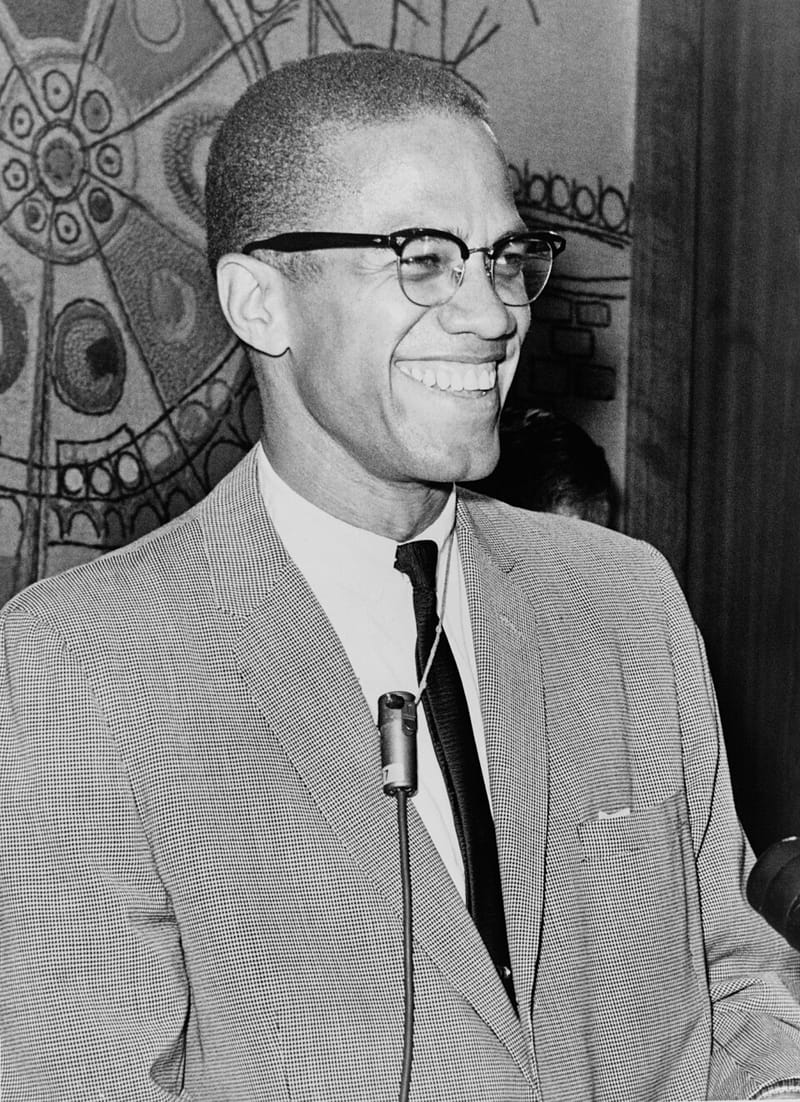
Sponsors expanded to include the NAACP, the National Urban League, the United Auto Workers, and major religious bodies. The march was not universally supported: Malcolm X called it “the Farce on Washington,” and the AFL-CIO’s executive board stayed neutral. SNCC’s John Lewis had to tone down a draft speech calling the administration’s bill “too little and too late.” Near the end of the program, King moved the Lincoln Memorial crowd and a live television audience with what became known as his “I Have a Dream” speech.
Immediate consequences
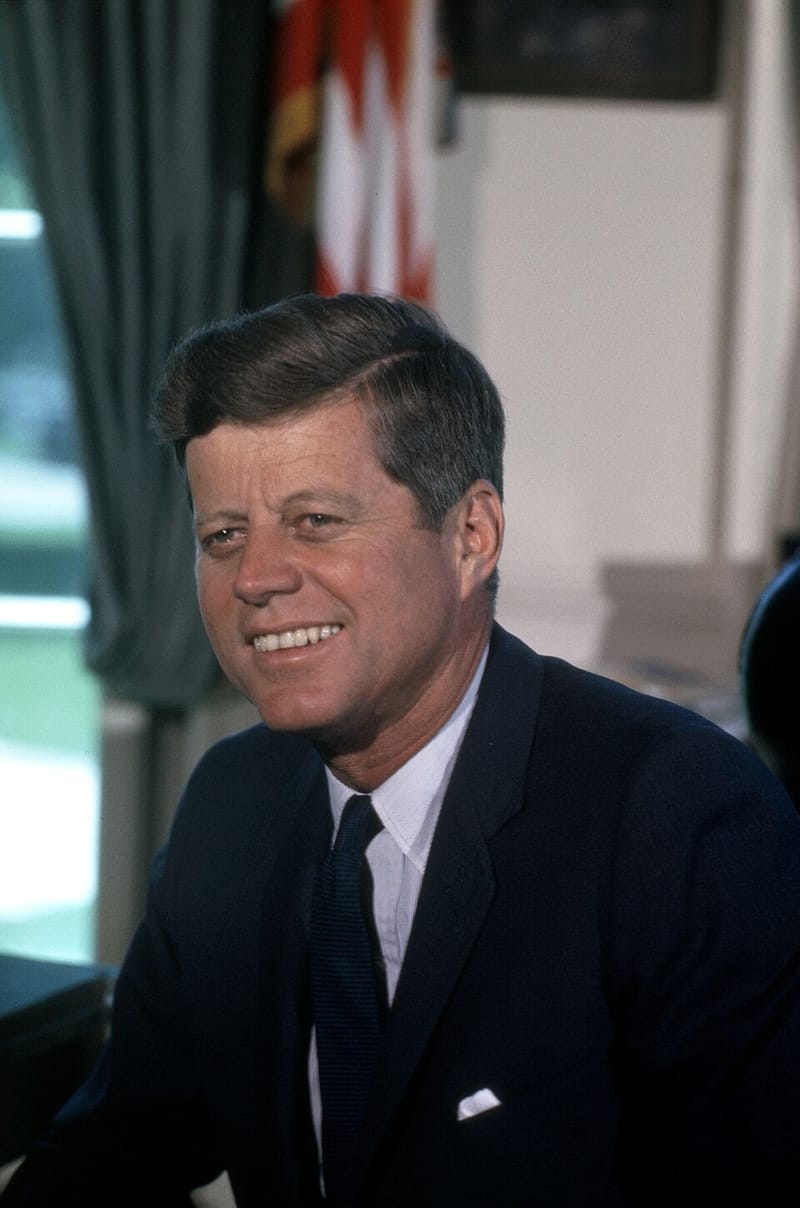
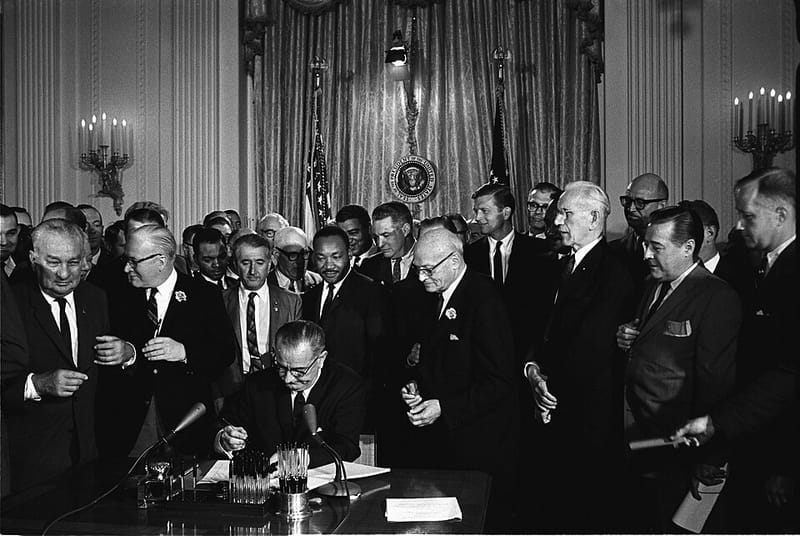
Afterward, march leaders met President John F. Kennedy and Vice President Lyndon B. Johnson at the White House to discuss bipartisan support for civil rights legislation.
Long-term significance
Although they passed after Kennedy’s assassination, the Civil Rights Act of 1964 and the Voting Rights Act of 1965 reflected the march’s demands. The National Archives calls it “the largest demonstration for human rights in United States history.”
Study this entry
Check your understanding
Try answering in your own words, then open the answer.
1.What led to March on Washington for Jobs and Freedom?Show answerHide
Randolph’s Negro American Labor Council began planning a march for jobs, and in May 1963, during the Birmingham campaign, King joined him and leaders of CORE and SNCC in calling for it.From “Causes and contributing factors” above.
2.What happened?Show answerHide
Sponsors expanded to include the NAACP, the National Urban League, the United Auto Workers, and major religious bodies. The march was not universally supported: Malcolm X called it “the Farce on Washington,” and the AFL-CIO’s executive board stayed neutral.From “What happened” above.
3.What were the immediate consequences?Show answerHide
Afterward, march leaders met President John F. Kennedy and Vice President Lyndon B. Johnson at the White House to discuss bipartisan support for civil rights legislation.From “Immediate consequences” above.
4.Why does it still matter?Show answerHide
Although they passed after Kennedy’s assassination, the Civil Rights Act of 1964 and the Voting Rights Act of 1965 reflected the march’s demands. The National Archives calls it “the largest demonstration for human rights in United States history.”From “Long-term significance” above.
Turn this entry into 9 flashcards (key facts, dates, and why it matters) and review them in Learn.
Related History
How this connects to the rest of the atlas.
People
_-_NARA_-_542015_-_Restoration.jpg)
Sources
- 1.March on Washington for Jobs and Freedom
The Martin Luther King, Jr. Research and Education Institute, Stanford University · Scholarly · cited for goals, organizers, speakers, attendance
- 2.Official Program for the March on Washington (1963) — Milestone Documents
National Archives · Primary source · cited for march program
- 3.The American Yawp, “The Sixties”
The American Yawp (eds. Joseph Locke and Ben Wright; Stanford University Press) · Scholarly · cited for civil rights, Great Society, Vietnam, social movements
Image credits
- Civil Rights March on Washington, D.C. [Dr. Martin Luther King, Jr. and Mathew Ahmann in a crowd.], Rowland Scherman / Adam Cuerden, 28 August 1963. Via Wikimedia Commons · Public domain · Source
Written for American History Atlas from the sources above. See how entries are researched.
Atlas by Alexander. More on Telegram.