PersonCivil Rights and Social Transformation
John F. Kennedy
Thirty-fifth president: the youngest ever elected, assassinated in Dallas in 1963
1917–1963
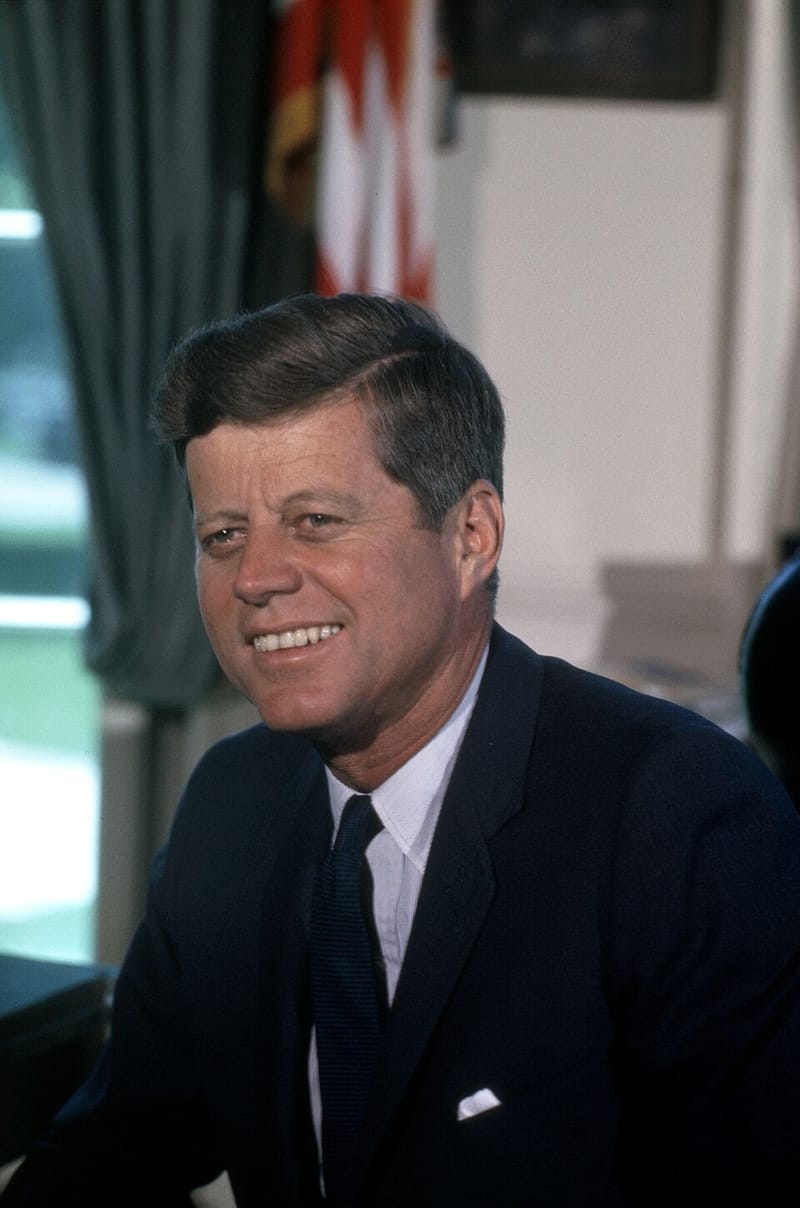
John F. Kennedy was the youngest person ever elected president and the first Roman Catholic to hold the office. A rich Bostonian who became a war hero in the Pacific, he beat Richard Nixon in 1960 in one of the closest elections in American history, helped by a series of televised debates. In less than three years he faced the Bay of Pigs fiasco, the building of the Berlin Wall, and the Cuban Missile Crisis, launched the race to the moon, and sent a civil rights bill to Congress. His assassination in Dallas on November 22, 1963, became one of the great national traumas.
Key facts
- Born
- May 29, 1917, Brookline, Massachusetts
- Died
- November 22, 1963, Dallas, Texas
- Roles
- U.S. Navy officer in World War II; U.S. Representative from Massachusetts (1947–1953); U.S. Senator from Massachusetts (1953–1960); Thirty-fifth president (1961–1963)
- Presidency
- January 20, 1961 – November 22, 1963; Democrat
- Election of 1960
- Beat Richard Nixon by fewer than 120,000 votes out of 68.8 million; 303 electoral votes to 219
- Firsts
- Youngest person elected president; first Roman Catholic president; first president born in the twentieth century
- Wartime heroism
- After a Japanese destroyer rammed his boat, PT 109, in 1943, he towed a burned crewman to safety by a strap held in his teeth
- Book
- Profiles in Courage won the Pulitzer Prize for biography in 1957
- Assassinated
- November 22, 1963, in Dallas; the Warren Commission found that Lee Harvey Oswald acted alone
Why it matters
Kennedy's presidency brought the Cold War to its most dangerous moment and then to a first step back from it, the 1963 test ban treaty. His youth, eloquence, and command of television changed American politics, and his murder left a lasting sense of what might have been.
Early life and context
John Fitzgerald Kennedy was born on May 29, 1917, in Brookline, Massachusetts, into a rich, politically connected family of Irish Catholics; his maternal grandfather had been mayor of Boston, and his father, Joseph P. Kennedy, had made a fortune in the stock market and entertainment and pulled his money out just before the crash of 1929. Jack and his eight siblings grew up with private schools, sailboats, servants, and summer homes, but he was sick so often that he spent much of his childhood recovering. In 1938 President Franklin Roosevelt made his father ambassador to Britain. Jack’s Harvard senior essay on Britain’s unreadiness for war was published as Why England Slept and became a bestseller.
Poor health at first kept him out of the Navy; after his father intervened he was admitted and given command of a small torpedo boat in the South Pacific. In August 1943, with the crew asleep and no watch posted, a Japanese destroyer rammed PT 109. Towing a badly burned crewman by a life-jacket strap clenched in his teeth, Kennedy led the ten survivors on a three-mile swim to a tiny island and eventually summoned help. He won a Navy and Marine Corps Medal and a Purple Heart. When his older brother Joseph Jr., the son his father had groomed for the presidency, was killed on a bombing mission in Europe, the family’s ambitions fell on Jack.
In 1946, at twenty-nine, he won a seat in Congress from a working-class Boston district; in 1952 he took a Senate seat from Henry Cabot Lodge Jr. That year he met Jacqueline Bouvier at a dinner party and, as he put it, “leaned across the asparagus and asked her for a date”; they married in 1953. Behind his image of youthful vigor he suffered from Addison’s disease, malaria, and constant back pain, relying on painkillers and steroids. Recovering from back surgery, he wrote Profiles in Courage, about senators who took unpopular moral stands, with help from his aide Theodore Sorensen; it won the 1957 Pulitzer Prize for biography.
Major actions and achievements
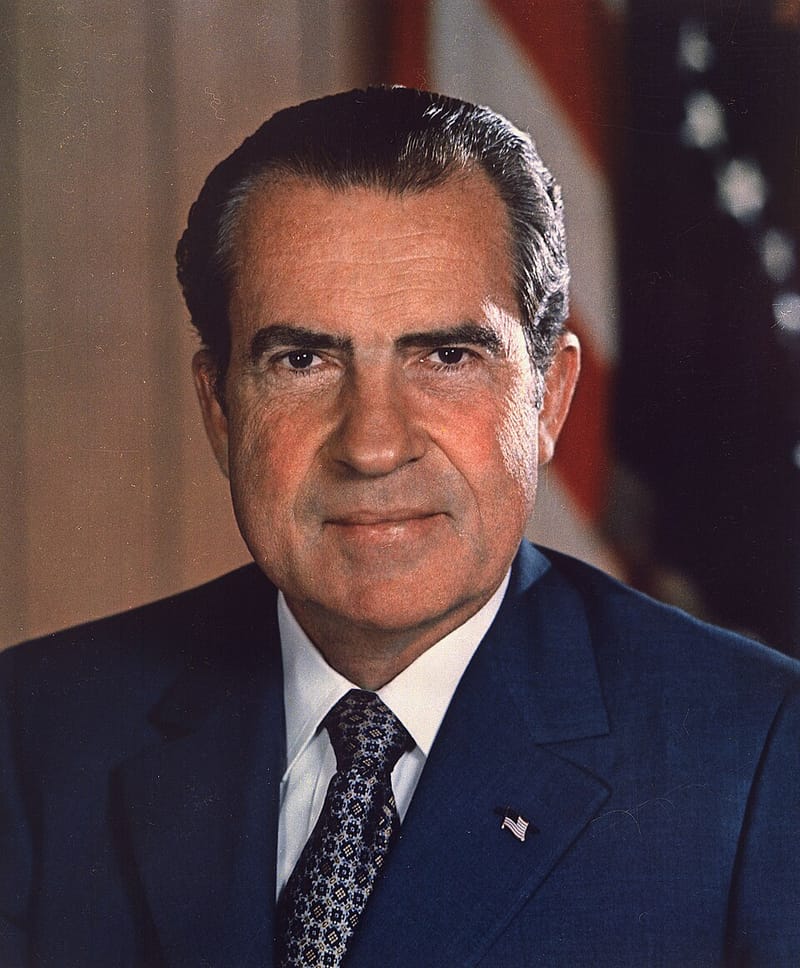
In 1960 Kennedy won the Democratic nomination by beating Hubert Humphrey in the primaries — above all in heavily Protestant West Virginia, where he had to prove a wealthy Catholic could win. He met religious doubts head-on, answering questions from Protestant ministers in Houston, and challenged Vice President Richard Nixon to a series of televised debates — the first extensive use of television in a presidential campaign. Seventy million people watched the first one, in which a pale, perspiring Nixon looked uneasy beside a tanned, relaxed Kennedy. Kennedy won the popular vote by fewer than 120,000 out of a record 68.8 million ballots. At his inauguration he declared that “the torch has been passed to a new generation of Americans.”
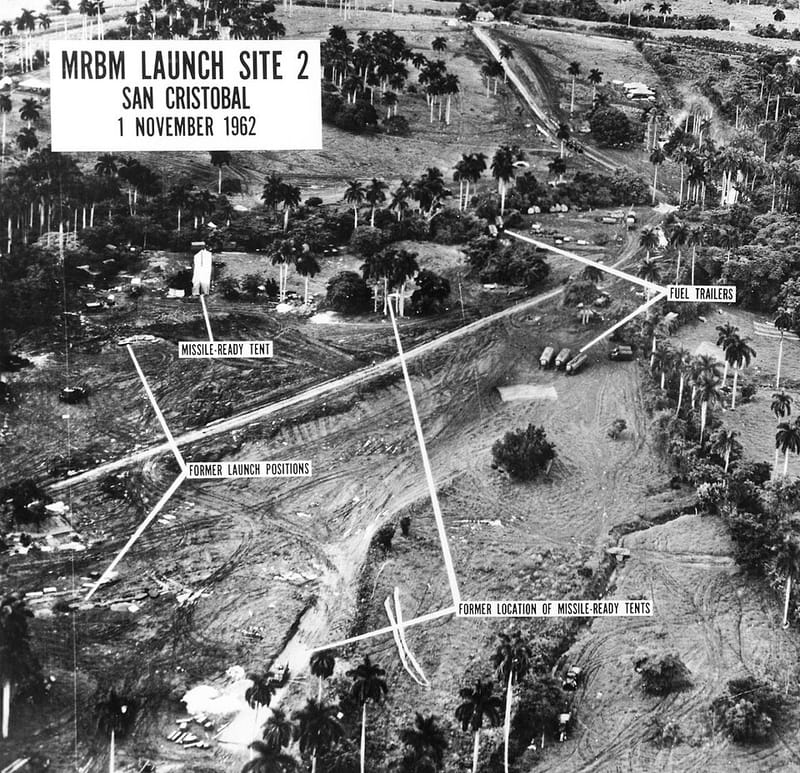
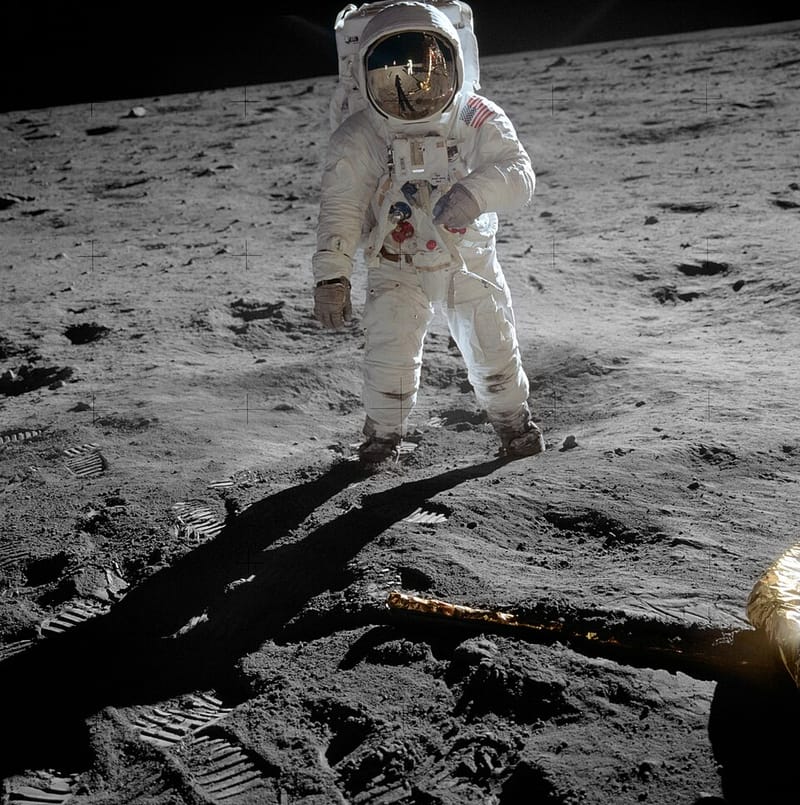
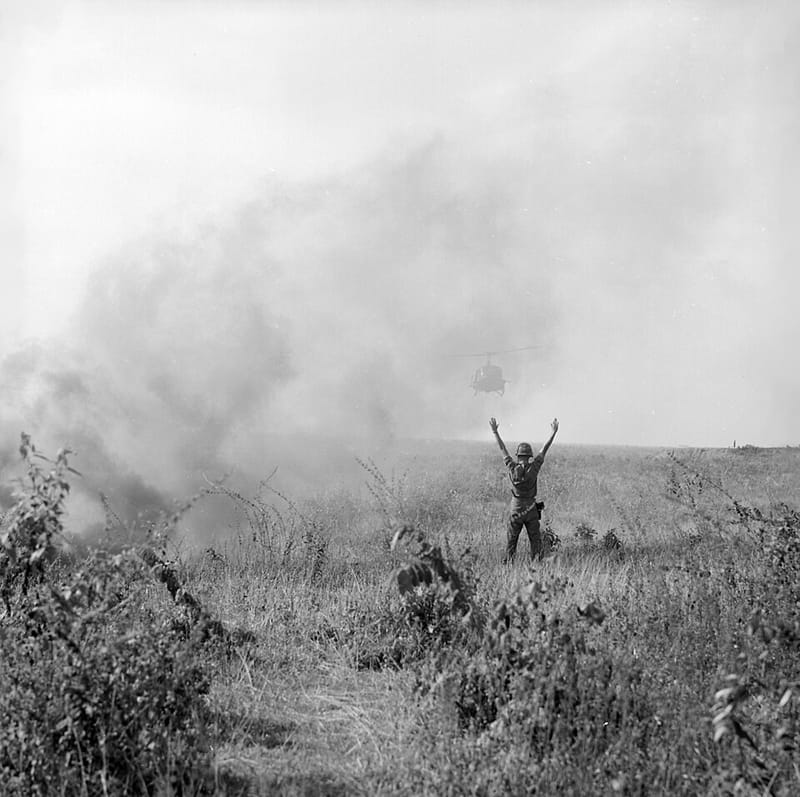
Abroad, his first months went badly. In April 1961 some 1,500 CIA-trained Cuban exiles landed at the Bay of Pigs and were quickly overwhelmed, and the administration’s denial of involvement collapsed. That August the Soviets and East Germans built a wall separating East and West Berlin. In October 1962, when spy planes found Soviet nuclear missiles in Cuba, Kennedy chose a naval “quarantine” over an air strike or invasion, and the Cuban Missile Crisis ended with the missiles withdrawn. In 1963 he signed a treaty with Britain and the Soviet Union banning nuclear tests in the atmosphere, in space, and underwater — the achievement he considered his greatest. He created the Peace Corps, whose first volunteers went to teach in Ghana in 1961, and vowed to land Americans on the moon by the end of the decade, a goal reached with Apollo 11 in 1969. He also deepened the commitment in Vietnam, where 16,000 American military advisers were serving by late 1963.
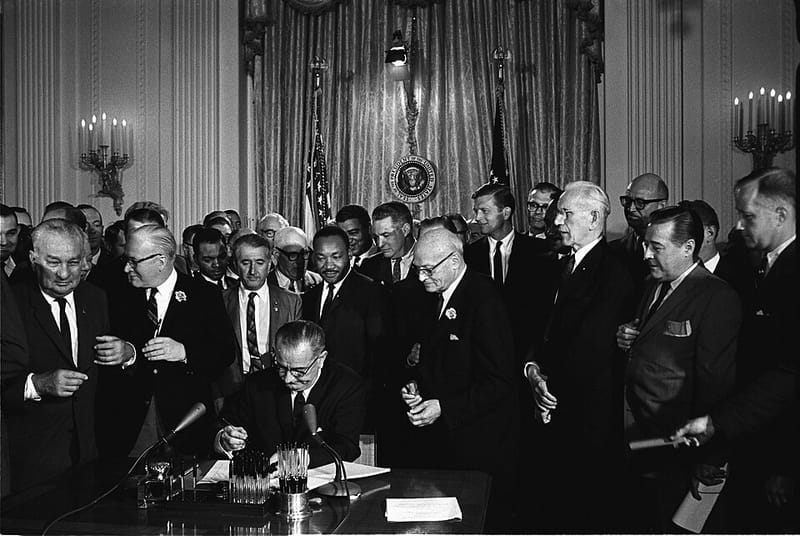
At home, a Congress dominated by conservative Southern Democrats blocked much of his “New Frontier,” though he won a higher minimum wage and aid for Appalachia. In 1962 he sent federal marshals and troops to enforce James Meredith’s admission to the University of Mississippi. After Alabama’s governor tried to block the integration of his state university and the civil rights leader Medgar Evers was murdered in June 1963, Kennedy went on television and sent Congress the bill that became the Civil Rights Act of 1964.
Beliefs and ideas
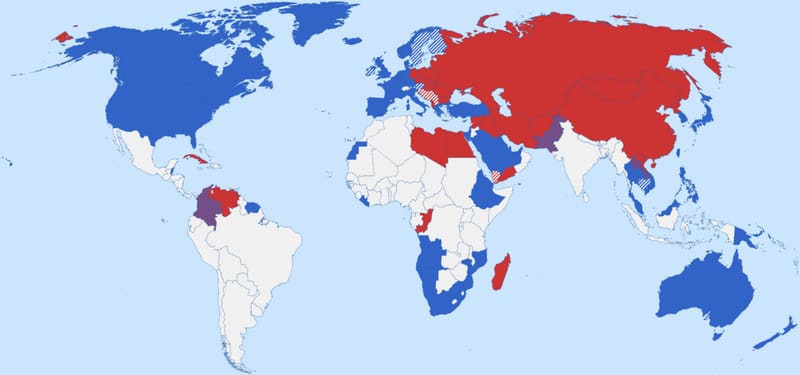
Kennedy ran as a Cold War liberal who promised to “get the country moving again” and to lead the nation toward a “New Frontier.” He believed in energetic presidential leadership guided by experts, and his advisers thought they could “fine tune” the economy. He was a determined anticommunist who warned of a “missile gap” with the Soviet Union, yet after the missile crisis he worked to lower Cold War tensions, a goal he set out in a June 1963 speech at American University.
Controversies, limits, and criticism
Critics charged that Kennedy moved too slowly on civil rights: he concentrated on enforcing existing laws and delayed new legislation to protect the rest of his program, and to please Southern senators he appointed federal judges in the South who resisted desegregation. The Bay of Pigs was a self-inflicted humiliation, and his administration had no realistic plan to end the deepening war in Vietnam. His victory in 1960 drew charges of vote irregularities in Illinois and Texas, and his campaign’s money overwhelmed rivals. The image of vigor hid serious illnesses from the public, and later historians examined his questionable personal morals and the seamier side of his family’s dealings.
Legacy
On November 22, 1963, while riding in a motorcade through Dealey Plaza in Dallas, Kennedy was shot twice and died soon after at Parkland Memorial Hospital. Police arrested Lee Harvey Oswald, a former Marine who had defected to the Soviet Union and returned; two days later Oswald himself was shot dead by a nightclub owner, Jack Ruby. The Warren Commission concluded that Oswald acted alone, but in 1979 a House committee suspected that Kennedy was “probably assassinated as a result of a conspiracy,” and conspiracy theories have never faded. An estimated one million people lined the streets of Washington for his funeral. Kennedy’s presidency was, in a biographer’s phrase, “an unfinished life,” and assessments remain mixed, but he made television central to American politics and still fascinates Americans as a charismatic leader in a time of danger.
Study this entry
Check your understanding
Try answering in your own words, then open the answer.
1.What shaped John F. Kennedy early in life?Show answerHide
John Fitzgerald Kennedy was born on May 29, 1917, in Brookline, Massachusetts, into a rich, politically connected family of Irish Catholics; his maternal grandfather had been mayor of Boston, and his father, Joseph P. Kennedy, had made a fortune in the stock market and entertainment and pulled his money out just before the crash of 1929.From “Early life and context” above.
2.What were John F. Kennedy’s major achievements?Show answerHide
In 1960 Kennedy won the Democratic nomination by beating Hubert Humphrey in the primaries — above all in heavily Protestant West Virginia, where he had to prove a wealthy Catholic could win.From “Major actions and achievements” above.
3.What criticism or controversy surrounds John F. Kennedy?Show answerHide
Critics charged that Kennedy moved too slowly on civil rights: he concentrated on enforcing existing laws and delayed new legislation to protect the rest of his program, and to please Southern senators he appointed federal judges in the South who resisted desegregation.From “Controversies, limits, and criticism” above.
4.How is John F. Kennedy remembered?Show answerHide
On November 22, 1963, while riding in a motorcade through Dealey Plaza in Dallas, Kennedy was shot twice and died soon after at Parkland Memorial Hospital.From “Legacy” above.
Turn this entry into 12 flashcards (key facts, dates, and why it matters) and review them in Learn.
Related History
How this connects to the rest of the atlas.
.jpg)
Sources
- 1.John F. Kennedy (overview and fast facts)
Miller Center, University of Virginia · Scholarly · cited for dates, family, presidency
- 2.John F. Kennedy: Life Before the Presidency
Miller Center, University of Virginia (Marc J. Selverstone) · Scholarly · cited for family, illness, PT 109, Congress, marriage, Profiles in Courage
- 3.John F. Kennedy: Campaigns and Elections
Miller Center, University of Virginia (Marc J. Selverstone) · Scholarly · cited for 1960 primaries, debates, election result, inaugural address
- 4.John F. Kennedy: Foreign Affairs
Miller Center, University of Virginia (Marc J. Selverstone) · Scholarly · cited for Bay of Pigs, Berlin, missile crisis, Peace Corps, space, Vietnam, test ban
- 5.John F. Kennedy: Domestic Affairs
Miller Center, University of Virginia (Marc J. Selverstone) · Scholarly · cited for New Frontier, Congress, civil rights, Ole Miss, 1963 bill
- 6.John F. Kennedy: Death of the President
Miller Center, University of Virginia (Marc J. Selverstone) · Scholarly · cited for assassination, Oswald, Warren Commission, funeral
- 7.John F. Kennedy: Impact and Legacy
Miller Center, University of Virginia (Marc J. Selverstone) · Scholarly · cited for assessments of his presidency
Image credits
- President John F. Kennedy, Cecil W. Stoughton, 1963-07-11. Via Wikimedia Commons · Public domain · Source
Written for American History Atlas from the sources above. See how entries are researched.
Atlas by Alexander. More on Telegram.