EventWorld War II and the Early Cold War
The Space Race
From Sputnik to the moon: the Cold War contest for supremacy in space, 1957–1969
October 4, 1957 – July 20, 1969United States and Soviet Union
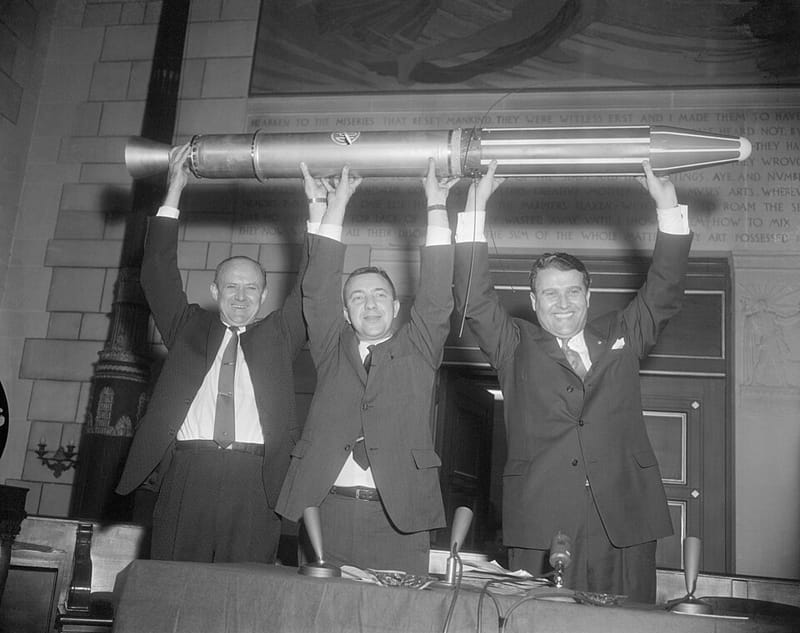
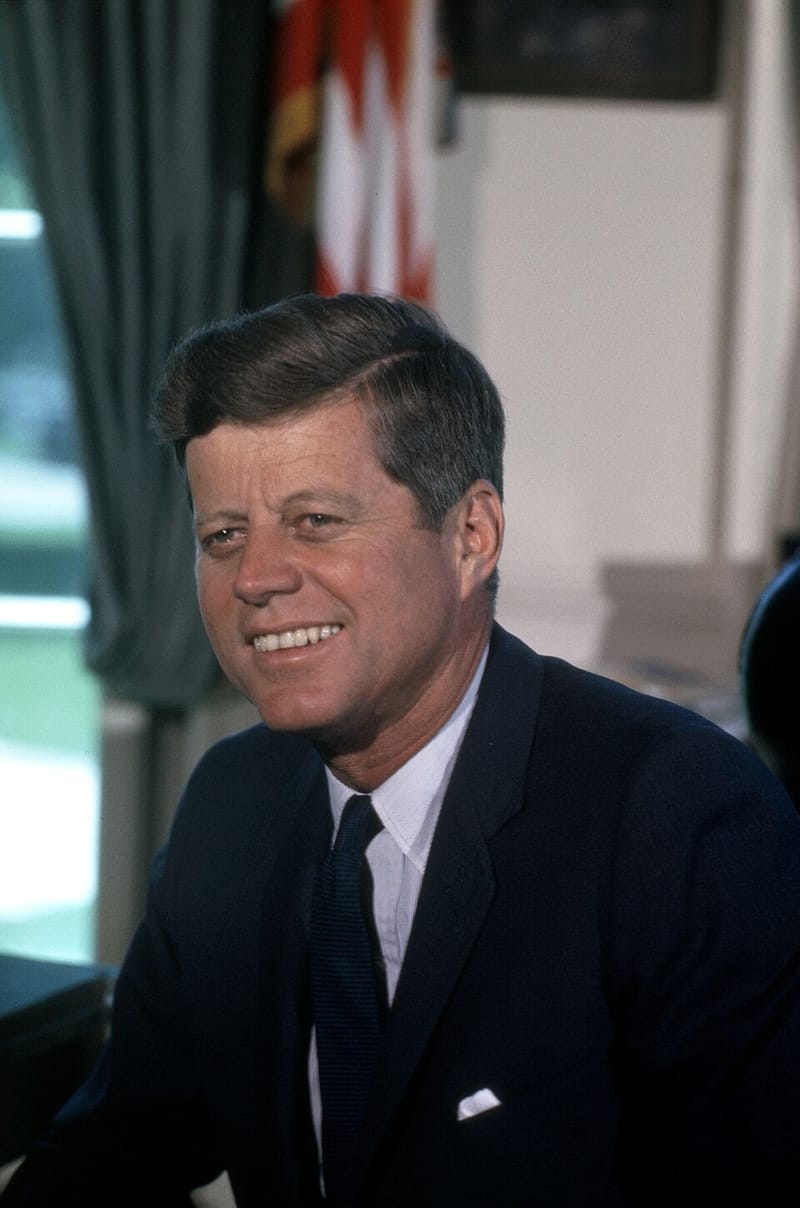
On October 4, 1957, the Soviet Union launched Sputnik, the world’s first artificial satellite — a beach-ball-sized sphere that circled Earth every ninety-eight minutes. Americans were shocked: if the Soviets could put a satellite in orbit, they could surely send nuclear missiles across the ocean. The Cold War rivalry moved into space. The United States answered with its own satellite, created NASA, and, after the Soviets put the first human in orbit in 1961, President John F. Kennedy pledged to land an American on the moon by the end of the decade — a goal reached with Apollo 11 in July 1969.
Key facts
- Date
- October 4, 1957 – July 20, 1969
- Location
- United States and Soviet Union
- Sputnik 1
- October 4, 1957: 58 cm across, 83.6 kg, a 98-minute orbit
- First U.S. satellite
- Explorer 1, January 31, 1958, which discovered the Van Allen radiation belts
- NASA
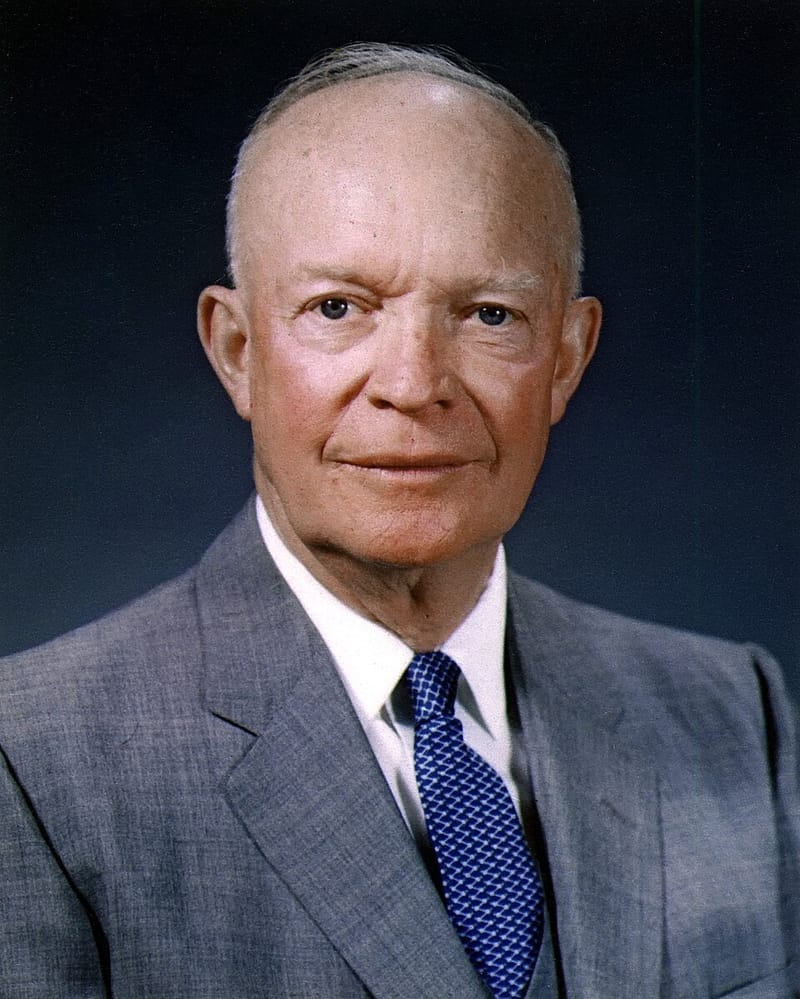
- Created by the National Aeronautics and Space Act, signed by Eisenhower on July 29, 1958
- First humans in space
- Yuri Gagarin (USSR), April 12, 1961; Alan Shepard (first American), May 5, 1961
- The pledge
- Kennedy to Congress, May 25, 1961: a man on the moon by the end of the decade
- Finish line
- Apollo 11 landed on the moon on July 20, 1969
Why it matters
The space race turned science and engineering into instruments of Cold War competition, created NASA, and poured billions of dollars into research. Its triumph, the moon landing, restored American confidence after years of Soviet firsts.
Historical background
The International Geophysical Year, a worldwide scientific project for 1957–1958, called for artificial satellites to map the Earth. In 1955 the White House announced that the United States would launch one, and the Navy’s Vanguard project was chosen. Space was also a military frontier: rockets that could reach orbit could carry nuclear warheads, and both superpowers saw dominance in space as proof of their system’s superiority.
Causes and contributing factors
The contest grew out of the Cold War rivalry between the United States and the Soviet Union and their competing ideologies. Each side wanted to prove its technological and military strength to the world — and the Soviet Union, with powerful rockets developed under the engineer Sergei Korolev, struck first.
What happened
Sputnik caught the American public off guard. A month later Sputnik 2 carried a dog, Laika, into orbit; she died soon after launch. The first American attempt, a Vanguard rocket, exploded on its launch pad in December 1957. The Army team under Wernher von Braun then launched Explorer 1 on January 31, 1958; its small instruments discovered the radiation belts around Earth named for the scientist James Van Allen. In July 1958 Eisenhower signed the act creating NASA, which opened for business on October 1.
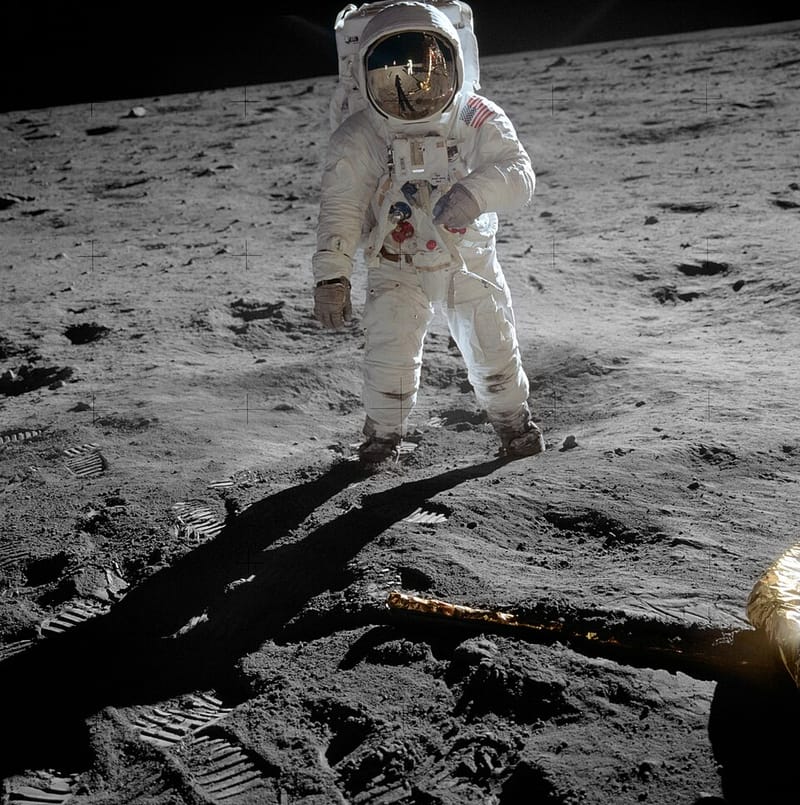
The Soviets kept scoring firsts. On April 12, 1961, Yuri Gagarin became the first person in space, orbiting Earth in a flight of an hour and forty-eight minutes. Alan Shepard followed on May 5 with a fifteen-minute suborbital flight, and on May 25 Kennedy told Congress that the nation should commit itself to landing a man on the moon before the decade was out. John Glenn became the first American to orbit Earth in February 1962. The race had costs: in January 1967 a fire in the Apollo 1 command module killed astronauts Gus Grissom, Edward White, and Roger Chaffee. In December 1968 Apollo 8 became the first crewed mission to orbit the moon, and on July 20, 1969, Neil Armstrong and Buzz Aldrin of Apollo 11 landed on its surface.
Immediate consequences
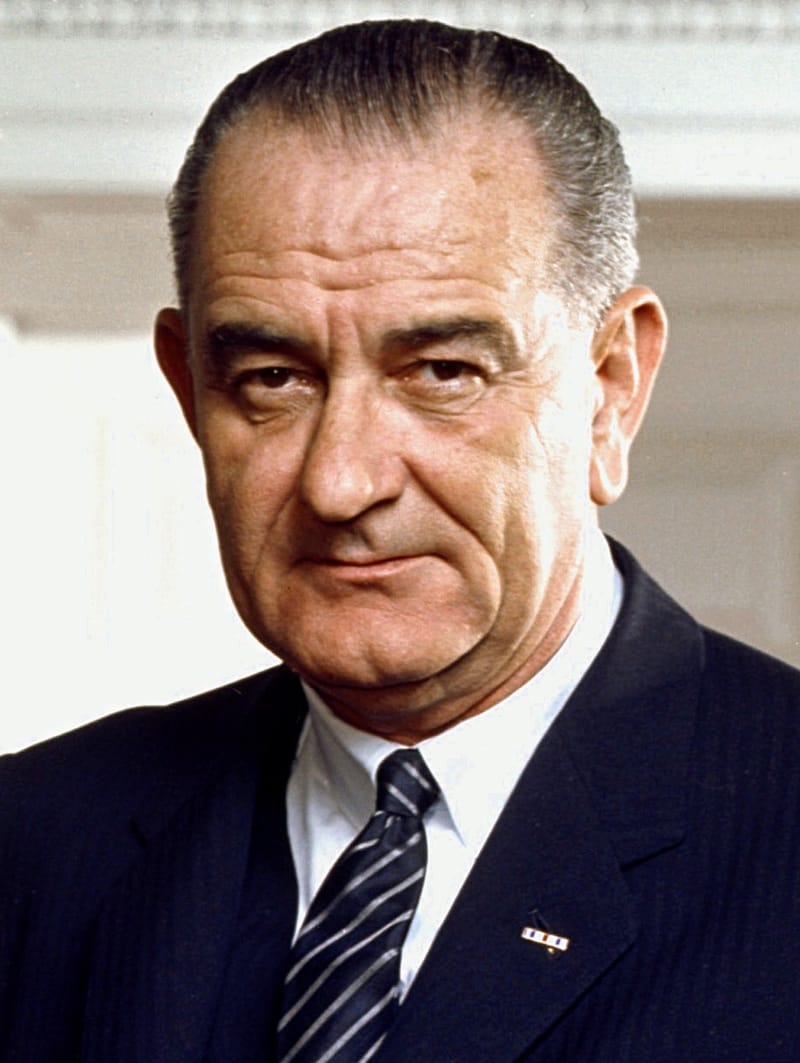
Sputnik set off a political furor in the United States. Eisenhower refused panicked demands for huge increases in military spending, confident that American defenses remained strong, but the Defense Department approved funding for a second satellite project, and Eisenhower called for a civilian space agency, which became NASA. Kennedy later placed NASA’s Manned Spacecraft Center in Texas, the home state of his vice president, Lyndon Johnson, who had headed the Senate subcommittee that funded the space program.
Long-term significance
More than a billion people watched the moon landing, and it gave Americans renewed confidence that their system had prevailed in the most visible arena of the Cold War, though tensions on Earth did not ease. The race left a lasting institution in NASA and a tradition of scientific satellites that began with Explorer 1.
Study this entry
Check your understanding
Try answering in your own words, then open the answer.
1.What led to the Space Race?Show answerHide
The contest grew out of the Cold War rivalry between the United States and the Soviet Union and their competing ideologies. Each side wanted to prove its technological and military strength to the world — and the Soviet Union, with powerful rockets developed under the engineer Sergei Korolev, struck first.From “Causes and contributing factors” above.
2.What happened?Show answerHide
Sputnik caught the American public off guard. A month later Sputnik 2 carried a dog, Laika, into orbit; she died soon after launch.From “What happened” above.
3.What were the immediate consequences?Show answerHide
Sputnik set off a political furor in the United States. Eisenhower refused panicked demands for huge increases in military spending, confident that American defenses remained strong, but the Defense Department approved funding for a second satellite project, and Eisenhower called for a civilian space agency, which became NASA.From “Immediate consequences” above.
4.Why does it still matter?Show answerHide
More than a billion people watched the moon landing, and it gave Americans renewed confidence that their system had prevailed in the most visible arena of the Cold War, though tensions on Earth did not ease. The race left a lasting institution in NASA and a tradition of scientific satellites that began with Explorer 1.From “Long-term significance” above.
Turn this entry into 11 flashcards (key facts, dates, and why it matters) and review them in Learn.
Related History
How this connects to the rest of the atlas.

Sources
- 1.Sputnik and the Dawn of the Space Age
NASA History Office · Institutional · cited for IGY, Vanguard, Sputnik 1 and 2, public fears, Explorer 1, Van Allen belts, Space Act, NASA timeline
- 2.The Space Race
Miller Center, University of Virginia · Scholarly · cited for Cold War stakes, Gagarin, Shepard, Kennedy pledge, Glenn, Korolev, Apollo 1 and 8, moon landing audience
- 3.John F. Kennedy: Foreign Affairs
Miller Center, University of Virginia (Marc J. Selverstone) · Scholarly · cited for moon pledge, Manned Spacecraft Center in Texas
- 4.Dwight D. Eisenhower: Impact and Legacy
Miller Center, University of Virginia (Chester J. Pach Jr.) · Scholarly · cited for Eisenhower’s response to Sputnik
Image credits
- Celebrating Explorer 1, 1958, NASA/JPL, 1958. Via Wikimedia Commons · Public domain · Source
Written for American History Atlas from the sources above. See how entries are researched.
Atlas by Alexander. More on Telegram.