WarThe Twenties and the Great Depression
World War II
The United States in the global war, 1941–1945
December 7, 1941 – September 2, 1945Europe, North Africa, the Pacific and Asia, the Atlantic; the home front
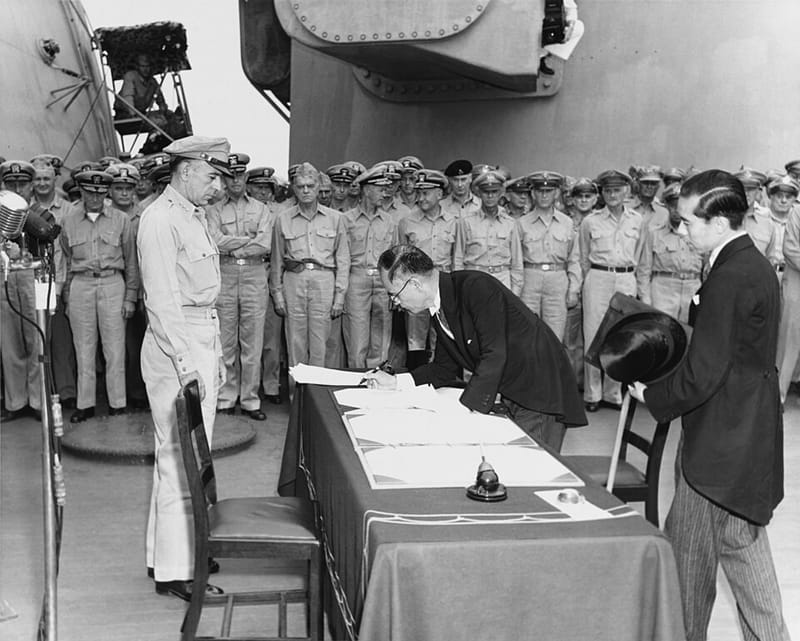
World War II was the deadliest conflict in human history, with an estimated 60 million or more deaths worldwide. The United States, officially neutral but already aiding Britain, entered after Japan attacked Pearl Harbor on December 7, 1941. Over the next four years American forces fought across North Africa, Europe, and the Pacific; American factories armed the Allies; and the war ended with Germany’s surrender in May 1945 and Japan’s in September, after the atomic bombings of Hiroshima and Nagasaki. More than 400,000 American service members were killed. The war ended the Depression, transformed American society, and left the United States a global superpower.
Key facts
- Date
- December 7, 1941 – September 2, 1945
- Location
- Europe, North Africa, the Pacific and Asia, the Atlantic; the home front
- Dating note
- War began in Asia in 1937 and in Europe in 1939; the United States entered after Pearl Harbor and fought until Japan’s formal surrender on September 2, 1945.
- U.S. entry
- December 8, 1941, declaration of war on Japan; Germany and Italy declared war on the U.S. on December 11
- Allies
- United States, Britain, Soviet Union, China, and others
- U.S. military deaths
- 407,316 killed; 671,278 wounded (National WWII Museum)
- Victory in Europe
- May 1945
- Japan’s surrender
- Announced August 15; signed September 2, 1945, aboard USS Missouri
Why it matters
World War II made the United States the world’s leading military and economic power and set the stage for the Cold War, the civil rights movement, and the postwar boom.
Who fought
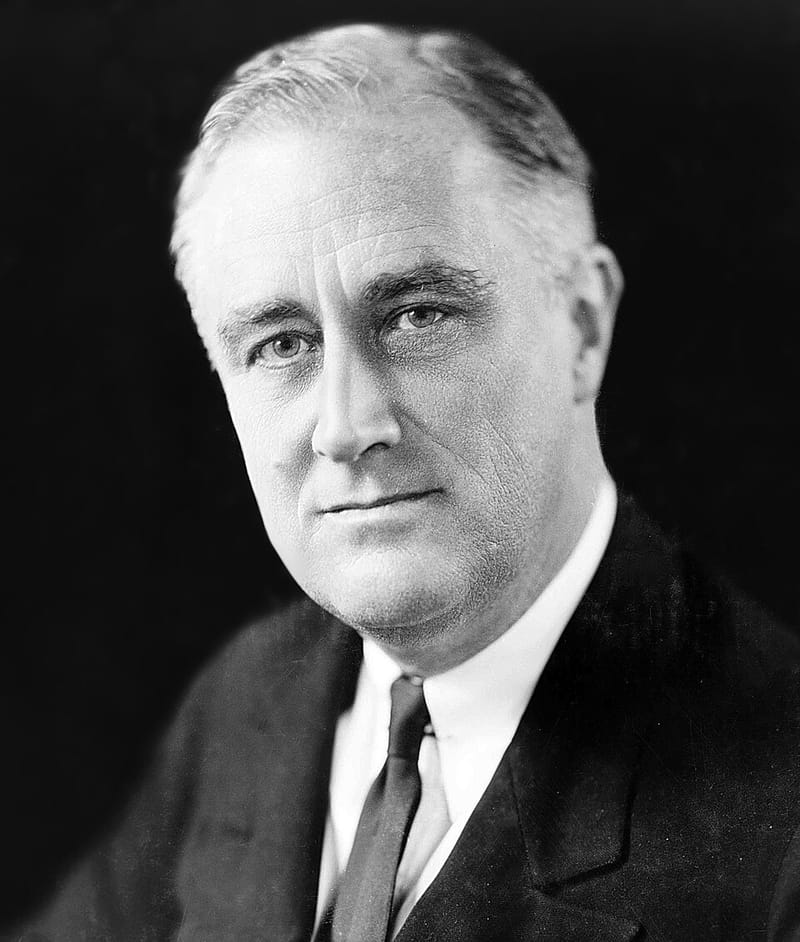
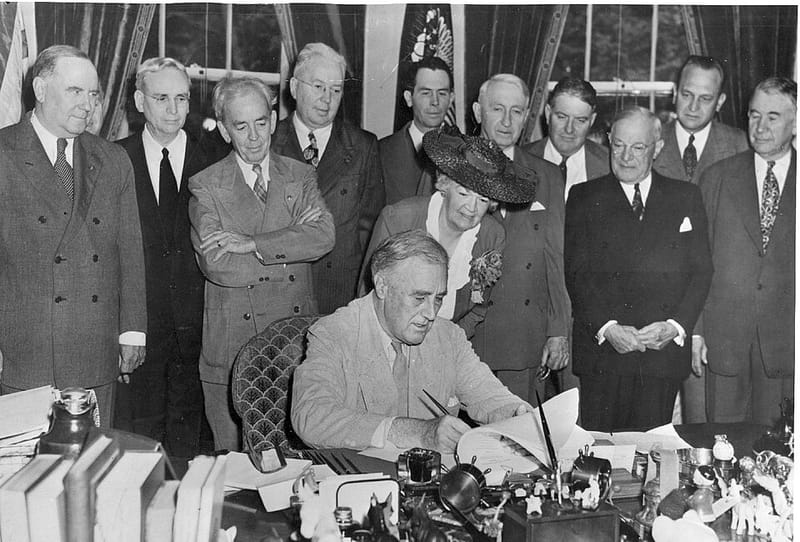
The Allies — chiefly the United States, Britain, the Soviet Union, and China — fought the Axis powers of Germany, Italy, and Japan. Franklin D. Roosevelt, Winston Churchill, and Joseph Stalin, the “Big Three,” coordinated strategy at Tehran (1943) and Yalta (1945).
Millions of Americans served, including about 900,000 African Americans, mostly in segregated units; 33,000 Japanese Americans, many of whose families were incarcerated at home; and more than 350,000 women in the military’s women’s branches and nurse corps.
Political background
Japan seized Manchuria in 1931 and went to war with China in 1937; Germany invaded Poland in September 1939, beginning the war in Europe. Most Americans wanted to stay out, but Roosevelt steered aid to Britain and, through the Lend-Lease Act of March 1941, to the nations fighting Germany and Italy. In the Pacific, the United States cut off oil, steel, and other war materials to Japan to pressure it to withdraw from China. Japan’s leaders, facing shortages and unwilling to retreat, decided to strike.
Major phases
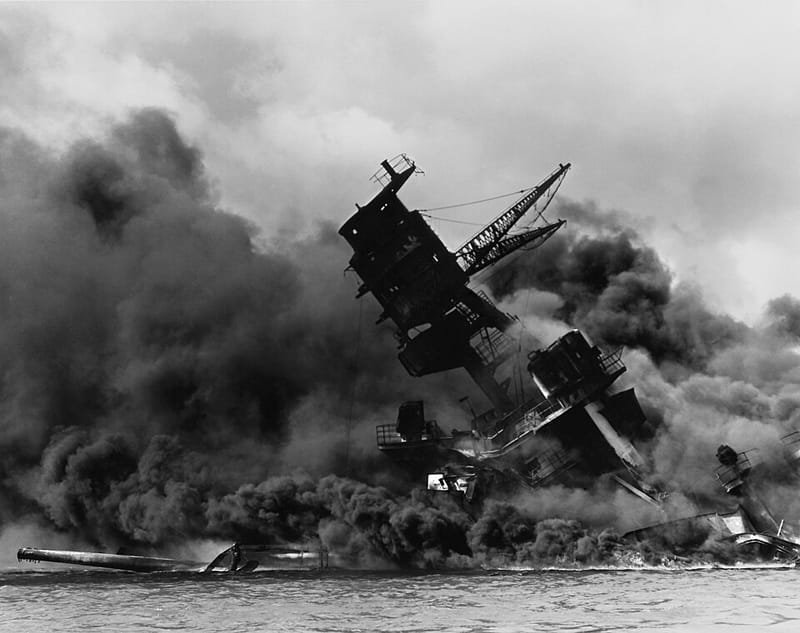
Pearl Harbor and the Pacific defensive (1941–1942). Japan’s surprise attack on Pearl Harbor on December 7, 1941, killed some 2,400 Americans. Japan overran the Philippines, where thousands of captured American and Filipino soldiers died on the Bataan Death March. In mid-1942 American naval victories at the Coral Sea and Midway crippled Japan’s naval offensive.
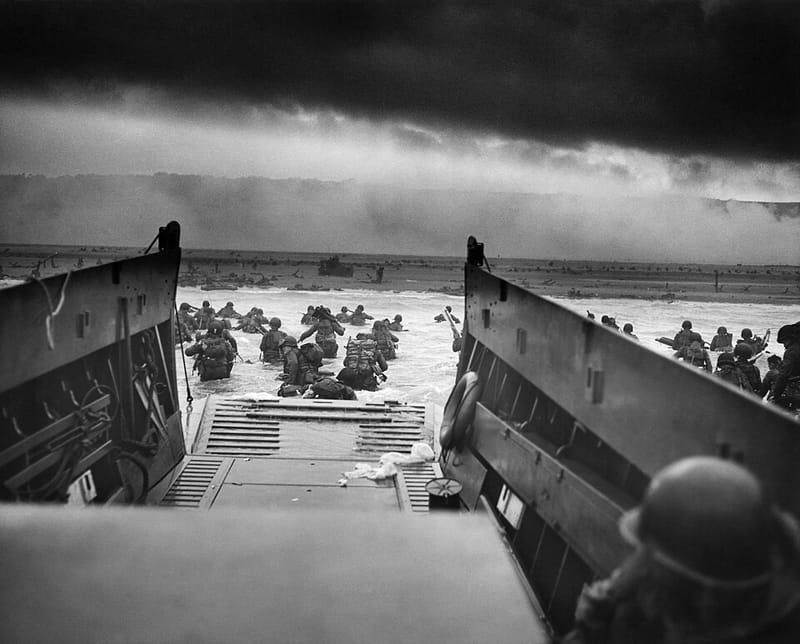
Europe and the Atlantic (1942–1944). Allied convoys and code-breaking won the Battle of the Atlantic against German submarines. American troops landed in North Africa in November 1942, then fought up the Italian peninsula. American and British bombers struck German industry and cities. On D-Day, June 6, 1944, Allied forces landed in Normandy; Paris was liberated about two months later.
Island hopping (1943–1945). In the Pacific, U.S. forces seized island after island, bypassing the strongest Japanese garrisons. Fighting at Guadalcanal, Iwo Jima, and Okinawa was ferocious. In 1945 American bombers firebombed more than sixty Japanese cities; a single raid on Tokyo in March 1945 killed some 100,000 civilians.
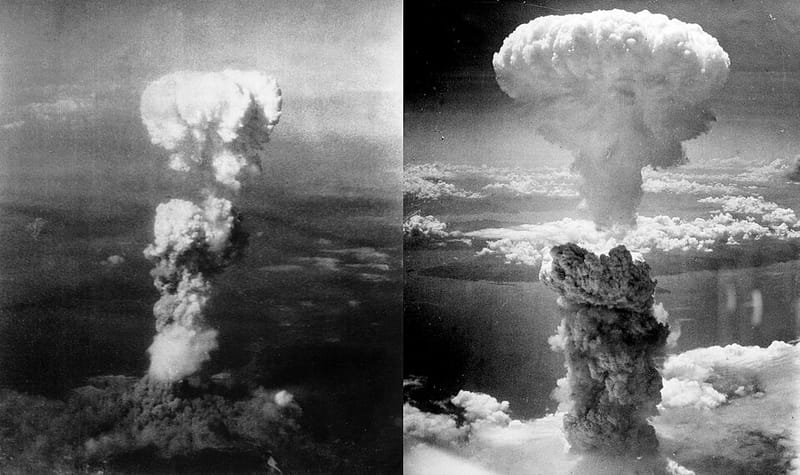
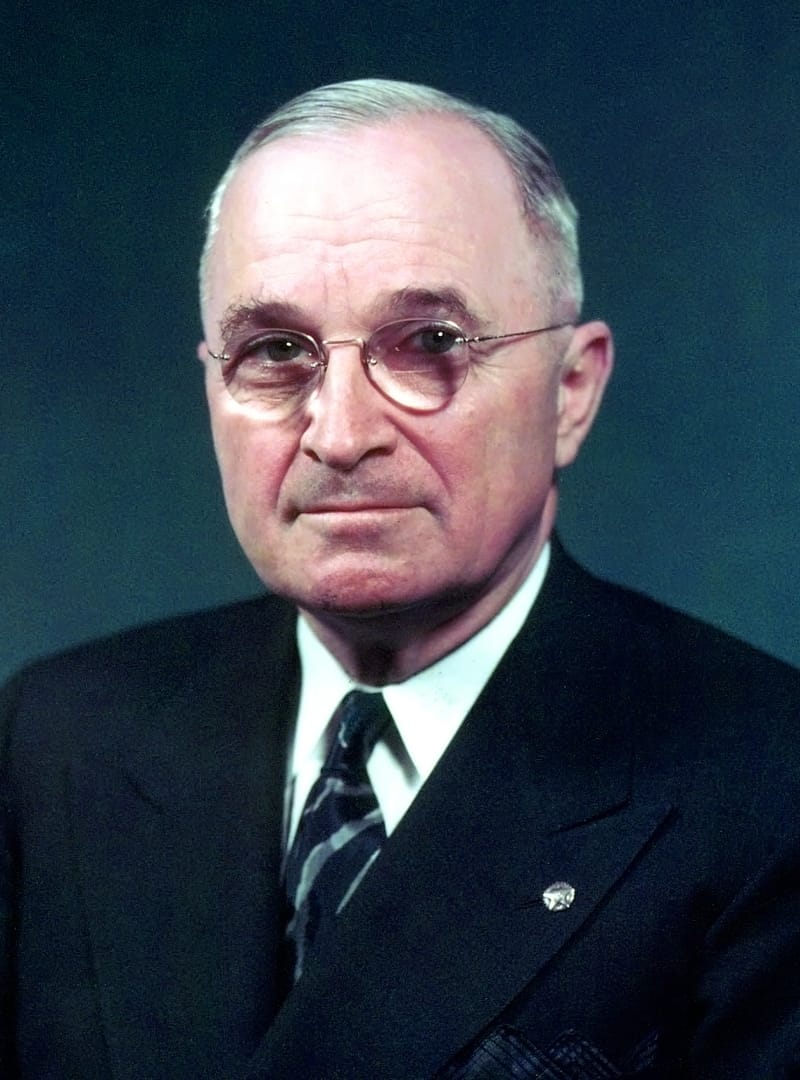
Victory (1945). Soviet forces took Berlin in May 1945, days after Hitler’s suicide, and Germany surrendered. Roosevelt had died on April 12; his successor, Harry S. Truman, approved the use of atomic bombs on Hiroshima (August 6) and Nagasaki (August 9). Japan announced its surrender on August 15 and signed it on September 2, 1945.
Turning points
- Pearl Harbor (December 1941): ended American isolationism overnight.
- Midway (June 1942): stopped Japan’s advance in the Pacific.
- The Battle of the Atlantic: kept supplies flowing from America to Britain and the Soviet Union.
- D-Day (June 1944): opened a second front in western Europe.
- The atomic bombings (August 1945): brought the Pacific war to a sudden end and began the nuclear age.
Outcome
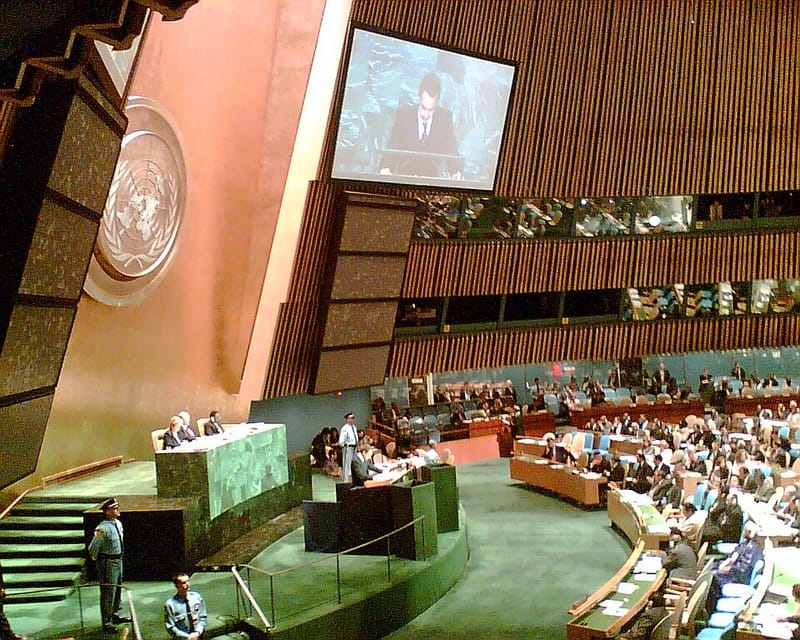
The Allies won. Germany and Japan were occupied, and their leaders were tried for war crimes. As the Allies advanced, they uncovered the full scale of the Holocaust: the Nazi regime had murdered six million Jews and millions of others. The United States helped found the United Nations, but the wartime alliance with the Soviet Union quickly gave way to the Cold War.
Consequences for American society
The war ended the Great Depression. Government spending in four years of war doubled all federal spending in the nation’s history up to that point, unemployment virtually disappeared, and the economy that emerged was larger than ever. Millions of women went to work in factories and offices, symbolized by “Rosie the Riveter,” though most left or lost those jobs when the men returned. The Bracero Program brought Mexican contract workers to American farms and railroads.
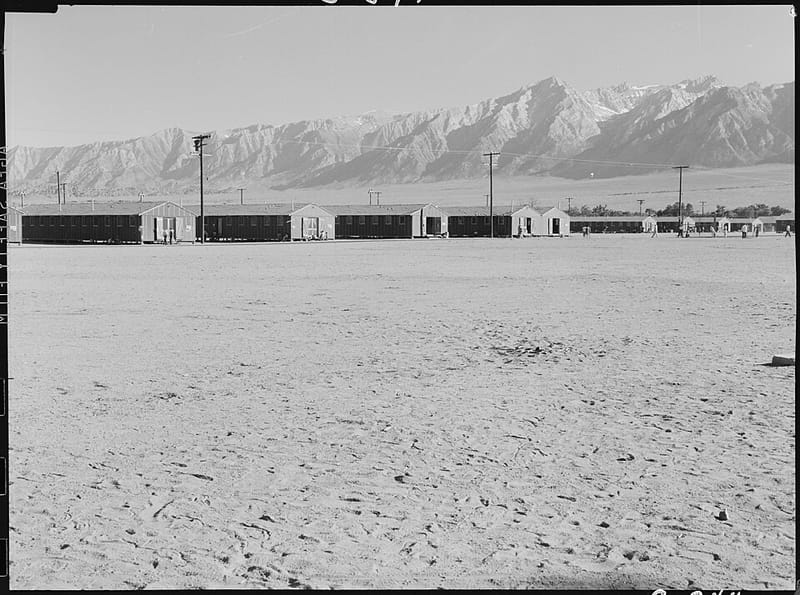
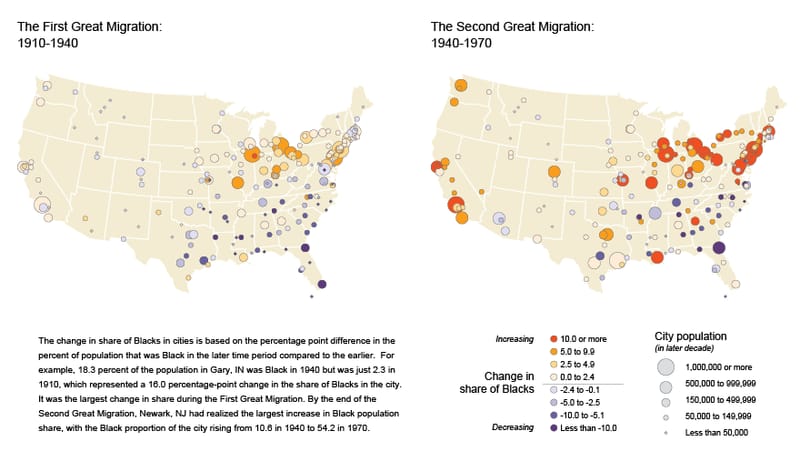
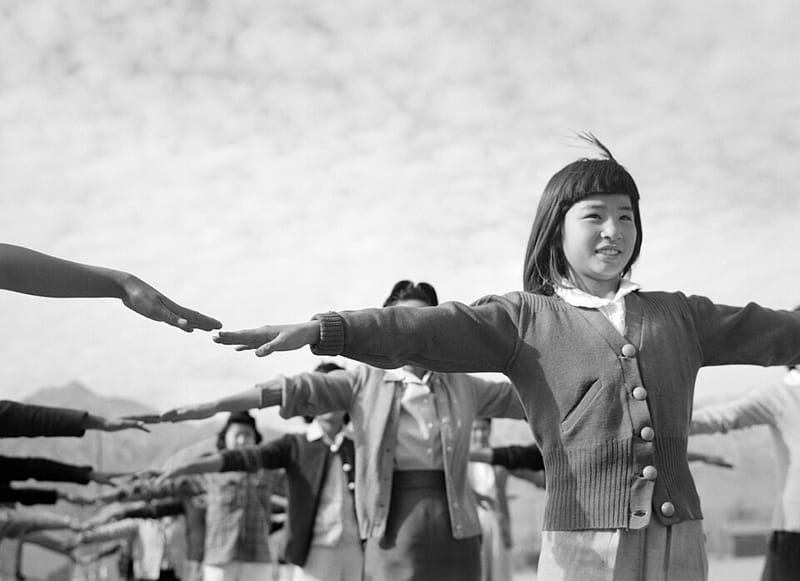
The war also exposed the nation’s contradictions. About 120,000 Japanese Americans were forcibly removed and incarcerated under Executive Order 9066. Black Americans, fighting in a segregated military, launched the “Double V” campaign for victory over fascism abroad and racism at home; NAACP membership grew tenfold, and about 1.5 million Black Southerners moved north and west in the 1940s. The G.I. Bill opened college and home ownership to millions of veterans.
Study this entry
Check your understanding
Try answering in your own words, then open the answer.
1.Why did the war begin?Show answerHide
Japan seized Manchuria in 1931 and went to war with China in 1937; Germany invaded Poland in September 1939, beginning the war in Europe. Most Americans wanted to stay out, but Roosevelt steered aid to Britain and, through the Lend-Lease Act of March 1941, to the nations fighting Germany and Italy.From “Political background” above.
2.What were the turning points?Show answerHide
- Pearl Harbor (December 1941): ended American isolationism overnight. - Midway (June 1942): stopped Japan’s advance in the Pacific. - The Battle of the Atlantic: kept supplies flowing from America to Britain and the Soviet Union. - D-Day (June 1944): opened a second front in western Europe. - The atomic bombings (August 1945): brought the Pacific war to a sudden end and began the nuclear age.From “Turning points” above.
3.How did it end?Show answerHide
The Allies won. Germany and Japan were occupied, and their leaders were tried for war crimes.From “Outcome” above.
4.How did it change American society?Show answerHide
The war ended the Great Depression. Government spending in four years of war doubled all federal spending in the nation’s history up to that point, unemployment virtually disappeared, and the economy that emerged was larger than ever.From “Consequences for American society” above.
Turn this entry into 11 flashcards (key facts, dates, and why it matters) and review them in Learn.
Related History
How this connects to the rest of the atlas.
Events
Wars
People
Institutions

Sources
- 1.The American Yawp, “World War II”
The American Yawp (eds. Joseph Locke and Ben Wright; Stanford University Press) · Scholarly · cited for WWII and the home front
- 2.Japan, China, the United States and the Road to Pearl Harbor, 1937–41
U.S. Department of State, Office of the Historian · Institutional · cited for road to war with Japan, embargo, attack
- 3.Joint Address to Congress Leading to a Declaration of War Against Japan (1941) — Milestone Documents
National Archives · Primary source · cited for attack casualties, the “infamy” speech, declaration of war
- 4.Lend-Lease and Military Aid to the Allies in the Early Years of World War II
U.S. Department of State, Office of the Historian · Institutional · cited for Lend-Lease
- 5.The Yalta Conference, 1945
U.S. Department of State, Office of the Historian · Institutional · cited for Yalta
- 6.The Potsdam Conference, 1945
U.S. Department of State, Office of the Historian · Institutional · cited for Potsdam
- 7.Research Starters: US Military by the Numbers
The National WWII Museum · Institutional · cited for U.S. military strength and casualties
- 8.Research Starters: Worldwide Deaths in World War II
The National WWII Museum · Institutional · cited for deaths by country and worldwide estimates
- 9.The Atomic Bombing of Hiroshima, August 6, 1945
U.S. Department of Energy, Office of History and Heritage Resources (OSTI) · Institutional · cited for Hiroshima: bomb, effects, deaths
- 10.The Atomic Bombing of Nagasaki, August 9, 1945
U.S. Department of Energy, Office of History and Heritage Resources (OSTI) · Institutional · cited for Nagasaki: mission, effects, deaths
- 11.FDR Biography
Franklin D. Roosevelt Presidential Library and Museum (National Archives) · Institutional · cited for dates, career chronology, four terms, death
Image credits
- Mamoru Shigemitsu signs the Instrument of Surrender, officially ending the Second World War, Army Signal Corps photographer LT. Stephen E. Korpanty; restored by Adam Cuerden, 1945-09-02. Via Wikimedia Commons · Public domain · Source
Written for American History Atlas from the sources above. See how entries are researched.
Atlas by Alexander. More on Telegram.