EventWorld War II and the Early Cold War
Attack on Pearl Harbor
Japan’s surprise attack that brought the United States into World War II
December 7, 1941Pearl Harbor, Oahu, Hawaii
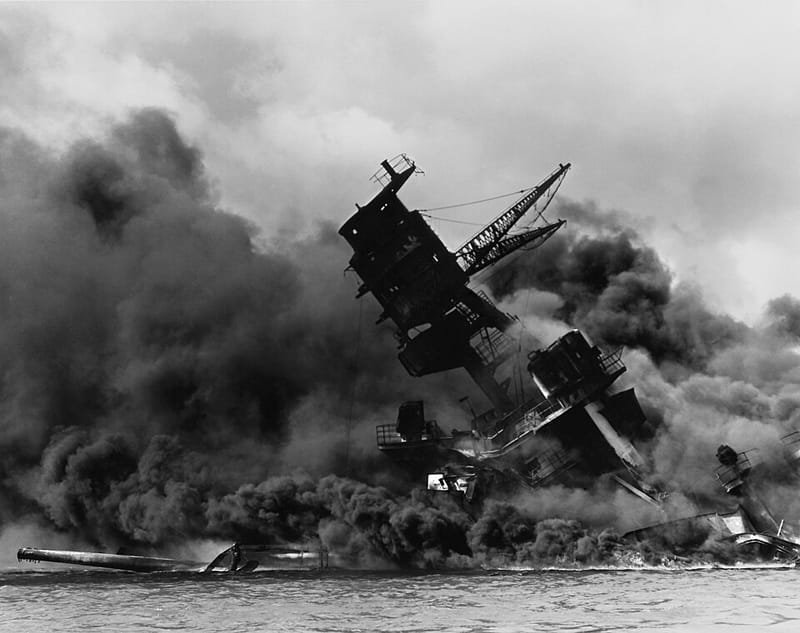
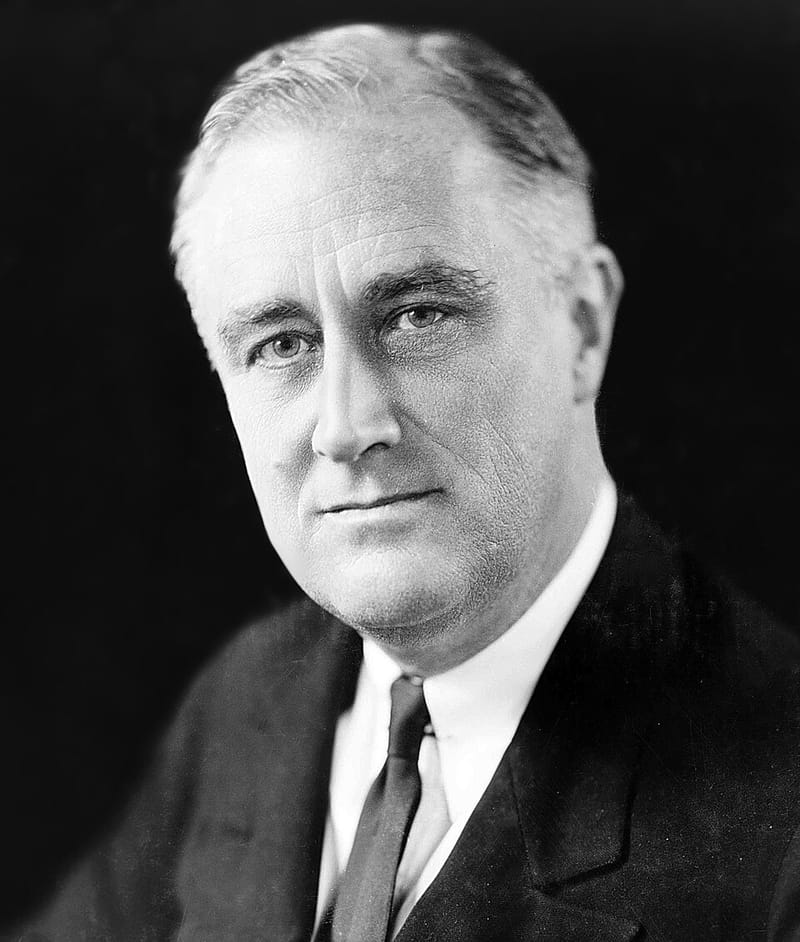
On the morning of December 7, 1941, Japanese planes attacked the U.S. Pacific Fleet at Pearl Harbor, Hawaii. In less than two hours the fleet was devastated and more than 3,500 Americans were killed or wounded — about 2,400 of them killed. The next day President Franklin D. Roosevelt called December 7 “a date which will live in infamy,” and Congress declared war on Japan. The attack ended American isolationism and brought the United States into World War II.
Key facts
- Date
- December 7, 1941
- Location
- Pearl Harbor, Oahu, Hawaii
- Date
- Morning of December 7, 1941
- Casualties
- More than 3,500 Americans killed or wounded; about 2,400 killed
- USS Arizona
- 1,177 crew members killed; the sunken ship is the resting place of more than 900
- Declaration of war
- December 8, 1941; one dissenting vote, Rep. Jeannette Rankin of Montana
- Memorial
- USS Arizona Memorial, dedicated 1962
Why it matters
The attack on Pearl Harbor turned two regional wars into a true world war and committed the United States to global leadership.
Historical background
Through the late 1930s Japan waged a brutal war in China. The United States aided China and gradually cut off the oil, steel, and other materials Japan’s military depended on, while demanding that Japan withdraw from China. Japan joined the Tripartite Pact with Germany and Italy in September 1940 and moved into French Indochina. After the United States imposed a full embargo and froze Japanese assets, negotiations stalled.
Causes and contributing factors
Facing severe shortages, unwilling to leave China, and convinced that American officials opposed further talks, Japan’s leaders decided to strike first. Their planners hoped to destroy enough battleships and aircraft carriers to cripple American naval power while Japan seized resource-rich territories in Southeast Asia. U.S. leaders, still hoping for a settlement and doubting Japan could attack American territory, were caught by surprise.
What happened
Japanese aircraft struck the fleet at anchor. The battleship USS Arizona was sunk with the loss of 1,177 crew members; more than 900 of them remain entombed in the ship. Japan also attacked Hong Kong, the Philippines, and other American and European holdings across the Pacific.
Late that afternoon, Roosevelt dictated his request for a declaration of war, revising the first line from “a date which will live in world history” to “a date which will live in infamy.” He delivered it to a joint session of Congress at 12:30 p.m. on December 8. The Senate voted unanimously for war; in the House, only Jeannette Rankin of Montana voted no. Roosevelt signed the declaration that afternoon.
Immediate consequences
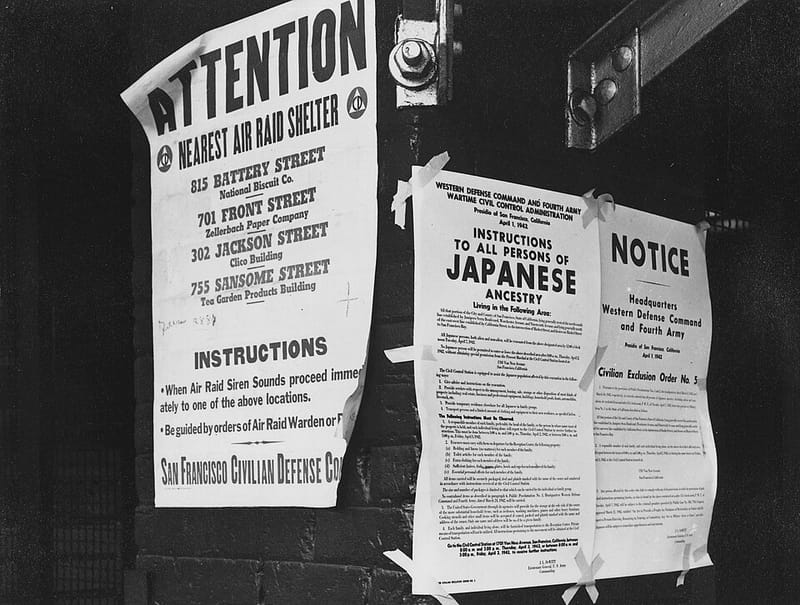
Germany and Italy, Japan’s allies, declared war on the United States on December 11, and within a week the United States was at war with all the Axis powers. The attack united Americans behind a massive mobilization. It also fed fear and suspicion of Japanese Americans that led, ten weeks later, to Executive Order 9066 and their mass incarceration.
Long-term significance
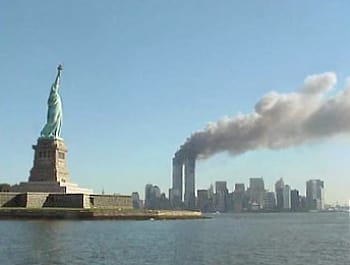
Pearl Harbor became a lasting symbol of national vulnerability and of the dangers of surprise attack, invoked again after the September 11 attacks in 2001. The USS Arizona Memorial, completed in 1961 and dedicated in 1962, honors all the military personnel killed in the attack.
Study this entry
Check your understanding
Try answering in your own words, then open the answer.
1.What led to Attack on Pearl Harbor?Show answerHide
Facing severe shortages, unwilling to leave China, and convinced that American officials opposed further talks, Japan’s leaders decided to strike first. Their planners hoped to destroy enough battleships and aircraft carriers to cripple American naval power while Japan seized resource-rich territories in Southeast Asia.From “Causes and contributing factors” above.
2.What happened?Show answerHide
Japanese aircraft struck the fleet at anchor. The battleship USS Arizona was sunk with the loss of 1,177 crew members; more than 900 of them remain entombed in the ship.From “What happened” above.
3.What were the immediate consequences?Show answerHide
Germany and Italy, Japan’s allies, declared war on the United States on December 11, and within a week the United States was at war with all the Axis powers. The attack united Americans behind a massive mobilization.From “Immediate consequences” above.
4.Why does it still matter?Show answerHide
Pearl Harbor became a lasting symbol of national vulnerability and of the dangers of surprise attack, invoked again after the September 11 attacks in 2001. The USS Arizona Memorial, completed in 1961 and dedicated in 1962, honors all the military personnel killed in the attack.From “Long-term significance” above.
Turn this entry into 10 flashcards (key facts, dates, and why it matters) and review them in Learn.
Related History
How this connects to the rest of the atlas.
Events
People
_burning_after_the_Japanese_attack_on_Pearl_Harbor_-_NARA_195617_-_Edit.jpg)
Sources
- 1.Joint Address to Congress Leading to a Declaration of War Against Japan (1941) — Milestone Documents
National Archives · Primary source · cited for attack casualties, the “infamy” speech, declaration of war
- 2.Japan, China, the United States and the Road to Pearl Harbor, 1937–41
U.S. Department of State, Office of the Historian · Institutional · cited for road to war with Japan, embargo, attack
- 3.USS Arizona
National Park Service, Pearl Harbor National Memorial · Institutional · cited for Arizona crew losses and memorial
- 4.The American Yawp, “World War II”
The American Yawp (eds. Joseph Locke and Ben Wright; Stanford University Press) · Scholarly · cited for WWII and the home front
- 5.FDR Biography
Franklin D. Roosevelt Presidential Library and Museum (National Archives) · Institutional · cited for dates, career chronology, four terms, death
Image credits
- The USS Arizona (BB-39) burning after the Japanese attack on Pearl Harbor - NARA 195617 - Edit, Photographer: Unknown Unknown Retouched by: Mmxx, 1941-12-07. Via Wikimedia Commons · Public domain · Source
Written for American History Atlas from the sources above. See how entries are researched.
Atlas by Alexander. More on Telegram.