DocumentWorld War II and the Early Cold War
Executive Order 9066
The 1942 order that led to the incarceration of Japanese Americans
February 19, 1942
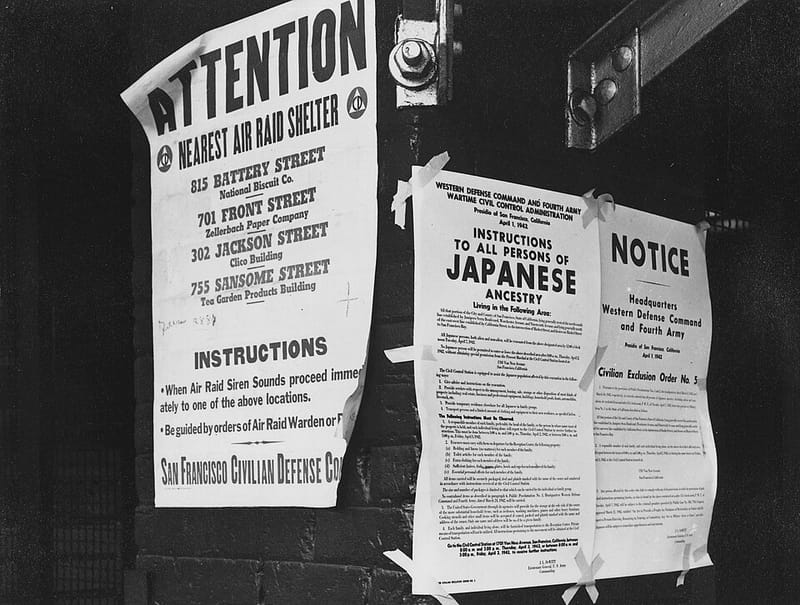
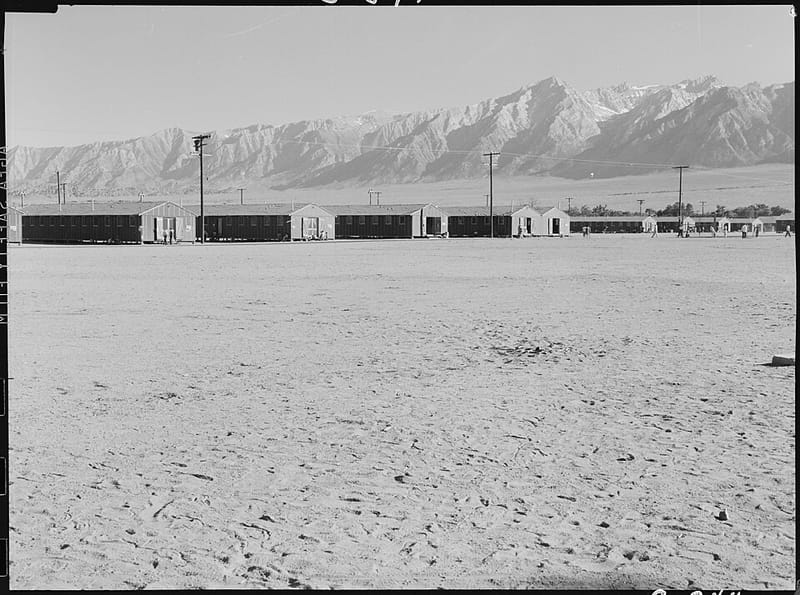
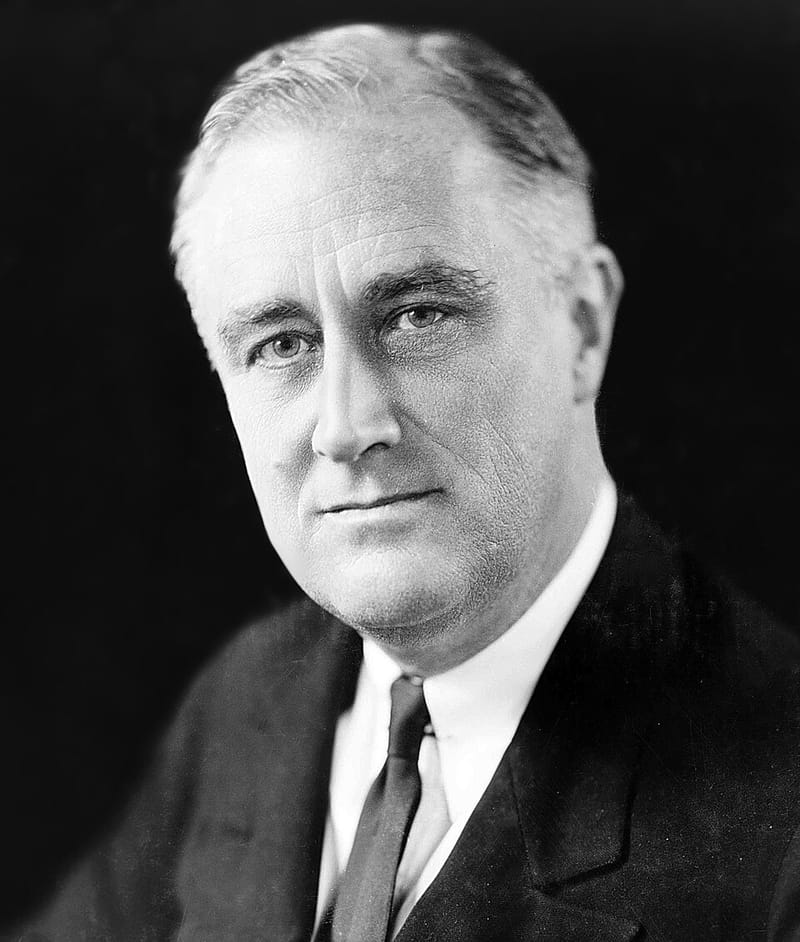
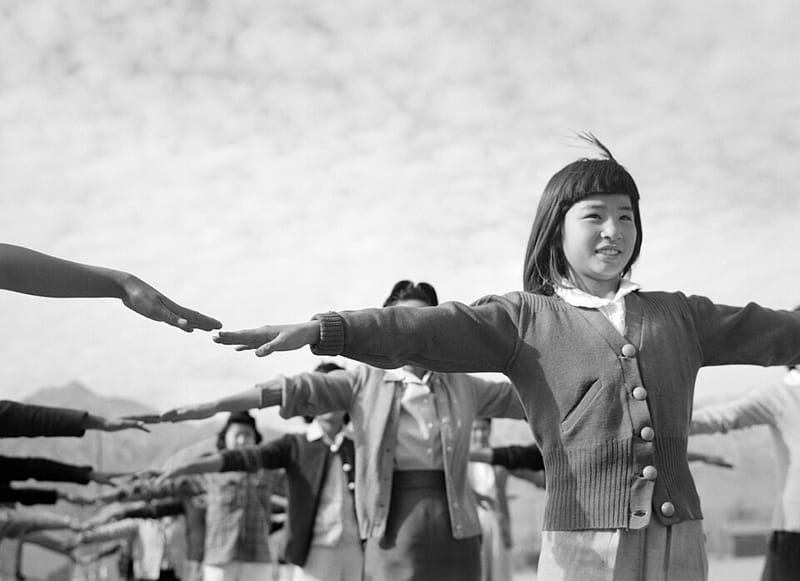
Signed by President Franklin D. Roosevelt on February 19, 1942, ten weeks after Pearl Harbor, Executive Order 9066 authorized the Secretary of War and military commanders to designate “military areas” and exclude anyone from them. The order named no ethnic group, but it was used to remove about 120,000 people of Japanese ancestry from the West Coast — most of them U.S. citizens — and confine them in camps for the rest of the war.
Key facts
- Date
- February 19, 1942
- Author
- Franklin D. Roosevelt
- Signed
- February 19, 1942
- Authority
- Allowed military commanders to prescribe military areas and exclude any person from them
- Enforced by
- Public Law 503 (March 21, 1942), making violations a federal misdemeanor
- Result
- About 120,000 people of Japanese ancestry removed and incarcerated
Read the order at the National Archives
Why it matters
Executive Order 9066 showed how a president’s wartime powers could be used against a group of Americans defined by ancestry. Its consequences were later condemned by a federal commission, by the courts that reopened the cases, and by Congress in the Civil Liberties Act of 1988.
Historical circumstances
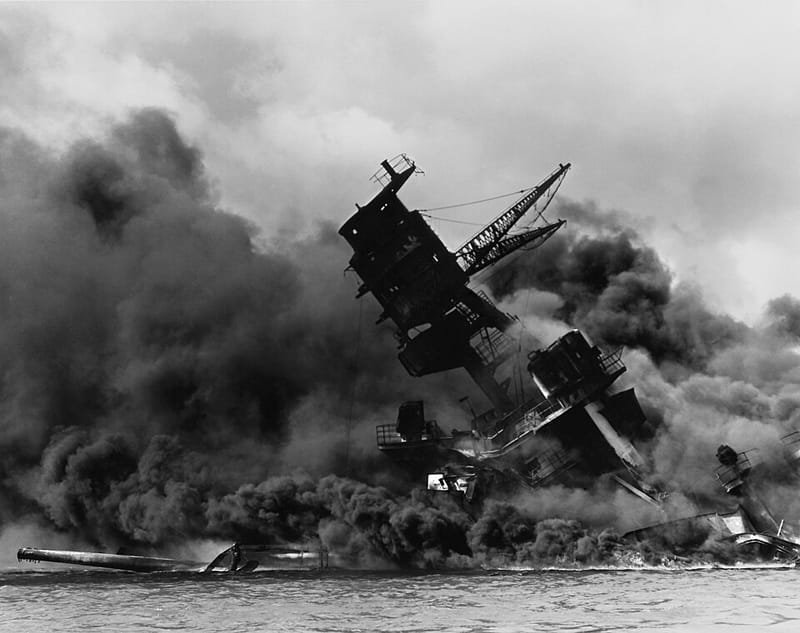
After Japan’s attack on Pearl Harbor, fear of espionage and sabotage swept the West Coast, intensified by long-standing anti-Asian racism and economic rivalry. Political pressure grew to remove Japanese Americans, both immigrants and citizens. Justice Department officials objected on constitutional and ethical grounds, so the task was given to the Army.
Principal ideas
The order justified itself by “the successful prosecution of the war,” which it said “requires every possible protection against espionage and against sabotage.” It delegated broad power to the military to decide who could live where, without hearings or charges. General John L. DeWitt used it to impose curfews and then forced removal of everyone of Japanese ancestry from the coastal zone, whether citizen or not.
Study this entry
Check your understanding
Try answering in your own words, then open the answer.
1.Why was this document written?Show answerHide
After Japan’s attack on Pearl Harbor, fear of espionage and sabotage swept the West Coast, intensified by long-standing anti-Asian racism and economic rivalry. Political pressure grew to remove Japanese Americans, both immigrants and citizens.From “Historical circumstances” above.
2.What are its principal ideas?Show answerHide
The order justified itself by “the successful prosecution of the war,” which it said “requires every possible protection against espionage and against sabotage.” It delegated broad power to the military to decide who could live where, without hearings or charges.From “Principal ideas” above.
Turn this entry into 9 flashcards (key facts, dates, and why it matters) and review them in Learn.
Related History
How this connects to the rest of the atlas.
Events

Sources
- 1.Executive Order 9066: Resulting in Japanese-American Incarceration (1942) — Milestone Documents
National Archives · Primary source · cited for order, removal, camps, numbers, redress
- 2.Facts and Case Summary — Korematsu v. U.S.
Administrative Office of the U.S. Courts · Institutional · cited for Korematsu’s story, decision date, 1983 coram nobis
- 3.Civil Liberties Act of 1988
Densho Encyclopedia · Scholarly · cited for redress legislation
Image credits
- Exclusion orders posted in San Francisco, Dorothea Lange, 11 April 1942. Via Wikimedia Commons · Public domain · Source
Written for American History Atlas from the sources above. See how entries are researched.
Atlas by Alexander. More on Telegram.