EventWorld War II and the Early Cold War
Japanese American Incarceration
The forced removal and imprisonment of Japanese Americans during World War II
February 19, 1942West Coast exclusion zones; ten War Relocation Centers in California, Arizona, Utah, Idaho, Wyoming, Colorado, and Arkansas
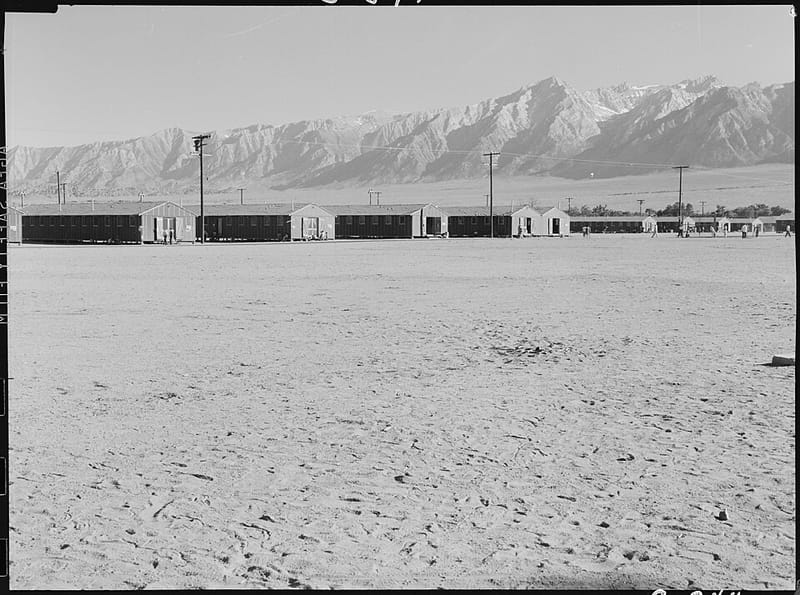
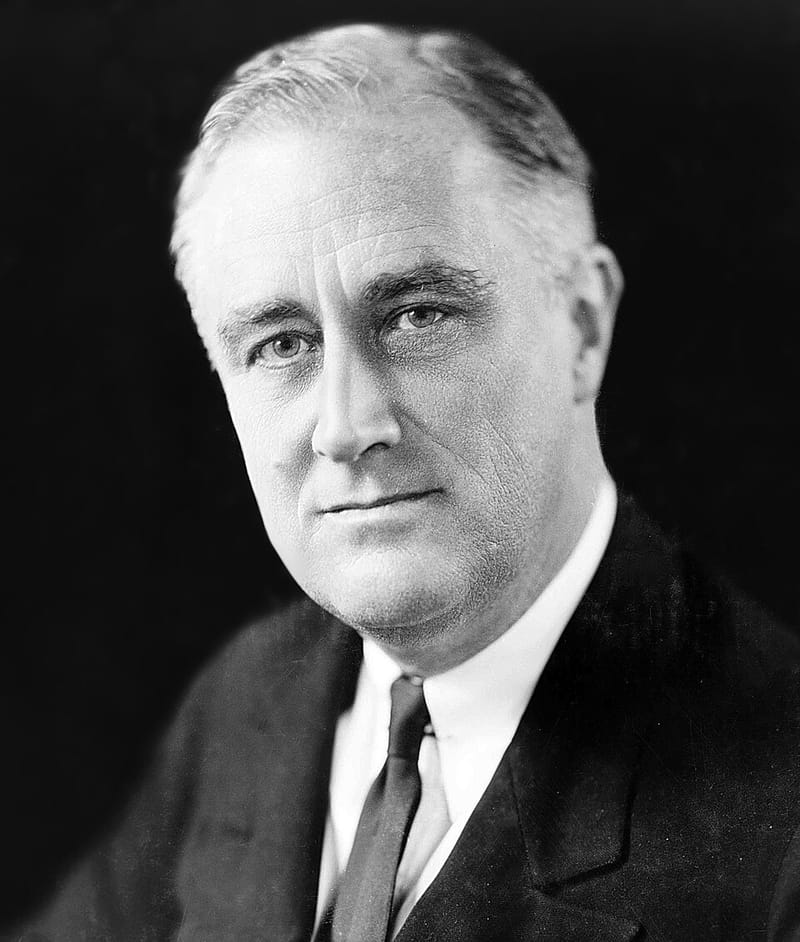
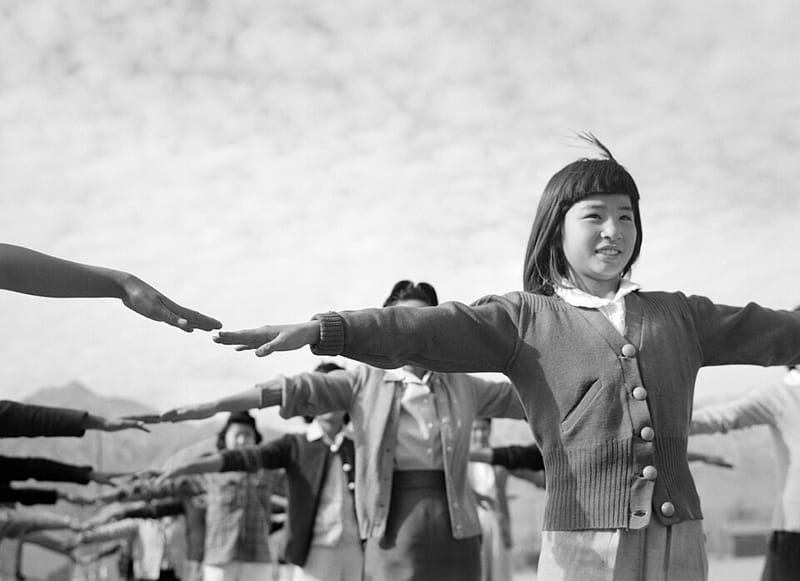
After Japan attacked Pearl Harbor, the U.S. government forcibly removed about 120,000 people of Japanese ancestry from the West Coast and confined them in remote, guarded camps. Nearly 70,000 were American citizens. None was charged with a crime, and none could appeal. Authorized by President Franklin D. Roosevelt’s Executive Order 9066 and upheld by the Supreme Court in Korematsu v. United States, the incarceration was later found by a federal commission to have been caused by “race prejudice, war hysteria, and a failure of political leadership.” In 1988 Congress apologized and paid reparations to survivors.
Key facts
- Date
- February 19, 1942
- Location
- West Coast exclusion zones; ten War Relocation Centers in California, Arizona, Utah, Idaho, Wyoming, Colorado, and Arkansas
- Dating note
- Beginning with Executive Order 9066, February 19, 1942.
- Authorized by
- Executive Order 9066, February 19, 1942
- People removed
- About 120,000; nearly 70,000 were U.S. citizens
- Camps
- Ten War Relocation Centers, plus temporary “assembly centers” and Justice Department camps
- Estimated losses
- $1.3 billion in property and $2.7 billion in income (1983 dollars)
- Redress
- Civil Liberties Act of 1988: an apology and $20,000 to each surviving incarceree
Why it matters
The incarceration of Japanese Americans is one of the gravest violations of civil liberties in American history and a lasting warning about how fear and racism can override constitutional rights.
Historical background
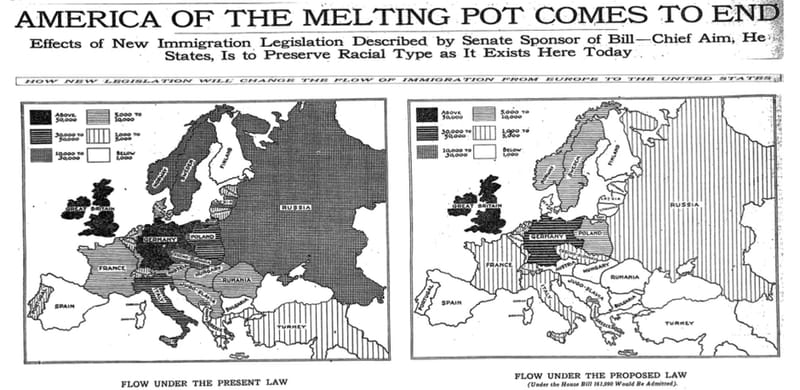
About 275,000 Japanese immigrants came to Hawaii and the mainland between 1861 and 1940, most between 1898 and 1924, when immigration from Asia was ended. Barred from naturalizing, Japanese immigrants (issei) faced laws that kept them from owning land in California, but they built farms, fishing businesses, and shops; their American-born children (nisei) were citizens by birth. Long-standing anti-Asian racism and economic competition shaped how white neighbors saw them.
Causes and contributing factors
Pearl Harbor set off fear of sabotage and invasion on the West Coast. Lobbyists for competing economic interests and nativist groups pressed Congress and the president to remove all people of Japanese descent. Justice Department officials raised constitutional and ethical objections, so the Army carried out the program instead. Unlike German and Italian nationals, who were detained only after individual hearings, Japanese Americans were removed as a group, without individual review.
What happened
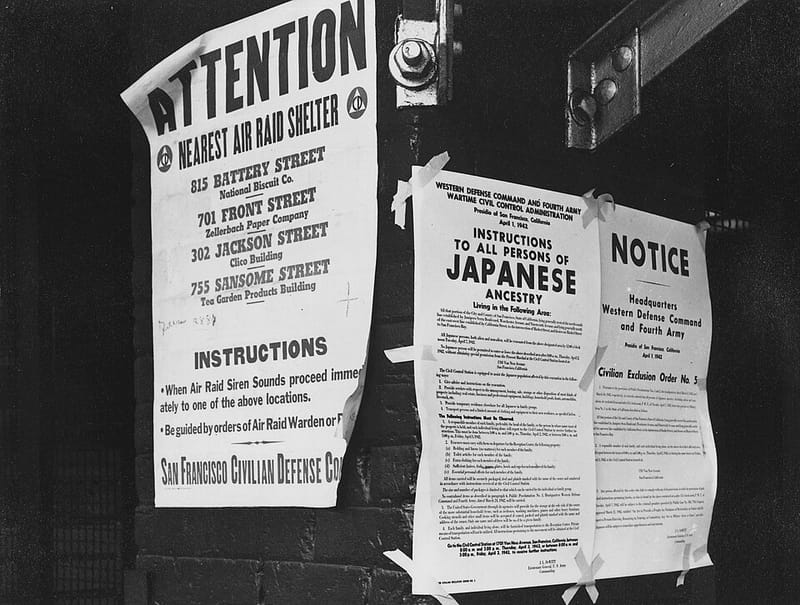
Executive Order 9066 let military commanders exclude civilians from designated military areas. Although it named no ethnic group, General John L. DeWitt applied curfews and exclusion orders only to Japanese Americans. In March 1942 Congress made violating the orders a crime, and DeWitt’s Public Proclamation No. 4 began forced removal on 48 hours’ notice.
Over the next six months, families were sent first to temporary “assembly centers,” then to ten isolated, fenced, and guarded War Relocation Centers: Manzanar and Tule Lake in California, Poston and Gila River in Arizona, Topaz in Utah, Minidoka in Idaho, Heart Mountain in Wyoming, Granada in Colorado, and Jerome and Rohwer in Arkansas. Families had to sell homes, farms, and businesses at a loss. More than 30,000 Japanese Americans nevertheless served in the U.S. military, in segregated units.
Immediate consequences
Several Japanese Americans challenged the orders in court. In Hirabayashi v. United States (1943) and Korematsu v. United States (1944), the Supreme Court upheld them as wartime military necessity. The camps closed after the war, but many families had lost everything. The Japanese American Evacuation Claims Act of 1948 provided only token payments for some property losses.
Long-term significance
In the 1980s the congressionally created Commission on Wartime Relocation and Internment of Civilians concluded in Personal Justice Denied that the incarceration had been caused by “race prejudice, war hysteria, and a failure of political leadership.” In 1983 a federal court overturned Fred Korematsu’s conviction after lawyers showed that the government had suppressed evidence. The Civil Liberties Act of 1988, signed by President Ronald Reagan, formally apologized and provided $20,000 to each surviving incarceree.
Study this entry
Check your understanding
Try answering in your own words, then open the answer.
1.What led to Japanese American Incarceration?Show answerHide
Pearl Harbor set off fear of sabotage and invasion on the West Coast. Lobbyists for competing economic interests and nativist groups pressed Congress and the president to remove all people of Japanese descent.From “Causes and contributing factors” above.
2.What happened?Show answerHide
Executive Order 9066 let military commanders exclude civilians from designated military areas. Although it named no ethnic group, General John L. DeWitt applied curfews and exclusion orders only to Japanese Americans.From “What happened” above.
3.What were the immediate consequences?Show answerHide
Several Japanese Americans challenged the orders in court. In Hirabayashi v. United States (1943) and Korematsu v. United States (1944), the Supreme Court upheld them as wartime military necessity.From “Immediate consequences” above.
4.Why does it still matter?Show answerHide
In the 1980s the congressionally created Commission on Wartime Relocation and Internment of Civilians concluded in Personal Justice Denied that the incarceration had been caused by “race prejudice, war hysteria, and a failure of political leadership.”From “Long-term significance” above.
Turn this entry into 10 flashcards (key facts, dates, and why it matters) and review them in Learn.
Related History
How this connects to the rest of the atlas.
Events
Documents

Sources
- 1.Executive Order 9066: Resulting in Japanese-American Incarceration (1942) — Milestone Documents
National Archives · Primary source · cited for order, removal, camps, numbers, redress
- 2.Facts and Case Summary — Korematsu v. U.S.
Administrative Office of the U.S. Courts · Institutional · cited for Korematsu’s story, decision date, 1983 coram nobis
- 3.Korematsu v. United States (Shiho Imai)
Densho Encyclopedia · Scholarly · cited for dissents, coram nobis, legacy
- 4.Civil Liberties Act of 1988
Densho Encyclopedia · Scholarly · cited for redress legislation
- 5.The American Yawp, “World War II”
The American Yawp (eds. Joseph Locke and Ben Wright; Stanford University Press) · Scholarly · cited for WWII and the home front
- 6.Places — Manzanar National Historic Site
National Park Service · Institutional · cited for ten War Relocation Centers
Image credits
- Manzanar Relocation Center, Manzanar, California. View of barracks at this War Relocation Authority . . ., Dorothea Lange, 30 June 1942. Via Wikimedia Commons · Public domain · Source
Written for American History Atlas from the sources above. See how entries are researched.
Atlas by Alexander. More on Telegram.