WarWorld War II and the Early Cold War
Korean War
The first major armed conflict of the Cold War, 1950–1953
June 25, 1950 – July 27, 1953Korean Peninsula
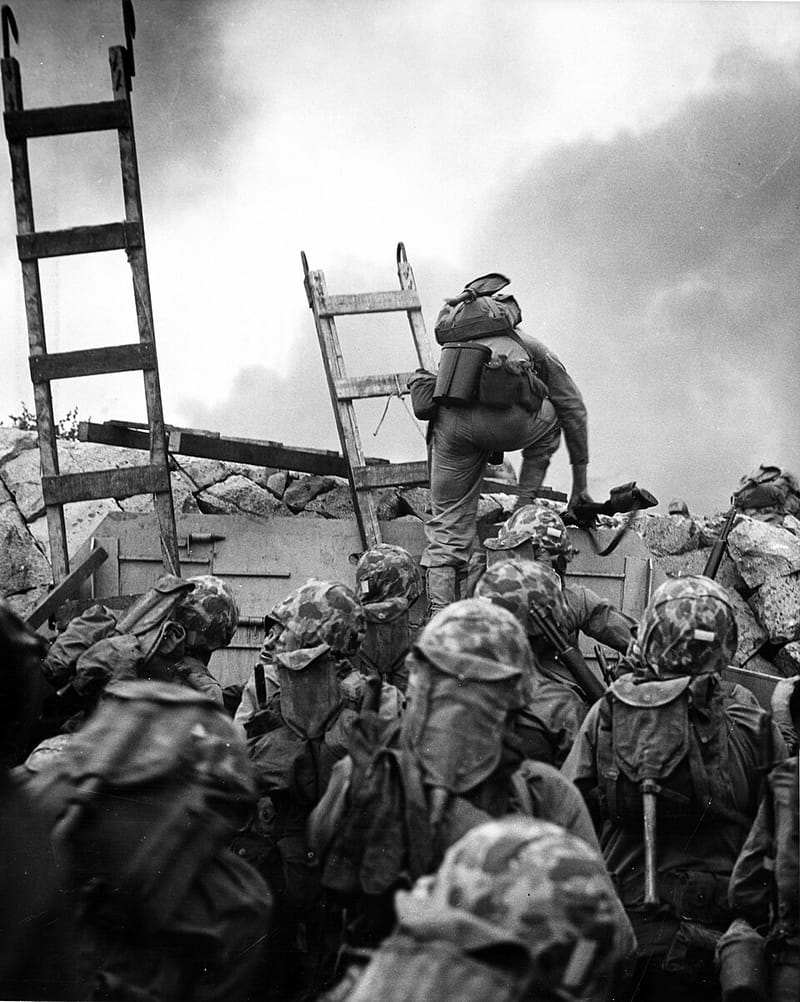
On June 25, 1950, communist North Korea invaded South Korea. Under a United Nations mandate, the United States led a multinational force to defend the South. After dramatic swings — a near-collapse, the landing at Inchon, a drive to the Chinese border, and a massive Chinese intervention — the war settled into a bloody stalemate near the 38th parallel. An armistice in July 1953 ended the fighting but left Korea divided. More than 30,000 Americans and millions of Koreans died.
Key facts
- Date
- June 25, 1950 – July 27, 1953
- Location
- Korean Peninsula
- Dating note
- North Korea invaded on June 25, 1950; an armistice was signed July 27, 1953.
- Dates
- June 25, 1950 – July 27, 1953 (armistice)
- Sides
- South Korea, the United States, and UN forces vs. North Korea and China, backed by the Soviet Union
- U.S. commander
- General Douglas MacArthur, until President Truman dismissed him in April 1951
- U.S. deaths
- More than 30,000
- Result
- Armistice near the 38th parallel; Korea remains divided
Why it matters
Korea was the first “hot” war of the Cold War — a limited war fought to contain communism without triggering a wider conflict with the Soviet Union or China.
Who fought
South Korea (the Republic of Korea), led by Syngman Rhee, fought with the United States and forces from other UN member states. North Korea (the Democratic People’s Republic of Korea), led by Kim Il Sung, was joined in late 1950 by hundreds of thousands of Chinese troops and backed by the Soviet Union.
Political background
At the end of World War II, the United States and the Soviet Union divided Korea at the 38th parallel to accept the surrender of Japanese forces. The Soviets backed a communist government in the North; the United States backed Rhee in the South. Each government claimed the whole peninsula, and armed clashes were frequent. American troops withdrew from the South in the late 1940s, and U.S. officials did not count Korea as vital to their defense strategy. In the spring of 1950 Stalin reluctantly endorsed Kim Il Sung’s plan to unify Korea by force.
Major phases
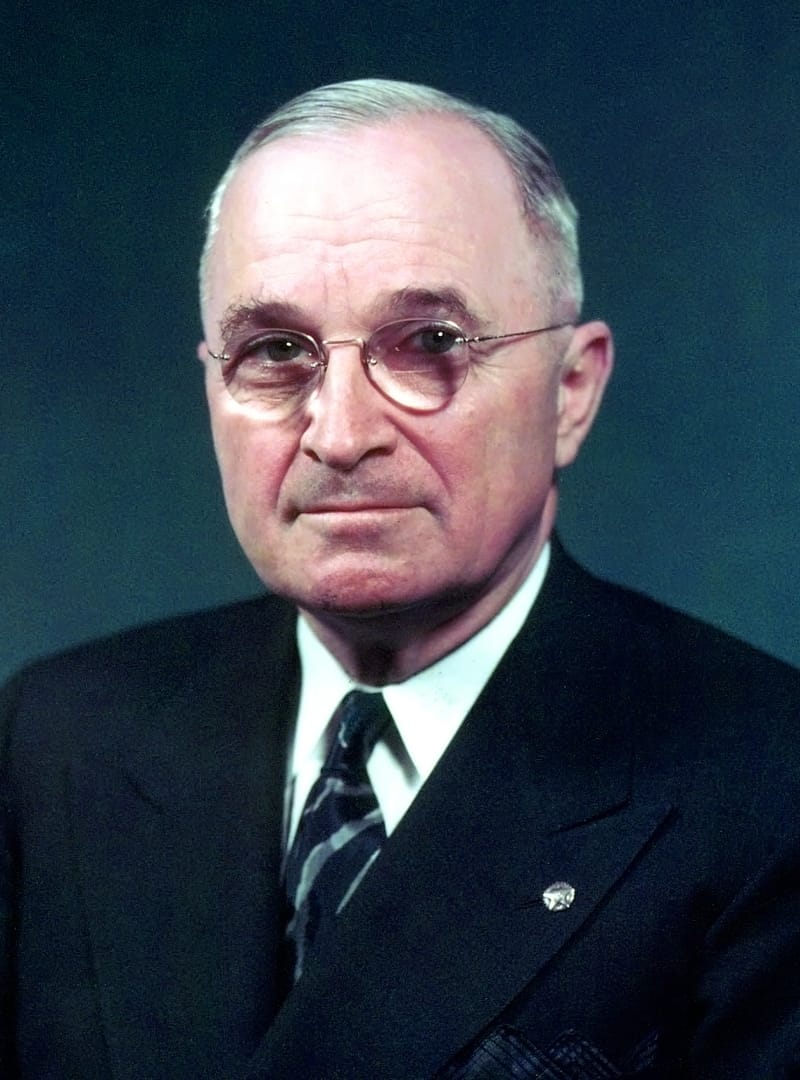
Invasion (June–September 1950). North Korea’s surprise attack captured Seoul on June 28 and nearly overran the peninsula. The UN called on members to help South Korea, and President Harry S. Truman committed American forces under General Douglas MacArthur.
Inchon and the drive north (September–November 1950). UN troops landed at Inchon, near Seoul, and retook the capital on September 28. They crossed the 38th parallel on October 1 and on October 26 reached the Yalu River, Korea’s border with China.
Chinese intervention (November 1950–1951). About 300,000 Chinese troops struck the UN forces and drove them back across the 38th parallel; Seoul fell again in January 1951. The UN forces regrouped, and the war became a stalemate. MacArthur sought authorization to use nuclear weapons against North Korea and China and publicly denounced Truman when refused; Truman dismissed him in April 1951.
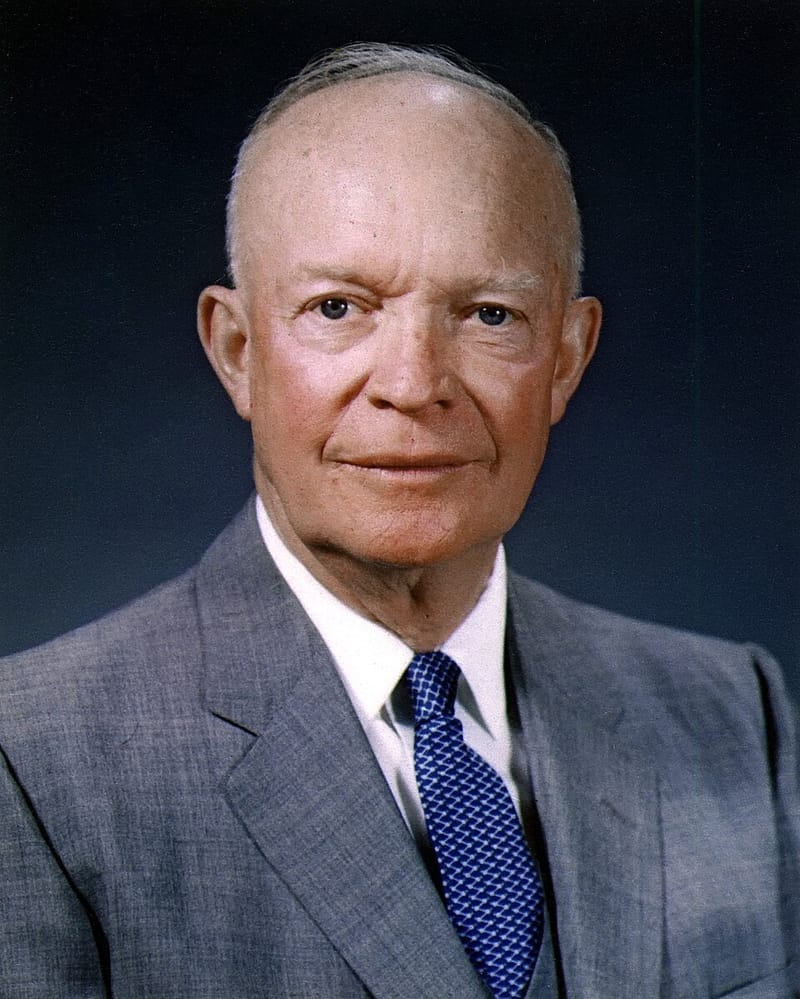
Stalemate and armistice (1951–1953). Cease-fire talks began in mid-1951 and dragged on for two years amid continued fighting. After Dwight D. Eisenhower’s election and Stalin’s death in March 1953, an armistice was signed on July 27, 1953.
Turning points
- The Inchon landing (September 1950): reversed the North Korean invasion.
- Chinese entry (late 1950): turned a near-victory into a long, bloody stalemate.
- MacArthur’s dismissal (April 1951): affirmed civilian control of the military and the decision to keep the war limited.
Outcome
The armistice left an uneasy truce near the 38th parallel, crystallizing a division between North and South that persists today. In 1953 the United States signed a mutual security treaty with South Korea.
Consequences for American society
The Korean War globalized the Cold War and spurred a massive American military buildup that began the nuclear arms race in earnest. It made South Korea and Japan key American allies. At home, the stalemated war contributed to Truman’s unpopularity. Because it ended without clear victory so soon after World War II, many Americans came to call it “the forgotten war.”
Study this entry
Check your understanding
Try answering in your own words, then open the answer.
1.Why did the war begin?Show answerHide
At the end of World War II, the United States and the Soviet Union divided Korea at the 38th parallel to accept the surrender of Japanese forces. The Soviets backed a communist government in the North; the United States backed Rhee in the South.From “Political background” above.
2.What were the turning points?Show answerHide
- The Inchon landing (September 1950): reversed the North Korean invasion. - Chinese entry (late 1950): turned a near-victory into a long, bloody stalemate. - MacArthur’s dismissal (April 1951): affirmed civilian control of the military and the decision to keep the war limited.From “Turning points” above.
3.How did it end?Show answerHide
The armistice left an uneasy truce near the 38th parallel, crystallizing a division between North and South that persists today. In 1953 the United States signed a mutual security treaty with South Korea.From “Outcome” above.
4.How did it change American society?Show answerHide
The Korean War globalized the Cold War and spurred a massive American military buildup that began the nuclear arms race in earnest. It made South Korea and Japan key American allies.From “Consequences for American society” above.
Turn this entry into 11 flashcards (key facts, dates, and why it matters) and review them in Learn.
Related History
How this connects to the rest of the atlas.
Events
Wars
People

Sources
- 1.The American Yawp, “The Cold War”
The American Yawp (eds. Joseph Locke and Ben Wright; Stanford University Press) · Scholarly · cited for containment, Marshall Plan, Berlin, NATO, NSC-68, Korea, McCarthyism, arms race
- 2.Korean War and Japan’s Recovery
U.S. Department of State, Office of the Historian · Institutional · cited for Korean War, division of Korea, alliances
- 3.Harry S. Truman: Life in Brief
Miller Center, University of Virginia (Alonzo L. Hamby) · Scholarly · cited for life and presidency
- 4.Harry S. Truman: Impact and Legacy
Miller Center, University of Virginia · Scholarly · cited for legacy and criticism
Image credits
- Lopez scaling seawall, Unknown Marine, Taken on 15 September 1950. Via Wikimedia Commons · Public domain · Source
Written for American History Atlas from the sources above. See how entries are researched.
Atlas by Alexander. More on Telegram.