EventCivil War and Reconstruction
Juneteenth
June 19, 1865: freedom announced in Texas — now a national holiday
June 19, 1865Galveston, Texas
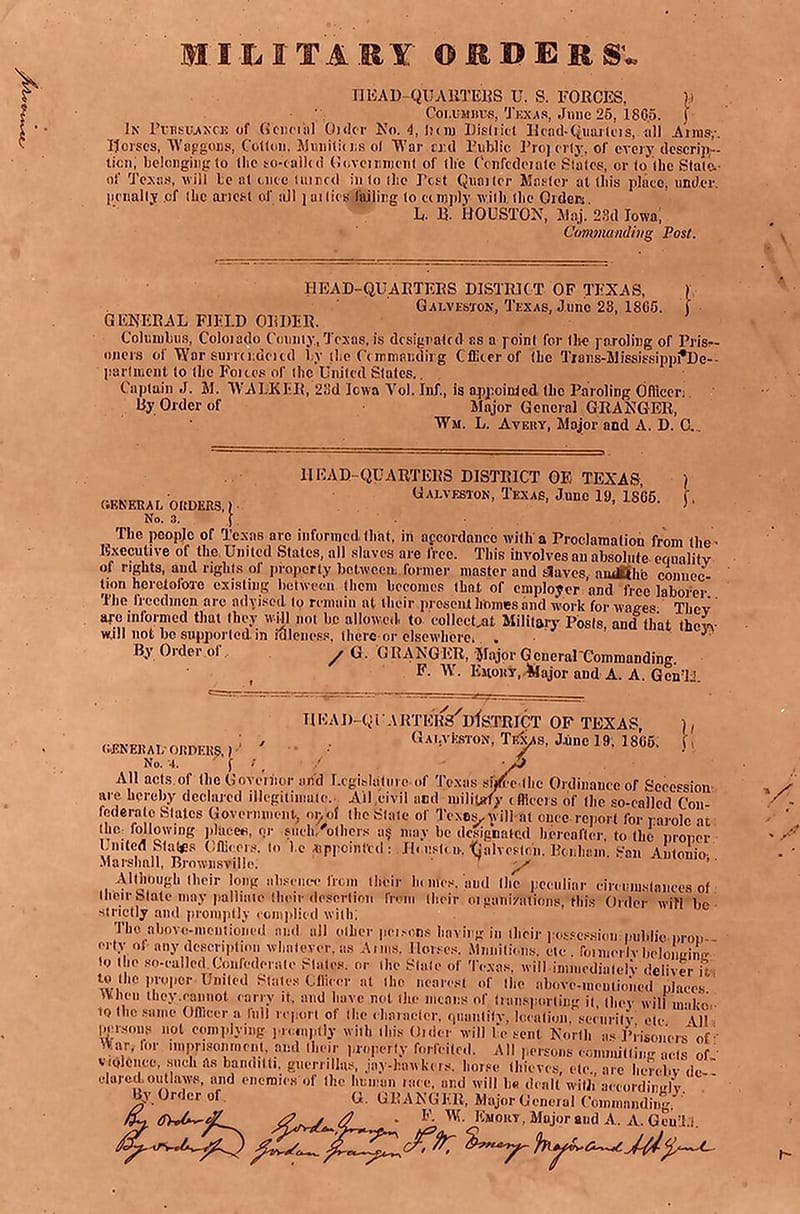
On June 19, 1865 — two and a half years after the Emancipation Proclamation — Union general Gordon Granger issued General Order No. 3 in Galveston, informing the people of Texas that all enslaved people were free. The day became known as Juneteenth, a blend of “June” and “nineteenth.” Celebrated by African American communities in Texas since 1866 and later in other states, it is the oldest known celebration of the end of slavery in the United States, and became a national holiday in 2021.
Key facts
- Date
- June 19, 1865
- Location
- Galveston, Texas
- Order
- General Order No. 3, issued by Maj. Gen. Gordon Granger
- Place
- Galveston, Texas; Granger’s troops had arrived the day before
- Other names
- Freedom Day, Emancipation Day
- First celebrated
- In African American communities in Texas, from 1866
- National holiday
- Signed into law on June 17, 2021
Why it matters
Juneteenth marks the moment emancipation reached the last enslaved Americans in the Confederacy — and, as the nation’s oldest celebration of the end of slavery, it links the history of freedom to how Americans remember it today.
Historical background
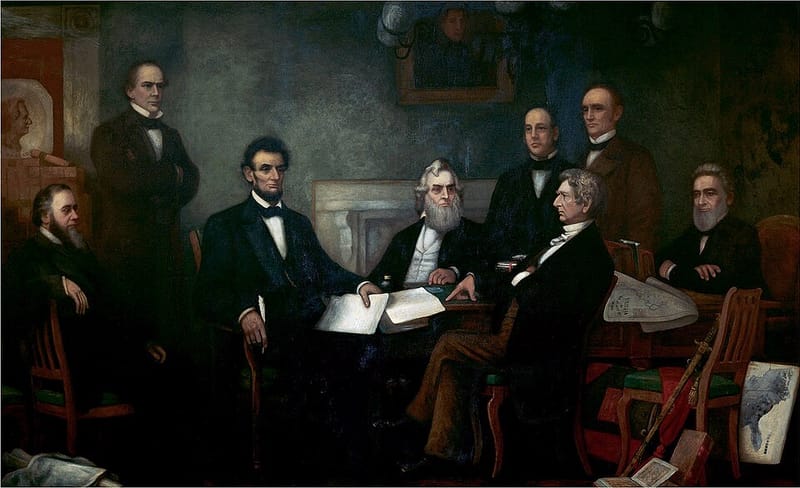
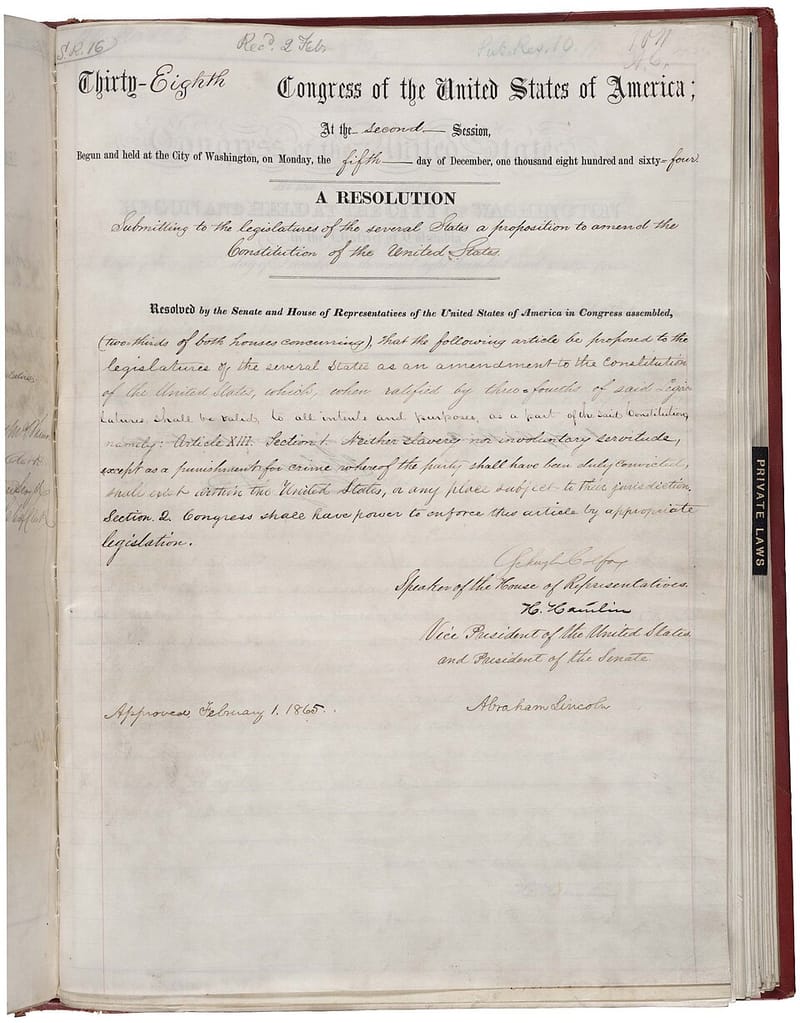
General Order No. 3 came two and a half years after President Abraham Lincoln’s Emancipation Proclamation. The National Archives describes it as the federal government’s final execution and fulfillment of the Proclamation’s terms: the people it addressed were the last group of Americans to be informed that all formerly enslaved persons were free.
Causes and contributing factors
Maj. Gen. Gordon Granger commanded the Union army’s District of Texas. His troops arrived in Galveston on June 18, 1865, and the next day he issued the order.
What happened
General Order No. 3 begins: “The people of Texas are informed that, in accordance with a proclamation from the Executive of the United States, all slaves are free.” It declared an absolute equality of personal and property rights between former masters and the formerly enslaved, and turned their relationship into that of employer and hired labor. But it also advised the freedpeople to stay quietly at their present homes and work for wages, and warned that they would not be allowed to gather at military posts or be “supported in idleness.”
Immediate consequences
The order made freedom official across Texas. Its closing lines, the National Archives notes, used racist language that foreshadowed how long the fight for equal rights would continue.
Long-term significance
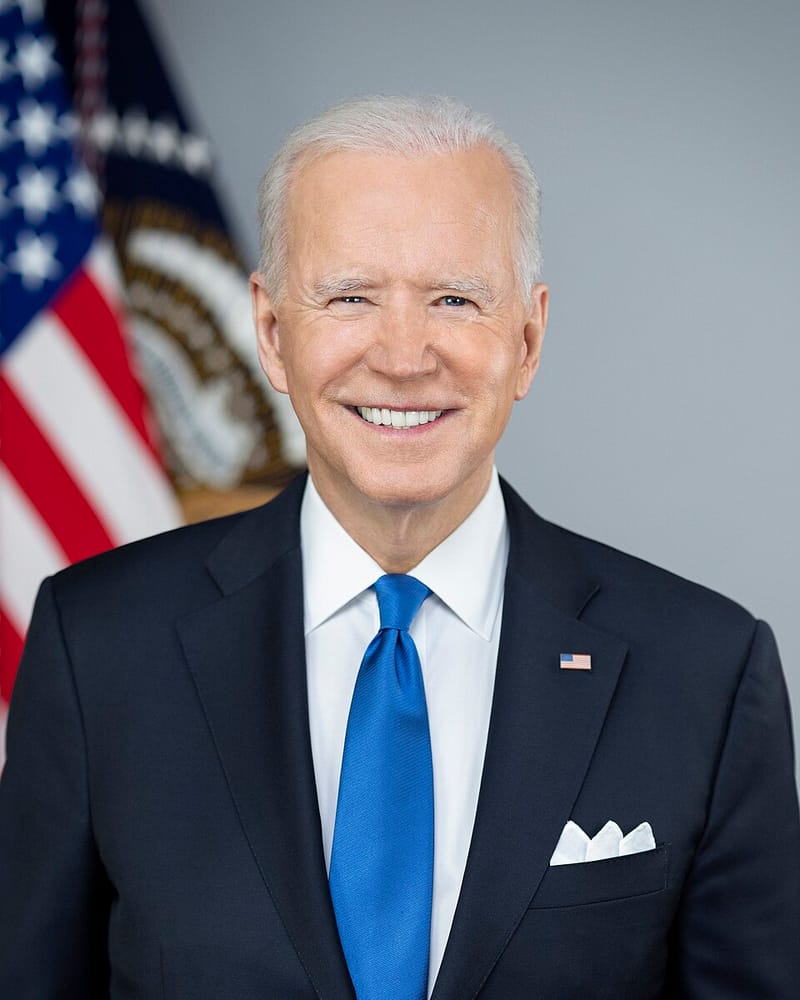
African American communities in Texas began celebrating the day in 1866, and the celebration later spread to other states. Nearly all states and the District of Columbia came to recognize Juneteenth, and on June 17, 2021, President Joe Biden signed legislation making it a national holiday. The original handwritten order survives at the National Archives in Washington, D.C.
Study this entry
Check your understanding
Try answering in your own words, then open the answer.
1.What led to Juneteenth?Show answerHide
Maj. Gen. Gordon Granger commanded the Union army’s District of Texas.From “Causes and contributing factors” above.
2.What happened?Show answerHide
General Order No. 3 begins: “The people of Texas are informed that, in accordance with a proclamation from the Executive of the United States, all slaves are free.”From “What happened” above.
3.What were the immediate consequences?Show answerHide
The order made freedom official across Texas. Its closing lines, the National Archives notes, used racist language that foreshadowed how long the fight for equal rights would continue.From “Immediate consequences” above.
4.Why does it still matter?Show answerHide
African American communities in Texas began celebrating the day in 1866, and the celebration later spread to other states. Nearly all states and the District of Columbia came to recognize Juneteenth, and on June 17, 2021, President Joe Biden signed legislation making it a national holiday.From “Long-term significance” above.
Turn this entry into 11 flashcards (key facts, dates, and why it matters) and review them in Learn.
Related History
How this connects to the rest of the atlas.
Events
Documents

Sources
- 1.National Archives Safeguards Original ‘Juneteenth’ General Order
National Archives · Institutional · cited for General Order No. 3, its text, Juneteenth celebrations, national holiday
- 2.General Order No. 3 (Juneteenth General Order)
National Archives, DocsTeach · Primary source · cited for text of the order and its place in emancipation
Image credits
- General order No. 3 of June 19, 1865, General Graham Granger, b 1821, d 1876, 1865-06-19. Via Wikimedia Commons · Public domain · Source
Written for American History Atlas from the sources above. See how entries are researched.
Atlas by Alexander. More on Telegram.