MovementIndustrialization and the Gilded Age
The Labor Movement
Workers organize for wages, hours, and a voice on the job
1877–1935
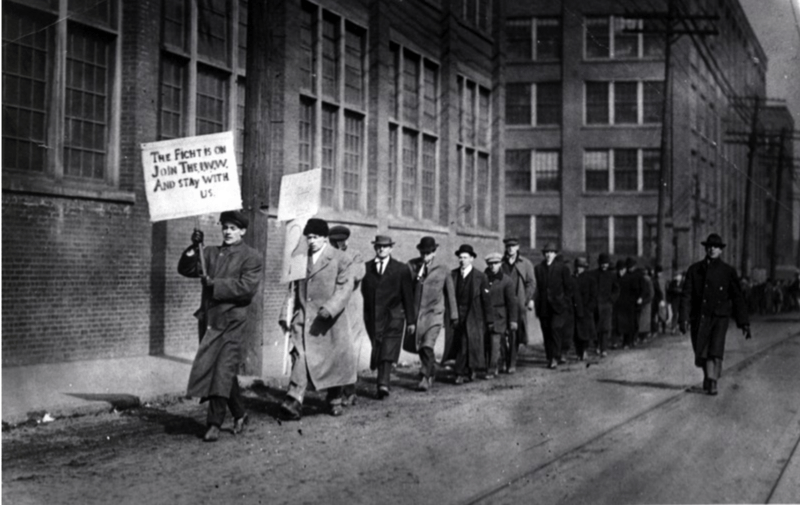
As industrial capitalism transformed the United States after the Civil War, millions of wage workers — many of them immigrants — organized to win higher pay, shorter hours, safer conditions, and the right to bargain collectively. The struggle was long and often violent: the Great Railroad Strike of 1877, Haymarket, Homestead, and the Pullman strike were all crushed with the help of police, militia, or federal troops. Only in 1935 did federal law guarantee workers the right to organize.
Key facts
- Date
- 1877–1935
- Dating note
- This entry focuses on the era from the Great Railroad Strike of 1877 to the National Labor Relations Act of 1935; organized labor has a longer history before and after.
- Great Railroad Strike
- 1877 — strikes from Baltimore to St. Louis
- Knights of Labor
- Over 700,000 members by 1886; open to skilled and unskilled workers, including women
- American Federation of Labor
- Alliance of craft unions pursuing “pure and simple trade unionism”
- Turning point
- National Labor Relations Act (Wagner Act), signed July 5, 1935
Why it matters
The labor movement was the main way ordinary Americans challenged the power of industrial capitalism, and it reshaped the workplace, the economy, and the role of government in American life.
Goals
Workers sought a living wage, the eight-hour day, safer workplaces, an end to child labor, and recognition of their unions. Some organizations, such as the Knights of Labor, envisioned a “cooperative” society that rewarded labor rather than capital; others, like the American Federation of Labor (AFL), focused narrowly on practical gains for skilled workers.
Strategies
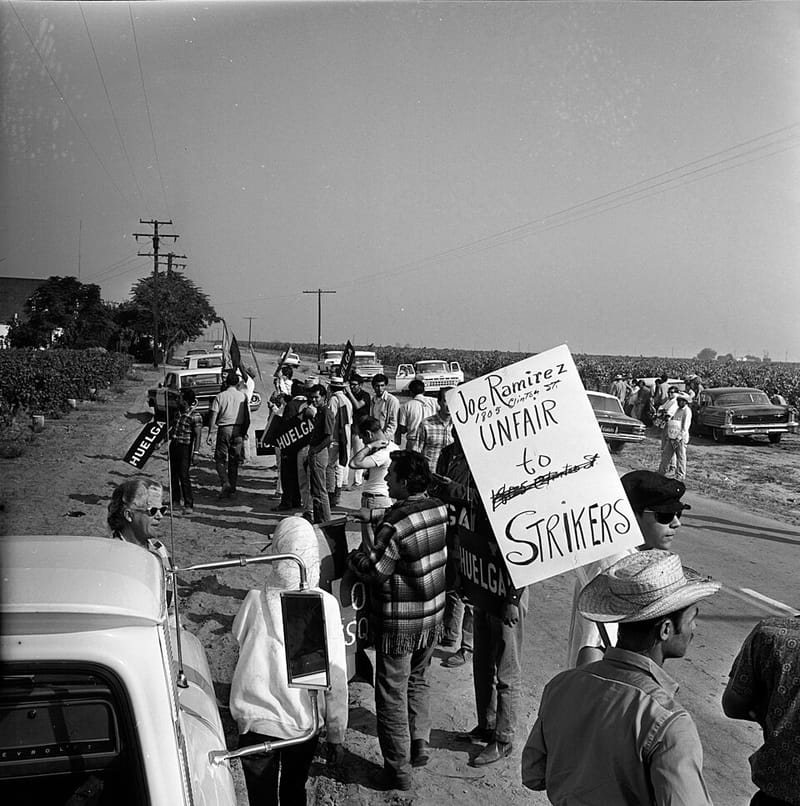
Workers formed unions, struck, boycotted, and campaigned politically. The Knights of Labor welcomed nearly all workers — barring only lawyers, bankers, and liquor dealers — and grew to more than 700,000 members by 1886, when unions nationwide campaigned for the eight-hour day. The AFL, an alliance of craft unions, tried to avoid strikes and bargain for higher wages, fewer hours, and safer conditions. Railroad workers in the American Railway Union under Eugene Debs used a national boycott of Pullman cars in 1894. Some workers turned to socialist and other radical politics.
Opposition
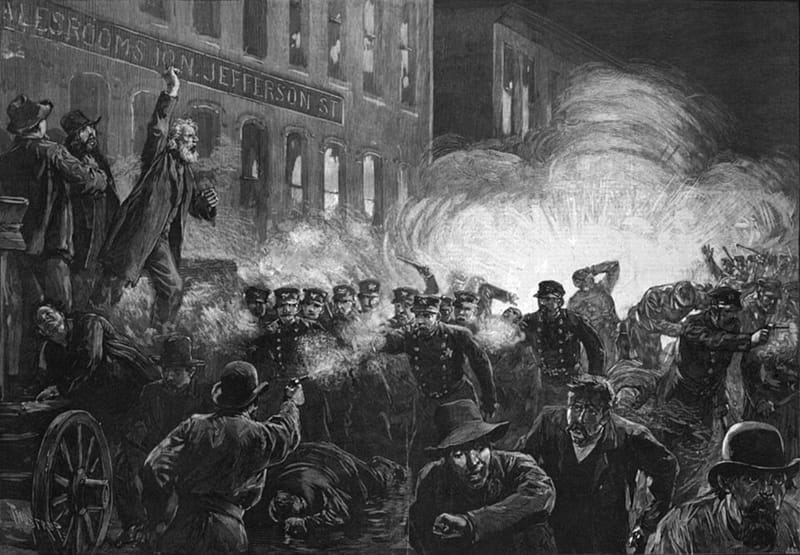
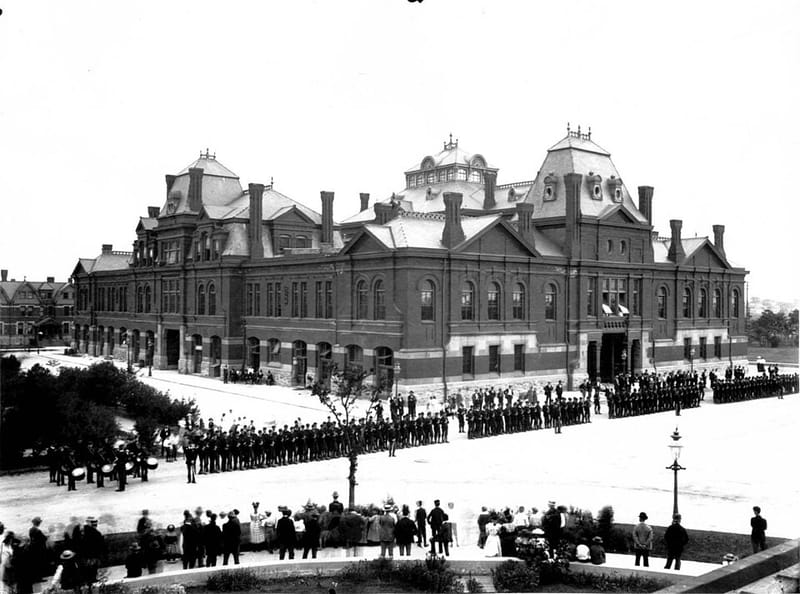
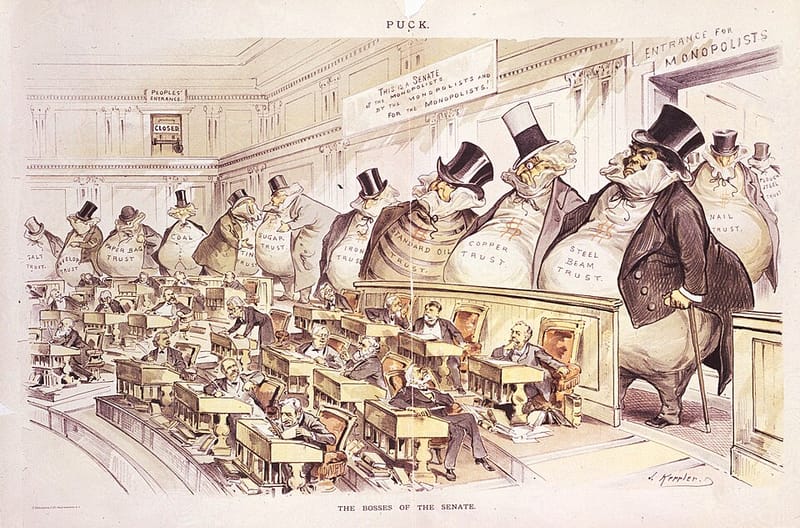
Employers fought unions with lockouts, blacklists, strikebreakers, and private armies such as the Pinkerton Detective Agency. Courts issued injunctions against strikes, at times using the Sherman Anti-Trust Act — intended to curb monopolies — against unions. Governors called out the militia and presidents sent federal troops: in 1877, at Homestead in 1892, and at Pullman in 1894. After Haymarket in 1886, a wave of anti-labor and anti-immigrant fear swept the country.
Achievements
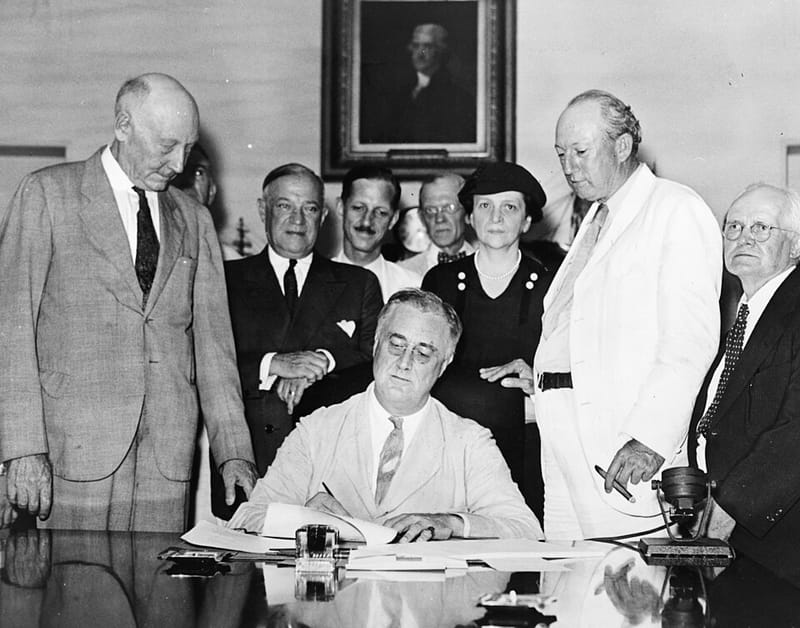
The failure of the Great Railroad Strike convinced many workers of the need to organize. Over time, labor’s pressure helped produce state laws on hours and safety, the Progressive Era’s workplace reforms, and finally the National Labor Relations Act of 1935, which guaranteed private-sector workers the right to organize and bargain collectively.
Unresolved questions
Many unions excluded or segregated Black, Asian, and women workers — the American Railway Union, for example, admitted only white railroad workers — weakening labor solidarity. Questions about the balance of power between workers and employers, and about government’s role in protecting the right to organize, remain central to American politics.
Study this entry
Check your understanding
Try answering in your own words, then open the answer.
1.What did the movement want?Show answerHide
Workers sought a living wage, the eight-hour day, safer workplaces, an end to child labor, and recognition of their unions.From “Goals” above.
2.How did it pursue its goals?Show answerHide
Workers formed unions, struck, boycotted, and campaigned politically. The Knights of Labor welcomed nearly all workers — barring only lawyers, bankers, and liquor dealers — and grew to more than 700,000 members by 1886, when unions nationwide campaigned for the eight-hour day.From “Strategies” above.
3.Who opposed it, and how?Show answerHide
Employers fought unions with lockouts, blacklists, strikebreakers, and private armies such as the Pinkerton Detective Agency. Courts issued injunctions against strikes, at times using the Sherman Anti-Trust Act — intended to curb monopolies — against unions.From “Opposition” above.
4.What did it achieve?Show answerHide
The failure of the Great Railroad Strike convinced many workers of the need to organize.From “Achievements” above.
Turn this entry into 10 flashcards (key facts, dates, and why it matters) and review them in Learn.
Related History
How this connects to the rest of the atlas.
Events
People
Movements

Sources
- 1.The American Yawp, “Capital and Labor”
The American Yawp (eds. Joseph Locke and Ben Wright; Stanford University Press) · Scholarly · cited for Gilded Age, labor organizing, strikes
- 2.The Strike of 1894
National Park Service, Pullman National Historical Park · Institutional · cited for ARU, strike, boycott, injunction, troops, aftermath
- 3.“Prepare for the Stormy Times Before Us”: Chicago’s Haymarket Affair
University of Illinois Library, Illinois History and Lincoln Collections · Scholarly · cited for rally, bombing, trial, executions, pardons
- 4.National Labor Relations Act (1935) — Milestone Documents
National Archives · Primary source · cited for Wagner Act and collective bargaining
Image credits
- The Lawrence textile strike begins 1912, Unknown author Unknown author, 1912-12-31. Via Wikimedia Commons · Public domain · Source
Written for American History Atlas from the sources above. See how entries are researched.
Atlas by Alexander. More on Telegram.