PlaceThe Progressive Era and World War I
Angel Island Immigration Station
The West Coast station built to enforce exclusion, 1910–1940
January 21, 1910 – 1940San Francisco Bay, California
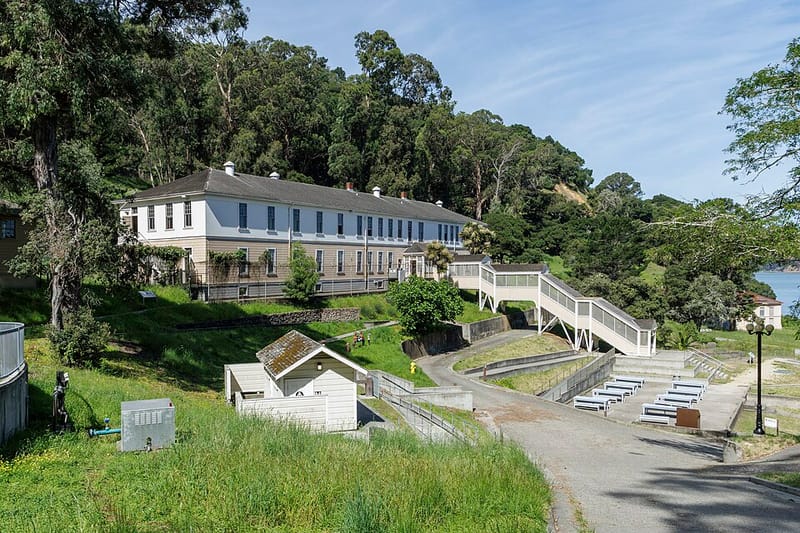
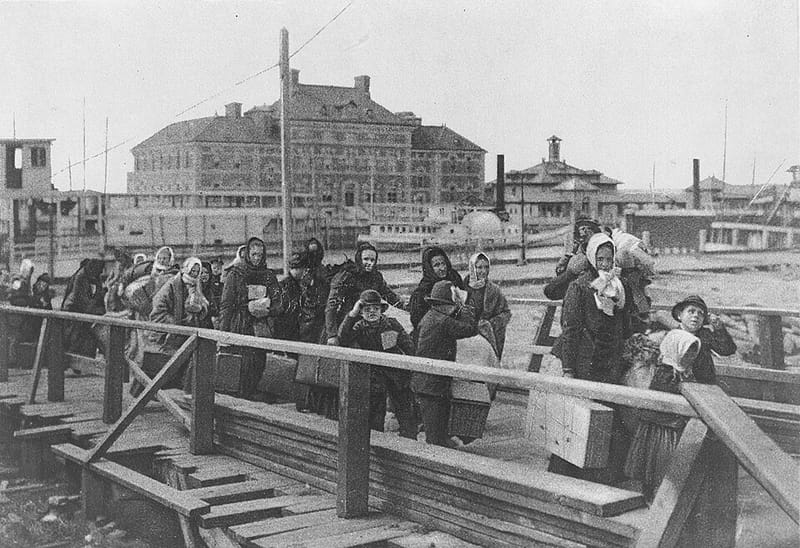
The immigration station on Angel Island in San Francisco Bay opened in 1910. Unlike Ellis Island, it was designed to detain rather than welcome: under the Chinese Exclusion Act and later laws, Chinese and other Asian immigrants faced long detentions and grueling interrogations to prove their right to enter. Some waited weeks, others years. Detainees carved poems into the barracks walls that survive today.
Key facts
- Date
- January 21, 1910 – 1940
- Location
- San Francisco Bay, California
- Opened
- January 21, 1910
- Operated by
- U.S. Bureau of Immigration (predecessor of today’s USCIS)
- Arrivals
- Immigrants from more than 80 countries, especially China
- Today
- National Historic Landmark (1997) with an immigration museum
Why it matters
Angel Island reveals the exclusionary side of American immigration history — a gateway where race, not merely health or wealth, determined who could enter.
About the place
The station stands on Angel Island, the largest island in San Francisco Bay. Immigration officials chose the site for its isolation, believing it would keep detainees from escaping or communicating with relatives in San Francisco. The restored barracks preserve poems carved into the wooden walls by Chinese detainees.
History
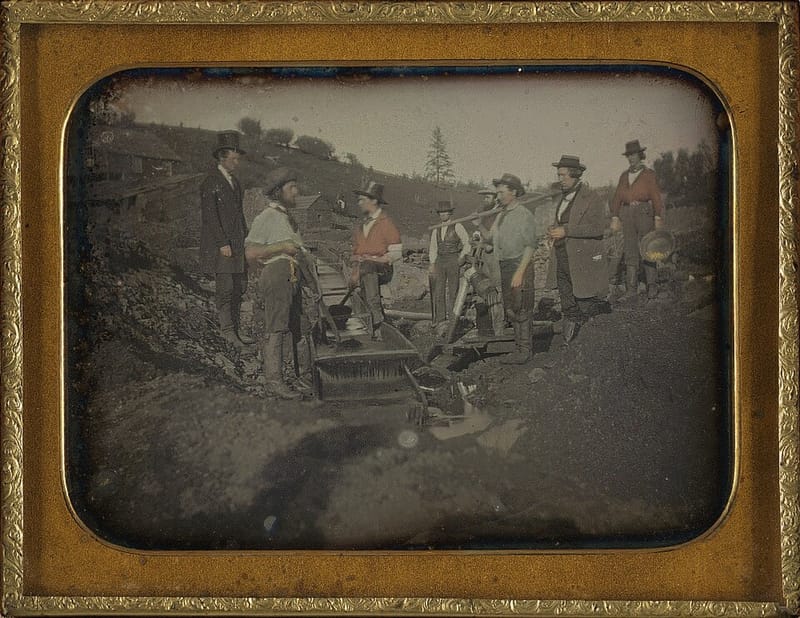
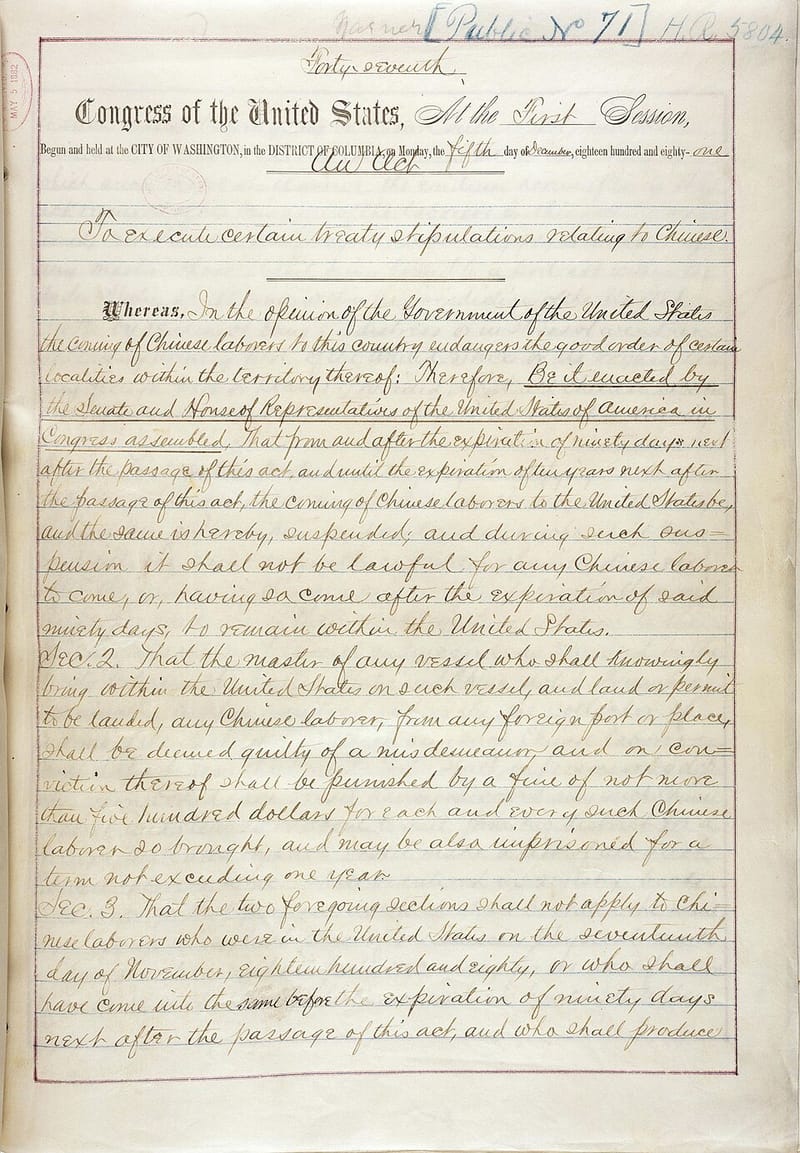
Chinese immigrants had come to California since the Gold Rush, but after the Chinese Exclusion Act of 1882 nearly all Chinese labor immigration was barred. When the 1906 San Francisco earthquake and fire destroyed immigration records, some Chinese residents claimed children born overseas, creating opportunities for “paper sons” and “paper daughters” — immigrants who entered with purchased identities. To expose them, officials at Angel Island subjected Chinese arrivals to interrogations before a Board of Special Inquiry about their claimed families, neighbors, and villages; any inconsistency could mean rejection or deportation. Some detainees waited weeks, others years, for decisions.
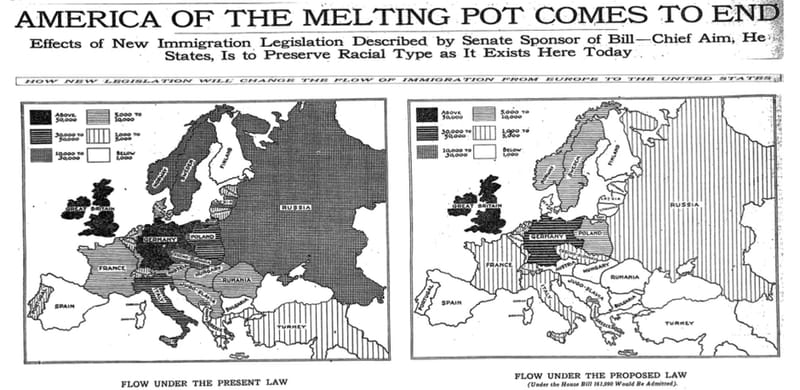
Immigrants from more than 80 countries passed through Angel Island, including people from Japan, India, the Philippines, Russia, Mexico, and, in the late 1930s, Jewish refugees fleeing Nazi persecution. In August 1940 the administration building burned, and the remaining detainees were moved to the mainland. Decades later a state park ranger discovered hundreds of Chinese poems carved into the walls of the abandoned barracks; the site became a National Historic Landmark in 1997.
Study this entry
Check your understanding
Try answering in your own words, then open the answer.
1.What is this place?Show answerHide
The station stands on Angel Island, the largest island in San Francisco Bay. Immigration officials chose the site for its isolation, believing it would keep detainees from escaping or communicating with relatives in San Francisco.From “About the place” above.
2.What happened here?Show answerHide
Chinese immigrants had come to California since the Gold Rush, but after the Chinese Exclusion Act of 1882 nearly all Chinese labor immigration was barred.From “History” above.
Turn this entry into 9 flashcards (key facts, dates, and why it matters) and review them in Learn.
Related History
How this connects to the rest of the atlas.
Documents

Sources
- 1.History of Angel Island Immigration Station
Angel Island Immigration Station Foundation · Institutional · cited for Angel Island, exclusion, detention
- 2.Chinese Exclusion Act (1882) — Milestone Documents
National Archives · Primary source · cited for provisions, Geary Act, 1924
Image credits
- Detention center at U.S. Immigration Station Angel Island, E bailey, 2026-04-18 10:49:46. Via Wikimedia Commons · CC BY-SA 4.0 · Source
Written for American History Atlas from the sources above. See how entries are researched.
Atlas by Alexander. More on Telegram.