Period 13 · 1980–2001
Conservative Realignment and the End of the Cold War
Ronald Reagan’s election in 1980 marked a conservative turn in American politics: tax cuts, deregulation, a military buildup, and the rise of the religious right. Abroad, the Cold War ended with the collapse of communism in Eastern Europe and of the Soviet Union itself. In the 1990s the United States stood as the sole superpower, won a swift victory in the Gulf War, and rode an economic boom driven by computers and the internet.
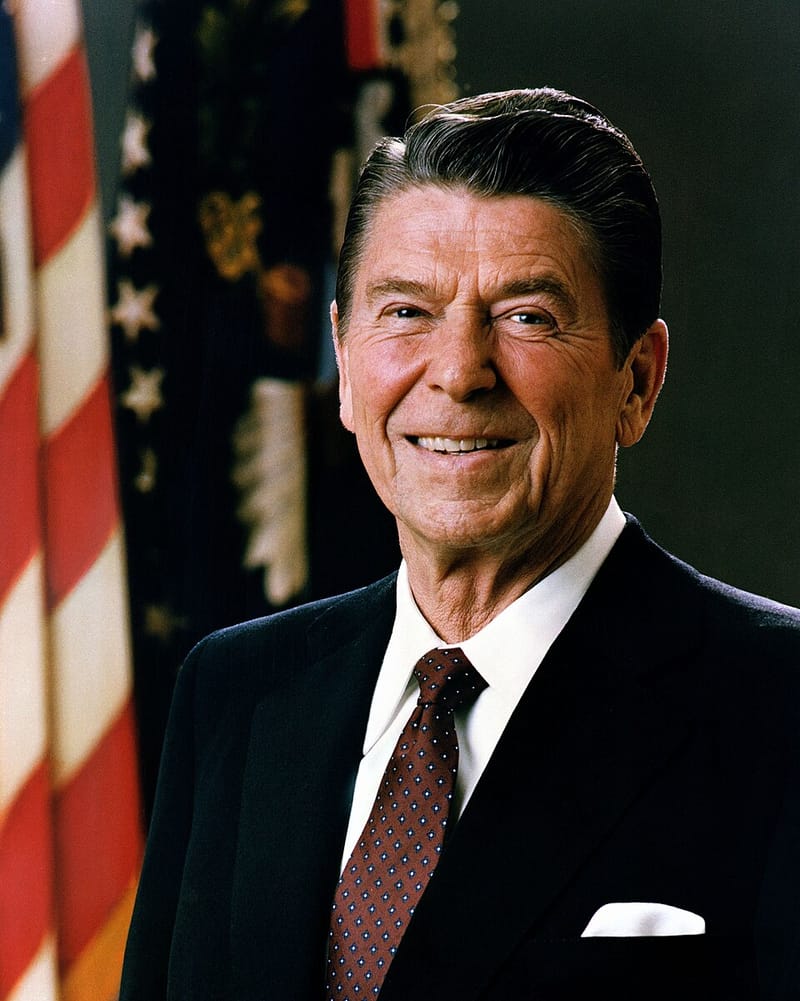
Inflation, unemployment, and the Iran hostage crisis doomed Jimmy Carter in 1980. Ronald Reagan won in a landslide, backed by a New Right that included evangelical Christians mobilized by groups like the Moral Majority. Reagan cut taxes, broke the air traffic controllers’ union, and expanded the military; after a severe recession, a recovery carried him to reelection in 1984. Deficits and inequality grew, and the Iran-Contra scandal tarnished his second term.
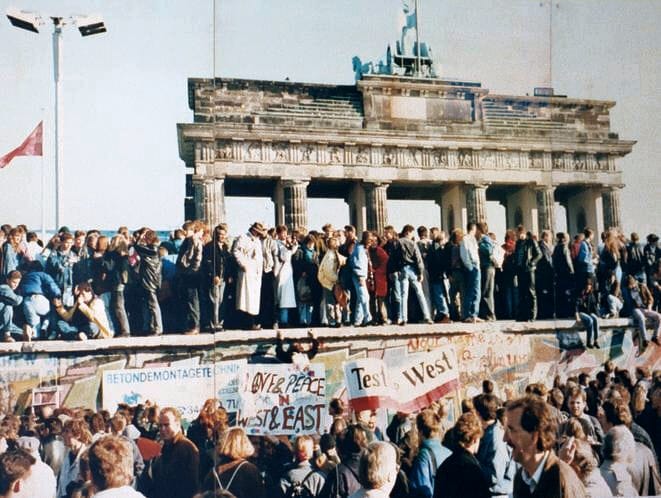
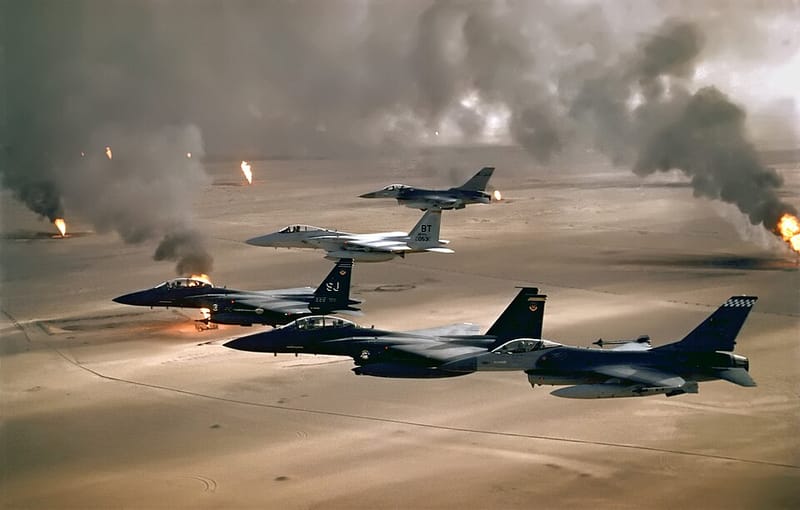
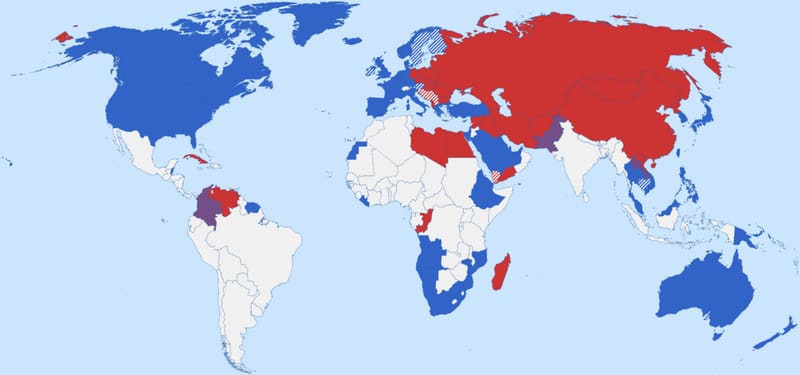
Reagan denounced the Soviet “evil empire” but negotiated with Mikhail Gorbachev, and in 1989 communist regimes collapsed across Eastern Europe. The Cold War ended with the dissolution of the Soviet Union in December 1991. President George H. W. Bush led a coalition that expelled Iraq from Kuwait in the Gulf War.
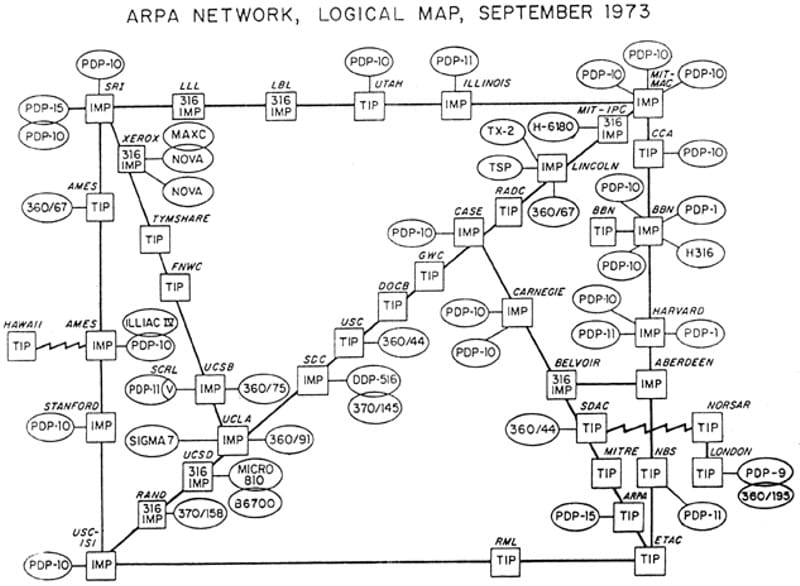
Bill Clinton, a “New Democrat,” won the presidency in 1992 promising a centrist “third way”: free trade through NAFTA, welfare reform, and deregulation of finance. Personal computers and the internet became mass phenomena in the digital revolution, and a dot-com boom fueled growth — until the bubble burst at the start of the new century. Bitter partisanship and the disputed 2000 election, decided by 537 votes in Florida, closed the era.
Highlights
Events and wars
People


Movements, institutions, and ideas

Sources for this overview
- The American Yawp, “The Triumph of the Right” — The American Yawp (eds. Joseph Locke and Ben Wright; Stanford University Press)
- The American Yawp, “The Recent Past” — The American Yawp (eds. Joseph Locke and Ben Wright; Stanford University Press)
- Ronald Reagan: Life in Brief — Miller Center, University of Virginia
- Fall of Communism in Eastern Europe, 1989 — U.S. Department of State, Office of the Historian
- The Gulf War, 1991 — U.S. Department of State, Office of the Historian
- Birth of the Commercial Internet — U.S. National Science Foundation
Atlas by Alexander. More on Telegram.