EventThe United States in the Twenty-First Century
COVID-19 Pandemic
The coronavirus pandemic in the United States, 2020–2023
January 20, 2020Nationwide and worldwide
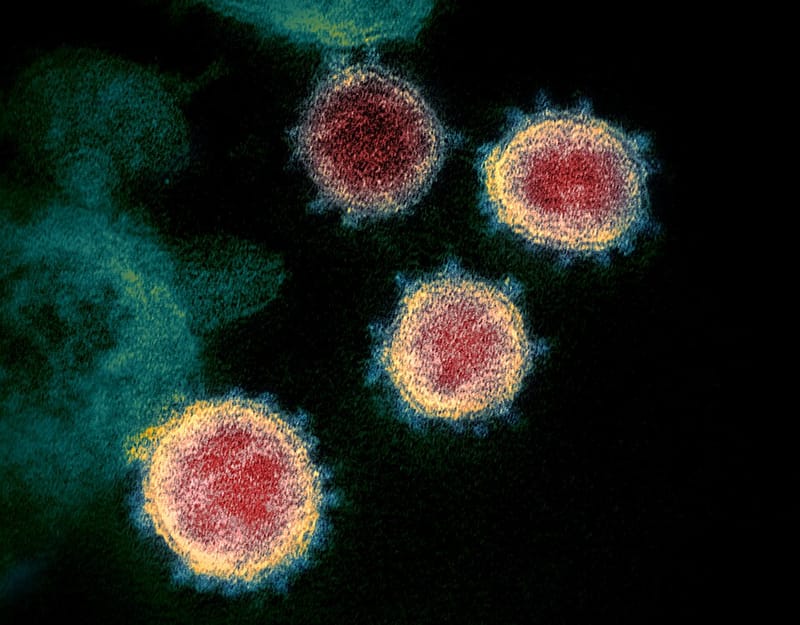
COVID-19, a disease caused by a new coronavirus first identified in Wuhan, China, in late 2019, reached the United States in January 2020. Schools, offices, and businesses shut down; millions lost their jobs; and hospitals were overwhelmed. Vaccines developed at record speed became available in December 2020, but the virus kept spreading in new variants, and responses to masks and vaccines became politically polarized. By May 2022, more than one million Americans had died.
Key facts
- Date
- January 20, 2020
- Location
- Nationwide and worldwide
- Dating note
- The first U.S. case was confirmed January 20, 2020.
- First U.S. case
- Confirmed January 20, 2020
- Pandemic declared
- By the World Health Organization, March 11, 2020
- National emergency
- Declared March 13, 2020; CARES Act signed March 27, 2020
- First vaccine authorization
- December 11, 2020 (Pfizer-BioNTech)
- U.S. deaths
- More than one million by May 2022
Why it matters
With more than a million American deaths, COVID-19 was a defining experience of the early twenty-first century.
Historical background
In December 2019, a cluster of patients in Wuhan, China, developed an unusual pneumonia-like illness. The new coronavirus was highly contagious and could spread before symptoms appeared; many infected people had no symptoms at all, while the elderly and people with other conditions were especially vulnerable.
Causes and contributing factors
Despite a lockdown in Wuhan on January 23, 2020, the virus spread worldwide through travel.
What happened
The CDC confirmed the first U.S. case on January 20, 2020. On March 11 the WHO declared a pandemic, and on March 13 the Trump administration declared a national emergency. Schools, restaurants, and offices closed; New York City’s school system shut down. New York City was devastated that spring, with mobile morgues set up to hold the dead. By April, 10 million Americans had lost their jobs; on March 27 the CARES Act was signed into law to provide relief. States competed for scarce protective equipment, and mask-wearing became politicized. By May 2020, 100,000 Americans had died. The worst wave came that winter, when nearly 3,000 Americans died each day through January and much of February 2021. The FDA authorized the first vaccine on December 11, 2020, and by late spring 2021 millions were being vaccinated.
Immediate consequences
Many Americans refused vaccines, influenced by conspiracy theories or politics, and new, more contagious variants such as Delta and Omicron kept the virus spreading. Over 600,000 Americans had died by the end of summer 2021, and the official death toll crossed one million by May 2022.
Long-term significance
The pandemic moved many white-collar workers to working from home while hourly workers, often without paid sick leave, had to choose between a paycheck and their health; it also deepened political polarization over public health.
Study this entry
Check your understanding
Try answering in your own words, then open the answer.
1.What led to COVID-19 Pandemic?Show answerHide
Despite a lockdown in Wuhan on January 23, 2020, the virus spread worldwide through travel.From “Causes and contributing factors” above.
2.What happened?Show answerHide
The CDC confirmed the first U.S. case on January 20, 2020. On March 11 the WHO declared a pandemic, and on March 13 the Trump administration declared a national emergency.From “What happened” above.
3.What were the immediate consequences?Show answerHide
Many Americans refused vaccines, influenced by conspiracy theories or politics, and new, more contagious variants such as Delta and Omicron kept the virus spreading. Over 600,000 Americans had died by the end of summer 2021, and the official death toll crossed one million by May 2022.From “Immediate consequences” above.
4.Why does it still matter?Show answerHide
The pandemic moved many white-collar workers to working from home while hourly workers, often without paid sick leave, had to choose between a paycheck and their health; it also deepened political polarization over public health.From “Long-term significance” above.
Turn this entry into 10 flashcards (key facts, dates, and why it matters) and review them in Learn.
Related History
How this connects to the rest of the atlas.
Events
People


Sources
- 1.CDC Museum COVID-19 Timeline
Centers for Disease Control and Prevention · Institutional · cited for dated events of the pandemic
- 2.The American Yawp, “The Recent Past”
The American Yawp (eds. Joseph Locke and Ben Wright; Stanford University Press) · Scholarly · cited for 1990s, 9/11, Afghanistan, Iraq, Great Recession, Obama, pandemic
Image credits
Written for American History Atlas from the sources above. See how entries are researched.
Atlas by Alexander. More on Telegram.