PlaceBefore European Colonization
Cahokia
The largest city in North America north of Mexico before 1492
c. 1050–1350Collinsville, Illinois, east of St. Louis
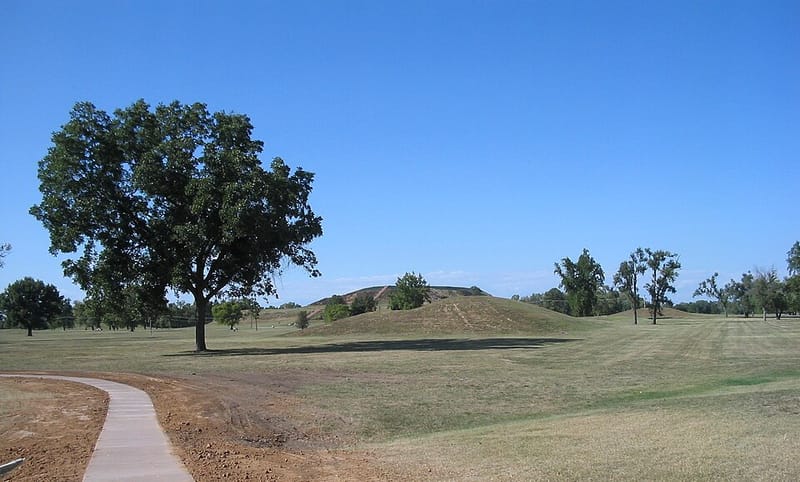
Around a thousand years ago, Cahokia, near the Mississippi River in present-day Illinois, was the greatest city north of Mexico. Estimates of its population at its height range from about 10,000 to 30,000 — comparable to many cities of the time in Europe and the ancient Near East — and its builders raised more than a hundred earthen mounds around great plazas. Cahokia was the leading center of the Mississippian culture, which spread across the Mississippi Valley and the Southeast.
Key facts
- Date
- c. 1050–1350
- Location
- Collinsville, Illinois, east of St. Louis
- Dating note
- The Mississippian culture flourished about 1000–1350; Cahokia peaked roughly 1050–1150.
- Peak
- About 1050–1150
- Population
- Estimates vary: the National Park Service gives 10,000–20,000 for Cahokia proper (40,000–50,000 including nearby centers); the National Library of Medicine’s Native Voices gives 20,000–30,000
- Extent
- The original complex of mounds, homes, and farms covered more than 4,000 acres
- Status today
- Illinois state historic site, National Historic Landmark, and UNESCO World Heritage Site (1982)
Why it matters
Cahokia shows that Native North Americans built urban societies with monumental architecture, long-distance trade, and complex political organization centuries before European contact — a powerful corrective to the myth of an untouched wilderness.
About the place
Cahokia Mounds State Historic Site lies a few miles east of the Mississippi River and St. Louis. It preserves the remains of a planned city: neighborhoods of houses, large plazas, public buildings, and more than one hundred earthen mounds, the largest of which is known as Monks Mound. The site is administered by the state of Illinois and is a National Historic Landmark and World Heritage Site.
History
Cahokia was the pre-eminent cultural, religious, and economic center of the Mississippian culture, which flourished across the Mississippi Valley and the southeastern United States between roughly 1000 and 1350. Like other mound builders, Cahokians cleared fields and planted family farms within the city to supply its people with corn, squash, and sunflowers, and satellite towns spread outward from the center. Building the mounds — by carrying earth, basket by basket — required labor organized on a vast scale.
The city declined after its peak and was largely abandoned by about 1350. Why remains a subject of research; archaeologists have proposed environmental, economic, and political explanations. Mississippian societies elsewhere in the Southeast continued long after Cahokia’s decline.
Study this entry
Check your understanding
Try answering in your own words, then open the answer.
1.What is this place?Show answerHide
Cahokia Mounds State Historic Site lies a few miles east of the Mississippi River and St. Louis. It preserves the remains of a planned city: neighborhoods of houses, large plazas, public buildings, and more than one hundred earthen mounds, the largest of which is known as Monks Mound.From “About the place” above.
2.What happened here?Show answerHide
Cahokia was the pre-eminent cultural, religious, and economic center of the Mississippian culture, which flourished across the Mississippi Valley and the southeastern United States between roughly 1000 and 1350.From “History” above.
Turn this entry into 11 flashcards (key facts, dates, and why it matters) and review them in Learn.
Related History
How this connects to the rest of the atlas.

Sources
- 1.Cahokia Mounds State Historic Site: World Heritage Site
National Park Service · Institutional · cited for dates, population, extent, status
- 2.AD 650–1400: Family farms feed a metropolis at Cahokia
U.S. National Library of Medicine, Native Voices · Institutional · cited for agriculture at Cahokia
Image credits
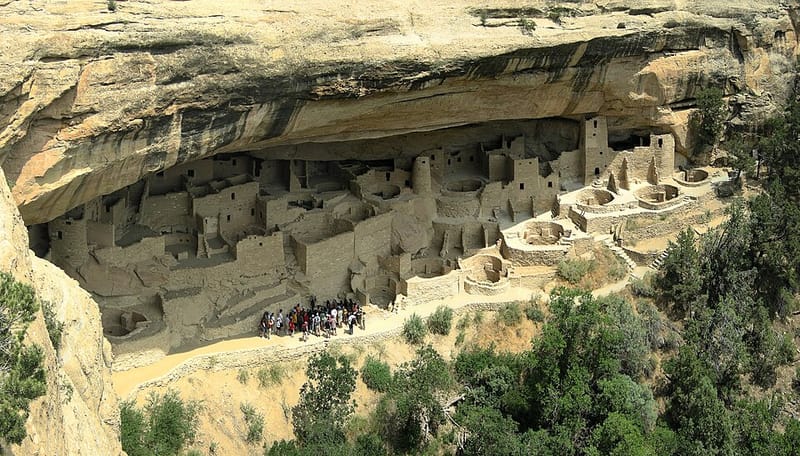
- Mounds, Cahokia Mounds State Historic Site, Joe Passe, 2007-09-27 15:02:43. Via Wikimedia Commons · CC BY-SA 2.0 · Source
Written for American History Atlas from the sources above. See how entries are researched.
Atlas by Alexander. More on Telegram.